
On This Page – Quick Medical Summary
Call 911 now if any of these are happening
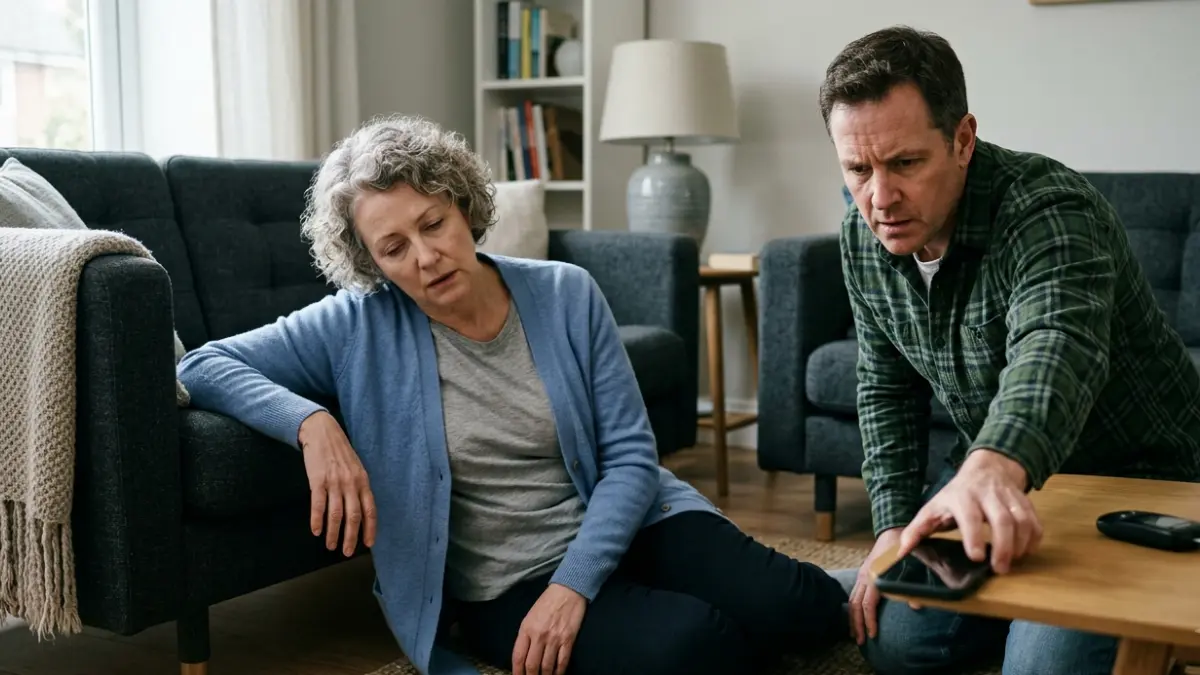
Call 911 immediately if a person with low blood sugar is:
- unconscious or cannot be woken
- having a seizure
- confused, disoriented, or acting unlike themselves
- too weak to treat themselves, or unable to swallow
- not responding after glucagon was given
Act on that list first. It comes from the NIDDK’s guidance on severely low blood glucose. Caregivers preparing ahead should read what to do while you wait; if the episode has passed, skip to whether the ER is needed.
ℹ️ Medical Disclaimer: This is patient education, not diagnosis, treatment, or medication guidance. Which glucagon product, what dose, and whether hospital care is needed afterward are decisions for responders and the prescribing clinician.
What counts as severe low blood sugar
Severe hypoglycemia is a low a person cannot treat alone. NIDDK defines it as glucose dropping so low you can’t treat it yourself, and no number appears in that definition.
The American Diabetes Association’s Standards of Care in Diabetes—2026 sorts lows into three levels. Level 1 is a blood glucose reading of 54 to 69 mg/dL; Level 2 is below 54 mg/dL, where the brain runs short of fuel. Level 3 is severe, set by needing assistance at any reading.
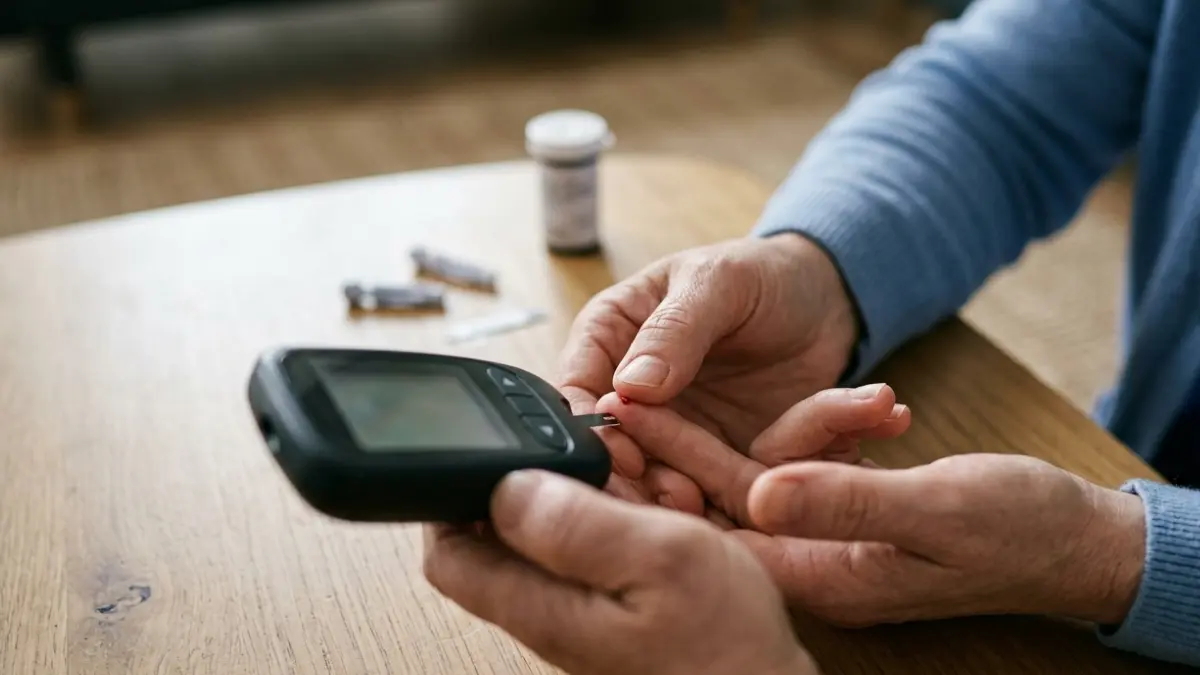
MedlinePlus puts it plainly: below 70 mg/dL is low and can harm you, and below 54 mg/dL calls for immediate action. Our blood sugar converter handles mmol/L.
Signs that mean this is an emergency, not a normal low
An ordinary low and an emergency low look different from the outside.
| Mild to moderate | Severe |
|---|---|
| Shaky, hungry, tired | Loses consciousness |
| Dizzy, lightheaded, irritable | Has a seizure |
| Fast or unsteady heartbeat | Brain not working properly |
| Headache; blurred sight or speech | Cannot be roused |
Source: NIDDK, Low Blood Glucose (Hypoglycemia), reviewed July 2021.
Movement from left column to right can take minutes, and NIDDK lists passing out, coma, and death among the complications of an untreated severe low. The CDC’s threshold for action is 70 mg/dL, and earlier warning signs usually come first.
✅ Patient Action: Ask your endocrinologist or prescriber: “Which of my medicines can cause a low, and how long can it last?”
What to do while you wait for help
Call 911 first. Then, while you wait:
- turn them onto their side, in case they vomit
- stay with them and note the time
- give their prescribed glucagon if you have it and know how
- tell the dispatcher which diabetes medicines they take

⚠️ Clinical Warning: Never put food or drink into the mouth of someone unconscious or unable to swallow — they can choke. Never give insulin, which lowers blood sugar further.
🔬 How It Works: Glucagon signals the liver to release stored glucose. Timing and repeat dosing are set by each product’s labeling, so follow your device.
They woke up — do they still need the ER?
Waking up does not always mean the episode is over. NIDDK is direct: have people call 911 right away after giving glucagon, not instead of it.
🔬 How It Works: Sulfonylureas push the pancreas to release insulin over several hours. That effect can outlast the glucagon, so a low driven by a long-acting pill can return once the rescue dose fades.
Emergency clinicians therefore treat a sulfonylurea-related low differently from an insulin-related one, and often prefer observation. Drug-induced low blood sugar can also involve non-diabetes medicines, so bring the bottles.
Who is most likely to have a severe low
NIDDK’s risk factors are type 1 diabetes, insulin or certain other medicines, age 65 or older, a previous low, and kidney disease.
📊 Clinical Data Point: About 2 in 100 US adults with diabetes taking insulin or medicines that prompt insulin release have a severe low each year — Source: NIDDK, citing Karter et al., 2017.
Against the CDC’s count of 40.1 million Americans with diabetes, severe events stay uncommon in a large group. Repeated lows blunt the warning system, producing hypoglycemia unawareness; lows after eating are a different pattern, covered in our guide to reactive hypoglycemia.
Making the next one less dangerous
Three things change how the next episode ends. Check that your glucagon prescription is current and unexpired, and show one other person where it is kept and how it works.
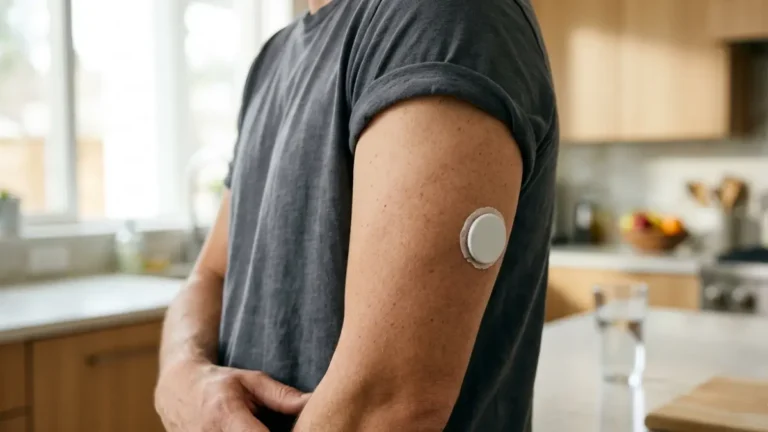
Wear a medical alert bracelet, which NIDDK recommends so responders know what they are treating. If lows are frequent or unnoticed, time in range on a CGM gives your clinician better data.
Common questions about severe low blood sugar
1. When should you call 911 for low blood sugar?
Call immediately if the person is unconscious, seizing, confused, unable to swallow, or not responding to glucagon.
2. What blood sugar level is dangerously low?
Below 70 mg/dL is low and below 54 mg/dL needs immediate action. Ask your prescriber what is low for you.
3. What is severe hypoglycemia?
Severe hypoglycemia is a low blood sugar episode you cannot treat yourself and need another person’s help to end.
4. Can you die from low blood sugar?
Yes. NIDDK lists passing out, coma, and death among the complications of an untreated severe low.
5. What do you do if someone with diabetes passes out?
Call 911, turn them onto their side, and give their prescribed glucagon if you have it.
6. Should you give food or drink to someone unconscious?
No. Someone who cannot swallow safely may choke. Glucagon, not food or drink, treats a severe low.
7. Do you still need the ER if glucagon worked?
Often yes. Lows from some diabetes pills return hours later. Let the responding clinician decide about further care.
8. How long does glucagon take to work?
Timing and repeat dosing depend on the device. Follow that product’s instructions and have your prescriber demonstrate it.
9. Can low blood sugar cause a seizure?
Yes. A seizure is one of the severe symptoms NIDDK lists when glucose drops low enough to affect the brain.
10. Can someone without diabetes have a severe low?
Yes. MedlinePlus notes it can follow taking a diabetes medicine that is not yours, and needs urgent assessment.
11. What is hypoglycemia unawareness?
It means you stop noticing symptoms until blood glucose is already very low. Ask your diabetes clinician about a CGM.
The one rule worth remembering
The test is not what the meter says; it is whether the person can get themselves out of it. If they cannot, that is an emergency, and hesitating to call is the more common mistake. Our glucose levels chart puts every reading in context.
About this content
How this article was put together: researched from recognised health sources, drafted with the help of AI tools, and edited by hand, with sources linked throughout.

Sameer Patel is the founder and editor of My Medicine Advisor. He is not a doctor or medical professional — before starting this site he worked in banking,…
Medical disclaimer
The content on MyMedicineAdvisor is provided for general informational and educational purposes only and is not a substitute for professional medical advice, diagnosis, or treatment. Health information on this website should not be used to diagnose, treat, cure, or prevent any condition without guidance from a qualified healthcare professional. Always seek the advice of your doctor, physician, or another licensed healthcare provider with any questions you may have regarding a medical condition, symptoms, medications, or treatment decisions.