
On This Page – Quick Medical Summary
The reading changed, and so did your prescription
Your blood sugar moved and the only recent change was a medication. That link is real and has a clinical name: drug-induced hyperglycemia.
No diabetes diagnosis and one alarming reading? Section 4 has the effect size. Already managing diabetes? Section 5 has the test to ask for. Caring for someone on several prescription medications? Section 7 lists what needs a call today.
The glucose levels chart shows where your result falls, and NIDDK covers how diabetes is diagnosed.
ℹ️ Medical Disclaimer: This explains how medications affect glucose readings. It does not diagnose diabetes, adjust any prescription, or replace your prescriber’s judgement. Never start, stop, or change a dose based on this page — take medication changes, monitoring, and coverage questions to your prescribing physician or a board-certified endocrinologist.
The 8 medications most likely to raise blood sugar
Eight drug classes account for most medication-related glucose rises, ordered by how strongly each moves it.
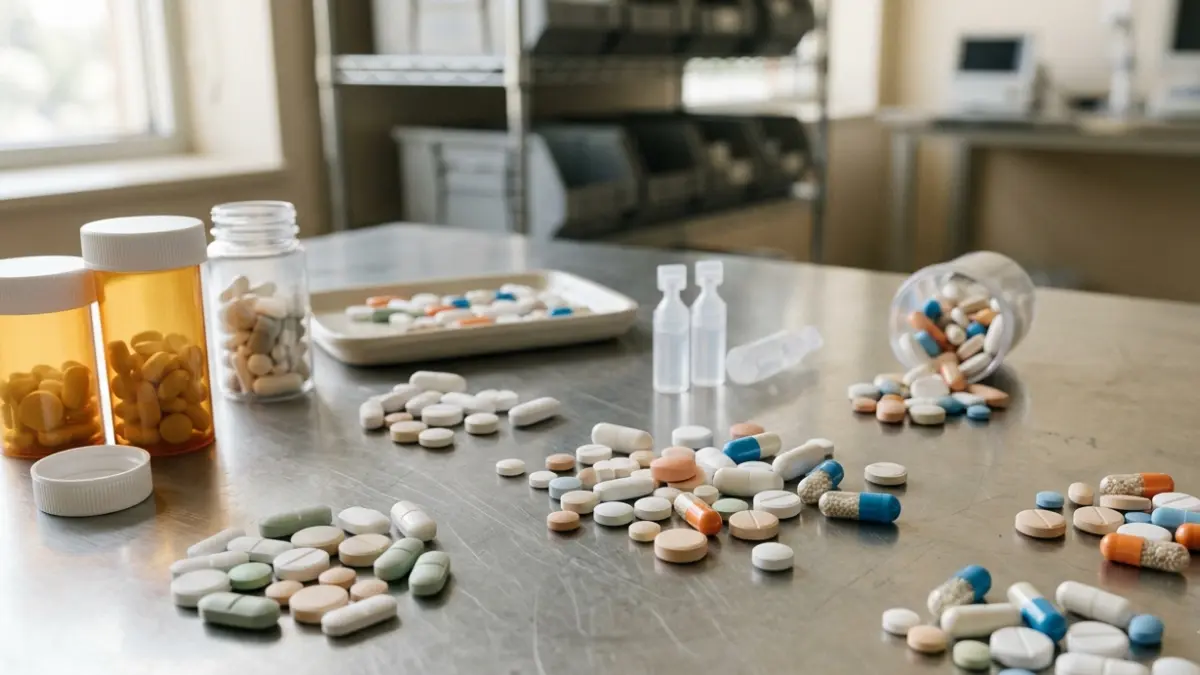
Strong effect
- Corticosteroids — prednisone, dexamethasone
- Second-generation antipsychotics — olanzapine, clozapine
- Transplant immunosuppressants — tacrolimus, cyclosporine
Moderate effect
- Thiazide diuretics — hydrochlorothiazide, chlorthalidone
- Niacin at lipid-lowering doses
- Beta-blockers — metoprolol, atenolol
Small or situational effect
- Statins — atorvastatin, rosuvastatin
- Decongestants containing pseudoephedrine
That last entry sits at the bottom deliberately. It rests on FDA-approved insulin labeling and mechanism, not outcome trials.
A raised reading with no diagnosis behind it is its own situation, and high blood sugar without diabetes covers what else to rule out.
How these medicines actually raise blood sugar
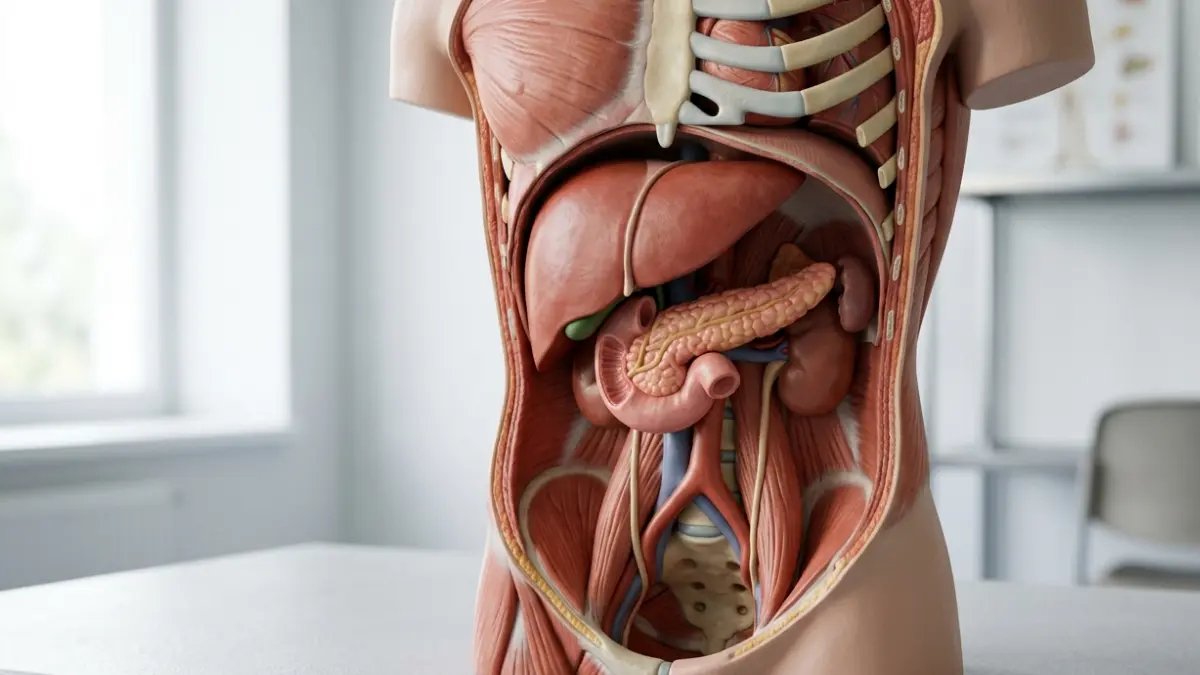
Eight drugs, three shared pathways.
🔬 How It Works: Glucose reflects a balance — what the liver releases, what muscle and fat absorb, how much insulin the pancreas supplies. These drugs tip one or more.
The liver releases more glucose
Corticosteroids push the liver to release glucose it would otherwise hold. Steroid rises show up within days.
Muscle and fat stop responding to insulin
Insulin resistance means the same insulin clears less glucose. Thiazides, beta-blockers, and statins act mainly here.
The pancreas releases less insulin
Tacrolimus acts on insulin-producing beta cells; thiazides contribute through potassium loss.
The effect usually eases when the dose falls or the drug stops. After long steroid courses or a transplant it sometimes persists and is managed as diabetes.
How much each drug typically moves your blood sugar
Corticosteroids carry the largest documented effect. In a meta-analysis of people without diabetes, 32.3% developed hyperglycemia on glucocorticoids and 18.6% were diagnosed with diabetes.
| Drug class | Measured effect | Key clinical detail | Source |
|---|---|---|---|
| Corticosteroids | 32.3% hyperglycemia; 18.6% diabetes | Fastest onset of the eight | Liu, 2014 |
| Thiazides | Fasting glucose +8.5 mg/dL at 2 years | Cardiovascular benefit held | ALLHAT, 2006 |
| Beta-blockers | Diabetes risk +22% | Varies sharply by drug | Bangalore, 2007 |
| Niacin | Risk +34%; one extra case per 43 over 5 years | Lipid doses only | Goldie, 2016 |
Figures verified against the named sources. Classes without a current pooled figure are omitted.
📊 Clinical Data Point: Statins raise diabetes risk 10% at moderate doses and 36% at high intensity, shifting A1C 0.06–0.08%. About 62% of new diagnoses occurred in people already in the top quarter of the glucose range — Source: Cholesterol Treatment Trialists’ Collaboration, 2024.
Most statin cases nudge a number already near the line.
Values are mg/dL; the blood sugar converter gives mmol/L.
Which test actually catches a medication-driven rise
For steroid-related rises, a fasting glucose test is the wrong tool. The American Diabetes Association’s Standards of Care in Diabetes—2026 advises post-meal glucose one to two hours after eating, or a random glucose, because glucocorticoid hyperglycemia is mainly a post-meal event.
Why a normal fasting result misleads
Your overnight number can sit in range while afternoon readings run high. What your blood sugar does after eating shows the normal curve.
When to check after starting
Steroid effects appear within days. Statin and thiazide effects build over months, so one early reading tells you little.
What A1C will and will not show
A1C reflects two to three months, so it lags a recent change. The CDC’s guidance on A1C testing notes that some medicines distort the result.
✅ Patient Action: Ask the physician who prescribed the drug: “Should I check a post-meal or random glucose rather than a fasting one, and starting when?”
When a different drug in the same class helps
Sometimes a swap within the class solves it. Sometimes none exists.
Beta-blockers are not interchangeable
In the GEMINI trial, metoprolol raised A1C in patients with hypertension and type 2 diabetes while carvedilol did not. In COMET, new-onset diabetes reached 12.6% on metoprolol against 10.3% on carvedilol.
Options beyond thiazides
In ALLHAT, four-year new-onset diabetes was 11.6% on chlorthalidone, 9.8% on amlodipine, and 8.1% on lisinopril — yet chlorthalidone matched both on cardiovascular outcomes.
Where switching is not on the table
For transplant immunosuppression and most antipsychotic therapy, the alternative often carries greater risk. Monitoring, not substitution, is the usual route.
✅ Patient Action: Ask the specialist managing that drug — cardiologist, nephrologist, psychiatrist, or transplant team — “Is there an equally effective option in this class with less glucose effect?”
When to call your doctor, and what not to do
Symptoms that need a call today
Heavy thirst, frequent urination, blurred vision, or unusual fatigue after starting a drug warrants a same-day call. CDC advises checking ketones if you are ill and reading 240 mg/dL or above, because high ketones can signal diabetic ketoacidosis. Symptoms of high blood sugar lists the rest.
Why stopping on your own is worse
Do not stop a prescribed medication over a reading. The condition it treats has not gone away.
Antibiotics push glucose both ways
Fluoroquinolones are widely listed as glucose-raising. The FDA’s 2018 safety communication concerns the opposite direction: low blood sugar severe enough to cause coma.
⚠️ Clinical Warning: On insulin or a sulfonylurea and prescribed ciprofloxacin or levofloxacin? Tell the prescriber before the first dose. FDA labeling for the class now carries a hypoglycemic-coma warning.
Common questions about medications and blood sugar
1. How much can prednisone raise my blood sugar?
Prednisone leads the eight: 32.3% of people without diabetes developed hyperglycemia in one meta-analysis. Ask your prescriber.
2. Do statins cause diabetes?
Statins raise diabetes risk 10% at moderate doses, 36% at high intensity, mostly near threshold already. Ask your prescriber.
3. Do all beta-blockers raise blood sugar?
No. In trials metoprolol raised A1C while carvedilol did not. Ask your cardiologist about the difference.
4. Does hydrochlorothiazide raise blood sugar?
Thiazides like hydrochlorothiazide raised fasting glucose about 8.5 mg/dL over two years in ALLHAT. Ask your prescriber.
5. Can antibiotics affect my blood sugar?
Fluoroquinolone antibiotics move glucose either direction. FDA’s 2018 warning concerns dangerously low blood sugar, not high.
6. Will high blood sugar from a medication go away?
Usually the rise eases once the dose falls or the drug stops. Sometimes it persists as diabetes.
7. Should I stop a medication that raises my blood sugar?
No. Stopping a prescribed medication yourself usually carries more risk than the glucose rise. Ask your prescriber.
8. Can over-the-counter cold medicine raise blood sugar?
Cold medicine with pseudoephedrine appears on most lists, but the evidence is labeling and mechanism, not trials.
9. What blood sugar level is dangerous while on steroids?
CDC advises checking ketones when you are ill and blood sugar reaches 240 mg/dL, then calling your doctor.
10. Do antipsychotics cause diabetes?
Second-generation antipsychotics carry an FDA class warning for hyperglycemia and diabetes. Never stop them unilaterally; ask your psychiatrist.
11. Which test should I ask for if I’m on steroids?
ADA’s 2026 standards advise post-meal or random glucose rather than fasting, because steroid rises follow eating. Ask your prescriber.
What to do next
Note the drug name, the dose, the date you started it, and your readings. Bring that to the prescriber who wrote it and ask whether a post-meal or random check makes more sense than a fasting one.
If you are monitoring day to day, CDC guidance on managing blood sugar covers the routine.
About this content
How this article was put together: researched from recognised health sources, drafted with the help of AI tools, and edited by hand, with sources linked throughout.

Sameer Patel is the founder and editor of My Medicine Advisor. He is not a doctor or medical professional — before starting this site he worked in banking,…
Medical disclaimer
The content on MyMedicineAdvisor is provided for general informational and educational purposes only and is not a substitute for professional medical advice, diagnosis, or treatment. Health information on this website should not be used to diagnose, treat, cure, or prevent any condition without guidance from a qualified healthcare professional. Always seek the advice of your doctor, physician, or another licensed healthcare provider with any questions you may have regarding a medical condition, symptoms, medications, or treatment decisions.