
On This Page – Quick Medical Summary
The drink is rarely the problem. The liver is.
If you woke at 3 a.m. to an alarm after an ordinary night out, the timing was not random. Alcohol pushes blood sugar down hours after the last glass, and the danger depends more on your medication than on how much you drank.
If you use insulin or a sulfonylurea, the medicines section is written for you. If you take neither, the risk is smaller. Reading this for a partner? Start at spotting a low. New to your numbers? Begin with what your glucose numbers actually mean.
ℹ️ Medical Disclaimer: This page explains how alcohol affects glucose. It does not diagnose, set targets, or tell you to change a diabetes dose; that belongs to your prescriber. Discuss drinking with a board-certified endocrinologist or diabetes care and education specialist.
Why drinking lowers your blood sugar
Most pages say alcohol shuts the liver down. That is not what happens.
What your liver does between meals
Between meals the liver releases stored glucose to steady your level. It also clears alcohol and treats that first; while processing alcohol it stops releasing glucose.
Why alcohol interrupts it
🔬 How It Works: Your liver steadies blood sugar two ways: releasing stored glucose, and making new glucose. Alcohol suppresses the second. The tank empties while the factory is slowed.
Does this happen without diabetes?
It can. Alcohol-induced hypoglycemia occurs when drinking replaces food and stored glucose runs low.
How long after drinking does blood sugar drop?
Published answers disagree, and no major health site says so.
Why the first reading looks fine
Beer, sweet wine and mixers carry carbohydrate, so an early check can read normal. The delayed hypoglycemia pattern follows underneath.
The published windows
| Window | Source | Population |
|---|---|---|
| Unspecified “hours” | MedlinePlus | Anyone with diabetes |
| About 12 hours | Johns Hopkins | Diabetes education |
| 10–16 hours | Clinical review, 2011 | Insulin-treated |
| Up to 24 hours | American Diabetes Association | People with diabetes |
Each figure verified against the source named; they differ by population and era.
Why the overnight hours matter
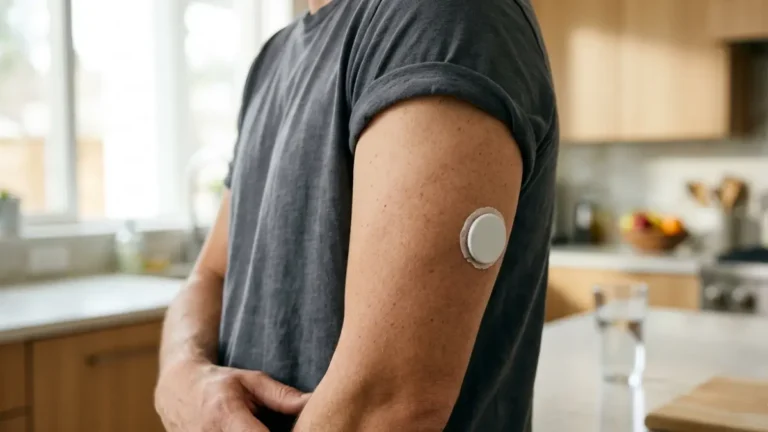
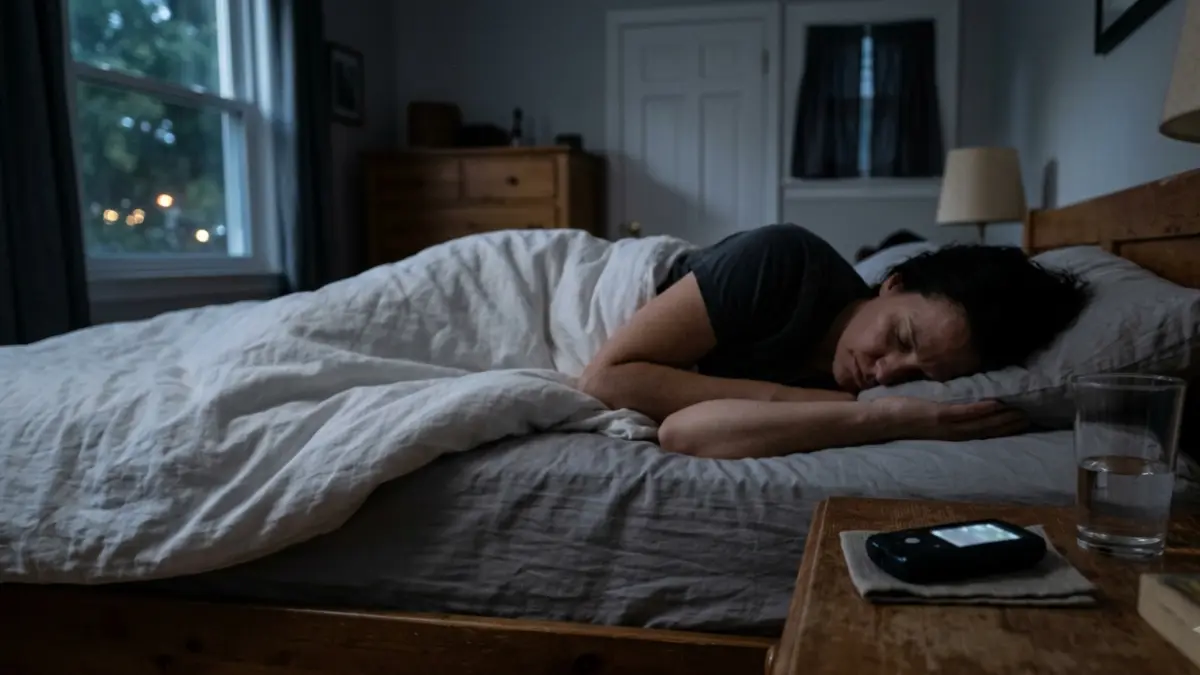
CDC lists night drinking among causes of overnight lows, and a continuous glucose monitor is the only thing watching while you sleep. The dawn phenomenon explanation covers the other reason mornings move.
The medicines that turn a dip into an emergency
Your diabetes medication class, not your drink count, decides how serious this is.
Insulin
Insulin lowers glucose directly. With the liver’s production slowed, it drives most severe alcohol-related lows.
Sulfonylureas and other secretagogues
Glipizide, glyburide and glimepiride push the pancreas to release insulin whether or not glucose is falling. Hypoglycemia starts below 70 mg/dL; below 54 mg/dL it turns clinically significant. The blood sugar unit converter covers mmol/L.
⚠️ Clinical Warning: These two classes turn a dip into an emergency. Nothing here tells you to change a dose; that belongs to your prescriber.
If you take neither
Metformin, SGLT2 inhibitors and GLP-1 medicines work differently, so severe-low risk is lower.
✅ Patient Action: Ask your endocrinologist or diabetes educator: “Given my medicines, what changes on a night I drink?”
When a low looks like being drunk
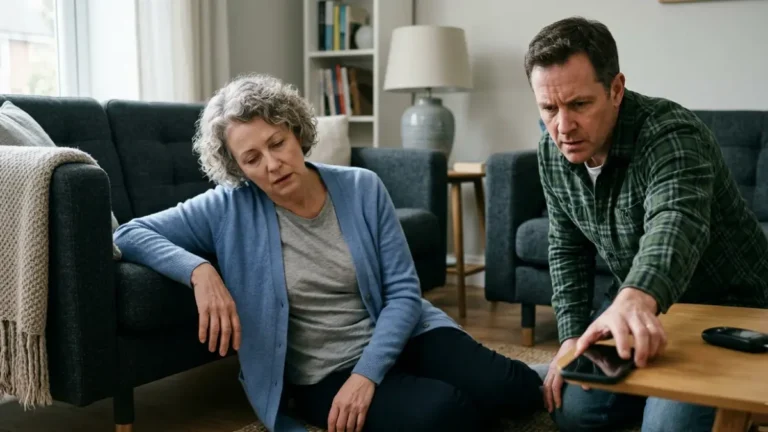
These lows get missed because nobody in the room reads them as lows.
The symptoms that overlap
Four symptoms appear in both intoxication and hypoglycemia:
- Slurred speech
- Drowsiness
- Confusion
- Unsteady movement
The full list of low blood sugar warning signs is worth knowing beforehand.
Why alcohol mutes your warning
NIDDK puts it plainly: alcohol can keep you from feeling the first symptoms of a low. With hypoglycemia unawareness, drinking removes a layer you relied on.
What a partner should watch for
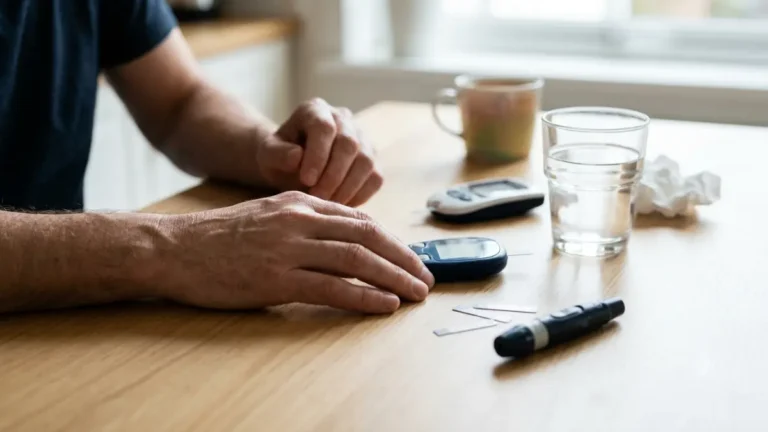
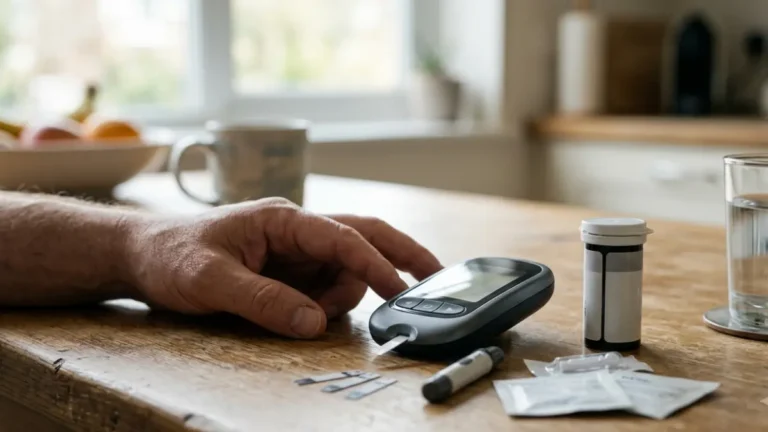
You cannot settle this by judgement. Check the meter. If you cannot, treat it as a low.
What to do before, during and after drinking
Three habits carry most of the protection.
Never drink on an empty stomach
Eat with the alcohol, not instead of it.
What counts as one drink
📊 Clinical Data Point: One US standard drink holds 14 grams of pure alcohol: 12 oz of 5% beer, 5 oz of 12% wine, or 1.5 oz of 40% spirits. Source: NIAAA (NIH), how much alcohol is too much.
A 16 oz craft pint at 7% is nearer two drinks than one.
The 2025–2030 Dietary Guidelines, released January 2026, dropped the old one-and-two-drinks-a-day limits. Federal guidance now says only to consume less.
Before you go to sleep
CDC advises eating when you drink and a snack before bed if you are at risk overnight. Bedtime targets are individual; ask your care team.
When to stop managing it and call 911
Some situations stop being management problems.
The signs that mean emergency
Seizure, unconsciousness, or being unable to swallow safely means emergency services now. The severe hypoglycemia emergency guide covers the threshold.
Why glucagon may not be enough
Glucagon tells the liver to release stored glucose. FDA labeling states it works only when sufficient liver glycogen is present.
⚠️ Clinical Warning: US labeling does not name recent drinking there. Alcohol-related lows often happen when stores are low and glucose production is suppressed, so glucagon may be less reliable. Give the rescue dose anyway and call 911.
Alcohol and blood sugar: common questions
1. Does alcohol raise or lower blood sugar?
Both. Carbohydrate in beer and mixers raises it first, then the liver effect pulls blood sugar down.
2. How long after drinking can blood sugar drop?
Published windows run from roughly 8 to 24 hours. Plan for the whole night and morning.
3. Why does alcohol lower blood sugar?
Your liver prioritises clearing alcohol and slows new glucose production, so the steadying supply drops.
4. Can alcohol cause a low overnight?
Yes. CDC lists night drinking among causes of overnight lows. A monitor can alarm while you sleep.
5. Which medicines raise the risk?
Insulin and sulfonylureas, which lower glucose directly. Ask your prescriber how alcohol affects your regimen.
6. Can you drink alcohol if you use insulin?
Many people do, with planning. Whether it is safe for you is your prescriber’s decision.
7. Do beer and wine raise blood sugar first?
Often yes, from carbohydrate content. The later drop still follows, so an early reading misleads.
8. How do you tell a low from being drunk?
Frequently you cannot. Slurred speech, confusion and unsteadiness look identical. Check the meter instead of guessing.
9. Does glucagon still work after drinking?
It may work less reliably, since it needs stored liver glucose. Give it anyway and call 911.
10. Check blood sugar before bed?
Yes, after drinking that check matters most. Targets are individual, so ask your diabetes team.
11. Low blood sugar without diabetes?
Yes, mainly when drinking replaces food for a long stretch and stored glucose runs out.
The one thing to remember
The low arrives later than the drink, which makes the check before you sleep the one that counts. Eat while you drink, set an overnight alert, and tell one person you have been drinking.
About this content
How this article was put together: researched from recognised health sources, drafted with the help of AI tools, and edited by hand, with sources linked throughout.

Sameer Patel is the founder and editor of My Medicine Advisor. He is not a doctor or medical professional — before starting this site he worked in banking,…
Medical disclaimer
The content on MyMedicineAdvisor is provided for general informational and educational purposes only and is not a substitute for professional medical advice, diagnosis, or treatment. Health information on this website should not be used to diagnose, treat, cure, or prevent any condition without guidance from a qualified healthcare professional. Always seek the advice of your doctor, physician, or another licensed healthcare provider with any questions you may have regarding a medical condition, symptoms, medications, or treatment decisions.