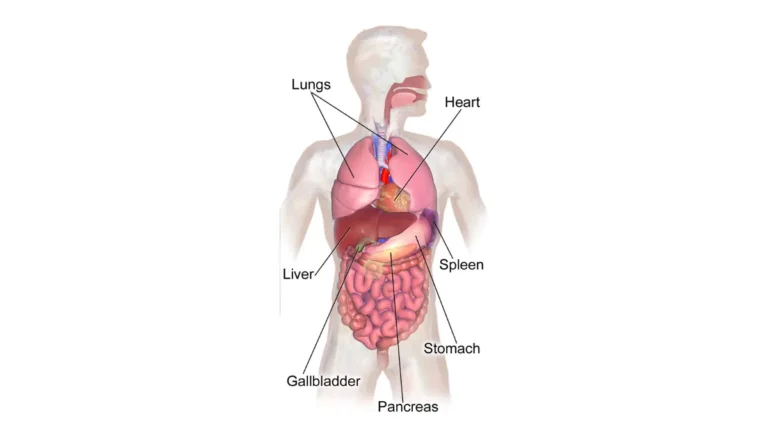
What End-Stage Pancreatic Cancer Means and What Comes Next
End-stage pancreatic cancer means the disease has spread beyond the pancreas. Here's what symptoms, the final days, and hospice support really look like.


Sameer Patel is the founder and editor of My Medicine Advisor. He is not a doctor or medical professional — before starting this site he worked in banking, and he now researches and edits health information full-time.
He started My Medicine Advisor to make clear, well-sourced health information freely available to anyone. Every article is researched from recognised authorities such as the WHO, CDC, NIH, and NICE, drafted with the help of AI tools, and edited by hand, with sources linked so readers can check them. The calculators on the site use established, published formulas, each one named so you can look it up yourself.
My Medicine Advisor is currently a one-person operation with no clinical review panel, and the site is open about that. If you're a qualified clinician or researcher interested in reviewing content, Sameer would genuinely like to hear from you via the contact page.
End-stage pancreatic cancer means the disease has spread beyond the pancreas. Here's what symptoms, the final days, and hospice support really look like.
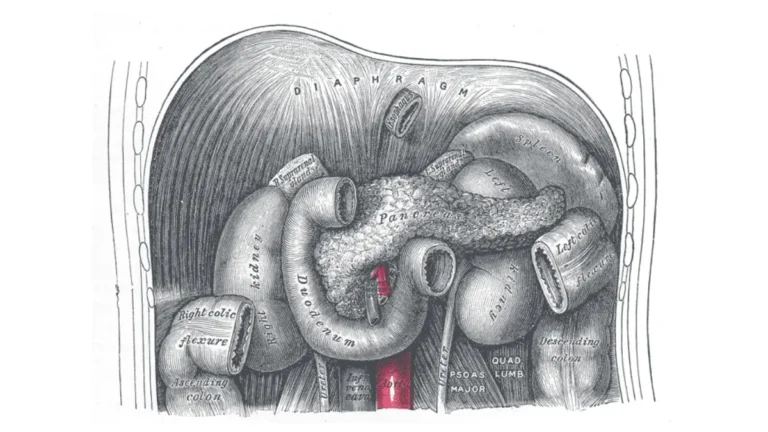
How fast pancreatic cancer grows surprises people: genomic studies trace ~15 silent years before it can spread—which is why it's so often caught late.
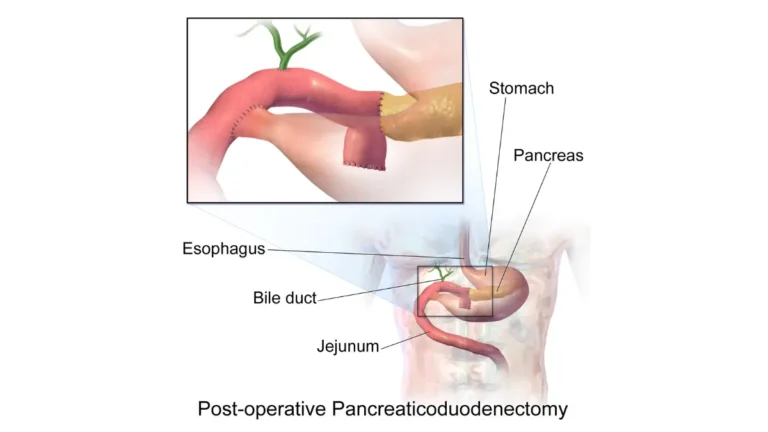
Resectable or unresectable pancreatic cancer isn't about spread alone—it's whether the tumor encases key vessels. Only 15–20% are operable.

Heat exhaustion and heat stroke can look alike in the first minutes — but one becomes a life-threatening emergency.
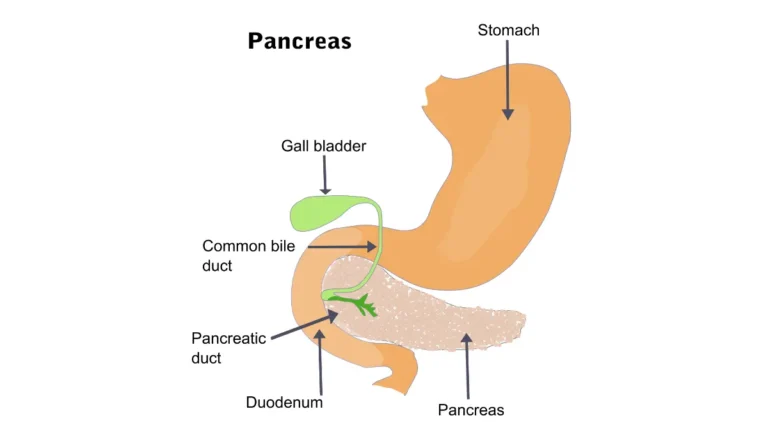
Stage 4 pancreatic cancer life expectancy is sobering, but the numbers are averages, not your future — and new RAS-targeted drugs are shifting it.
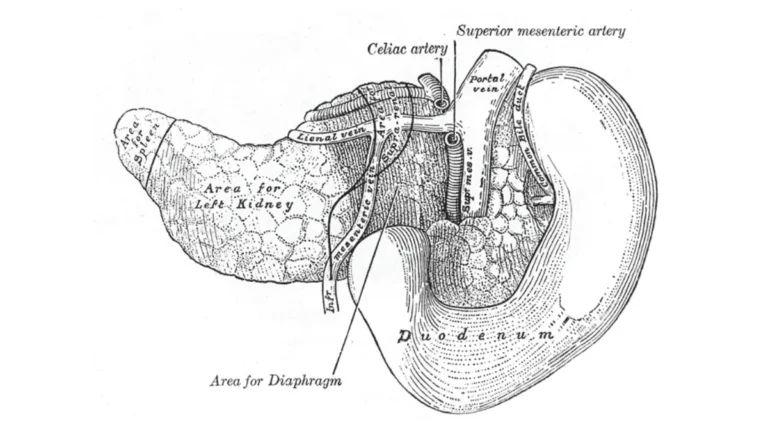
Pancreatic cancer stages run 0 to IV, but the number alone doesn't decide treatment—resectability does. What each stage really means for your options.
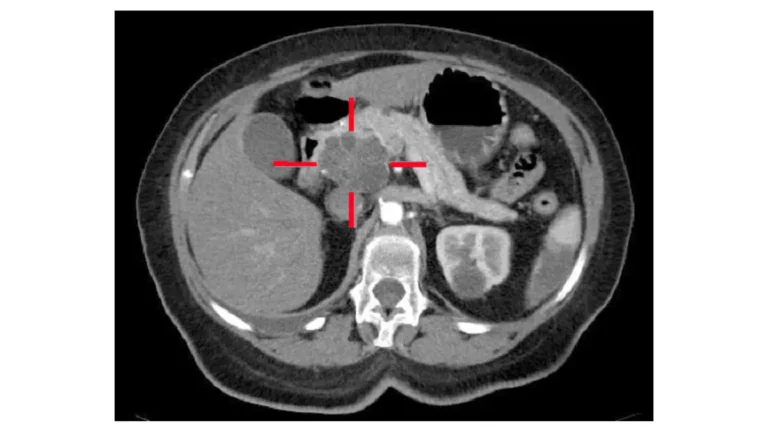
Pancreatitis and pancreatic cancer share symptoms, but only one is a tumor—and one can mimic the other on a scan. Here's how doctors tell them apart.
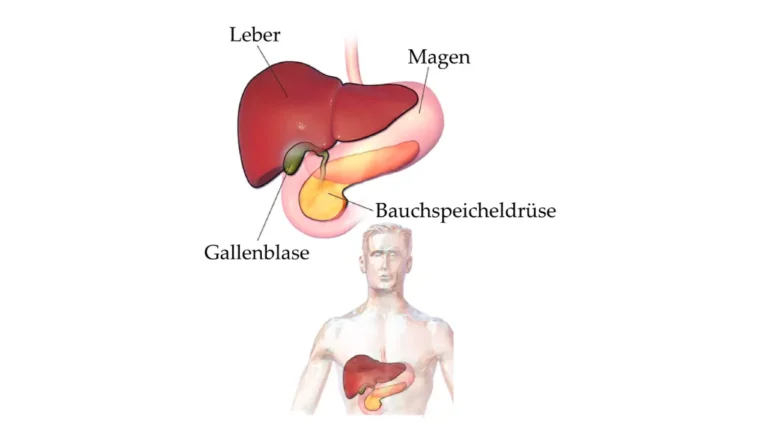
CA 19-9 isn't a yes-or-no cancer test. A high level often has a harmless cause, and 5–10% of people don't produce it at all—here's how to read yours.
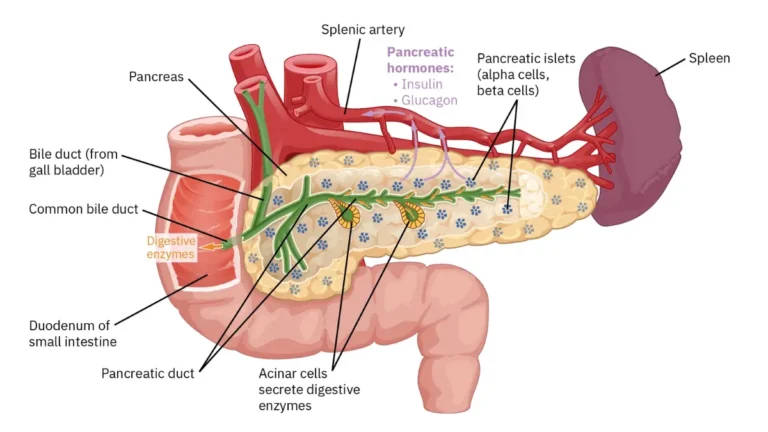
How is pancreatic cancer diagnosed? Rarely with one test: imaging, the CA 19-9 marker, and a biopsy work together to confirm it and guide care.
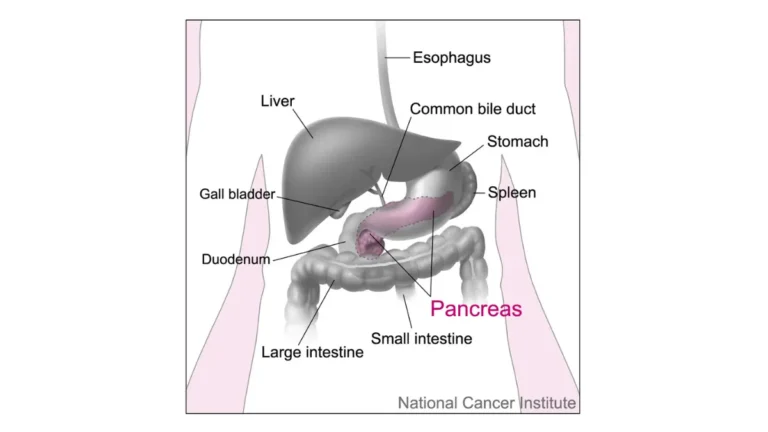
Pancreatic cancer weight loss isn't a willpower problem—it's driven by cachexia and lost digestive enzymes, which is why eating more rarely reverses it.