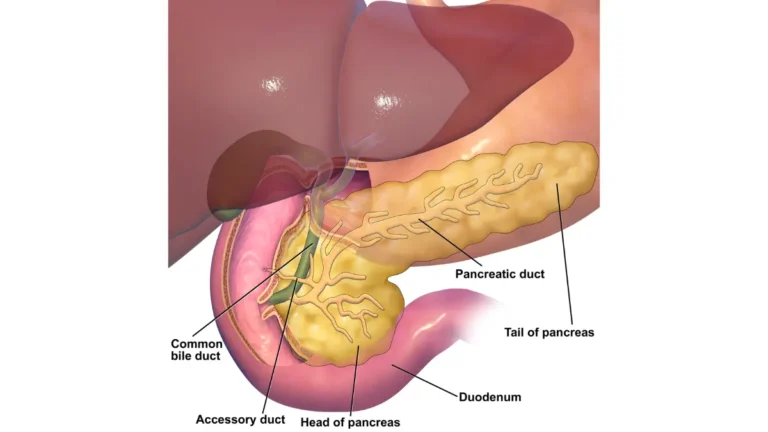
How New Diabetes After 50 Connects to Pancreatic Cancer
New-onset diabetes after 50 is rarely pancreatic cancer—about 99 in 100 are not. The combination to check is new diabetes plus weight loss.


Sameer Patel is the founder and editor of My Medicine Advisor. He is not a doctor or medical professional — before starting this site he worked in banking, and he now researches and edits health information full-time.
He started My Medicine Advisor to make clear, well-sourced health information freely available to anyone. Every article is researched from recognised authorities such as the WHO, CDC, NIH, and NICE, drafted with the help of AI tools, and edited by hand, with sources linked so readers can check them. The calculators on the site use established, published formulas, each one named so you can look it up yourself.
My Medicine Advisor is currently a one-person operation with no clinical review panel, and the site is open about that. If you're a qualified clinician or researcher interested in reviewing content, Sameer would genuinely like to hear from you via the contact page.
New-onset diabetes after 50 is rarely pancreatic cancer—about 99 in 100 are not. The combination to check is new diabetes plus weight loss.
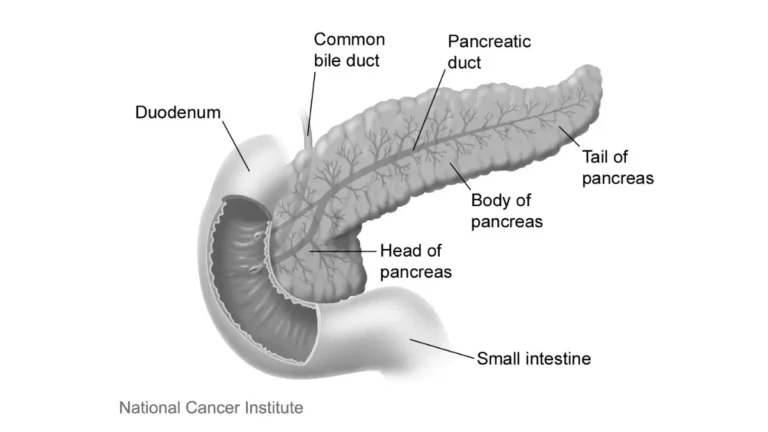
Jaundice and pancreatic cancer are often linked, but most jaundice isn't cancer. Learn the painless warning sign — and which symptoms mean the ER now.
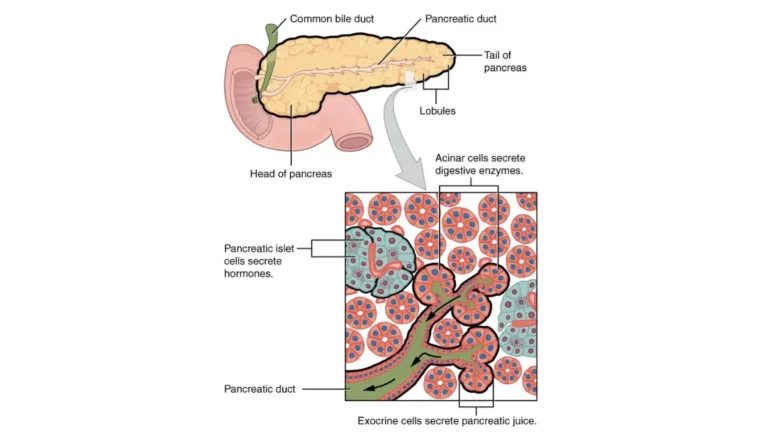
Pancreatic cancer pain often travels from the upper abdomen to the back — here's the anatomical reason why, and how to tell it from a simple backache.
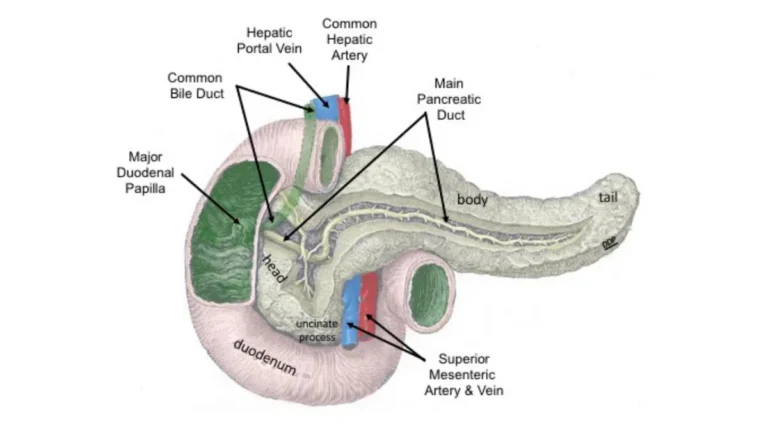
Pancreatic cancer symptoms in women match men's—but women often wait longer for a diagnosis. Here's what to watch for and why it's missed.
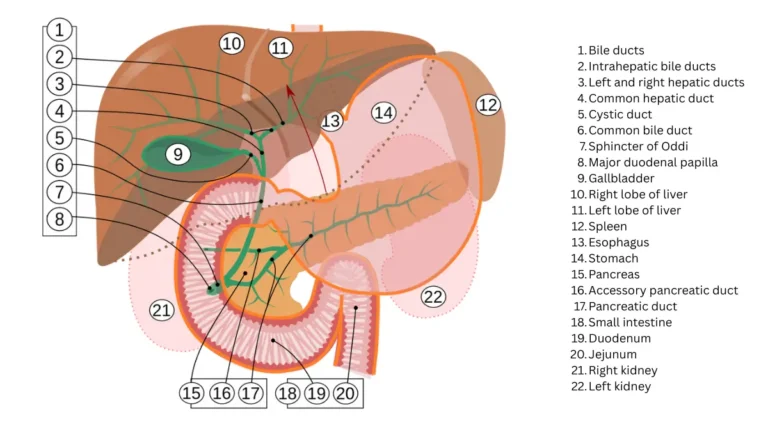
Early pancreatic cancer often hides—but a sudden diabetes diagnosis after 50 can be one overlooked clue worth taking to your doctor.
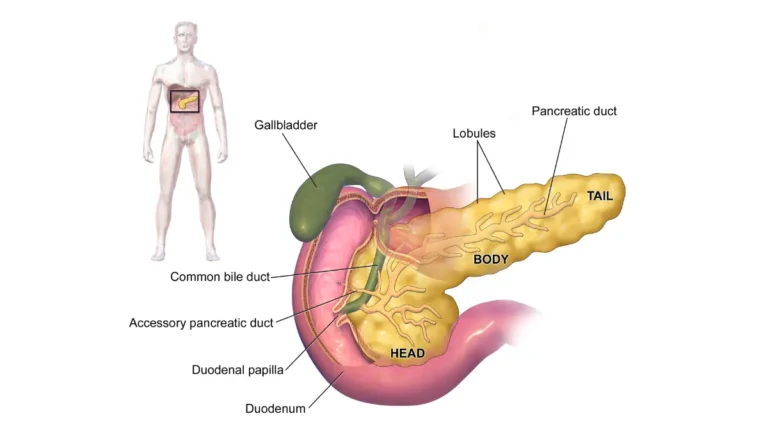
Pancreatic cancer carries a 13% five-year survival rate, yet stage at diagnosis shifts the outlook sharply — here's how it's staged and what treatment follows.
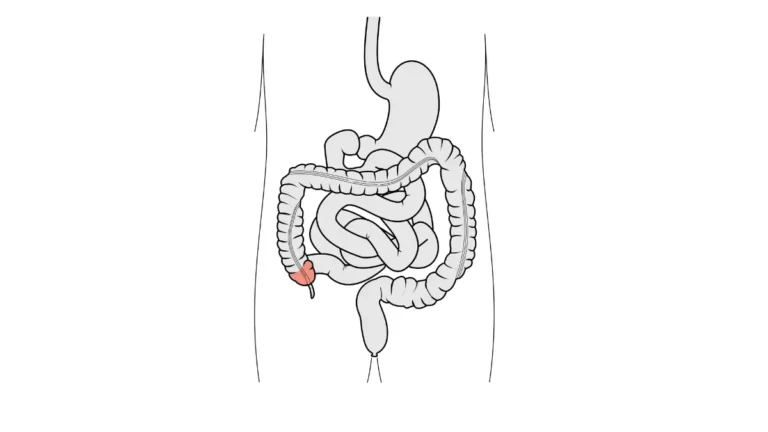
Helping a parent through colonoscopy prep means more than the diet—it's the split-dose timing, the meds to flag with their doctor, and the ride home.
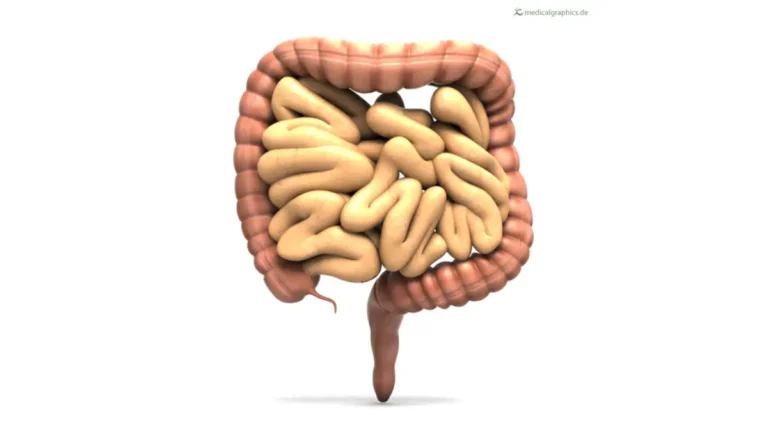
A colonoscopy ride home isn't optional after sedation: the patient can't drive for about 24 hours and needs a responsible adult to get them home safely.
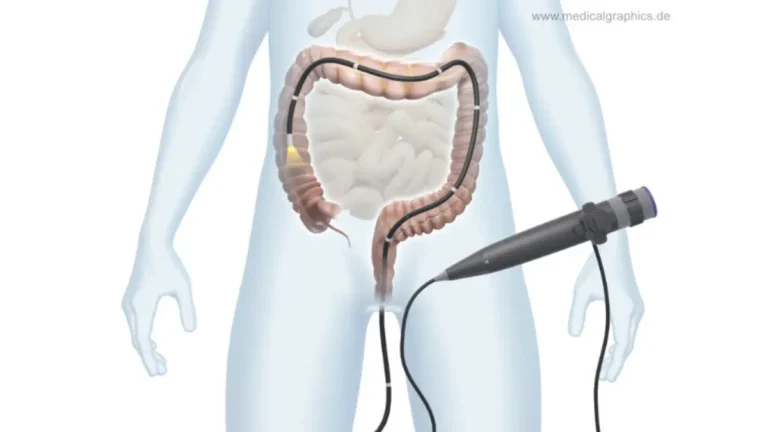
Family history of colon cancer can double your risk and move screening up to a decade earlier. Here's your start age by relative.
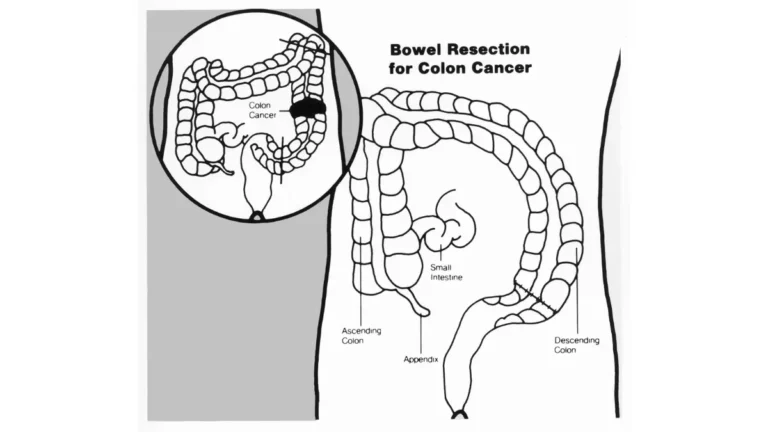
Colon cancer in young adults can hide until symptoms appear. In under-50s, rectal bleeding raised diagnosis odds 8.5×. Know the signs and screening age.