
On This Page – Quick Medical Summary
If you searched this because the whites of your eyes look a little yellow, the scale keeps dropping, or you were just told you have diabetes out of nowhere — first, take a breath. Most people with these symptoms do not have pancreatic cancer, and the early disease often causes no symptoms at all. But a few signs are genuinely worth a closer look, precisely because they are so easy to write off.
Here’s how to use this page. If you noticed a specific symptom, the next two sections explain which signs matter and why they get missed. If you’re over 50 and recently developed diabetes, skip to the section on that link. If a relative was diagnosed and you’re worried about your own risk, the risk and screening section is for you. If you’re caring for someone newly diagnosed, the survival section gives honest context. Wherever you start, the goal is the same: know what deserves a doctor’s visit, without panic.
ℹ️ Medical Disclaimer: This article is general health education, not medical advice, and does not diagnose disease, recommend treatment, or replace evaluation by a qualified clinician. The symptoms described here have many common, non-cancerous causes. No part of it should be used to self-diagnose, to start or stop a medication, or to decide for or against a procedure or screening test. If you have new, persistent, or worrying symptoms, contact your primary care physician or a board-certified gastroenterologist; if symptoms are severe or worsening quickly, seek urgent care.
Why pancreatic cancer’s early signs are so easy to miss
The hardest thing about catching this disease early isn’t carelessness — it’s biology. According to the National Cancer Institute, pancreatic cancer often causes no signs or symptoms in its early stages, and the symptoms it does eventually cause closely resemble those of many other, far more common illnesses.
The pancreas sits deep in the body
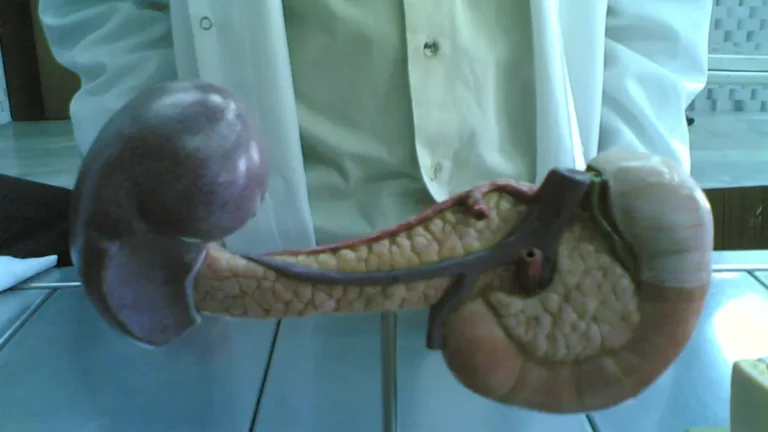
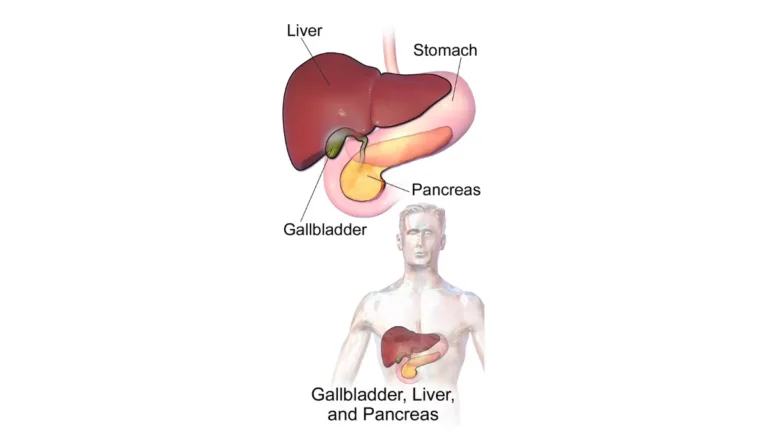
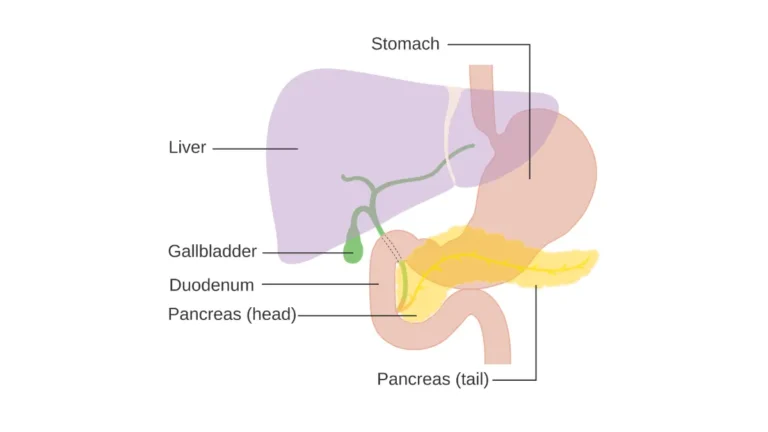
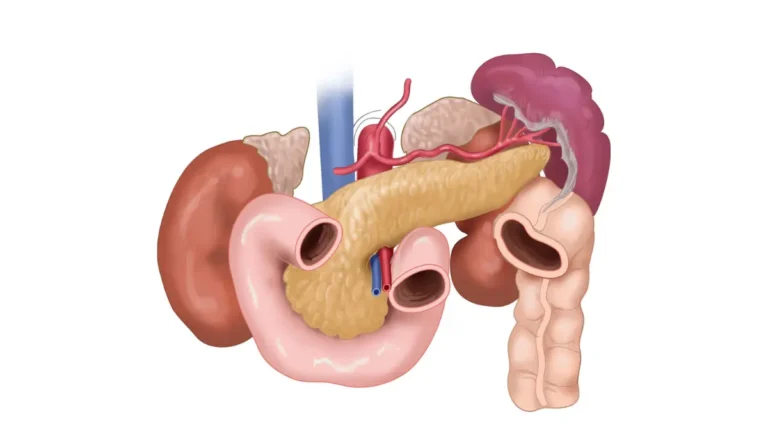
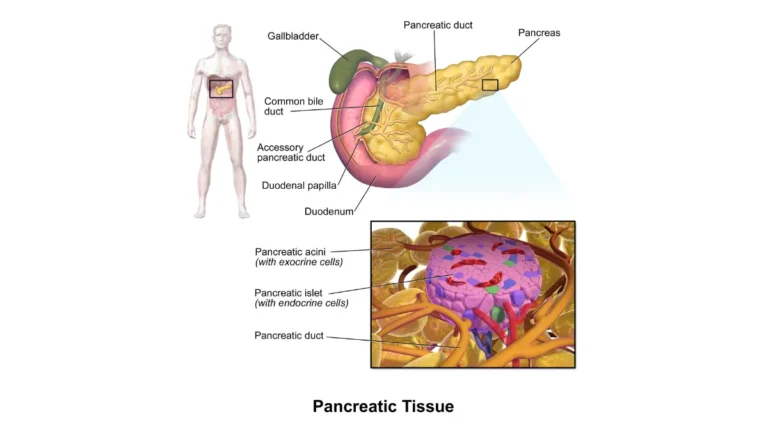
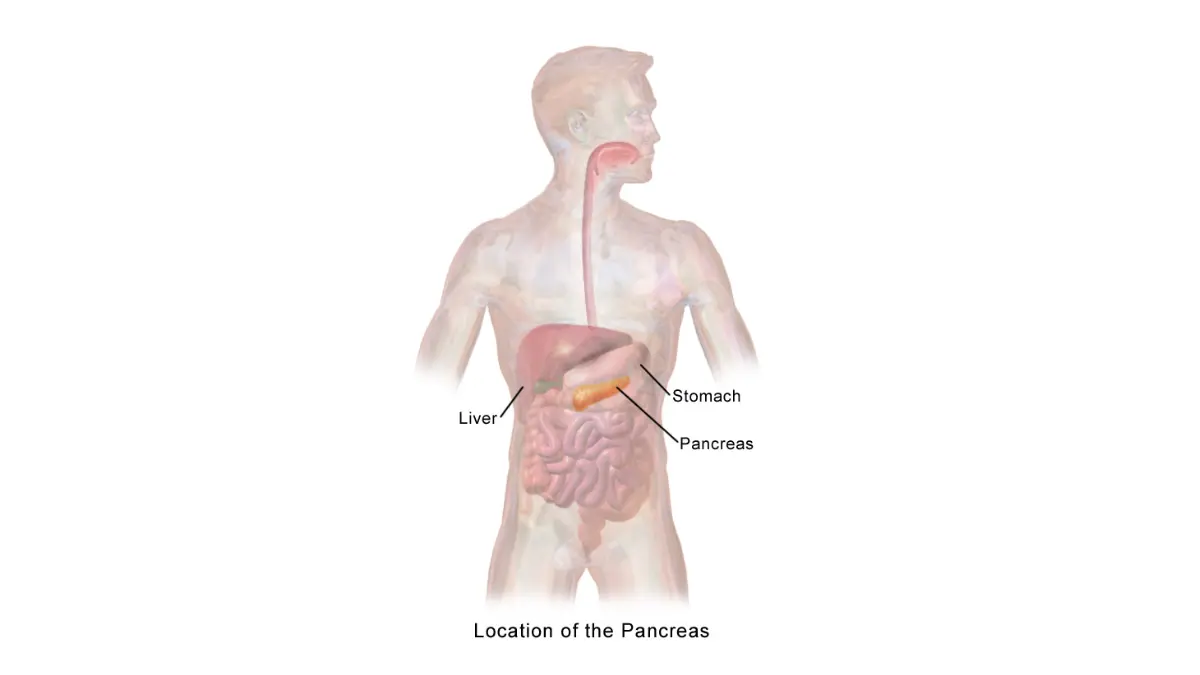
🔬 How It Works: The pancreas is a slim, six-inch gland tucked deep behind the stomach, against the spine. A small tumor there has plenty of room to grow before it presses on anything, blocks a duct, or produces a symptom you’d notice. That deep position is a big reason early tumors stay silent.
Early symptoms look like everyday problems
Indigestion, tiredness, a sore back, a few lost pounds — every one of these is something most adults experience for ordinary reasons. On their own, none of them points to cancer. That overlap is exactly why the early signs are so often attributed to stress, diet, or age.
Where the tumor sits changes what you feel
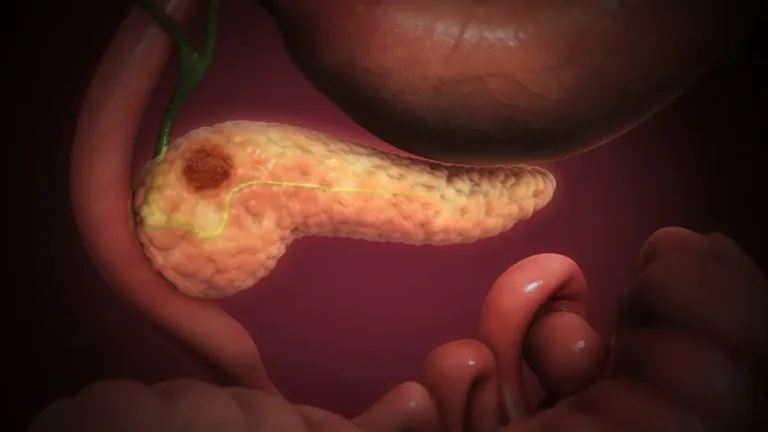
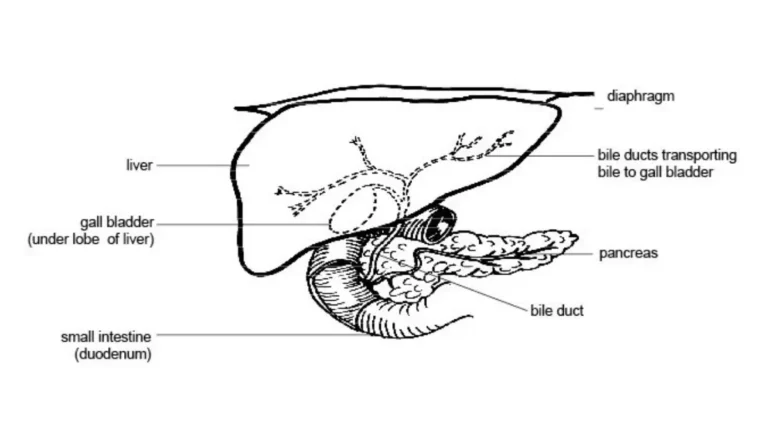
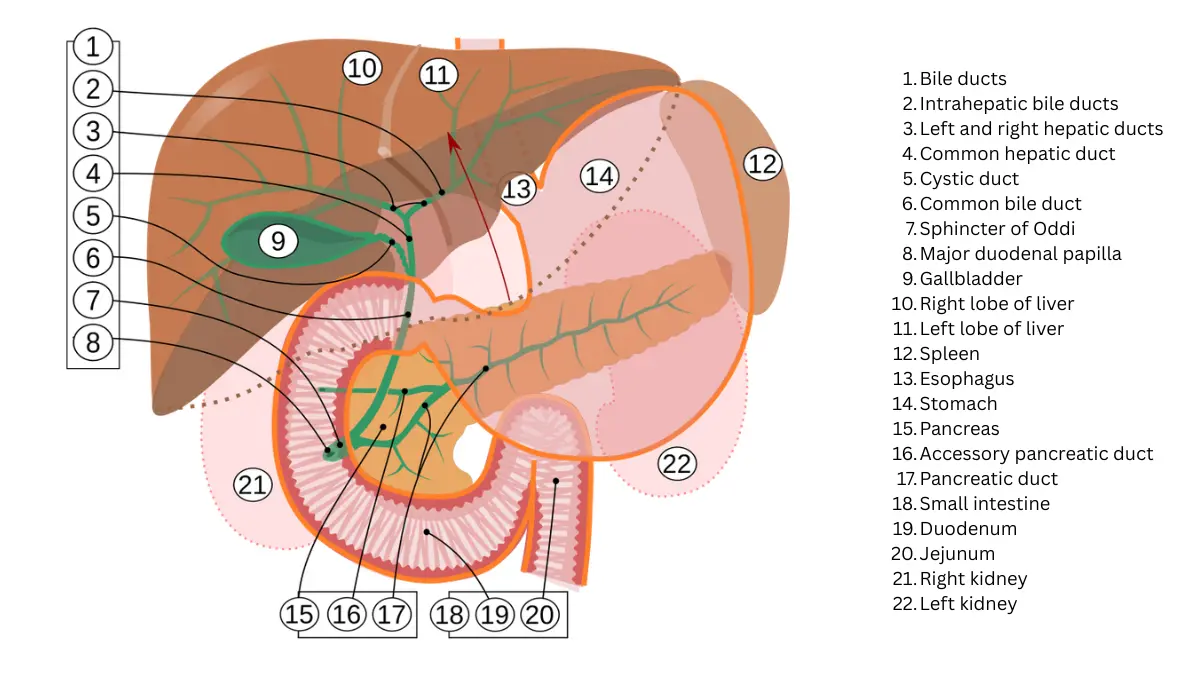
A tumor in the head of the pancreas can press on the bile duct and cause jaundice relatively early. A tumor in the body or tail tends to stay quiet longer, sometimes only causing pain or weight loss after it has grown — which is part of why those tumors are often found later.
The early signs of pancreatic cancer people overlook
When early pancreatic cancer does produce symptoms, they tend to be vague and easy to explain away. The signs below are worth knowing — but remember that each one is far more often caused by something benign than by cancer:
- Painless jaundice — yellowing of the whites of the eyes or the skin, often with dark urine or pale stools, when a tumor in the head of the pancreas blocks the bile duct. Many harmless conditions, such as gallstones, cause jaundice too — but it always needs a doctor’s look.
- Unexplained weight loss and appetite changes — dropping weight without trying, or feeling full quickly, when nothing about your diet or activity has changed.
- Persistent upper-abdominal or mid-back pain — a dull ache that sits deep, may worsen when lying down, and doesn’t ease with rest or over-the-counter remedies.
- Changes in stool — pale, greasy, foul-smelling stools that float, which can happen when the pancreas can’t deliver its digestive enzymes normally.
- Fatigue and digestive upset — ongoing tiredness, nausea, or bloating that has no obvious cause.
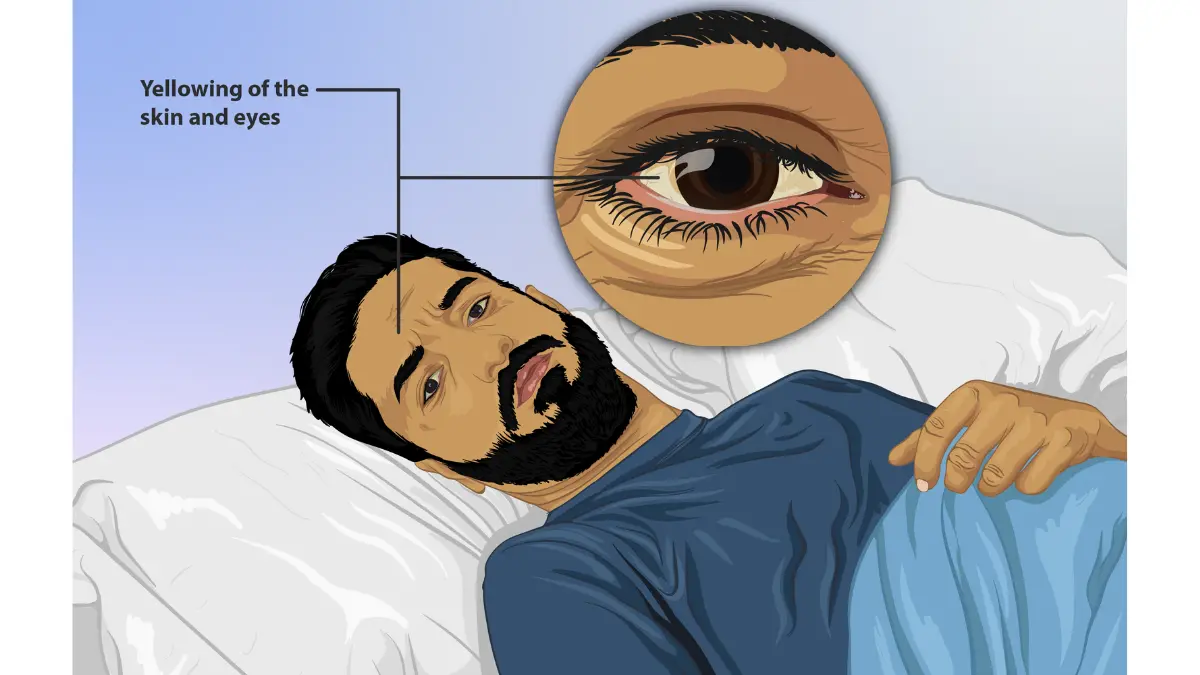
✅ Patient Action: If the whites of your eyes or your skin look yellow, book a visit with your primary care physician promptly — jaundice always warrants evaluation, and the cause is frequently a treatable condition rather than cancer.
For a fuller rundown of how these symptoms develop, see our companion guide to pancreatic cancer symptoms and warning signs. The National Cancer Institute’s patient overview of pancreatic cancer is also a reliable, plain-language reference.
New-onset diabetes: the warning sign most people miss
Of all the early signs, this is the one people rarely connect to the pancreas — yet it may be the most overlooked. The key fact to hold onto first: the vast majority of people who develop diabetes do not have pancreatic cancer. Diabetes is extremely common, and cancer is a rare cause of it.
🔬 How It Works: The pancreas makes insulin, the hormone that controls blood sugar. A tumor can interfere with the insulin-producing cells, which is why a pancreatic problem can sometimes show up first as a sudden rise in blood sugar rather than as pain.
When new diabetes is more worth a second look
Research summarized by the Pancreatic Cancer Action Network suggests that a sudden onset of type 2 diabetes after age 50 can occasionally be an early sign of pancreatic cancer — and the suspicion rises when it appears in someone with a low body weight, ongoing unexplained weight loss, or no family history of diabetes.
A sudden change in well-controlled diabetes
A different pattern is also worth noting: when someone whose diabetes has been stable for years suddenly loses control of their blood sugar for no clear reason. That shift, too, is something to mention to a clinician rather than simply adjust around.
✅ Patient Action: If you were recently diagnosed with diabetes after 50 — especially alongside weight loss — ask your clinician directly: “Given my age and weight changes, is there any reason to look at my pancreas?” If you’re tracking your glucose, our blood sugar converter can help you make sense of your numbers between visits.
When should you see a doctor about these symptoms?
Knowing the signs only helps if you know what to do with them. The aim here isn’t to diagnose yourself — it’s to recognize when a symptom is a reason to make an appointment rather than wait and watch.
Reasons to make an appointment
- Jaundice of any kind — yellowing eyes or skin always deserves prompt evaluation.
- Unexplained weight loss, a persistent deep stomach or back ache, or greasy, pale stools that don’t resolve.
- Any of these symptoms that last more than a week or two, and especially several of them occurring together.
What to bring to the visit
Write down when each symptom started, whether it’s getting worse, and any recent changes in weight, appetite, or blood sugar. That short timeline helps your clinician decide whether blood tests or imaging are worthwhile.
⚠️ Clinical Warning: Jaundice accompanied by fever, chills, or severe abdominal pain can signal a blocked bile duct that needs urgent attention — don’t wait on those symptoms; seek care promptly.
✅ Patient Action: At the appointment, ask: “Could these symptoms be evaluated for a digestive or pancreatic cause, and would blood work or a scan help?” To organize what you’re noticing beforehand, our symptom checker can help you prepare — it’s a preparation aid, not a diagnosis.
Who’s at risk, and the truth about screening
This is where a lot of online advice goes wrong by telling everyone to “get screened.” The honest picture is more specific, and it matters.
Risk factors that matter
Smoking, obesity, chronic pancreatitis, heavy alcohol use, older age, and new-onset diabetes all raise the risk of pancreatic cancer to some degree. A stronger driver is genetics: a significant family history or an inherited cancer syndrome. Still, most cases occur in people with no known family history at all.
Why there’s no routine screening for most adults
📊 Clinical Data Point: The U.S. Preventive Services Task Force recommends against screening for pancreatic cancer in adults at average risk who have no symptoms — a Grade D recommendation. Source: USPSTF, Pancreatic Cancer: Screening (final recommendation, 2019, reaffirming its 2004 position).
The reason is practical: the disease is uncommon in the general population, there’s no accurate, validated blood test or scan proven to catch it early in average-risk people, and screening everyone would cause more harm through false alarms than benefit. People with smoking, obesity, or new diabetes are still considered average-risk for this purpose.
What higher-risk individuals can do
The recommendation against screening does not apply to people at genuinely high risk — those with certain inherited genetic syndromes or a strong family history (such as two or more close relatives affected). They may be candidates for a surveillance program.
✅ Patient Action: If pancreatic cancer runs in your family, ask a genetics counselor or gastroenterologist: “Does my family history qualify me for a high-risk surveillance program?” Our genetic risk assessment tool can help you map your family history before that conversation. You can also read the USPSTF recommendation on pancreatic cancer screening in full.
Why catching it earlier matters: survival by stage
Numbers about this disease can be frightening, so read them with their context attached: these are population averages from past data, not a prediction for any one person.
📊 Clinical Data Point: When pancreatic cancer is found while still confined to the pancreas (localized), the 5-year relative survival is about 44% (SEER reports 43.6%); when it has spread to distant organs, it falls to roughly 3%. Only about 15% of cases are caught at that localized stage. Source: NCI SEER Cancer Stat Facts: Pancreatic Cancer (SEER 21, 2016–2022).
That wide gap between early and late is the whole reason awareness matters — not because most symptoms are cancer, but because acting on the few that warrant a look is the realistic lever a person has. Pancreatic cancer remains one of the leading causes of cancer death in the United States largely because it is so often found late.
These figures describe groups of people diagnosed years ago and don’t account for an individual’s age, overall health, tumor biology, or newer treatments. Your own situation is something only your care team can assess. You can review the underlying SEER pancreatic cancer survival statistics directly.
Frequently asked questions about early pancreatic cancer signs
1. Can you have pancreatic cancer for years and not know?
Early pancreatic cancer often causes no symptoms because the gland sits deep in the body, so a tumor can grow for a while before it’s noticed. When signs do appear, they resemble common conditions. This is a major reason the disease is frequently found at a later stage.
2. Is back pain a sign of pancreatic cancer?
It can be, but back pain has countless ordinary causes and is rarely cancer. The type linked to pancreatic cancer tends to be a deep, persistent mid-back ache that may worsen lying down and doesn’t ease with rest. Persistent, unexplained back pain is worth discussing with your clinician.
3. What does pancreatic cancer jaundice look like?
It’s a yellowing of the whites of the eyes and skin, often with dark urine and pale stools, and it’s typically painless. It happens when a tumor in the head of the pancreas blocks the bile duct. Many benign conditions cause jaundice too, but any yellowing needs prompt medical evaluation.
4. Can new-onset diabetes really mean pancreatic cancer?
Almost always, new diabetes is just diabetes — cancer is a rare cause. But a sudden onset of type 2 diabetes after age 50, especially with weight loss or no family history, can occasionally be an early sign worth mentioning to a clinician. Raise it at your next appointment.
5. Can a blood test detect pancreatic cancer early?
There is currently no accurate, validated blood test proven to screen for pancreatic cancer in people without symptoms. Tests like CA 19-9 are used during diagnosis and treatment monitoring, not for early screening. Discuss any specific testing with your clinician, who can advise based on your situation.
6. Who is most at risk for pancreatic cancer?
Risk is higher with smoking, obesity, chronic pancreatitis, older age, new-onset diabetes, and — most significantly — a strong family history or inherited genetic syndrome. That said, most people diagnosed have no known family history. Knowing your own risk factors helps you and your clinician decide what’s appropriate.
7. Should I get screened for pancreatic cancer?
For adults at average risk with no symptoms, the USPSTF recommends against screening, because no proven early test exists and the harms outweigh the benefits. People with a strong family history or genetic syndrome are different and may qualify for surveillance. Ask a specialist whether your history puts you in that group.
8. How quickly does pancreatic cancer progress?
This varies a great deal from person to person and depends on the tumor’s type and biology, so there’s no single timeline. What’s consistent is that earlier-stage disease is associated with better survival than later-stage disease. Any persistent, unexplained symptoms are best evaluated sooner rather than later by a clinician.
9. What’s the survival rate if pancreatic cancer is caught early?
When caught while still localized to the pancreas, the 5-year relative survival is about 44%, compared with roughly 3% once it has spread to distant organs. These are population averages from past data, not individual predictions. Your care team can give context specific to your situation.
10. What questions should I ask my doctor?
Ask what could be causing your specific symptoms, whether blood work or imaging would help, and — if you have a family history — whether you qualify for high-risk surveillance. Bring a written timeline of your symptoms and any weight or blood-sugar changes. Specific questions lead to more useful answers.
11. Does pancreatic cancer run in families?
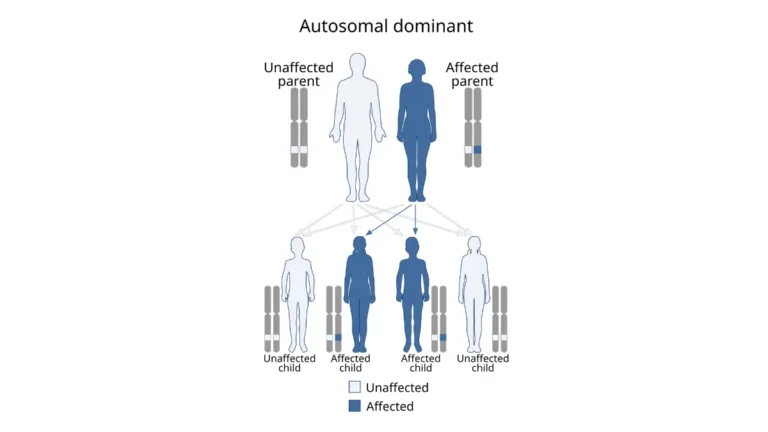
It can. Most cases occur in people with no family history, but a minority are linked to familial pancreatic cancer or inherited genetic syndromes. Having two or more close relatives with the disease raises concern. A genetics counselor can assess whether your history warrants testing or surveillance.
The bottom line on spotting pancreatic cancer early
If you take one thing from this page, let it be balance. The symptoms here — yellowing eyes, unexplained weight loss, deep back pain, a sudden new diabetes diagnosis — are usually caused by something other than cancer, and early pancreatic cancer frequently causes nothing at all. That’s not a reason to ignore them; it’s a reason to get the few that warrant a look checked without spiraling.
Because there’s no screening test for people at average risk, awareness and prompt evaluation are the real tools you have. Pay attention to new-onset diabetes after 50 and to painless jaundice in particular, and bring anything persistent to a clinician. For the complete picture of this disease, from first signs through treatment, see our full guide to understanding pancreatic cancer.
About this content
How this article was put together: researched from recognised health sources, drafted with the help of AI tools, and edited by hand, with sources linked throughout.

Sameer Patel is the founder and editor of My Medicine Advisor. He is not a doctor or medical professional — before starting this site he worked in banking,…
Medical disclaimer
The content on MyMedicineAdvisor is provided for general informational and educational purposes only and is not a substitute for professional medical advice, diagnosis, or treatment. Health information on this website should not be used to diagnose, treat, cure, or prevent any condition without guidance from a qualified healthcare professional. Always seek the advice of your doctor, physician, or another licensed healthcare provider with any questions you may have regarding a medical condition, symptoms, medications, or treatment decisions.