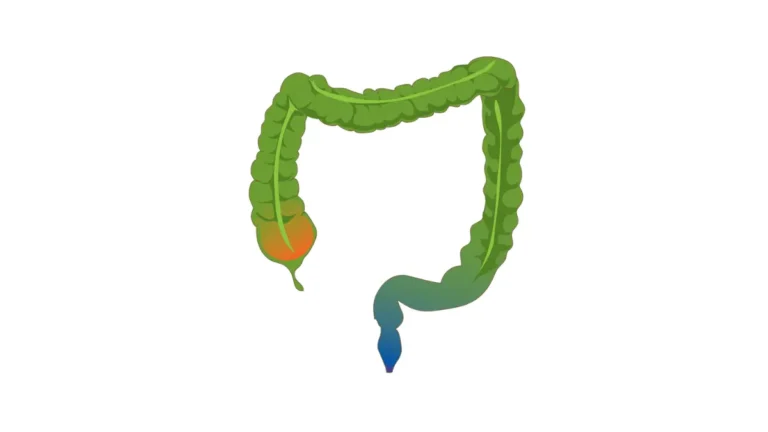
How to Get a Colonoscopy Without Insurance You Can Afford
Uninsured and need a colonoscopy? Free community health centers, state programs, and low-cost at-home tests can get you screened—here's how to start today.


Sameer Patel is the founder and editor of My Medicine Advisor. He is not a doctor or medical professional — before starting this site he worked in banking, and he now researches and edits health information full-time.
He started My Medicine Advisor to make clear, well-sourced health information freely available to anyone. Every article is researched from recognised authorities such as the WHO, CDC, NIH, and NICE, drafted with the help of AI tools, and edited by hand, with sources linked so readers can check them. The calculators on the site use established, published formulas, each one named so you can look it up yourself.
My Medicine Advisor is currently a one-person operation with no clinical review panel, and the site is open about that. If you're a qualified clinician or researcher interested in reviewing content, Sameer would genuinely like to hear from you via the contact page.
Uninsured and need a colonoscopy? Free community health centers, state programs, and low-cost at-home tests can get you screened—here's how to start today.
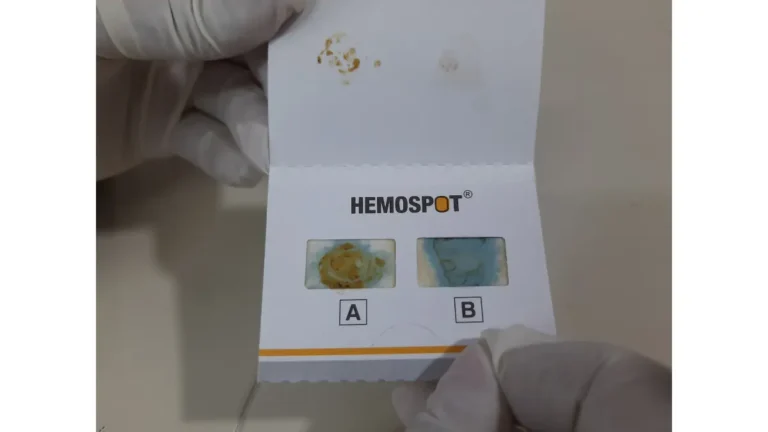
A positive Cologuard isn't a cancer diagnosis—but you do need a colonoscopy, and since 2023 it's covered with no cost-sharing. Here's what that means.
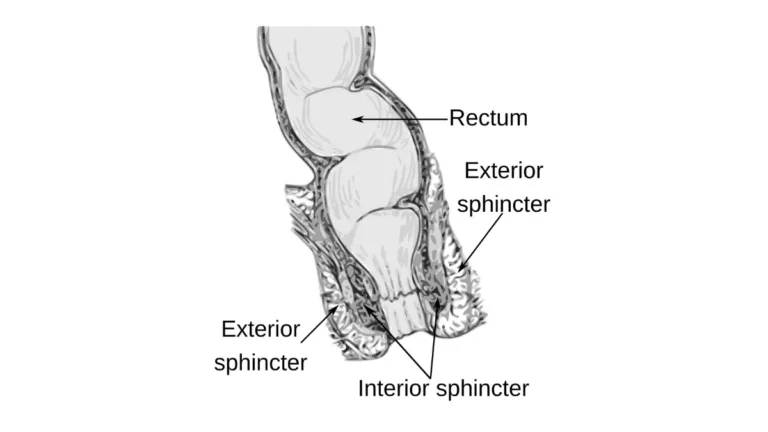
Is a colonoscopy free? For most insured adults a screening is $0 — a bill appears only when it's recoded diagnostic or Medicare's polyp rule applies.
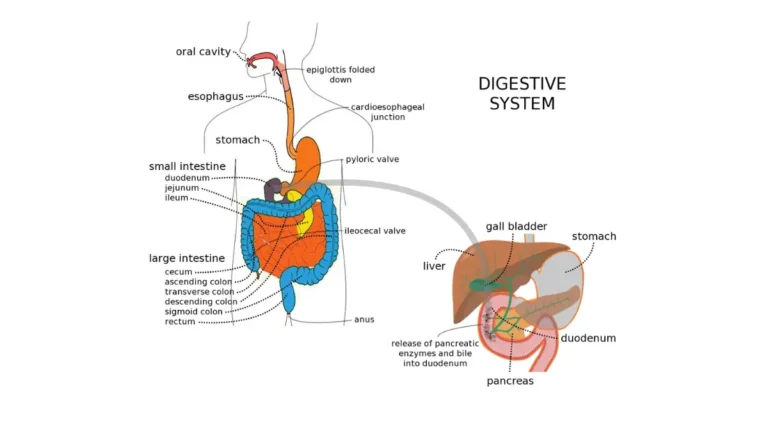
Colonoscopy cost turns on one word: 'screening' or 'diagnostic.' Screening is often $0 with insurance; a polyp can change that on Medicare.
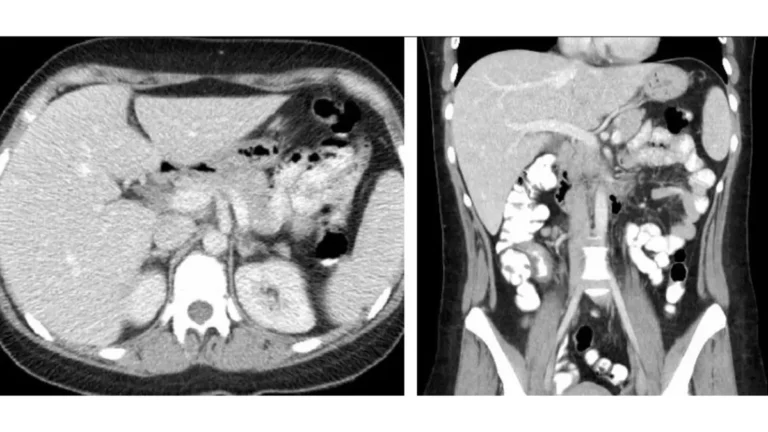
A virtual colonoscopy skips sedation and, since 2025, is Medicare-covered—yet a positive result still means a follow-up scope. The honest trade-off.

The Shield blood test screens for colon cancer from a blood draw, but detects far less precancer than a colonoscopy, which removes polyps as it finds them.
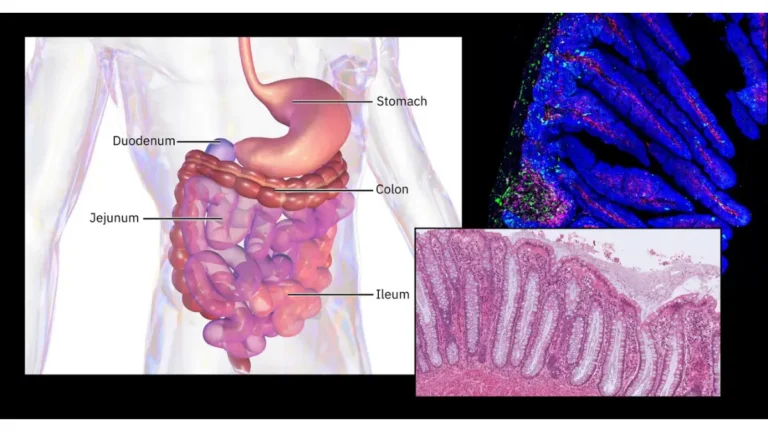
Colonoscopy vs. FIT test hinges on one fact: a FIT finds most colon cancers but few precancerous polyps — a colonoscopy removes them in one visit.
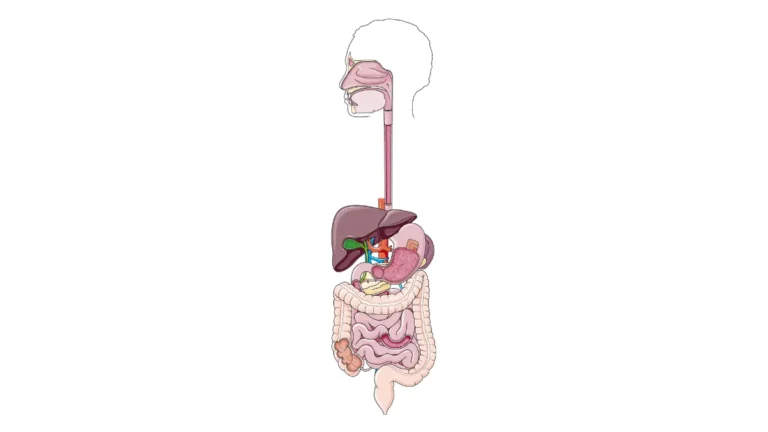
Cologuard vs. colonoscopy isn't only about accuracy — it's about what each test can do. One removes precancerous polyps; the other only detects them.
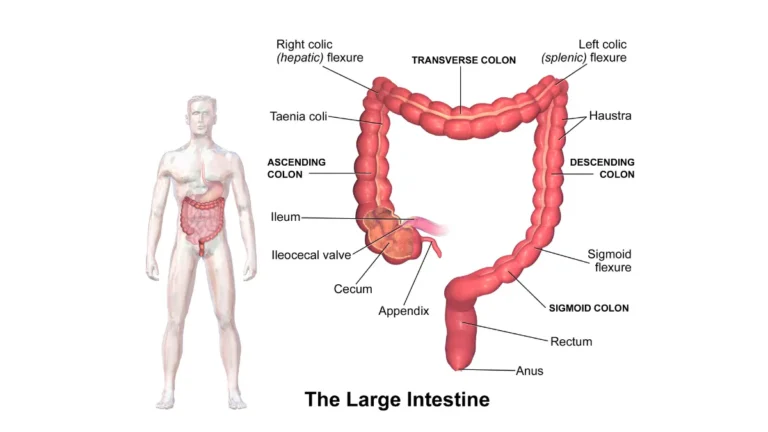
Colonoscopy after 75 isn't automatic: major guidelines screen ages 76–85 selectively, weighing your health and 10-year outlook over your age alone.
Colon cancer symptoms are easy to dismiss—yet it's now the top cause of cancer death in U.S. adults under 50. Here's when to act.