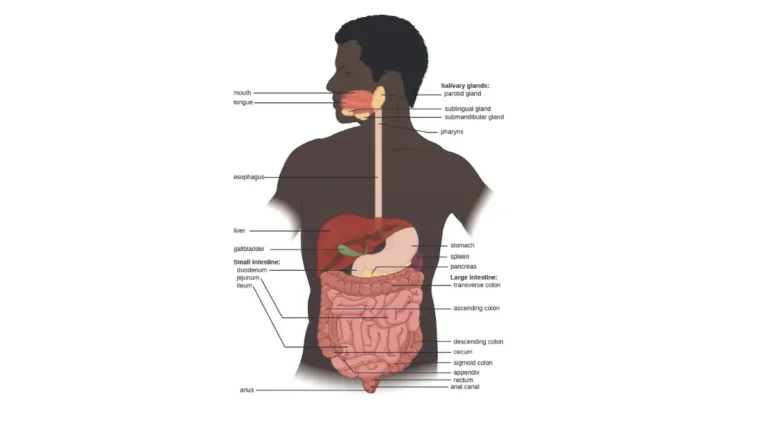
How to Prepare for a Colonoscopy, Start to Finish
Preparing for a colonoscopy is mostly about timing: a clear-liquid day, split-dose prep, and a ride you arrange ahead. Here's the full day-by-day plan.


Sameer Patel is the founder and editor of My Medicine Advisor. He is not a doctor or medical professional — before starting this site he worked in banking, and he now researches and edits health information full-time.
He started My Medicine Advisor to make clear, well-sourced health information freely available to anyone. Every article is researched from recognised authorities such as the WHO, CDC, NIH, and NICE, drafted with the help of AI tools, and edited by hand, with sources linked so readers can check them. The calculators on the site use established, published formulas, each one named so you can look it up yourself.
My Medicine Advisor is currently a one-person operation with no clinical review panel, and the site is open about that. If you're a qualified clinician or researcher interested in reviewing content, Sameer would genuinely like to hear from you via the contact page.
Preparing for a colonoscopy is mostly about timing: a clear-liquid day, split-dose prep, and a ride you arrange ahead. Here's the full day-by-day plan.
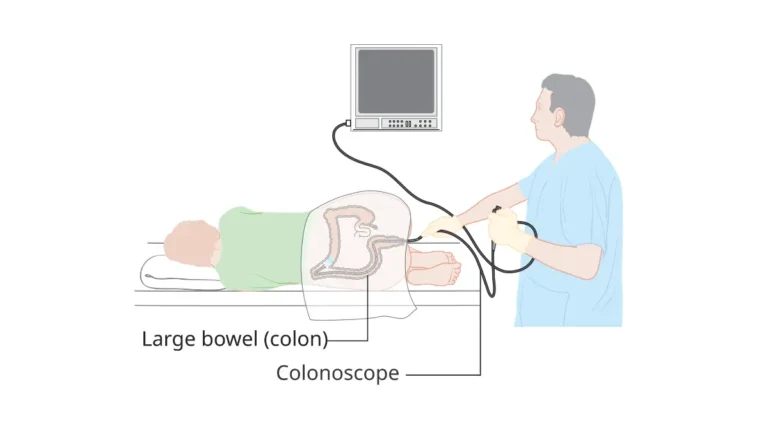
By the end of this guide you'll know which colorectal screening test fits your situation, exactly how to prepare for a colonoscopy, and what your results actually mean. You'll also understand what it should cost—and how to avoid a surprise bill on a screening that's supposed to be free.
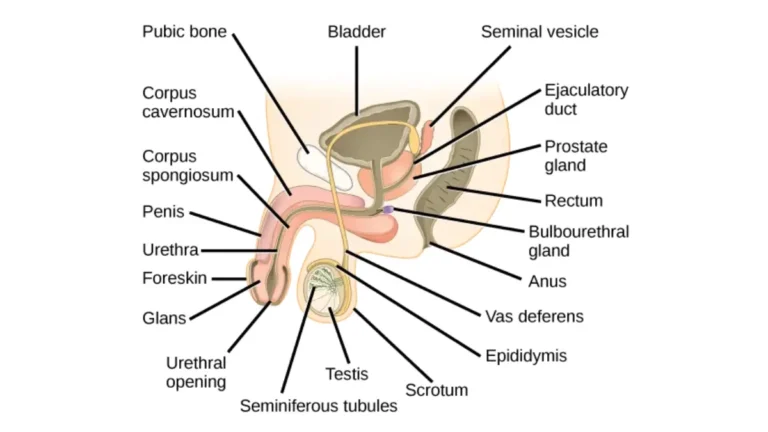
Prostate cancer risk by state makes headlines, but rankings mislead. D.C. and Mississippi top death rates—here's what really shapes your risk.
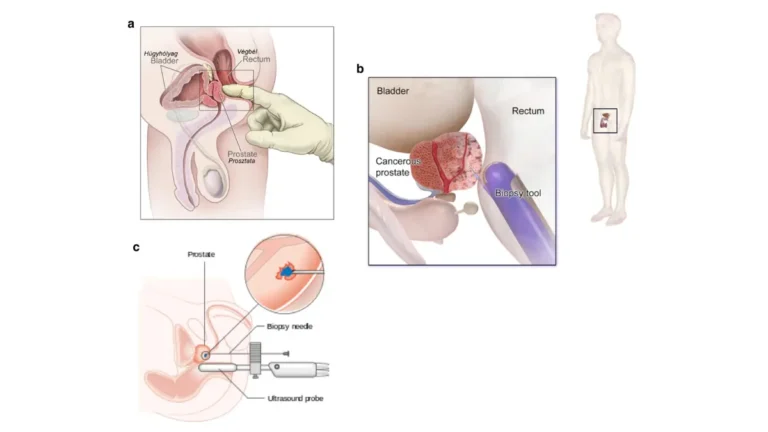
Prostate cancer clinical trials span every stage, not only advanced disease. Learn where to search, who qualifies, and the truth about placebos.
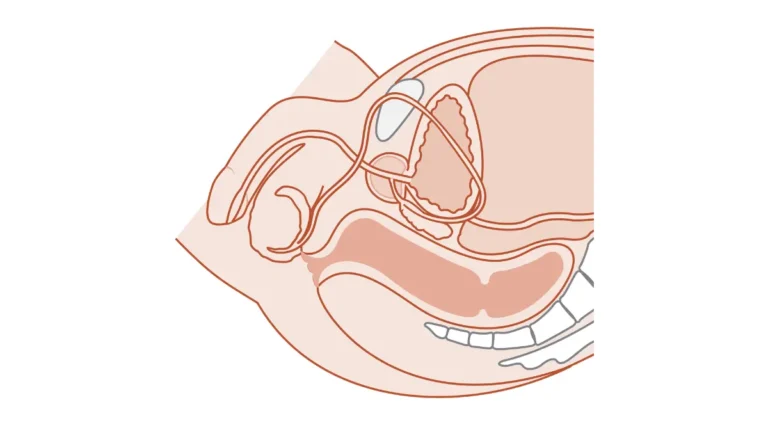
A prostate cancer caregiver helps with incontinence, intimacy, and tough choices—and most men regain bladder control within two years. Start here.
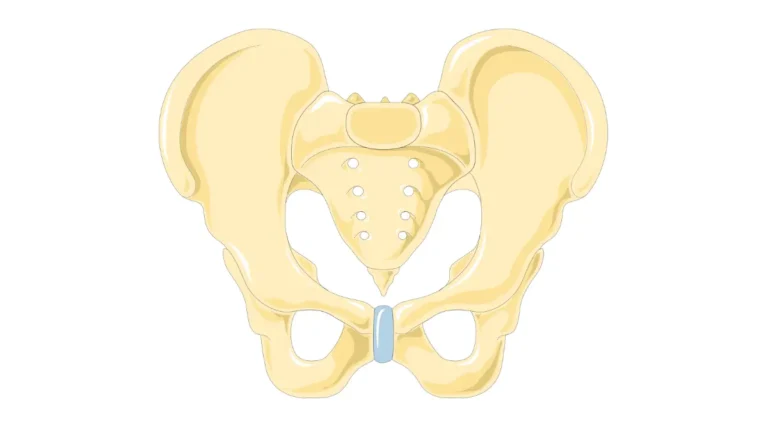
Prostate cancer side effects are common but manageable—fatigue affects roughly 40% of men, and pain usually points to something treatable.
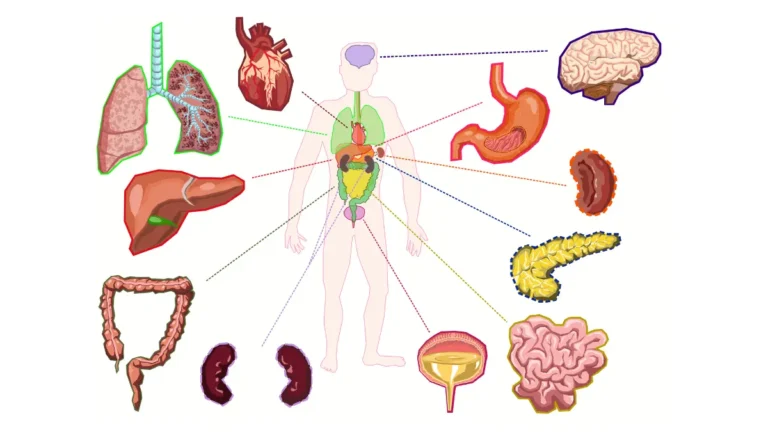
Prostate cancer under 50 is rare and often silent, so family history—not symptoms—is the real early warning. Here's what younger men should know.
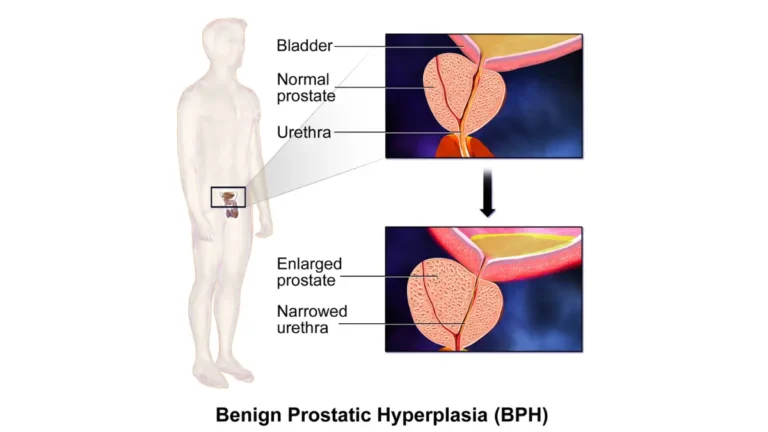
Enlarged prostate or prostate cancer? Both can cause urinary symptoms, yet one is benign and never raises your cancer risk. Here's how the two truly differ.
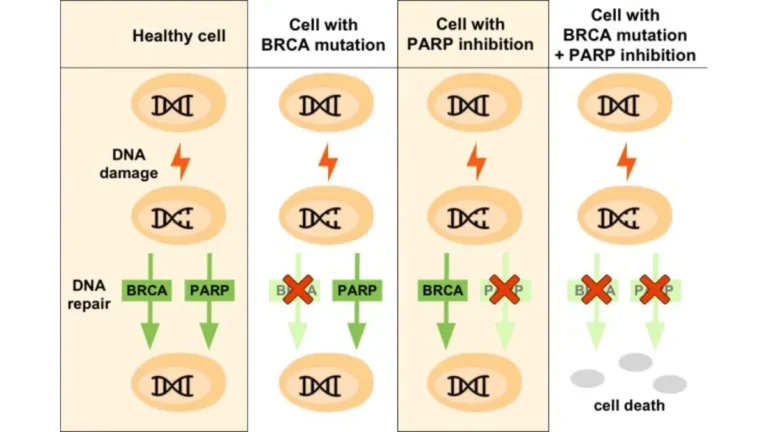
BRCA prostate cancer can change everything from screening to treatment—BRCA2 carries the highest risk, and a mutation may open targeted PARP therapy.
A prostate cancer diet works through your overall pattern and weight, not any single food — and some supplements can do more harm than good.