
What to Know About a High PSA That Isn’t Cancer
A high PSA on its own doesn't mean cancer. BPH, infection, recent exercise, and finasteride can all raise it—and many elevations settle on a repeat test.


Sameer Patel is the founder and editor of My Medicine Advisor. He is not a doctor or medical professional — before starting this site he worked in banking, and he now researches and edits health information full-time.
He started My Medicine Advisor to make clear, well-sourced health information freely available to anyone. Every article is researched from recognised authorities such as the WHO, CDC, NIH, and NICE, drafted with the help of AI tools, and edited by hand, with sources linked so readers can check them. The calculators on the site use established, published formulas, each one named so you can look it up yourself.
My Medicine Advisor is currently a one-person operation with no clinical review panel, and the site is open about that. If you're a qualified clinician or researcher interested in reviewing content, Sameer would genuinely like to hear from you via the contact page.
A high PSA on its own doesn't mean cancer. BPH, infection, recent exercise, and finasteride can all raise it—and many elevations settle on a repeat test.

A PSA test result means different things at 45 than at 70. See what's normal by age, what counts as high, and why one high reading rarely means a biopsy.

Your Gleason score grades prostate cancer from 6 to 10—but a 7 isn't one thing, and the score alone doesn't predict survival. Here's what it really means.

Stage 4 prostate cancer is treatable, not curable, and its survival rate is higher than older figures suggest. Here's what the numbers mean for you.

Prostate cancer stages range from 1 to 4, set by how far it has spread, your PSA, and your Grade Group. Here's what your stage really means.

Early signs of prostate cancer are easy to miss—because there usually aren't any. Here's what doctors actually check, and when screening makes sense.

Early prostate cancer is usually silent, so screening matters more than symptoms. A urologist explains the urinary signs and who should test at 45.
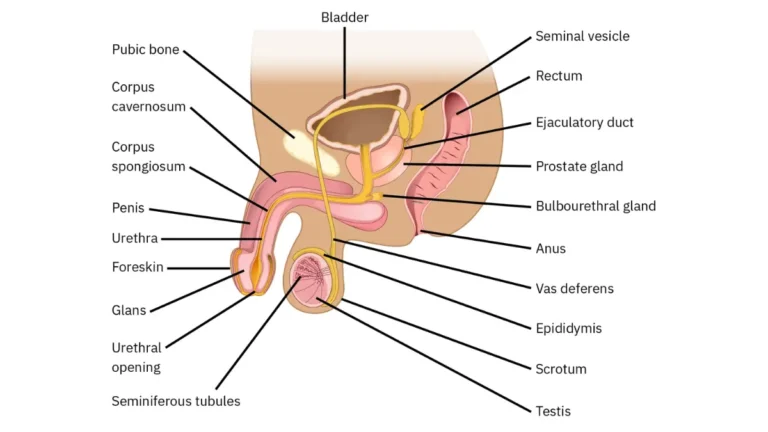
Most prostate cancer is slow-growing, and caught early its 5-year survival nears 100%—yet the hardest choice is often whether to treat it at all.
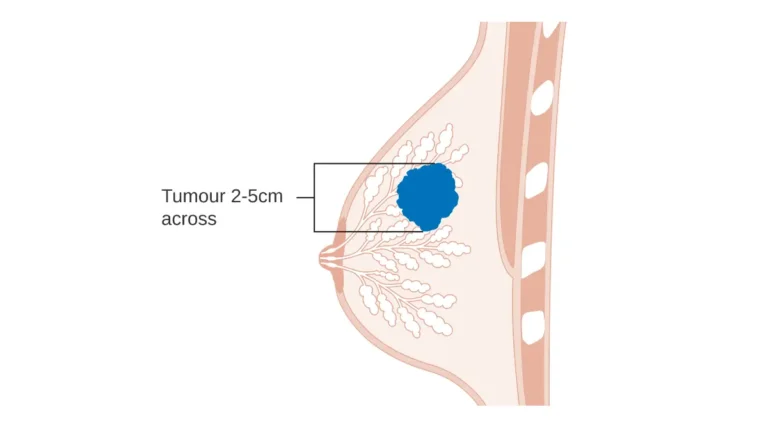
Breast cancer is more fatal for Black women — 40% higher mortality and a 25% TNBC rate that blocks standard hormonal treatment. Here is why.

USPSTF now recommends annual mammograms from age 40 — and every state funds free breast cancer screening for uninsured women through the CDC's NBCCEDP.