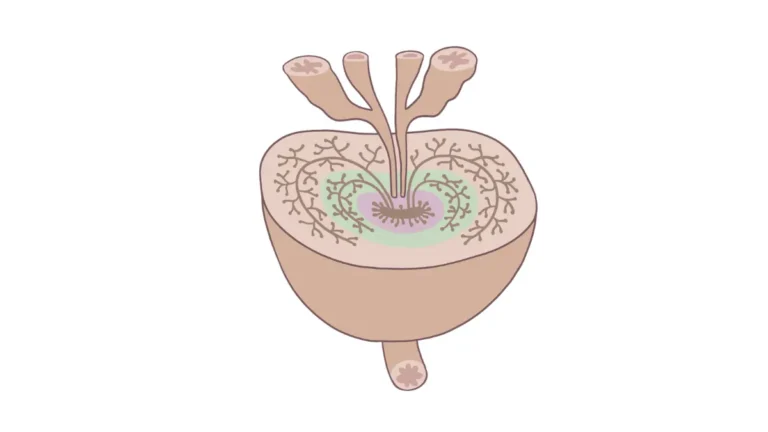
Prostate Cancer Statistics 2026, From Cases to Survival
Prostate cancer statistics for 2026 show a 1 in 8 lifetime risk — but only 1 in 44 men die of it. Here's what the latest US numbers really mean.


Sameer Patel is the founder and editor of My Medicine Advisor. He is not a doctor or medical professional — before starting this site he worked in banking, and he now researches and edits health information full-time.
He started My Medicine Advisor to make clear, well-sourced health information freely available to anyone. Every article is researched from recognised authorities such as the WHO, CDC, NIH, and NICE, drafted with the help of AI tools, and edited by hand, with sources linked so readers can check them. The calculators on the site use established, published formulas, each one named so you can look it up yourself.
My Medicine Advisor is currently a one-person operation with no clinical review panel, and the site is open about that. If you're a qualified clinician or researcher interested in reviewing content, Sameer would genuinely like to hear from you via the contact page.
Prostate cancer statistics for 2026 show a 1 in 8 lifetime risk — but only 1 in 44 men die of it. Here's what the latest US numbers really mean.

Prostate cancer survival rates vary by stage — from over 99% for localized disease to 38% once it spreads. Here's what the numbers mean for you.
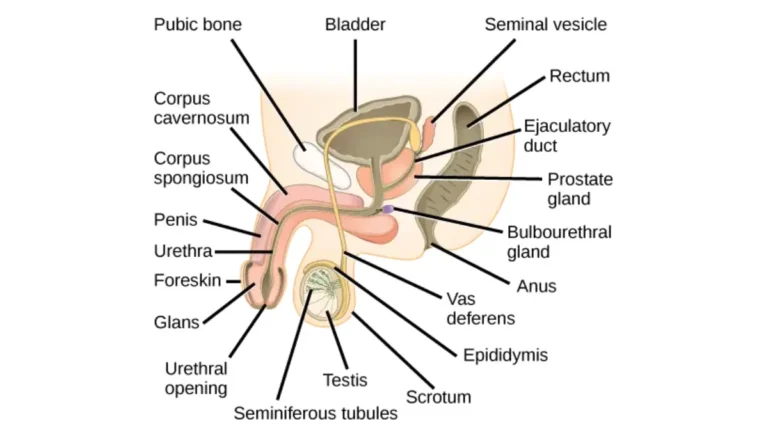
Metastatic prostate cancer has a 38% 5-year survival rate—but that average doesn't predict any one person's outlook. Here's how to read it.
Prostate cancer recurrence usually shows up first as a rising PSA — not symptoms. Here's how doctors read the threshold, doubling time, and PSMA PET scans.
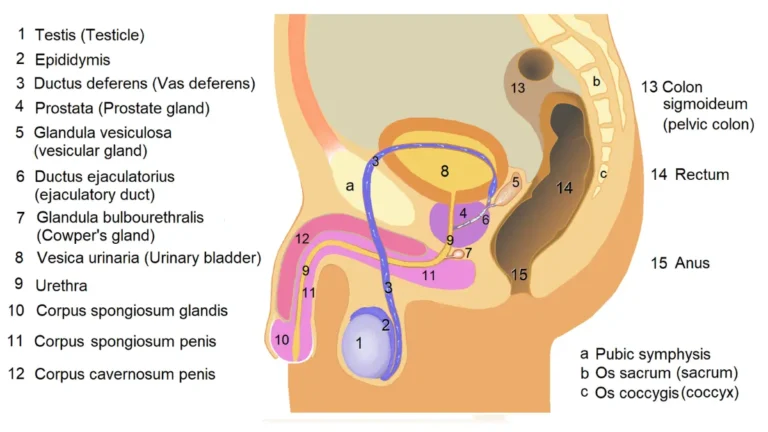
Leaking urine after prostatectomy is expected — and usually temporary. Here's the honest recovery timeline, from catheter removal to the 12-month mark.

Erectile dysfunction after prostate cancer is common but often manageable — and recovery odds rise sharply for younger men with nerve-sparing surgery.

Choosing between prostate cancer surgery and radiation? Survival is nearly the same for both—what differs is the side-effect trade-off.

PARP inhibitors work only against prostate cancers with BRCA or HRR mutations—a December 2025 FDA approval added a BRCA2 hormone-sensitive option.

Immunotherapy for prostate cancer works differently than chemo: Provenge may extend survival even when scans don't shrink. Here's what that means for you.

Pluvicto, a lutetium-177 radioligand therapy, targets PSMA-positive metastatic prostate cancer — here's how it works and who qualifies.