
On This Page – Quick Medical Summary
What Pluvicto is and who this guide is for
Pluvicto is a prescription radioligand therapy — a treatment that delivers radiation directly to prostate cancer cells using a molecule that seeks them out. It is given by infusion for PSMA-positive metastatic prostate cancer that keeps progressing despite treatment that lowers testosterone. It is not a cure, but in clinical trials it helped some men live longer and delayed their cancer’s progression.
If you are newly diagnosed with advanced and metastatic prostate cancer, start with how it works and who qualifies below. If your oncologist has already raised Pluvicto and you are comparing it to chemotherapy, the effectiveness and side-effect sections matter most. If you are a caregiver, the radiation-safety section covers what changes at home. If you are already in treatment, skip to what each session involves.
Understanding how prostate cancer is staged helps here, because Pluvicto is used only once the cancer has spread. This guide explains what it does, who it is for, how well it works, and what it costs you in side effects — honestly.
ℹ️ Medical Disclaimer: This article is general health information, not medical advice or a treatment recommendation. Pluvicto is a prescription radiopharmaceutical that is prescribed, dosed, and administered only by oncology and nuclear-medicine specialists. Decisions about whether it is right for you — including eligibility, timing, dosing, and managing side effects — must be made with your own board-certified oncologist. If you have urgent symptoms such as heavy bleeding, a fever, or severe shortness of breath, contact your care team or emergency services right away.
How Pluvicto works inside the body
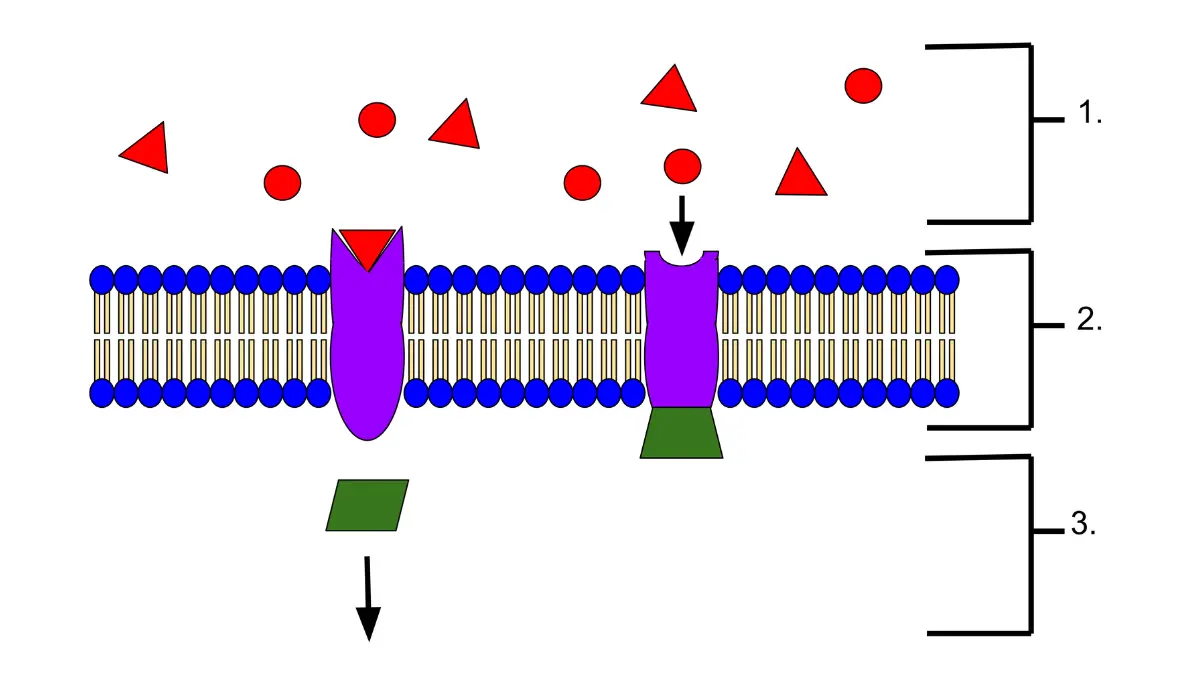
Pluvicto pairs two parts: a targeting molecule that locks onto prostate cancer cells, and a radioactive isotope, lutetium-177, that damages them. The targeting molecule binds to PSMA (prostate-specific membrane antigen), a protein found in large amounts on most prostate cancer cells but on few normal cells. That is how Pluvicto concentrates radiation where the cancer is, as described in the National Cancer Institute’s drug information.
PSMA: the target on prostate cancer cells
PSMA works like an address label the drug can read. Because most prostate cancers carry high levels of it, a molecule built to seek PSMA out delivers its payload to cancer cells while largely sparing healthy tissue.
Lutetium-177: the radioactive payload
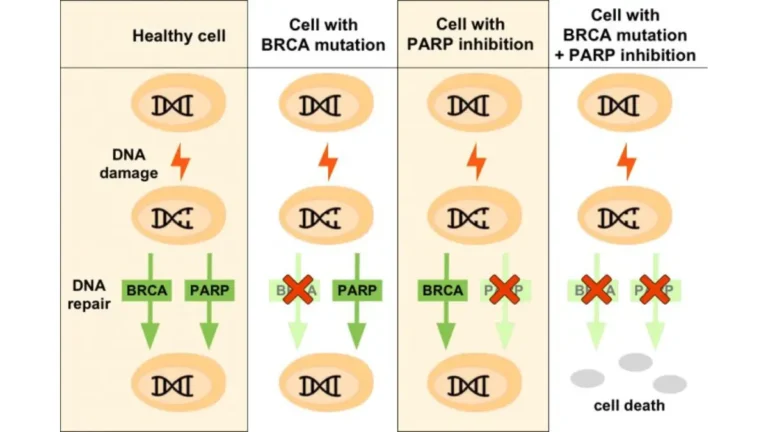
Lutetium-177 emits beta-particle radiation that travels only a fraction of a millimeter. Once the drug binds to a PSMA-positive cell, that short-range radiation damages the DNA of that cell and the cells right beside it, which can stop them dividing or cause them to die.
🔬 How It Works: Unlike external radiation therapy, which aims a beam from outside the body at one area, Pluvicto travels through the bloodstream and attaches to cancer cells wherever they are — including tumors that have spread to bone or lymph nodes. Because the radiation acts over such a short range, most of its energy is deposited in or next to the targeted cells.
Who can get Pluvicto right now
Pluvicto is approved by the FDA prescribing information for adults with PSMA-positive metastatic castration-resistant prostate cancer — cancer that has spread and is progressing despite treatment that lowers testosterone. As of 2026, there are two approved settings:
- After an androgen receptor pathway inhibitor (a type of hormone therapy) and taxane chemotherapy — approved March 2022.
- After an androgen receptor pathway inhibitor, in men who are appropriate to delay chemotherapy — approved March 2025.
Why you need a PSMA PET scan first
Eligibility depends on whether your cancer actually carries PSMA. Your team confirms this with a PSMA PET scan, which lights up PSMA-positive tumors. If the scan shows your cancer is PSMA-positive, you may be a candidate; if it is not, Pluvicto is unlikely to help.
What “not yet approved” means for earlier-stage disease
You may read that Pluvicto is moving into earlier, hormone-sensitive prostate cancer. As of mid-2026, that use is under FDA review, not approved — a decision is expected later in 2026. For now, approval covers castration-resistant disease only.
✅ Patient Action: Ask your oncologist: “Based on my PSMA PET result and the treatments I’ve already had, do I meet the approved criteria for Pluvicto, and where would it fit relative to chemotherapy?”
What a course of Pluvicto treatment looks like
Pluvicto is given as an intravenous infusion at a hospital or clinic with nuclear-medicine facilities. The approved schedule is 7.4 GBq (about 200 millicuries) every six weeks, for up to six doses — though your team may give fewer if the cancer progresses or side effects become a problem. The roughly six-week gap between doses gives your bone marrow time to recover.
What happens on treatment day
The infusion itself takes only a few minutes, but expect to spend longer at the center for preparation, the dose, and a short observation period. Because you will be mildly radioactive afterward, staff give you specific instructions before you leave.
After your dose: hydration and monitoring
Drinking plenty of fluids and urinating often in the first hours helps clear the drug and reduces radiation to your bladder. Your team checks your blood counts before and during treatment and may delay a dose if your counts drop too low.
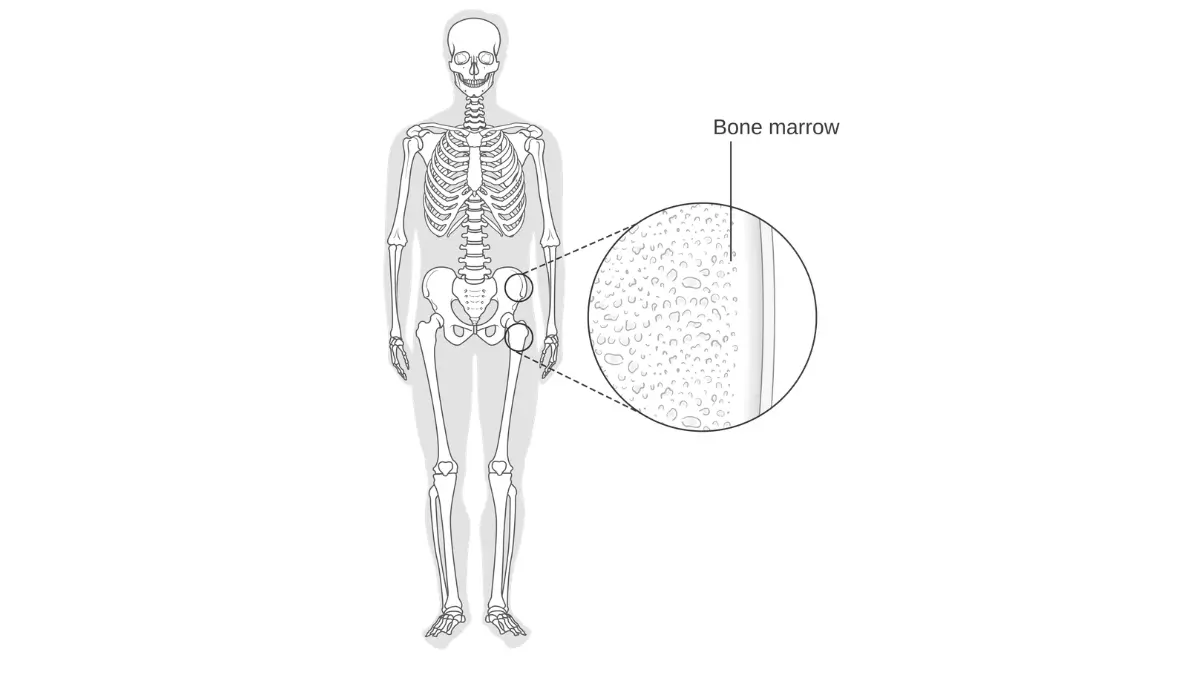
🩺 Physician Note: The six-week interval and the blood-count checks before each dose are built into the approved regimen specifically to let bone marrow recover between treatments. A delayed dose is a normal part of managing this therapy and does not mean it has failed.
How well Pluvicto works, honestly
In its main trials, Pluvicto improved survival and delayed progression for men with metastatic prostate cancer — but the benefit is measured in added months, not a cure, and results vary from person to person.
VISION trial: overall survival after chemotherapy
The VISION trial enrolled 831 men with PSMA-positive disease who had already received hormone therapy and chemotherapy. Men who received Pluvicto plus standard care lived a median of 15.3 months, compared with 11.3 months for those on standard care alone.
📊 Clinical Data Point: In VISION, median overall survival was 15.3 months with Pluvicto plus standard care versus 11.3 months with standard care alone — a median improvement of about four months. Source: VISION trial, New England Journal of Medicine (2021).
PSMAfore: delaying progression before chemotherapy
In the PSMAfore trial, given earlier — before chemotherapy — Pluvicto delayed radiographic progression to a median of 9.3 months, versus 5.6 months for a switch in hormone therapy (Source: The Lancet, 2024).
What these numbers do and don’t promise
A median means half of men did better and half did worse. The men in these trials had heavily pre-treated, advanced cancer, so your own likely benefit depends on your disease and treatment history — which is exactly the kind of thing to map out with your oncologist rather than read off a chart.
Side effects and radiation safety
Most men have side effects that are manageable, but some are serious, and Pluvicto’s radioactivity means you take temporary precautions to protect the people around you.
Common side effects
The most common effects reported in trials include:
- Fatigue — around half of patients
- Dry mouth — close to half
- Nausea and decreased appetite
- Low blood counts — anemia, low platelets, and low white cells

Serious risks to know
Pluvicto can cause severe myelosuppression (dangerously low blood counts), which is why your counts are monitored throughout treatment. It can also affect kidney function and may cause temporary or permanent infertility; men are advised to use effective contraception during treatment and for 14 weeks after the last dose. Plain-language patient drug information from MedlinePlus covers these warnings in more detail.
Radiation safety at home
For a short time after each dose you carry low-level radiation. FDA and manufacturer guidance typically advises limiting close contact with others for a few days and sleeping separately for several days, with longer precautions around children and pregnant women — your discharge instructions give the exact durations for your dose.
⚠️ Clinical Warning: Contact your care team promptly if you notice unusual bruising or bleeding, a fever, or severe tiredness or breathlessness — these can signal dangerously low blood counts. Do not wait for your next scheduled visit.
Is Pluvicto right for you? Questions for your care team
Deciding about Pluvicto is a shared decision, and the most useful thing you can do is arrive at your appointment ready to ask the right questions. Pluvicto is one option among several for advanced prostate cancer, and where it fits depends on your specific situation.
Questions to bring to your oncologist
- Is my cancer PSMA-positive on a PET scan, and do I meet the approved criteria?
- Given my prior treatments, what benefit is realistic for me?
- How would you weigh Pluvicto against chemotherapy right now?
- How will you monitor my blood counts and kidney function?
- Is there a treatment center near me that offers it, and what will it cost under my insurance?
What to weigh in the decision
Balance the potential added time and disease control against the side effects, the radiation precautions, and the travel for repeat infusions — and how each of those fits your own priorities.
✅ Patient Action: Before your next appointment, write down your three biggest priorities — whether that is length of life, quality of life, or staying close to home — so you and your oncologist can weigh Pluvicto against your other options together.
Pluvicto and lutetium-177: frequently asked questions
1. What is Pluvicto used for?
Pluvicto (lutetium-177) is used to treat PSMA-positive metastatic castration-resistant prostate cancer — cancer that has spread and is progressing despite testosterone-lowering treatment. It is approved for men who have had hormone-pathway therapy, either after chemotherapy or when chemotherapy can be delayed. It is meant to extend time and control disease, not to cure it. Discuss eligibility with your oncologist.
2. How does lutetium-177 kill cancer cells?
Lutetium-177 is a radioactive isotope attached to a molecule that binds PSMA, a protein on most prostate cancer cells. Once attached, lutetium-177 releases short-range beta-particle radiation that damages the DNA of the targeted cell and the cells right beside it, which can stop them dividing or cause them to die.
3. Who is eligible for Pluvicto?
Eligibility requires PSMA-positive metastatic castration-resistant prostate cancer confirmed on a PSMA PET scan, plus prior treatment with an androgen receptor pathway inhibitor. Pluvicto is approved either after taxane chemotherapy or when chemotherapy is being delayed. Your care team confirms whether you meet the criteria. Ask your oncologist whether you qualify.
4. Do I need a PSMA PET scan first?
Yes. A PSMA PET scan is needed before Pluvicto to confirm your cancer carries PSMA, the protein the drug targets. If the scan shows PSMA-positive tumors, you may be a candidate; if your cancer does not express PSMA, the therapy is unlikely to work. Your oncology team arranges and interprets this scan.
5. How is Pluvicto given, and how many treatments?
Pluvicto is given as an intravenous infusion of 7.4 GBq (about 200 millicuries) every six weeks, for up to six doses. Your team may give fewer if the cancer progresses or side effects develop, and may delay a dose if blood counts drop. The actual schedule is set by your care team.
6. What are the most common side effects?
The most common side effects of Pluvicto include fatigue, dry mouth, nausea, decreased appetite, and low blood counts such as anemia and low platelets. Most are manageable, but low counts can become serious and are monitored throughout treatment. Report unusual bleeding, fever, or severe tiredness to your care team promptly.
7. Is Pluvicto radioactive — is it safe for my family?
Yes, Pluvicto is radioactive, so for a short time after each dose you carry low-level radiation. Guidance advises keeping your distance from others, sleeping separately, and taking extra care around children and pregnant women for a few days, following the exact durations in your discharge instructions. These precautions keep household members safe.
8. Does Pluvicto cure prostate cancer?
No, Pluvicto does not cure prostate cancer. In trials it extended survival by a median of about four months and delayed progression for men with advanced, PSMA-positive disease, but benefit varies and the cancer is not eliminated. It is used to gain time and help control the disease. Discuss realistic expectations with your oncologist.
9. How much does Pluvicto cost?
Pluvicto is a high-cost specialty therapy, and what you pay depends heavily on your insurance, where you receive it, and any manufacturer or financial-assistance programs. Coverage and out-of-pocket costs vary widely. Ask your treatment center’s financial counselor and your insurer about coverage, prior authorization, and assistance options before starting.
10. Is Pluvicto approved for hormone-sensitive prostate cancer?
Not as of 2026. Pluvicto is FDA-approved only for castration-resistant disease. Its use in earlier, hormone-sensitive metastatic prostate cancer is under FDA review, with a decision expected later in 2026. Until then, approval covers castration-resistant prostate cancer only. Ask your oncologist about your current options.
11. Can Pluvicto be used before chemotherapy?
Yes. Since a March 2025 FDA approval, Pluvicto can be used in appropriate men with PSMA-positive castration-resistant prostate cancer who have had hormone-pathway therapy and are suitable to delay chemotherapy. Earlier, it was approved only after chemotherapy. Whether earlier use suits you is a decision for your oncologist.
The bottom line on Pluvicto
Pluvicto is a genuinely meaningful option for men with PSMA-positive metastatic castration-resistant prostate cancer: a targeted therapy that has helped some men live longer and held their cancer back, with real but bounded benefit and a side-effect and radiation profile that is manageable but worth understanding fully.
If your cancer fits the approved criteria, the clearest next step is a focused conversation with your oncologist — starting with whether your tumor is PSMA-positive and where Pluvicto sits among your options. Bring your priorities and your questions, and use the checklist above to make that conversation count.
About this content
How this article was put together: researched from recognised health sources, drafted with the help of AI tools, and edited by hand, with sources linked throughout.

Sameer Patel is the founder and editor of My Medicine Advisor. He is not a doctor or medical professional — before starting this site he worked in banking,…
Medical disclaimer
The content on MyMedicineAdvisor is provided for general informational and educational purposes only and is not a substitute for professional medical advice, diagnosis, or treatment. Health information on this website should not be used to diagnose, treat, cure, or prevent any condition without guidance from a qualified healthcare professional. Always seek the advice of your doctor, physician, or another licensed healthcare provider with any questions you may have regarding a medical condition, symptoms, medications, or treatment decisions.