
On This Page – Quick Medical Summary
A prostate cancer diagnosis brings a flood of decisions, and somewhere in that rush a doctor may mention a clinical trial — or you may wonder whether one could offer options that standard care can’t. This guide shows you exactly how to find a prostate cancer clinical trial, who qualifies, and what it costs.
Where you are right now shapes what you need most:
- Newly diagnosed with localized disease? Trials exist for you too — start with what trials really are and how to search.
- Living with advanced or metastatic disease? The search steps and eligibility section matter most.
- A caregiver doing the research? The cost and questions-to-ask sections will help you support the decision.
- Comparing treatments? The phases-and-placebo section clears up the biggest fears.
In 2026, the American Cancer Society estimates about 333,830 men will be diagnosed with prostate cancer in the United States, and new treatments reach them through research. Finding a trial is more straightforward than it looks, and it helps to see it alongside the bigger picture of how prostate cancer is staged and treated.
📊 Clinical Data Point: An estimated 333,830 new prostate cancer cases are projected in the United States in 2026 — Source: American Cancer Society, Cancer Facts & Figures 2026.
ℹ️ Medical Disclaimer: This article is general health education about finding and joining prostate cancer clinical trials. It is not medical, diagnostic, treatment, or insurance advice, and it cannot tell you whether a specific trial, treatment, or coverage decision is right for you. Decisions about diagnosis, treatment, medications, procedures, trial participation, and insurance should be made with a board-certified urologist or oncologist and your insurer. If you have severe or worsening symptoms, contact your healthcare provider promptly.
Are prostate cancer clinical trials only a last resort?
The biggest myth about trials is that they’re only for people who have run out of options. That’s not how prostate cancer research works.
A clinical trial tests a new treatment, drug combination, or approach — compared against or added to the current standard of care, according to the National Cancer Institute. Trials run across the entire disease experience: better options for localized cancer, life-extending therapies for advanced disease, symptom relief, and survivorship. Some study whether treatment can be safely reduced; others test whether adding a drug improves cure rates.
That means a trial might be relevant the week you’re diagnosed, not only after standard treatments stop working. Many men in trials receive a promising therapy alongside standard hormone therapy or radiation, not instead of it.
🩺 Physician Note: Major cancer organizations, including the Prostate Cancer Foundation, emphasize that trials span every stage of disease and are not a last resort. Raising the topic early — rather than waiting until options narrow — gives you the widest set of choices.
✅ Patient Action: At your next appointment, ask your oncologist: “Are there any trials open right now for my stage and risk group that I should consider?”
How to find a prostate cancer clinical trial, step by step
Finding a trial comes down to a clear sequence, and the most valuable step is the one most people skip — starting with your own care team.
To find a prostate cancer clinical trial, work through these steps:
- Start with your own doctor. Many urologists, radiation oncologists, and medical oncologists — especially at major hospitals and cancer centers — run or know of open trials. Tell them you’re interested.
- Search the NCI database. The NCI’s searchable list of prostate cancer trials lets you filter by location and age, and includes a step-by-step guide to finding a trial.
- Search ClinicalTrials.gov. The federal trials registry, ClinicalTrials.gov, lists studies nationwide and worldwide; each carries a unique NCT number.
- Call for free help. The NCI’s Cancer Information Service (1-800-4-CANCER, or 1-800-422-6237) helps you search at no cost.
- Use advocacy resources. Groups such as the Prostate Cancer Foundation and ZERO Prostate Cancer maintain prostate-specific trial tools, including matching services.
When you search, filter by your cancer type, stage, and location; each result shows whether it’s recruiting and where. Men with advanced or metastatic prostate cancer often find the widest selection, though trials exist for early disease too.
✅ Patient Action: Write down the title and NCT number of any trial that looks relevant and bring it to your oncologist to confirm whether you’re a realistic candidate and to ask for a referral.
Trial phases and the truth about placebos
Understanding how trials are structured replaces fear with facts, especially around the word that worries patients most.
Clinical trials run in four phases, each with a different job (figures from the National Cancer Institute):
- Phase 1 tests safety, side effects, and the highest tolerable dose in a small group, often about 15 to 30 people.
- Phase 2 looks at whether the treatment works against the cancer, usually in 50 to 100 people.
- Phase 3 compares the new treatment head-to-head with the current standard treatment in hundreds to thousands of people.
- Phase 4 follows a treatment after FDA approval to track long-term safety and effectiveness.
📊 Clinical Data Point: Phase 1 prostate cancer trials typically enroll roughly 15–30 participants; phase 2 trials roughly 50–100 — Source: National Cancer Institute.
In cancer trials, a placebo alone is rare and is never used in place of effective treatment, according to guidance from major cancer centers and the Prostate Cancer Foundation.
🔬 How It Works: In a randomized phase 3 trial, a computer assigns participants to groups so the comparison is fair. The control group still receives at least the standard of care — a placebo-only arm is used only when no standard treatment exists, and you are always told in advance. Early-phase trials have no placebo group at all.
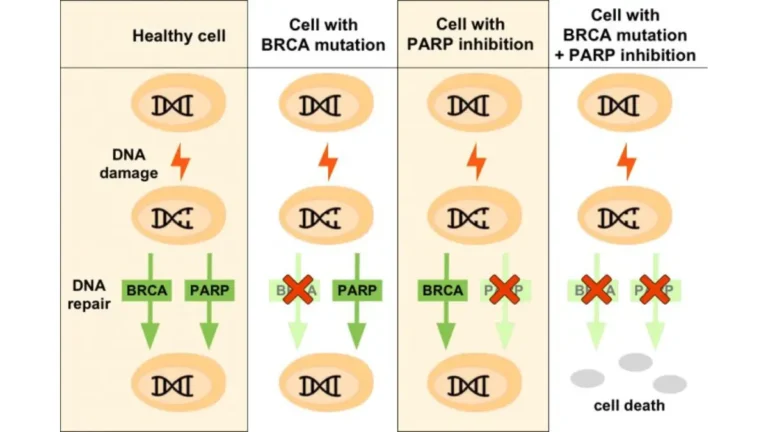
This is how newer options — like targeted therapies such as PARP inhibitors — get tested without anyone being denied proven care.
✅ Patient Action: Ask the study team directly: “Does this trial use a placebo, and if so, what will the control group receive?”
Are you eligible, and is a trial right for you?
Every trial sets rules for who can join, and weighing the fit means looking honestly at both the upside and the trade-offs.
Eligibility depends on a trial’s eligibility criteria, which typically include:
- Your age
- Your cancer type and stage, and often your Gleason score or risk group
- Your prior treatments
- Your overall health
- Sometimes a genomic marker, such as an inherited BRCA mutation
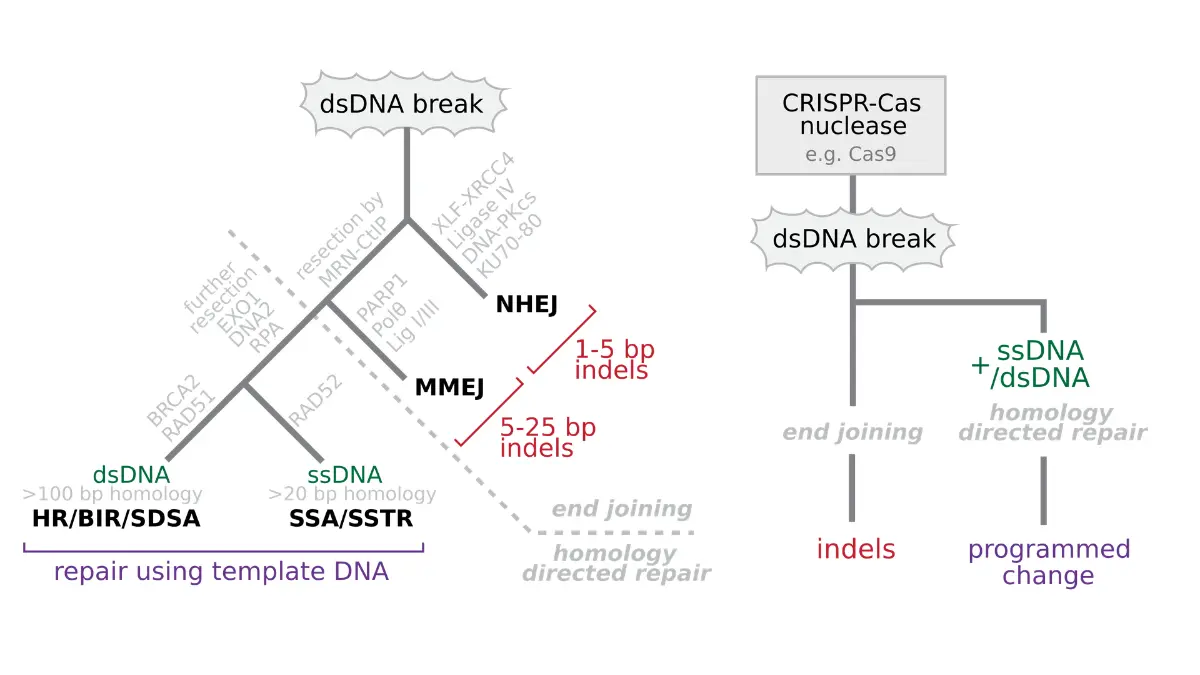
These inclusion and exclusion rules keep participants comparable and as safe as possible, per the National Cancer Institute. Biomarker testing increasingly opens specific studies — men with inherited BRCA mutations, for example, may qualify for targeted trials.
Weigh the benefits against the risks honestly. Benefits can include access to a promising new treatment and very close monitoring. Risks include that the treatment may not work, may carry unknown side effects, and may require extra visits or tests — a trial is one option among standard treatments, not a guaranteed better outcome.
✅ Patient Action: Ask a medical oncologist or urologic oncologist: “Given my stage, Gleason score, prior treatment, and any genetic results, which trials am I a realistic candidate for?”
Knowing your cancer’s stage and risk group and using a genetic risk assessment before you search makes the eligibility conversation faster.
Will insurance cover a clinical trial?
Cost fear stops many good candidates, but the rules are more protective than most people realize.
In most cases, yes: trial costs split into two buckets. Research costs — the investigational treatment itself and any research-only tests — are usually paid by the study’s sponsor, not by you. Routine patient care costs — the care you’d receive anyway — are typically billed to your insurance.
Under the Affordable Care Act, most health plans must cover routine patient care costs for participants in qualifying trials for cancer and other life-threatening conditions, across all trial phases. Medicare covers routine costs for qualifying studies as well; with Part B you may still owe the deductible and 20% coinsurance, according to Medicare’s clinical research coverage rules. Since 2022, state Medicaid programs are also required to cover routine patient care costs in qualifying trials.
Coverage isn’t unlimited — out-of-network rules, preauthorization, and travel costs can still apply.
⚠️ Clinical Warning: Before enrolling, confirm in writing with both the study coordinator and your insurer exactly which costs each will cover, and request preauthorization. Patients sometimes receive surprise bills for services they assumed were routine.
This is general financial education, not a guarantee of coverage for your specific plan.
Questions to ask and how to take the next step
Once a trial looks promising, a short list of questions and one key reassurance turn uncertainty into a confident decision.
Before you enroll, the research team walks you through the study’s purpose, risks, benefits, and alternatives in a process called informed consent. You’ll receive a consent form to read carefully, question, and discuss with people you trust before signing, and you can take your time, per the National Cancer Institute.
Bring these questions to the study team:
- What phase is this trial, and what is its goal?
- Will I get a placebo, and what does the control group receive?
- What are the risks, side effects, and extra visits involved?
- Who pays for what?
- What happens if I want to leave?
The most important reassurance: you can withdraw from a trial at any time and return to treatment outside it. Participation is always voluntary, and family supporting someone through this can use the same checklist to help.
✅ Patient Action: Write out these questions and take them to both the study coordinator and your own oncologist this week.
Prostate cancer clinical trials: frequently asked questions
1. How do I find a prostate cancer clinical trial near me?
Start with your oncologist, then search the NCI trials database and ClinicalTrials.gov, filtering by cancer type, stage, and location. Each listing shows whether it’s recruiting. You can also call 1-800-4-CANCER for free help finding a prostate cancer clinical trial. Confirm any match with your doctor.
2. Are clinical trials only a last resort?
No. Prostate cancer clinical trials run across every stage — localized disease, advanced cancer, symptom management, and survivorship — not just after standard options are exhausted. A trial may be relevant from the time you’re diagnosed. Ask your care team which trials fit your situation.
3. What are the four phases of a clinical trial?
Phase 1 tests safety and the right dose in a small group; phase 2 checks whether the treatment works; phase 3 compares it to standard treatment in larger numbers; phase 4 follows an approved treatment long-term. These phases build on one another toward possible FDA approval.
4. Will I get a placebo instead of real treatment?
Rarely. In cancer clinical trials, early-phase studies use no placebo, and phase 3 control groups still receive standard care. A placebo alone is used only when no standard treatment exists — and you’re always told before enrolling. Ask the study team what the control group receives.
5. What makes someone eligible for a prostate cancer trial?
Eligibility depends on each trial’s inclusion and exclusion criteria — typically your age, cancer type and stage, Gleason score, prior treatments, overall health, and sometimes genomic markers like BRCA. Your oncologist confirms whether you qualify for a specific prostate cancer trial.
6. What are the benefits and risks of joining?
Benefits of a clinical trial include access to promising new treatments and close monitoring. Risks include that the treatment may not work, may cause unknown side effects, or may require extra visits and tests. A trial is one option among standard treatments — discuss the trade-offs with your oncologist.
7. Does insurance or Medicare pay for clinical trials?
Usually the sponsor covers research costs, while routine patient care costs are billed to insurance. Under the Affordable Care Act, most plans — plus Medicare and, since 2022, Medicaid — must cover routine costs for qualifying clinical trials. Confirm coverage in writing before enrolling.
8. Can I leave a clinical trial after starting?
Yes. You can withdraw from a clinical trial at any time, for any reason, and return to treatment outside the study. Participation is always voluntary, and leaving will not be held against you. Your care team will help you transition back to standard care.
9. What questions should I ask before joining?
Ask the trial’s phase and goal, whether it uses a placebo and what the control group receives, the risks and extra visits, who pays for what, and what happens if you withdraw. Bring these questions to both the study team and your own oncologist.
10. What is informed consent?
Informed consent is the process where the research team explains a clinical trial’s purpose, risks, benefits, and alternatives in a document you read, question, and sign before joining. You can take time to decide and discuss it with people you trust. Signing does not lock you in permanently.
11. Are there trials for early or localized prostate cancer?
Yes. Prostate cancer clinical trials exist for localized and intermediate-risk disease, including studies that test reducing or intensifying treatment based on genomic risk — not only advanced cancer. Ask your oncologist whether an early-stage trial fits your diagnosis.
Taking your next step
Finding a trial follows a path you can manage: learn what trials really are, search the NCI database and ClinicalTrials.gov, check your eligibility, understand the phases and placebo facts, confirm the costs, and ask the right questions — then decide with your oncologist.
The clearest next move is small and concrete: bring one specific trial, with its NCT number, to your care team this week and ask whether it fits. Trials are how today’s standard treatments became standard, and for many men they open real options. For the bigger picture, revisit how prostate cancer is staged and treated.
About this content
How this article was put together: researched from recognised health sources, drafted with the help of AI tools, and edited by hand, with sources linked throughout.

Sameer Patel is the founder and editor of My Medicine Advisor. He is not a doctor or medical professional — before starting this site he worked in banking,…
Medical disclaimer
The content on MyMedicineAdvisor is provided for general informational and educational purposes only and is not a substitute for professional medical advice, diagnosis, or treatment. Health information on this website should not be used to diagnose, treat, cure, or prevent any condition without guidance from a qualified healthcare professional. Always seek the advice of your doctor, physician, or another licensed healthcare provider with any questions you may have regarding a medical condition, symptoms, medications, or treatment decisions.