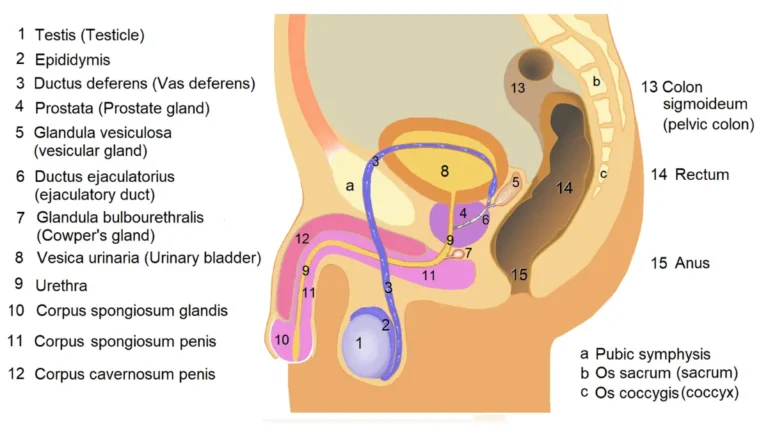

On This Page – Quick Medical Summary
If someone you love was just diagnosed with prostate cancer, you may feel a fierce wish to help and no idea where to start. This guide gives you footing — starting with where you are:
- Just diagnosed — read what the caregiver role involves and how to join early decisions.
- In active treatment — go to managing side effects and the warning signs to watch.
- Stretched thin — start with protecting your own health; that section is for you.
A prostate cancer caregiver is usually a partner, adult child, sibling, or friend who helps with daily life, medical tasks, appointments, and the emotional weight of it all. You don’t need a medical background — just a clear map, accurate information, and permission to care for yourself too. If you’re still piecing together the diagnosis, our guide to prostate cancer signs, stages, and treatment covers the full picture.
ℹ️ Medical Disclaimer: This guide is general education, not medical advice, and doesn’t replace the team treating your loved one. Decisions about diagnosis, treatment, medication, procedures, and insurance should be made with his physicians — typically a urologist, radiation oncologist, or medical oncologist. In an emergency, call your local emergency number.
What a prostate cancer caregiver actually does
Caregiving covers more ground than people expect, but it breaks into a few clear roles. According to the National Cancer Institute, family caregivers typically help with:
- Everyday care — meals, transportation, household tasks
- Medical tasks — organizing medications, tracking symptoms, supporting recovery
- Care coordination — appointments, records, reporting new problems
- Emotional support — listening, easing isolation, keeping him engaged
Because most treatment is now outpatient, much of this lands at home with you.
Everyday and medical support
Some days the most useful thing is a meal or a ride; other days it’s just being present. A simple system handles the medical side: a pill organizer, an app for symptoms, and a running question list.
Disclosure: a pill organizer or symptom journal can help — general tools, not medical advice; linked products may earn a small commission.
Coordinating care and appointments
You’ll become keeper of the schedule and record. Bring a written question list to each visit, take notes or record with permission, and keep one folder for results. The NCI’s family-caregiver guide is a practical companion.
Helping manage treatment side effects at home
The side effects that worry caregivers most are often the ones you can help with daily. The most common after prostate cancer treatment are urinary incontinence and erectile dysfunction, and hormone therapy brings its own set. None of this means treatment is failing.
Urinary incontinence and bladder changes
To support a loved one with leakage at home: keep absorbent supplies within reach, time fluids to avoid heavy overnight leakage, and limit caffeine and alcohol. Pelvic floor exercises help once the team approves them.
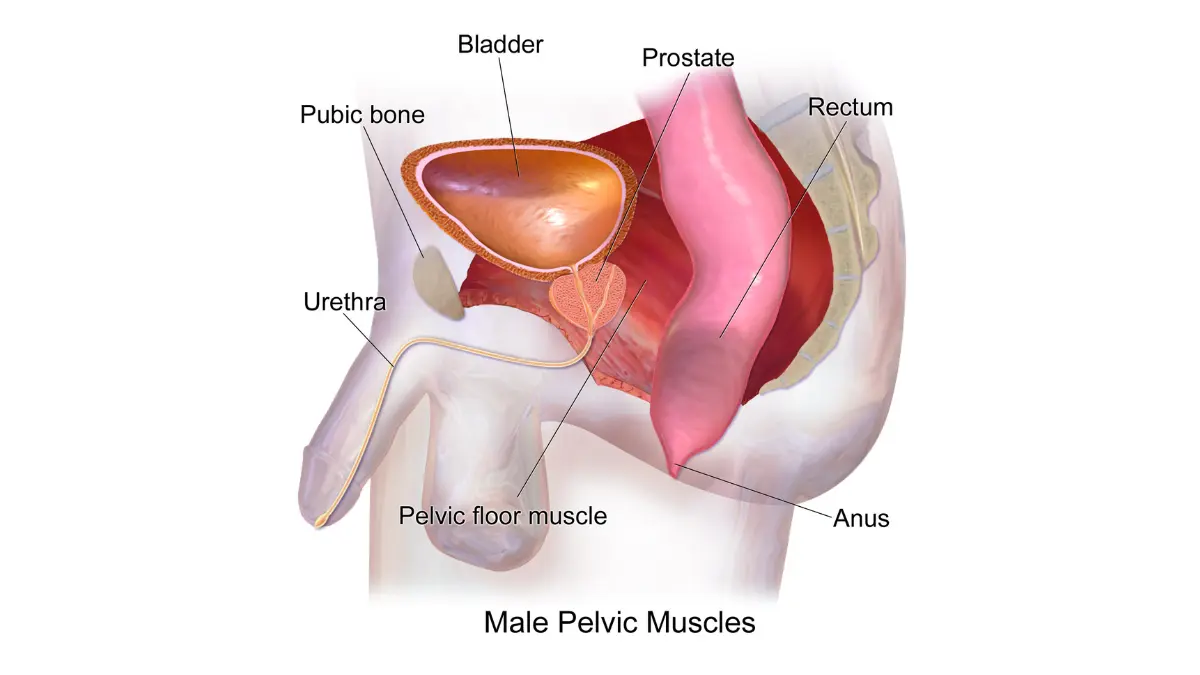
🔬 How It Works: Surgery and radiation can affect the muscles and nerves that control the bladder, which is why leakage can follow treatment.
📊 Clinical Data Point: At high-volume surgical centers, most men regain bladder control after prostate removal, with continence rates of roughly 80–95% reported; recovery can take up to two years, and pelvic floor exercises help. — Source: review of prostate cancer therapy outcomes, PubMed Central, 2024.
Our guide to recovering bladder control after a prostatectomy has more detail.
Disclosure: absorbent guards or a mattress protector can ease daily comfort — general products, not medical advice; linked items may earn a small commission.
✅ Patient Action: Ask his urologist whether pelvic floor physical therapy is appropriate, and when to start.
Erectile dysfunction and intimacy
Erectile dysfunction reaches beyond physical intimacy into identity, mood, and the relationship; you can help most by keeping the subject open and pressure-free.
🔬 How It Works: Treatment can damage the nerves and blood vessels involved in erections, and hormone therapy lowers testosterone, which reduces desire.
When nerve-sparing surgery is possible, function often improves over time; oral medications are usually first, and some men are offered penile rehabilitation. Our guide to ED after prostate cancer covers the options. Intimacy is broader than intercourse, and many couples find their way back with time.
✅ Patient Action: Ask whether his surgery is nerve-sparing and which recovery options are realistic for him.
Hormone therapy side effects
Men on androgen deprivation therapy — hormone therapy that lowers testosterone — face a distinct set of effects, and knowing they’re expected helps you both respond calmly.
🔬 How It Works: Testosterone fuels prostate cancer growth, so therapy lowers it — but it also affects temperature, energy, mood, and bone density, which is why these effects appear.
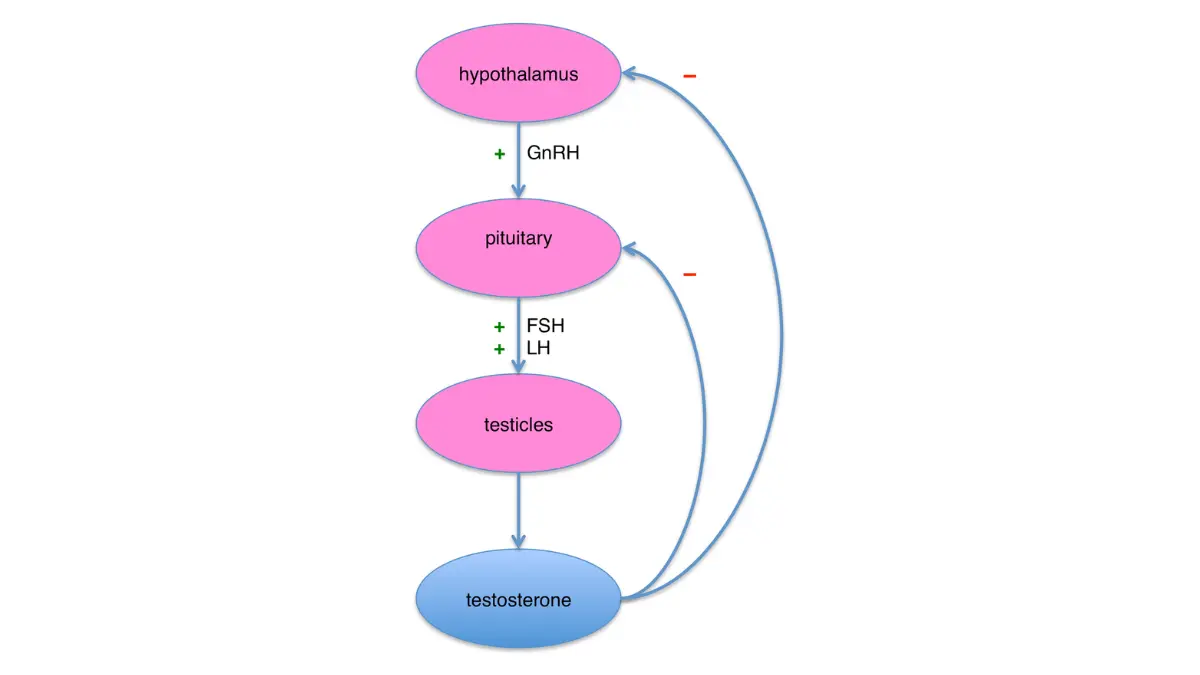
Common effects include hot flashes, fatigue, weight gain, reduced libido, mood changes, and bone thinning over time; gentle exercise and steady sleep ease fatigue. Our guide to hormone therapy side effects goes deeper.
⚠️ Clinical Warning: Hormone therapy can cause genuine mood changes and depression — if low mood is persistent or severe, tell the care team. Bone thinning is common over time, so ask about bone-density monitoring.
✅ Patient Action: Ask whether bone-density testing, exercise, or supplements are recommended during his therapy.
Supporting your loved one emotionally
A prostate cancer diagnosis can change how a man sees himself, especially when treatment affects continence and sexual function. He may go quiet, get irritable, or insist he’s fine — your steady presence often matters more than the right words.
📊 Clinical Data Point: Men with prostate cancer commonly experience anxiety and depression, and research presented at a 2023 ASCO symposium found those with a caregiver and stronger social support had lower odds of being at risk for either. — Source: ASCO Quality Care Symposium, 2023.
Why he may pull away
Withdrawal is usually about control, not about you. Short, low-pressure check-ins, doing things side by side, and letting him set the pace work better than pushing to talk.
Talking about hard subjects
Intimacy, fear, and money are the conversations couples avoid most, and naming that they’re hard is often the way in. You might try: “We don’t have to solve this today, but we’re in it together.” If his low mood lingers for weeks, raise it with the care team.
Being part of treatment decisions and appointments
Two sets of ears beat one in an oncologist’s office, especially when the news is heavy. Your job is to help him hear, remember, and decide — not to decide for him.
Preparing and what to ask
Walk in with a prioritized written question list and a way to capture answers. Useful questions include:
- What are all the options for his stage and Gleason score, including active surveillance?
- What side effects are likely with each, and how long do they last?
- Which symptoms mean call your office versus the ER?
- Who do we contact after hours, and is his care coordinated across specialists?
If the choice narrows to two paths, our comparison of surgery versus radiation helps you prepare.
Supporting his decision, not making it
The choice is his, and you have a recognized role: under the CARE Act, adopted in some form by more than 40 states, hospitals must identify a caregiver and provide training before discharge, and a 2022 federal strategy expanded caregiver support.
✅ Patient Action: Before any discharge, ask the nurse to walk you through home care, warning signs, and the after-hours number in writing.
Caring for yourself and avoiding burnout
You can’t pour from an empty cup, and caregiver depletion isn’t a character flaw — it’s measurable and common. Protecting your own health is part of caregiving, not a break from it.
What the research shows
📊 Clinical Data Point: In a cohort study of 427 female partners of men with prostate cancer, 23–25% reported anxiety and 8–11% reported depression over two years, and higher caregiving burden predicted greater distress. — Source: cohort study published in Psycho-Oncology.
Those numbers can be a relief: what you feel is shared by many caregivers, and it responds to support.
Protecting your health
To lower your risk of burnout:
- Accept specific offers of help and assign real tasks
- Protect your sleep — our sleep calculator can set a realistic bedtime
- Keep your own medical appointments
- Stay connected to someone outside the illness
- Use caregiver support services early, not only in a crisis
The American Cancer Society’s guidance on taking care of yourself as a caregiver offers practical ways to do this.
✅ Patient Action: If your own low mood, anxiety, or exhaustion has lasted more than two weeks, see your own primary care doctor about it — caregiver depression is common and treatable.
Warning signs: when to call the care team
Knowing what’s urgent and what can wait until morning takes a major source of fear off your shoulders. Ask his team for their own warning-sign list and after-hours number, and keep it where you can find it.
⚠️ Clinical Warning: This is general guidance, not a substitute for his team’s instructions. When you’re unsure whether something is serious, calling is always right.
Call the care team about these
- A fever, which can signal infection — especially during chemotherapy
- Trouble with a urinary catheter, or being unable to urinate
- New or worsening pain the prescribed plan isn’t controlling
- Persistent low mood or talk of hopelessness
When to seek emergency care
- Chest pain, trouble breathing, or signs of a stroke
- Heavy bleeding that won’t stop
- A high fever with shaking chills or confusion
- Any thoughts of self-harm
✅ Patient Action: Before treatment starts, get the team’s red-flag list and after-hours number, and post it somewhere obvious.
Prostate cancer caregiver: frequently asked questions
1. What does a prostate cancer caregiver do?
A prostate cancer caregiver helps with everyday needs, medical tasks, care coordination, and emotional support — cooking and driving, organizing medications, tracking symptoms, scheduling appointments, and being present. Because most treatment is outpatient, much of it happens at home, and no medical background is required.
2. How do I support my partner emotionally after a prostate cancer diagnosis?
Steady, low-pressure presence usually helps more than perfect words. Many men withdraw to regain control, so short check-ins and doing things side by side work better than pushing to talk. Research links caregiver support to lower patient distress; if low mood lingers for weeks, tell the care team.
3. How can I help manage urinary incontinence at home?
Keep absorbent supplies within reach, time fluids to avoid heavy overnight leakage, and limit caffeine and alcohol. Pelvic floor exercises help once the team approves them. Most men regain bladder control after surgery, though it can take up to two years. Ask his urologist about pelvic floor physical therapy.
4. What can I do about erectile dysfunction and intimacy changes?
Keep the subject open and pressure-free, and remember intimacy is broader than intercourse. When nerve-sparing surgery is possible, function often improves over time, and medications or penile rehabilitation may be offered. Letting him grieve without rushing to reassure helps. Ask the urology team which options fit him.
5. How do I help with hormone therapy side effects?
Hormone therapy commonly causes hot flashes, fatigue, weight gain, reduced libido, mood changes, and bone thinning over time. Knowing these are expected helps you respond calmly, and gentle exercise and steady sleep ease fatigue. Persistent or severe low mood should go to the care team; ask about bone-density monitoring.
6. What questions should we ask at the oncologist appointment?
Bring a prioritized written list. Ask about every option for his stage and Gleason score, including active surveillance; the likely side effects and their duration; which symptoms warrant a call versus the ER; the after-hours contact; and whether his care is coordinated. Take notes or record with permission.
7. How do I avoid caregiver burnout?
Accept specific offers of help and assign real tasks, protect your sleep, keep your own appointments, stay connected to someone outside the illness, and use caregiver support early. Depletion is common and measurable, not a weakness. If exhaustion, anxiety, or low mood lasts more than two weeks, see your doctor.
8. Is it normal for caregivers to feel anxious or depressed?
Yes. In a study of 427 partners of men with prostate cancer, 23–25% reported anxiety and 8–11% reported depression over two years, with higher burden predicting more distress. Feeling this way is common and responds to support; building in help early protects you.
9. When should I call the doctor or seek emergency care?
Call the team for fever, catheter problems or inability to urinate, uncontrolled pain, or persistent hopelessness. Seek emergency care for chest pain, trouble breathing, stroke signs, heavy bleeding, a high fever with confusion, or any thoughts of self-harm. Ask his team for their warning-sign list; when unsure, call.
10. How can I help organize medications and appointments?
Use one simple system: a weekly pill organizer, a notebook or app for symptoms, and a single folder for results and instructions. Bring a written question list to each visit and update it during the week. Keeping records in one place makes it easier to report changes accurately.
11. Where can caregivers find support and financial help?
The American Cancer Society and the National Cancer Institute offer free caregiver resources, including practical guidance, support services, and help with insurance and financial assistance. Local hospitals and cancer centers often have social workers and support groups; reaching out early, before a crisis, gives you more options.
You don’t have to do this alone
Caring for someone with prostate cancer asks you to hold two jobs at once: helping him through treatment, and staying whole yourself. Both matter, and you’re allowed to need support for the second as much as the first.
For tools and people to lean on, the American Cancer Society’s caregiver resource guide covers hands-on skills through financial help, and the NCI booklet Caring for the Caregiver focuses on protecting your own health. Start with one small step this week — a question list, a folder, a single call for help.
About this content
How this article was put together: researched from recognised health sources, drafted with the help of AI tools, and edited by hand, with sources linked throughout.

Sameer Patel is the founder and editor of My Medicine Advisor. He is not a doctor or medical professional — before starting this site he worked in banking,…
Medical disclaimer
The content on MyMedicineAdvisor is provided for general informational and educational purposes only and is not a substitute for professional medical advice, diagnosis, or treatment. Health information on this website should not be used to diagnose, treat, cure, or prevent any condition without guidance from a qualified healthcare professional. Always seek the advice of your doctor, physician, or another licensed healthcare provider with any questions you may have regarding a medical condition, symptoms, medications, or treatment decisions.