
On This Page – Quick Medical Summary
A prostate cancer diagnosis often brings a strong urge to take action, and the kitchen can feel like one of the few places you have control. Here is the honest starting point: no single food prevents, cures, or reverses prostate cancer. What you eat — and especially your body weight — does genuinely influence the risk of aggressive disease and how well you live after diagnosis.
Use this guide to find what fits your situation:
- Newly diagnosed and wondering what to eat? Start with foods that may help and foods to limit below.
- On active surveillance and wanting to act between PSA checks? Skip to eating well during and after treatment.
- A spouse or caregiver doing the cooking? The prostate-friendly plate section is written for you.
- Considering supplements? Read the supplement cautions before buying anything.
Every food here is labeled by how strong the evidence actually is. Putting diet in the context of your full prostate cancer diagnosis and treatment options helps these choices make sense rather than feel like more rules.
ℹ️ Medical Disclaimer: This article is general education, not a diagnosis or a treatment, medication, or nutrition plan for any individual. Decisions about diet, dietary supplements, and how food may interact with surgery, radiation, hormone therapy, or chemotherapy should be made with your oncology team and a registered dietitian who knows your case. Consult a board-certified oncologist or urologist before changing anything related to your care.
Can what you eat actually affect prostate cancer?
The evidence that diet shapes prostate cancer is real but more modest than most headlines suggest.
Why the research is messier than the headlines
Most prostate cancers grow slowly, and many men live for decades without the disease ever threatening their health. Other prostate cancers are aggressive and can spread. Because studies increasingly separate these very different cancers, the link between specific foods and prostate cancer has become harder to pin down, not easier.
The World Cancer Research Fund put it plainly: the picture is complex, and if a link to particular foods exists, it is difficult to see clearly.
What the evidence does support
One finding is strong: carrying excess body fat is linked to advanced, aggressive, and fatal prostate cancer.
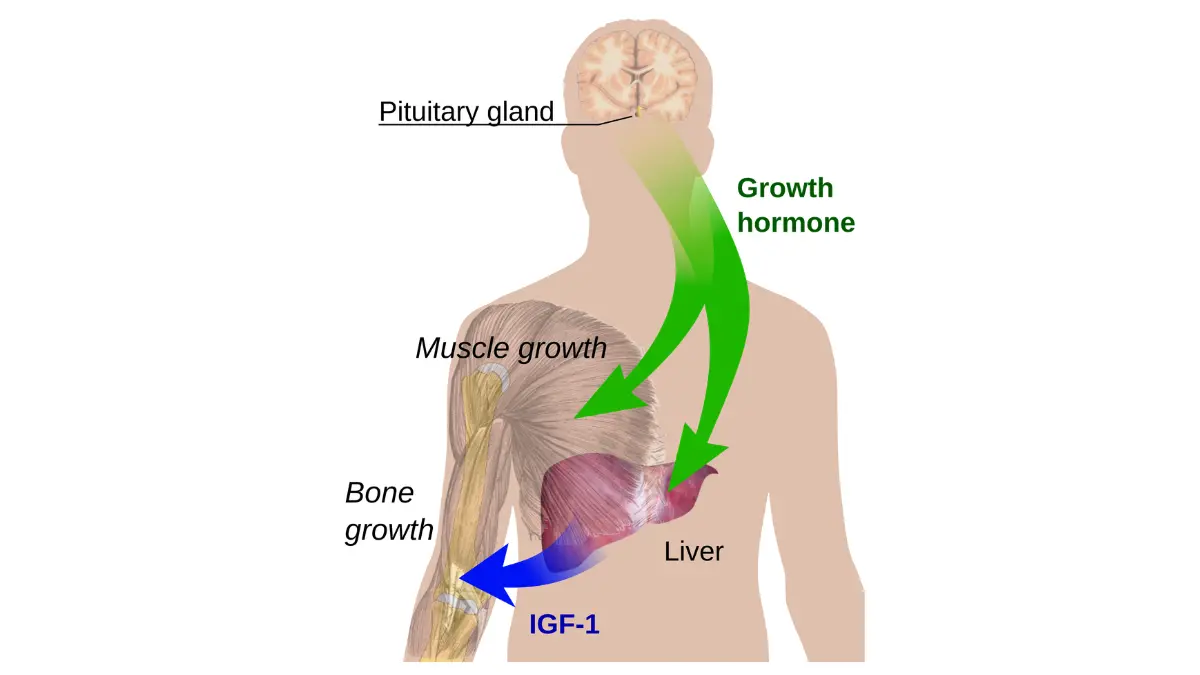
🔬 How It Works: Excess body fat shifts the body’s hormonal environment — raising insulin and insulin-like growth factor (IGF-1) and promoting low-grade inflammation. These conditions can create a setting in which aggressive cancer cells grow more readily.
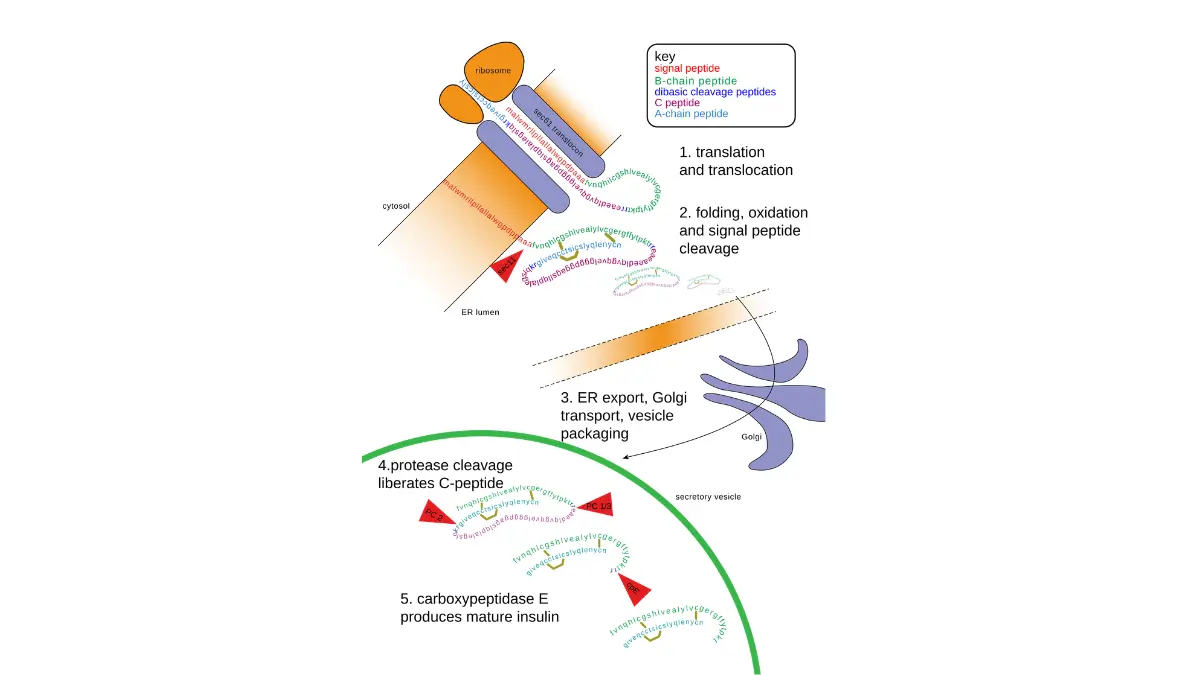
📊 Clinical Data Point: Each 5 kg/m² increase in body mass index is associated with roughly an 8% higher risk of advanced prostate cancer — Source: World Cancer Research Fund/AICR Continuous Update Project, 2018.
This is why diet as a modifiable risk factor deserves real attention. You can read the World Cancer Research Fund’s review of diet and prostate cancer for the full evidence.
Foods that may help (and how strong the evidence is)
A plant-forward diet is the foundation most cancer organizations recommend, but the evidence behind specific “good” foods varies a lot. Here is an honest tier list.
- Vegetables and fruits: A diet rich in colorful vegetables and fruits is consistently part of cancer-prevention guidance, mainly for overall health and weight. Evidence that any specific produce lowers prostate cancer risk is limited.
- Cooked tomatoes (lycopene): Cooked tomato products are the most studied. The association is modest and stronger for cooked than raw.
- Fatty fish (omega-3s): Salmon, sardines, and mackerel are favored over red meat. Evidence for slowing prostate cancer is mixed, though higher fish intake may be linked to lower prostate cancer death rates.
- Cruciferous vegetables: Broccoli, cauliflower, and cabbage look promising in lab studies, but human evidence is inconsistent.
- Legumes and green tea: Beans, lentils, and green tea appear on many “prostate-friendly” lists; the human evidence is preliminary and not yet conclusive.
📊 Clinical Data Point: In a pooled analysis, men with the highest intake of cooked tomato products had about a 19% lower relative risk of prostate cancer (relative risk 0.81), a modest effect seen mainly at high intakes — Source: Etminan et al. meta-analysis, Cancer Epidemiology Biomarkers & Prevention, 2004.
Build meals around these foods for their broad benefits, not because any one is proven to stop cancer.
Foods and drinks to limit or avoid
Knowing what to cut back on matters as much as what to add — but the goal is to limit, not eliminate entire food groups on weak evidence.
- Red and processed meat: This is the clearest “limit.” The American Cancer Society recommends choosing fish, poultry, and beans over red meat, and eating processed meat sparingly if at all.
- High amounts of dairy and calcium: Diets very high in dairy and calcium have a possible — but not proven — link to higher prostate cancer risk. The evidence is limited, so the sensible approach is moderation, not elimination.
- Saturated fat, added sugar, and alcohol: These affect weight, inflammation, and overall health. The ACS advises limiting alcohol and cutting back on sugary drinks and ultra-processed foods.
🩺 Physician Note: Cutting out dairy entirely is rarely the right move, especially for men on hormone therapy, who need adequate calcium and vitamin D to protect bone density. The aim is enough calcium without large excesses.
✅ Patient Action: Ask a registered dietitian: “Given my treatment and bone health, how much dairy and calcium is right for me, and should it come from food rather than supplements?”
You can review the ACS guidance on red and processed meat for the reasoning behind these recommendations.
Building a prostate-friendly plate
Turning the evidence into one repeatable pattern is more useful than memorizing food lists — and it puts the focus on the lever that matters most.
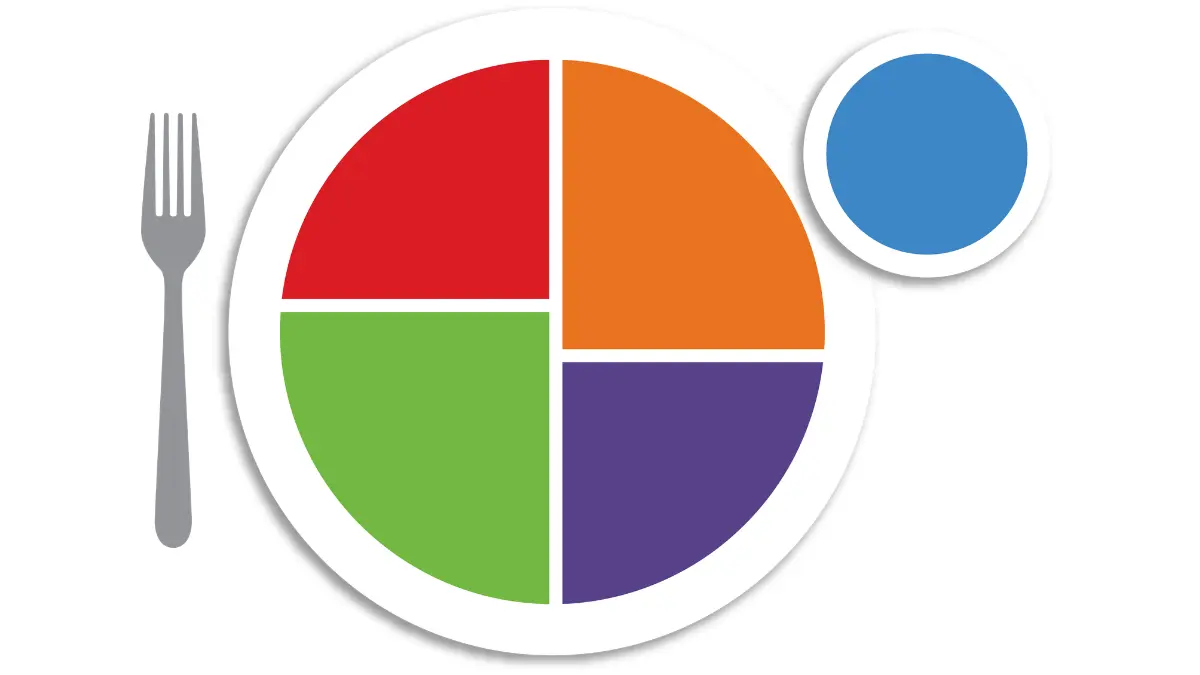
A simple plate model
Fill half your plate with vegetables and fruits, a quarter with lean protein (fish, poultry, beans), and a quarter with whole grains. Favor olive oil over butter and water over sugary drinks — close to what most cancer organizations recommend for survivors.
Why your weight matters most
Reaching and keeping a healthy weight is the most strongly supported dietary step for prostate cancer outcomes.
📊 Clinical Data Point: Among men with non-metastatic prostate cancer, those who most closely followed the ACS nutrition and physical activity guideline were about 23% less likely to die from any cause and 25% less likely to die from heart disease over 14 years — Source: Wang et al., JAMA Network Open, 2025.
One change to start with
Pick one habit you can keep — swapping a red-meat meal for fish each week, or a walk after dinner. A BMI calculator shows where your weight stands, and a weight-loss calculator helps set a realistic pace if that fits your situation.
These habits also support efforts to reduce the risk of recurrence. For the full survivor guidance, see the American Cancer Society’s nutrition guideline for survivors.
Eating well during and after treatment
What to prioritize shifts depending on where you are — monitoring, active treatment, or recovery.
If you’re on active surveillance
Many men with low-risk prostate cancer choose monitoring over immediate treatment, and diet is one way to stay engaged. Early research is encouraging but preliminary.
📊 Clinical Data Point: In the CAPFISH-3 trial, men on active surveillance who followed a diet low in omega-6 and high in omega-3 plus fish oil showed a reduced marker of prostate cancer cell growth — Source: UCLA, Journal of Clinical Oncology, 2024 (a single, preliminary trial).
Our guide to active surveillance for prostate cancer explains how monitoring works.
During hormone therapy
Hormone therapy commonly causes weight gain and loss of bone density and muscle. Eating to support a healthy weight, with adequate calcium and vitamin D from food, helps counter these effects. See our overview of hormone therapy for prostate cancer.
Recovering from surgery or radiation
After surgery, protein and overall nutrition support healing. Our guide to recovery after radical prostatectomy covers what to expect.
✅ Patient Action: Ask your oncologist and a registered dietitian: “Should I change my diet or supplements during this treatment, and could anything I’m taking interfere with it?”
Supplements and unproven diet claims: what to be careful about
This is where caution matters most, because “more” can actually mean “worse.”
When supplements backfire
High-dose supplements are not a safe shortcut, and some cause harm.
⚠️ Clinical Warning: High-dose vitamin E has been linked to a higher risk of prostate cancer, and high-dose calcium may also raise risk. Megadose antioxidant supplements are not a substitute for food.
📊 Clinical Data Point: In the SELECT trial of more than 35,000 men, taking 400 IU of vitamin E daily increased prostate cancer risk by about 17% compared with placebo; selenium showed no benefit — Source: Klein et al., JAMA, 2011.
Diet claims to be skeptical of
No “alkaline diet,” single food, or supplement has been shown to cure prostate cancer. Claims that diet alone can starve or reverse cancer are not supported by evidence.
✅ Patient Action: Tell your oncologist and pharmacist about every supplement you take, and ask: “Could any of these be unsafe or interfere with my treatment?”
For balanced prevention and supplement information, the National Cancer Institute’s prostate cancer prevention resource is a reliable starting point.
Frequently asked questions
1. Can diet slow or stop prostate cancer?
No diet has been proven to cure or stop prostate cancer. However, maintaining a healthy weight and a plant-forward prostate cancer diet is linked to a lower risk of aggressive disease and better survival. Discuss any major dietary change with your oncologist and a registered dietitian.
2. Are tomatoes good for prostate cancer?
Cooked tomato products, which are rich in lycopene, show a modest link to lower prostate cancer risk in pooled studies — stronger for cooked than raw. The effect is small and mainly seen at high intakes, so tomatoes are a reasonable addition to a prostate cancer diet rather than a cure.
3. Is dairy bad for prostate cancer?
Diets very high in dairy and calcium have a possible but unproven link to higher prostate cancer risk. The evidence is limited, so moderation rather than elimination is sensible, and calcium still matters for bone health. Ask a registered dietitian what amount is right for your situation.
4. Does sugar feed prostate cancer?
Sugar does not directly “feed” prostate cancer the way the myth suggests. The real concern is that excess sugar and calories drive weight gain, and excess body fat is linked to more aggressive prostate cancer. Limiting sugary drinks supports a healthy weight and a balanced prostate cancer diet.
5. Is red or processed meat linked to prostate cancer?
The American Cancer Society recommends limiting red and processed meat and choosing fish, poultry, or beans instead. Evidence tying these meats specifically to prostate cancer is still developing, but limiting them benefits overall health and weight. Make changes alongside guidance from your care team.
6. Should I take supplements for prostate cancer?
Most men do not need supplements for prostate cancer, and some high doses cause harm — a large trial found 400 IU of daily vitamin E raised risk by about 17%. Tell your oncologist about anything you take, and ask whether it is safe with your treatment.
7. What is the best diet for prostate cancer?
The best-supported approach is a plant-forward, Mediterranean-style prostate cancer diet: plenty of vegetables, fruits, whole grains, fish, and beans, with limited red meat and alcohol, built around a healthy weight. No single food matters more than the overall pattern.
8. Can diet prevent prostate cancer recurrence?
No diet guarantees prevention of recurrence. But men who most closely followed healthy nutrition and activity guidelines had lower death rates, so a healthy-weight, plant-forward pattern is a reasonable part of survivorship. Build your plan with your oncologist and a registered dietitian.
9. Is green tea or coffee good for the prostate?
Green tea contains compounds studied for prostate health, and some research looks promising, but the human evidence is inconsistent and not yet conclusive. Both can fit a healthy prostate cancer diet, but neither is a proven treatment. Enjoy them as part of an overall pattern.
10. How much fish should I eat?
Cancer-prevention guidance favors fish over red meat as a protein source, and fatty fish provides omega-3s. There is no proven “prostate dose” of fish, and megadosing fish oil is not recommended. A couple of servings of fish per week fits most healthy eating patterns.
11. Do I need to go vegan?
No. A fully vegan diet is not required for a prostate cancer diet. The overall pattern — plant-forward, limited red and processed meat, and a healthy weight — matters far more than eliminating all animal foods. Focus on a pattern you can sustain, with input from a registered dietitian.
The bottom line
You cannot out-eat a prostate cancer diagnosis, but the pattern on your plate and a healthy weight are real, evidence-backed levers you control. The strongest science points to managing weight and eating a plant-forward diet rich in vegetables, whole grains, fish, and beans, while limiting red and processed meat, excess dairy, alcohol, and high-dose supplements. No single food earns a place on that plate because it cures cancer — it earns it because the overall pattern supports your health and survival. The most useful next step is a referral to a registered dietitian who can tailor this to your treatment and goals.
About this content
How this article was put together: researched from recognised health sources, drafted with the help of AI tools, and edited by hand, with sources linked throughout.

Sameer Patel is the founder and editor of My Medicine Advisor. He is not a doctor or medical professional — before starting this site he worked in banking,…
Medical disclaimer
The content on MyMedicineAdvisor is provided for general informational and educational purposes only and is not a substitute for professional medical advice, diagnosis, or treatment. Health information on this website should not be used to diagnose, treat, cure, or prevent any condition without guidance from a qualified healthcare professional. Always seek the advice of your doctor, physician, or another licensed healthcare provider with any questions you may have regarding a medical condition, symptoms, medications, or treatment decisions.