
When Chemotherapy for Prostate Cancer Is Needed
Hearing 'chemo' for prostate cancer is frightening, but it's used only when the cancer has spread—often with hormone therapy. See when it helps and how.


Sameer Patel is the founder and editor of My Medicine Advisor. He is not a doctor or medical professional — before starting this site he worked in banking, and he now researches and edits health information full-time.
He started My Medicine Advisor to make clear, well-sourced health information freely available to anyone. Every article is researched from recognised authorities such as the WHO, CDC, NIH, and NICE, drafted with the help of AI tools, and edited by hand, with sources linked so readers can check them. The calculators on the site use established, published formulas, each one named so you can look it up yourself.
My Medicine Advisor is currently a one-person operation with no clinical review panel, and the site is open about that. If you're a qualified clinician or researcher interested in reviewing content, Sameer would genuinely like to hear from you via the contact page.
Hearing 'chemo' for prostate cancer is frightening, but it's used only when the cancer has spread—often with hormone therapy. See when it helps and how.
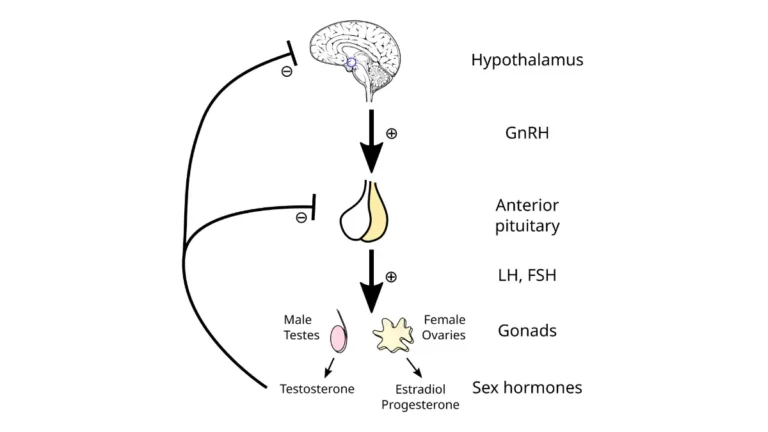
Hormone therapy slows prostate cancer by lowering testosterone, but how long you stay on it ranges from months to years. Here's what to expect.
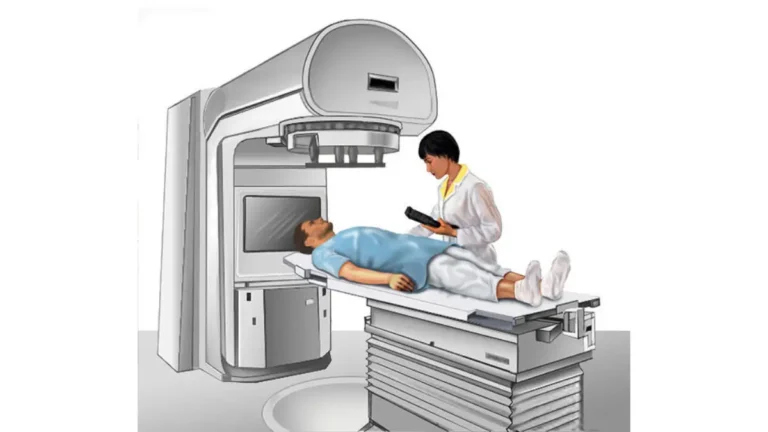
Radiation therapy for prostate cancer isn't one option but several, each with a different risk profile—from IMRT and SBRT to brachytherapy and Pluvicto.
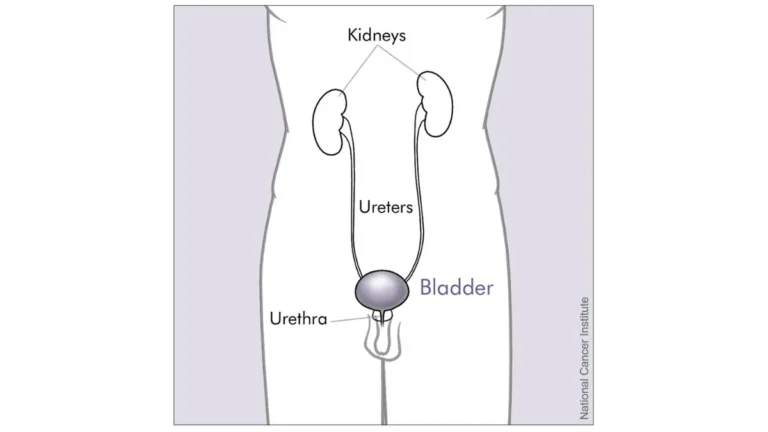
Radical prostatectomy recovery follows a clear arc—catheter out around 1–2 weeks, then continence and PSA milestones. Here's what to expect at each stage.
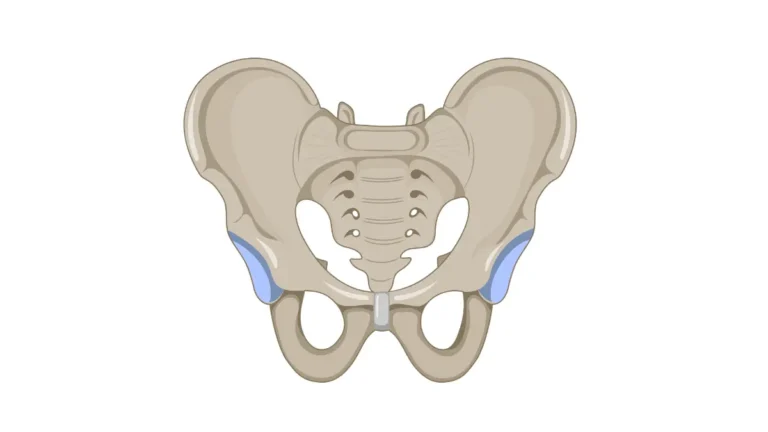
Active surveillance lets men with Gleason 6 prostate cancer monitor instead of treating now—see who qualifies and how it's tracked.
rostate cancer screening isn't one age for everyone. Most men start at 50, but higher-risk men begin at 45 or 40 — see where you fall.
Prostate cancer hits 1 in 6 Black men—the largest racial gap of any major cancer. Caught early, it's highly treatable. Here's when to screen.
Prostate cancer causes are widely misunderstood. Age, family history, and genes are the proven risks — vasectomy and an enlarged prostate are not.
A PSMA PET scan spots prostate cancer spread that older scans miss, and trials show it's far more accurate. Here's how to read your results.
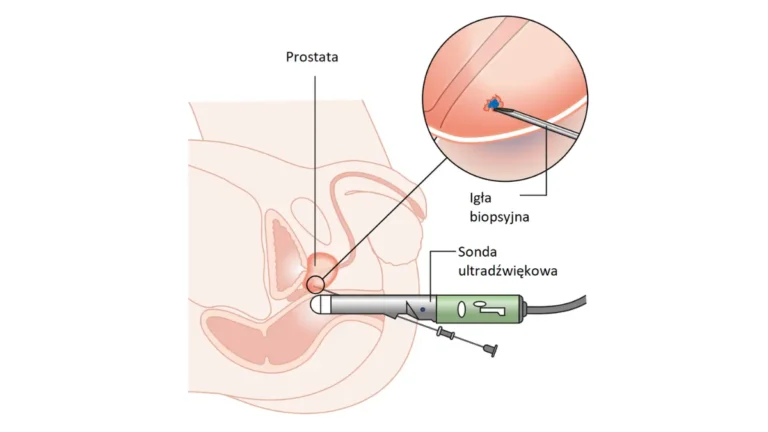
A prostate biopsy is the only way to confirm or rule out cancer after a high PSA. Here's what to expect, from MRI-guided biopsy to your Gleason score.