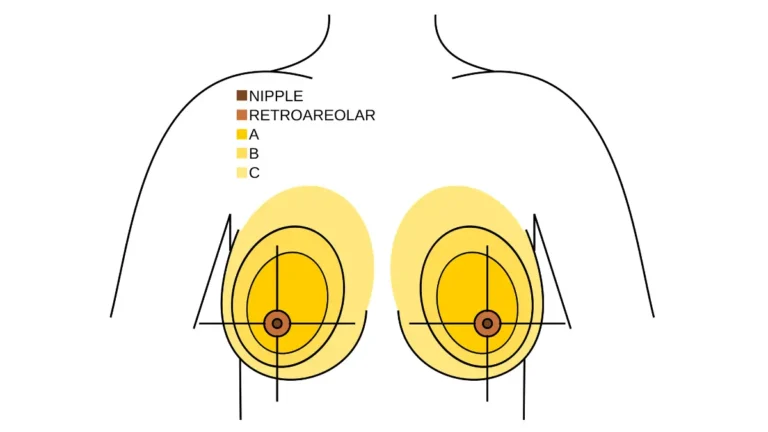
Dense Breast Tissue Cancer Risk: Your Results, Clearly Explained
Dense breast tissue raises cancer risk 2.5x in BI-RADS D patients — and mammogram sensitivity can fall to 60–70% in dense tissue.


Sameer Patel is the founder and editor of My Medicine Advisor. He is not a doctor or medical professional — before starting this site he worked in banking, and he now researches and edits health information full-time.
He started My Medicine Advisor to make clear, well-sourced health information freely available to anyone. Every article is researched from recognised authorities such as the WHO, CDC, NIH, and NICE, drafted with the help of AI tools, and edited by hand, with sources linked so readers can check them. The calculators on the site use established, published formulas, each one named so you can look it up yourself.
My Medicine Advisor is currently a one-person operation with no clinical review panel, and the site is open about that. If you're a qualified clinician or researcher interested in reviewing content, Sameer would genuinely like to hear from you via the contact page.
Dense breast tissue raises cancer risk 2.5x in BI-RADS D patients — and mammogram sensitivity can fall to 60–70% in dense tissue.
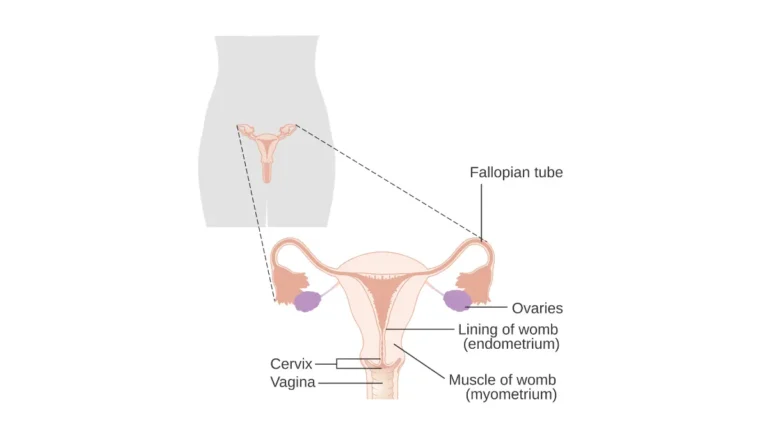
Egg freezing is clinically safe for ER+ breast cancer patients — a fact most premenopausal patients aren't told before their first oncology appointment.
Breast cancer during pregnancy carries a ~99% five-year survival rate at Stage I per 2026 NCI SEER data — but only when specialist care begins within 48 hours of diagnosis.
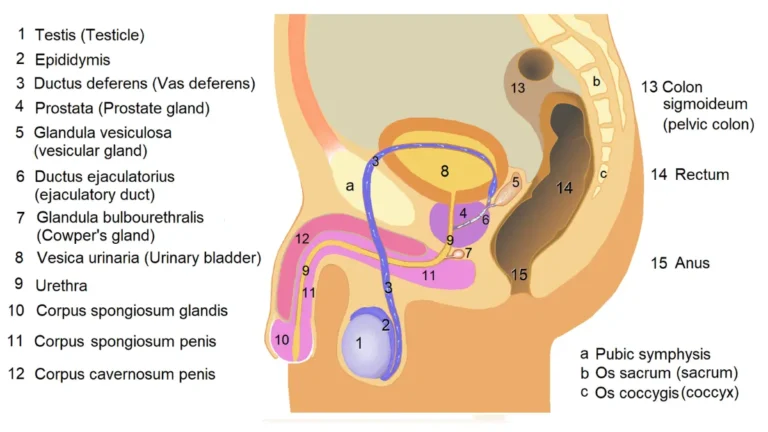
Male breast cancer's most dangerous symptom is painlessness. 75–80% of cases present with a painless lump men dismiss for 12+ months.
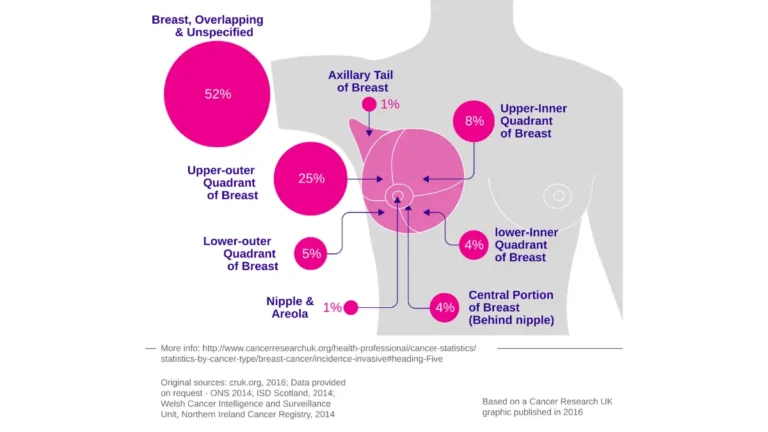
Black women with TNBC lose tamoxifen access. An oncologist explains 2026 NCCN screening age, BRCA testing, and pembrolizumab eligibility.
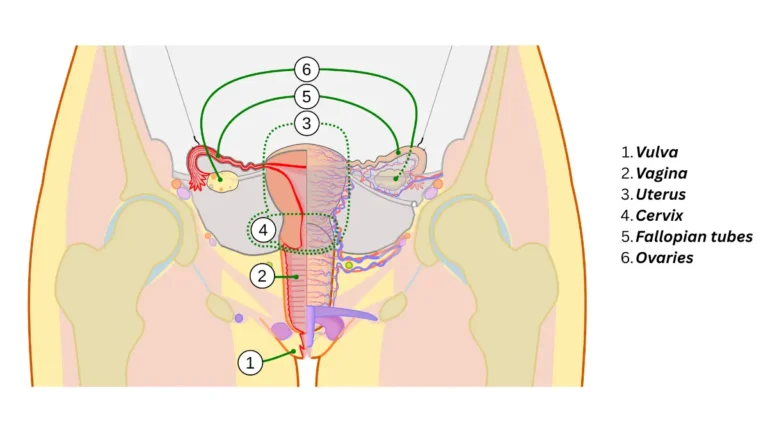
BRCA gene test positive means predisposition, not diagnosis — but for BRCA1 carriers, lifetime breast cancer risk reaches up to 72%.

Breast reconstruction after mastectomy means choosing between implants and DIEP flap — and radiation therapy changes which option is clinically safer.
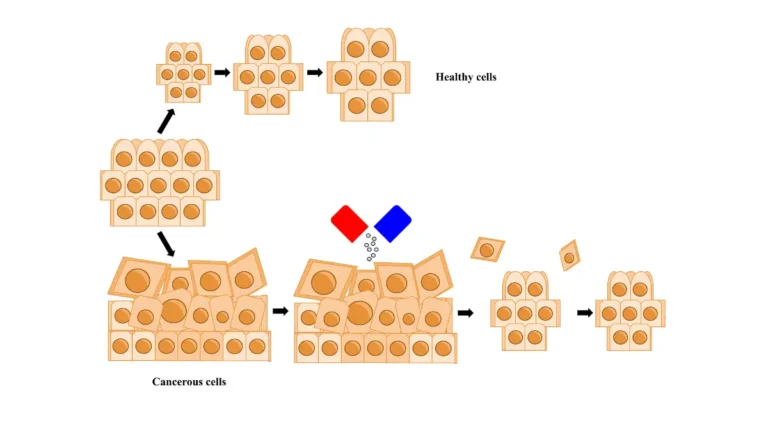
Chemo side effects aren't inevitable. A gynecologic oncologist maps AC vs. Taxol, the 3-drug antiemetic protocol, and the ER fever threshold.

Tamoxifen vs aromatase inhibitors: AIs suppress estrogen 95%+ — but only in postmenopausal women. Menopausal status determines your drug, per NCCN 2026.
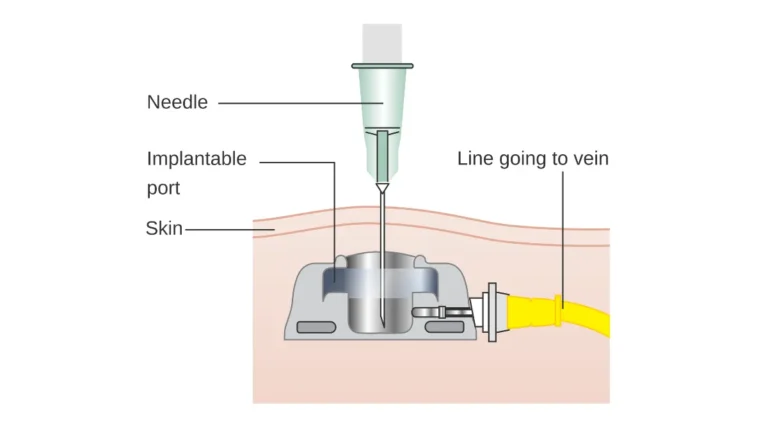
Breast cancer chemotherapy cycles in waves. Day 1 is rarely the hardest — most patients don't know this. Get the AC-T timeline and NCCN 2026 thresholds.