On This Page – Quick Medical Summary
You’ve been told you need hormone therapy — now what?
If your oncologist just mentioned tamoxifen or an aromatase inhibitor by name, you are likely asking the question I hear most often from newly diagnosed patients: did they pick the right one for me?
Hormone receptor-positive tumors — those driven by estrogen — account for the majority of breast cancer diagnoses in the United States. Adjuvant endocrine therapy with one of these two drug classes is the cornerstone of long-term treatment for this type. Both are FDA-approved. Both are guideline-recommended. What differs is how they work, who they are appropriate for, and what living on them actually feels like.
What determines which hormone therapy you’re prescribed
The choice between tamoxifen and an aromatase inhibitor is not physician preference — it is driven by menopausal status, tumor receptor profile, and your individual cardiovascular and bone health history.
Why your menopausal status is the first clinical decision point
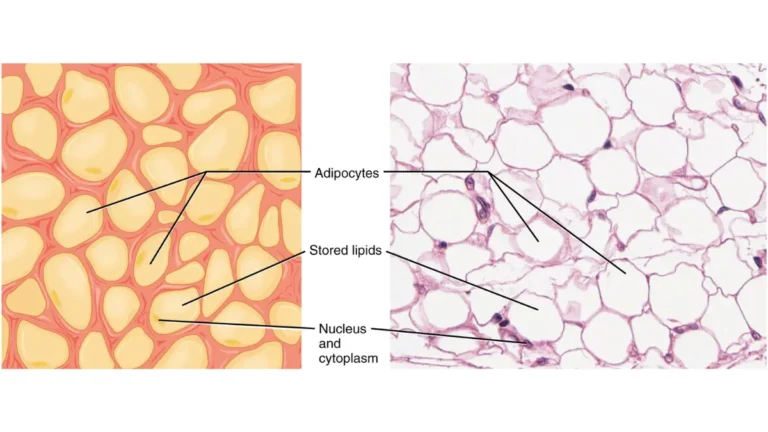
Premenopausal women produce estrogen primarily in the ovaries. Postmenopausal women produce it in peripheral fat tissue. This single biological difference determines which drug class is safe, effective, and appropriate for each patient — and it will be the first thing your oncologist confirms before prescribing either drug.
For a complete guide connecting your staging diagnosis to your full treatment roadmap, see our breast cancer stages and treatment overview.
ℹ️ Medical Disclaimer: The treatment protocols, drug comparisons, medication information, side effect descriptions, switching criteria, and cost data discussed in this article reflect 2026 clinical guidelines and are provided for educational purposes only. Individual decisions — including the choice between tamoxifen and aromatase inhibitors, therapy duration, and switching protocols — depend on menopausal status, tumor receptor profile, comorbidities, cardiovascular risk, bone density, and specialist assessment. Consult a board-certified gynecologic oncologist or oncologist before acting on any clinical information in this article. Nothing in this article constitutes a diagnosis, prescription, or individualized treatment recommendation.
How tamoxifen and aromatase inhibitors actually work
Tamoxifen is a selective estrogen receptor modulator (SERM) that competes with estrogen for binding sites on cancer cells, blocking estrogen’s tumor-stimulating signal without reducing estrogen levels in the body. Aromatase inhibitors — anastrozole, letrozole, and exemestane — prevent the body from producing estrogen by blocking the aromatase enzyme in peripheral fat tissue. The mechanism difference between these two drug classes is not a minor pharmacological detail — it is the entire reason menopausal status determines which one you are prescribed.
To understand how breast cancer types and hormone receptor status fit into your broader diagnosis, see our guide on breast cancer types and receptor status.
How tamoxifen blocks estrogen from reaching cancer cells
Tamoxifen does not eliminate estrogen from the body. Instead, it occupies the estrogen receptor sites on cancer cells, preventing estrogen from binding and triggering tumor growth. This mechanism works regardless of where estrogen is produced — making tamoxifen effective in both premenopausal and postmenopausal women.
🔬 How It Works: Tamoxifen requires conversion in the liver to its active metabolite, endoxifen, via the CYP2D6 enzyme. Patients with a CYP2D6 poor-metabolizer genetic variant — estimated to occur in a clinically significant subset of the population — produce significantly lower levels of endoxifen, which may reduce tamoxifen’s effectiveness. This is worth raising specifically with your oncologist before starting therapy.
How aromatase inhibitors stop estrogen production entirely
After menopause, the ovaries stop producing estrogen. Estrogen is then synthesized in fat, muscle, and skin tissue via the aromatase enzyme. Anastrozole, letrozole, and exemestane each block this enzyme, suppressing estrogen production by more than 95% in postmenopausal women.
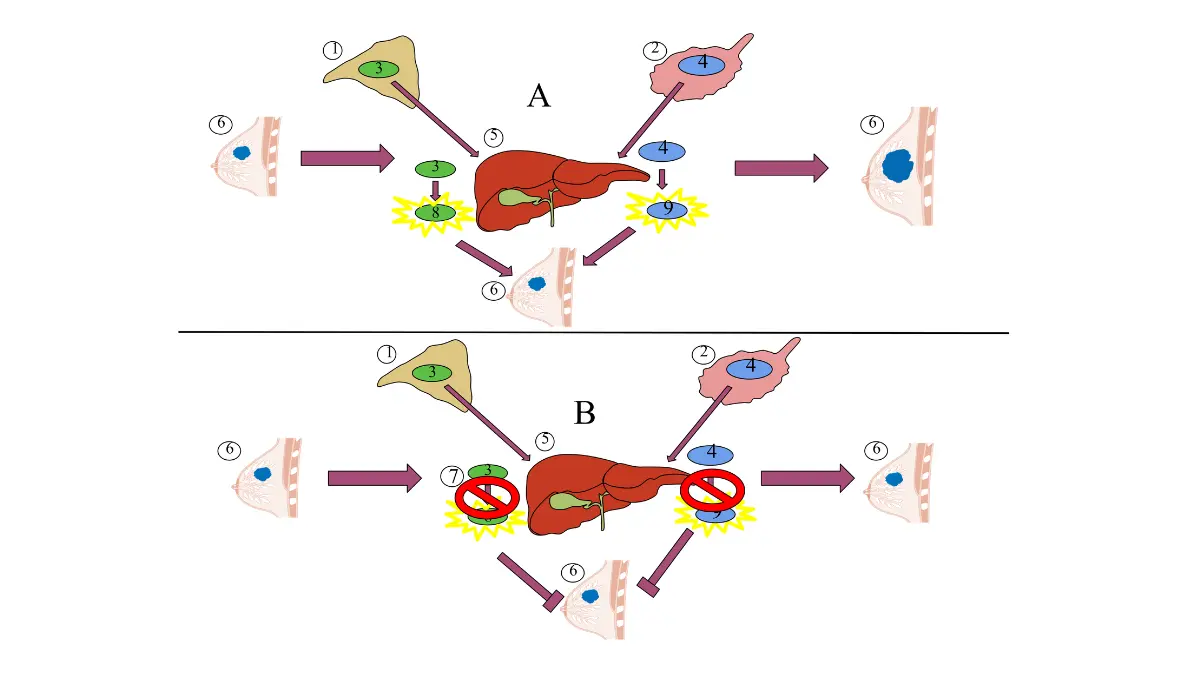
🔬 How It Works: In premenopausal women, the ovaries continue producing estrogen via a pathway that bypasses the aromatase enzyme entirely. This is why aromatase inhibitors alone are contraindicated in premenopausal women — without blocking ovarian estrogen production separately, the drug leaves the most significant estrogen source unaddressed.
Why the mechanism difference changes your clinical options
Tamoxifen’s receptor-blocking mechanism works across menopausal status. Aromatase inhibitors’ enzyme-blocking mechanism only fully suppresses estrogen after menopause — or when ovarian suppression is added. This is not a limitation of aromatase inhibitors as a drug class. It is a pharmacological reality that shapes every prescribing decision your oncologist makes.
📊 Clinical Data Point: Anastrozole, letrozole, and exemestane are each FDA-approved for adjuvant treatment of postmenopausal women with hormone receptor-positive early breast cancer. Tamoxifen holds FDA approval for both premenopausal and postmenopausal ER-positive breast cancer indications. Source: NCI breast cancer treatment summary | FDA drug information for aromatase inhibitors
Which drug reduces your recurrence risk more: the survival data
In postmenopausal women with ER-positive breast cancer, aromatase inhibitors demonstrate a statistically significant improvement in disease-free survival (DFS) compared to tamoxifen alone, per 2026 clinical evidence incorporated into current NCCN treatment guidelines. The data is real and meaningful — but understanding it correctly requires the distinction between relative and absolute risk reduction, which most patients never receive from a clinical source.
For broader context on how survival data is calculated for different breast cancer populations, see our guide on breast cancer survival rates by stage.
Disease-free survival: what the tamoxifen vs. AI data shows
In postmenopausal ER-positive patients, head-to-head clinical trial data incorporated into 2026 NCCN guidelines consistently shows aromatase inhibitors outperforming tamoxifen for DFS.
| Outcome Measure | Tamoxifen | Aromatase Inhibitors | Best For Patient Profile |
|---|---|---|---|
| Disease-free survival (postmenopausal) | Effective — established standard | Statistically superior | Postmenopausal ER+ patients |
| Disease-free survival (premenopausal) | Standard of care | AI + ovarian suppression for high-risk | Premenopausal ER+ patients |
| Overall survival benefit | Demonstrated | Comparable — DFS advantage does not always translate to OS gap | All ER+ patients |
| Bone protective effect | Mild (partial agonist on bone) | None — BMD monitoring required | Patients with bone density concerns |
📊 Clinical Data Point: Per 2026 NCCN guidelines for breast cancer, aromatase inhibitors are preferred over tamoxifen as adjuvant therapy in postmenopausal women with hormone receptor-positive breast cancer, based on clinical trial evidence demonstrating improved disease-free survival outcomes. Source: NCCN 2026 Breast Cancer Guidelines; ACS, 2026 — American Cancer Society hormone therapy for breast cancer
Understanding absolute vs. relative risk reduction as a patient
When your oncologist says aromatase inhibitors reduce recurrence risk by a percentage, that figure is almost always a relative risk reduction — not an absolute one. If your individual 10-year recurrence risk without therapy is 20%, and an aromatase inhibitor reduces that relative risk by 25%, your absolute risk reduction is 5% — bringing your 10-year risk to approximately 15%. That 5% absolute reduction is what actually changes your prognosis. Asking your oncologist for your absolute benefit figure — not just the relative one — is one of the most clinically valuable questions you can ask.
How your individual tumor profile changes these numbers
Estrogen receptor intensity, HER2 status, Ki-67 proliferation index, and lymph node involvement each modify how much benefit you personally derive from one drug class over the other. A patient with strongly ER-positive, HER2-negative, low-proliferation disease may derive more benefit from either drug class than a patient whose tumor receptor profile is at the margins. These variables are why population-level DFS data must be interpreted alongside your individual pathology report.
✅ Patient Action: Before your next oncology appointment, ask: “Based on my specific tumor receptor profile, staging, and recurrence risk category, what is my estimated absolute — not relative — reduction in 10-year recurrence risk with aromatase inhibitors compared to tamoxifen?” If your oncologist has not yet discussed this framing with you, use our Genetic Risk Assessment Tool to document your known risk factors before the appointment.
🩺 Physician Note: I review recurrence risk data with every newly diagnosed ER-positive patient before we discuss drug selection. The most important thing I communicate is that these are population-level probabilities, not individual predictions. Your tumor’s receptor intensity, grade, and node status are the variables that make the population-level DFS comparison personally meaningful or marginal for your specific case. — Dr. Carolyn D. Fairweather, MD, Gynecologic Oncology, reviewed by Dr. Nathaniel J. Hargrove, MD, Oncology
✅ Patient Action: Consult a board-certified oncologist to understand how disease-free survival figures from 2026 clinical evidence apply to your specific tumor characteristics and recurrence risk category before comparing tamoxifen and aromatase inhibitors on the basis of efficacy data alone.
Which hormone therapy is right for your cancer type?
For premenopausal women with ER-positive breast cancer, tamoxifen remains the standard first-line adjuvant hormonal therapy per NCCN 2026 treatment guidelines — though high-risk premenopausal patients may be candidates for an aromatase inhibitor when combined with ovarian suppression via a GnRH agonist. For postmenopausal women, aromatase inhibitors are the preferred first-line choice. Menopausal status is not one variable among many — it is the primary branch point in every treatment algorithm your oncologist uses.
| Menopausal Status | First-Line Therapy | Aromatase Inhibitor Eligible? | Key Clinical Requirement |
|---|---|---|---|
| Premenopausal — standard risk | Tamoxifen | No (unless with ovarian suppression) | Ovarian function intact |
| Premenopausal — high risk | Tamoxifen or AI + GnRH agonist | Yes — with ovarian suppression | GnRH agonist co-administration required |
| Perimenopausal | Oncologist-determined | Confirm with FSH/estradiol levels | May require laboratory confirmation of menopausal status |
| Postmenopausal | Aromatase inhibitor (preferred) | Yes — as standard first-line | No additional requirement |
| Postmenopausal — AI contraindicated | Tamoxifen | Not indicated | Severe bone density loss or cardiovascular contraindication |
For premenopausal women: tamoxifen as the standard first-line choice
Tamoxifen’s receptor-blocking mechanism works regardless of where estrogen is produced — which is precisely why it remains the standard for premenopausal women whose ovaries are still actively producing estrogen. Per NCCN 2026 guidelines, most premenopausal patients with ER-positive early breast cancer begin adjuvant therapy with tamoxifen for a standard 5-year course. High-risk patients — those with significant lymph node involvement or high-grade tumors — may be candidates for the ovarian suppression plus aromatase inhibitor protocol discussed in the next subsection.
For postmenopausal women: when aromatase inhibitors are preferred
Postmenopausal women produce estrogen in peripheral fat tissue via the aromatase enzyme — which aromatase inhibitors specifically target. Anastrozole, letrozole, and exemestane each suppress estrogen production by more than 95% in this population. This degree of suppression exceeds what tamoxifen achieves through receptor blockade alone, which is the mechanistic basis for aromatase inhibitors’ DFS advantage in postmenopausal women.
📊 Clinical Data Point: NCCN 2026 Breast Cancer Clinical Practice Guidelines recommend aromatase inhibitors as preferred adjuvant hormonal therapy for postmenopausal women with hormone receptor-positive early breast cancer, including as upfront therapy, extended therapy, and sequential therapy after tamoxifen. Source: NCCN 2026 breast cancer treatment guidelines.
When ovarian suppression changes the premenopausal equation
For premenopausal women at high recurrence risk, a GnRH agonist — leuprolide or goserelin — can be added to suppress ovarian estrogen production, creating a postmenopausal hormonal environment. Once ovarian suppression is achieved, an aromatase inhibitor — typically anastrozole or exemestane — can be prescribed alongside it. This combination is supported by 2026 clinical evidence and NCCN guidelines for high-risk premenopausal patients. Aromatase inhibitor use without concurrent ovarian suppression in a premenopausal patient is a clinical error — the ovaries will compensate by increasing estrogen output.
⚠️ Clinical Warning: Aromatase inhibitors are contraindicated as monotherapy in premenopausal women. Without ovarian suppression, the ovaries upregulate estrogen production in response to peripheral estrogen depletion, rendering the aromatase inhibitor ineffective and potentially stimulating tumor growth. Any premenopausal patient prescribed an aromatase inhibitor should confirm they are also receiving GnRH agonist therapy.
What your tumor’s receptor profile adds to the decision
Estrogen receptor intensity (strongly vs. weakly positive), progesterone receptor status, HER2 status, and Ki-67 proliferation rate each refine the treatment decision beyond menopausal status alone. Strongly ER-positive, HER2-negative, low-Ki-67 tumors are the ones most likely to derive the greatest absolute benefit from either drug class. If you have not had a complete receptor panel discussed with your oncologist, that conversation should happen before final drug selection.
During your first 90 days of hormonal therapy, documenting your body’s response is clinically useful — use our Symptom Checker to track changes you can bring to your next oncology follow-up.
🩺 Physician Note: “In my practice, menopausal status is always the first variable I confirm before discussing tamoxifen vs aromatase inhibitors with a newly diagnosed patient. I have seen patients prescribed an aromatase inhibitor while still premenopausal — without GnRH agonist co-therapy — and the clinical consequences of that error underscore why this is not a pharmacist-level check but a specialist-level assessment. Always confirm your menopausal status has been clinically verified, not just assumed by age.” — Dr. Carolyn D. Fairweather, MD, Gynecologic Oncology
✅ Patient Action: Before starting any hormonal therapy, ask your oncologist: “Has my current menopausal status been clinically confirmed? If I am premenopausal, why is this specific drug class — tamoxifen vs aromatase inhibitor — right for my recurrence risk category?” Consult a board-certified gynecologic oncologist to confirm that your prescribed therapy aligns with your menopausal status, tumor receptor profile, bone health, and cardiovascular risk factors before starting treatment.
Side effects compared: what your body will actually experience
The first question most patients ask before they even finish processing their diagnosis is not about survival statistics — it is about what these drugs will actually do to their body for the next five to ten years. That is a completely reasonable clinical priority, and it deserves a complete, honest answer.
| Side Effect | Tamoxifen | Aromatase Inhibitors | Clinical Note |
|---|---|---|---|
| Hot flashes | Very common | Common | Manageable; more severe with AIs for some patients |
| Joint pain (arthralgias) | Mild | Common — 30–50% of users | Leading reason patients request switching |
| Bone density loss | Mild protective effect | Significant loss — DEXA required | Bisphosphonate may be added if T-score declines |
| Blood clot risk (DVT/PE) | Clinically monitored increase | No increased risk | Report leg swelling, chest pain, shortness of breath immediately |
| Endometrial changes | Clinically monitored risk | No risk | Annual gynecologic follow-up required on tamoxifen |
| Vaginal dryness | Moderate | More common | Topical options available — discuss with oncologist |
| Cardiovascular risk | Slight protective effect (premenopausal) | Possible modest increase (postmenopausal) | Review cardiovascular history before prescribing AIs |
| Best for patient profile | Premenopausal; bone density concerns; joint conditions | Postmenopausal; no bone loss; no significant DVT history | Individual assessment required |
Tamoxifen side effects: blood clots, hot flashes, and endometrial risk explained
Tamoxifen’s most clinically significant risks are deep vein thrombosis, endometrial changes, and vasomotor symptoms. DVT risk is real and requires monitoring — report any calf swelling, leg pain, or shortness of breath to your oncologist immediately, as these can signal a clot that requires urgent evaluation.
📊 Clinical Data Point: Tamoxifen is associated with a clinically monitored increase in DVT and pulmonary embolism risk compared to the general population baseline. Annual gynecologic follow-up is recommended to monitor for endometrial thickening. Source: NCI, 2026
For more on recognizing blood clot symptoms and when they require emergency evaluation, see our clinical guide on deep vein thrombosis symptoms, causes, and treatment.
Endometrial cancer risk with tamoxifen is real but statistically rare — it requires annual gynecologic monitoring, not alarm. If you experience any unusual uterine bleeding while on tamoxifen, see our guide on endometrial cancer warning signs and contact your gynecologist promptly.
Aromatase inhibitor side effects: joint pain, bone loss, and what to monitor
Arthralgias — joint and muscle pain — are the most common reason patients consider stopping aromatase inhibitor therapy, affecting approximately 30–50% of users to some degree. The bone density impact requires active monitoring: patients starting aromatase inhibitor therapy should receive a baseline DEXA scan, with repeat scans at 12–24 month intervals to track BMD changes.

For a clinical explanation of what your DEXA scan T-score means and when treatment thresholds are reached, see our guide on understanding bone scan T-scores and treatment plans.
📊 Clinical Data Point: Aromatase inhibitors are associated with approximately 1–2% annual loss in bone mineral density at the lumbar spine during therapy, warranting baseline DEXA scanning and regular interval monitoring. Bisphosphonate therapy may be initiated if T-score declines below clinical thresholds established in 2026 NCCN guidelines. Source: NCCN 2026.
Does tamoxifen cause weight gain?
Tamoxifen and weight change is a question nearly every patient raises. Clinical data shows modest, variable weight changes in some tamoxifen users — influenced by the drug’s mild estrogenic effect in certain tissues, concurrent menopausal transition, treatment-related lifestyle disruptions, and reduced physical activity during active cancer management. Aromatase inhibitors are not directly associated with weight gain. Neither drug class makes weight management impossible, and neither should be rejected or selected on this basis alone.
Managing side effects without stopping therapy
⚠️ Clinical Warning: Stopping aromatase inhibitors or tamoxifen without oncologist guidance is one of the most preventable treatment errors in ER-positive breast cancer management. Unilateral therapy discontinuation creates a gap in hormonal protection that directly increases recurrence risk. If side effects are affecting your quality of life, the clinical response is management — NSAIDs for arthralgias, bisphosphonates for bone density, topical agents for vaginal dryness — not independent discontinuation.
✅ Patient Action: Consult a board-certified oncologist before stopping or modifying your hormone therapy regimen due to side effects. Ask specifically: “Which of my side effects are manageable without stopping therapy, and what is the clinical risk to my recurrence protection if I stop for more than two weeks?”
How long you take it — and what it costs in 2026
Standard tamoxifen therapy lasts 5 years for most ER-positive breast cancer patients. High-risk patients — those with significant lymph node involvement, high-grade tumors, or strong ER positivity — may be recommended an extended 10-year course, based on current 2026 clinical evidence and NCCN guidelines. This extension decision is oncologist-led and is typically revisited at the 5-year mark with a formal recurrence risk reassessment.
Body weight and circulating estrogen levels interact meaningfully in postmenopausal women — use our BMI Calculator to track your body mass index as part of your overall hormonal therapy monitoring plan.
The 5-year vs. 10-year tamoxifen decision
Extending tamoxifen from 5 to 10 years is not automatic — it is a clinical decision driven by your recurrence risk profile, tolerability to date, and menopausal status during the initial 5 years. Patients who transition through menopause during tamoxifen therapy have an additional consideration: switching to an aromatase inhibitor at year 5 may be more appropriate than extending tamoxifen. This is a specialist-level decision.
How long aromatase inhibitors are typically prescribed
Standard aromatase inhibitor therapy is 5 years for most postmenopausal ER-positive patients. High-risk patients may be offered extended therapy up to 7–10 years, depending on their individual recurrence risk assessment and tolerability at the 5-year point. Sequential therapy — 2–3 years of tamoxifen followed by an aromatase inhibitor to complete a 5–10 year course — is also an established protocol in 2026 NCCN guidelines.
What tamoxifen and aromatase inhibitors cost in 2026
| Drug | Approximate Monthly Cost (Generic) | Insurance Coverage |
|---|---|---|
| Tamoxifen | $10–$30/month | Widely covered as standard of care |
| Anastrozole | $15–$50/month | Widely covered; generic widely available |
| Letrozole | $15–$50/month | Widely covered; generic widely available |
| Exemestane | $20–$60/month | Covered |
📊 Clinical Data Point: Generic tamoxifen is among the most affordable long-term cancer medications available in the US formulary. Generic anastrozole and letrozole became widely available and significantly reduced AI out-of-pocket costs. Prescription discount programs can reduce costs further for patients without comprehensive coverage.
Cost should not determine tamoxifen vs aromatase inhibitor selection — clinical appropriateness for your menopausal status and tumor profile is the governing criterion.
✅ Patient Action: Consult a board-certified oncologist to evaluate whether extending tamoxifen to 10 years or transitioning to an aromatase inhibitor after year 5 is appropriate for your specific recurrence risk profile, tolerability history, and menopausal status at that point. This is a clinical decision, not a patient-initiated one.
When switching makes sense — and what to never do alone
Switching from tamoxifen to an aromatase inhibitor is a clinically established option in specific scenarios: when a premenopausal patient completes menopause during tamoxifen therapy, when a CYP2D6 poor-metabolizer variant reduces tamoxifen’s active metabolite levels, or when intolerable side effects are unresponsive to management — always under oncologist supervision. The reverse switch — from aromatase inhibitor to tamoxifen — is also supported for patients who develop severe bone density loss or significant cardiovascular events on AI therapy.
Clinical criteria for switching from tamoxifen to an aromatase inhibitor
🩺 Physician Note: “In my practice, the most common switching scenario I encounter is a patient who was premenopausal at diagnosis and completes menopause during years 2 or 3 of tamoxifen therapy. At that point, switching to an aromatase inhibitor is clinically appropriate and should be proactively raised at the next oncology follow-up — not waited on until the end of a 5-year course. I also see patients with confirmed CYP2D6 poor-metabolizer status who have been on tamoxifen for years without knowing their active drug levels may be significantly reduced. Pharmacogenomic testing at diagnosis is a conversation more oncologists should be initiating.” — Dr. Carolyn D. Fairweather, MD, Gynecologic Oncology
The three primary switching triggers are: (1) menopausal transition during tamoxifen therapy; (2) confirmed CYP2D6 poor-metabolizer variant with evidence of reduced endoxifen levels; (3) clinically unmanageable side effects — significant DVT events, endometrial hyperplasia requiring intervention, or severe vasomotor symptoms — that have not responded to pharmacological management. If you have BRCA1 or BRCA2 hereditary mutation status that has not yet been factored into your hormonal therapy conversation, see our guide on understanding your BRCA test results and raise this with your oncologist.
Why stopping hormone therapy without your oncologist is dangerous
⚠️ Clinical Warning: Unilaterally stopping tamoxifen or an aromatase inhibitor — without oncologist guidance — removes hormonal protection during a period when recurrence risk remains real. Even a 2–3 month gap in adjuvant endocrine therapy has measurable clinical implications for high-risk patients. If side effects are driving you toward stopping, call your oncologist before stopping — not after.
✅ Patient Action: Consult a board-certified gynecologic oncologist before making any change to your hormone therapy regimen — including switching between drug classes, extending duration, or pausing therapy for a procedure. Ask specifically: “Is the switch I am considering supported by a clinical criterion in my case, or is it a patient-preference-driven request?”
Tamoxifen vs aromatase inhibitors: your questions answered
1. What is the difference between tamoxifen and aromatase inhibitors?
Tamoxifen vs aromatase inhibitors differ in their mechanism. Tamoxifen is a selective estrogen receptor modulator that blocks estrogen from binding to cancer cells without reducing circulating estrogen levels. Aromatase inhibitors — anastrozole, letrozole, and exemestane — prevent estrogen production entirely by blocking the aromatase enzyme in peripheral fat tissue. This mechanism difference determines which drug is appropriate based on menopausal status and estrogen source.
2. Which is better for postmenopausal breast cancer?
For postmenopausal women with ER-positive breast cancer, aromatase inhibitors are the preferred first-line hormonal therapy per NCCN 2026 guidelines, demonstrating improved disease-free survival compared to tamoxifen in this population. Tamoxifen remains an appropriate alternative when aromatase inhibitors are contraindicated due to severe bone density loss or cardiovascular risk factors. Consult a board-certified oncologist to determine which tamoxifen vs aromatase inhibitor option aligns with your tumor profile and medical history.
3. Can premenopausal women take aromatase inhibitors?
Yes, but only with concurrent ovarian suppression. Aromatase inhibitors alone cannot block estrogen in premenopausal women because the ovaries continue producing it through a separate pathway the drug does not target. High-risk premenopausal patients may receive an aromatase inhibitor alongside a GnRH agonist such as leuprolide or goserelin. Tamoxifen remains the standard first-line choice for most premenopausal patients per NCCN 2026 guidelines. Consult a board-certified gynecologic oncologist before making this decision.
4. What are the side effects of tamoxifen?
The most clinically significant tamoxifen side effects include hot flashes, vaginal dryness, mood changes, and a monitored increase in deep vein thrombosis risk. A small but real increase in endometrial changes requires annual gynecologic monitoring during therapy. These effects are manageable under oncologist supervision and should never prompt you to stop tamoxifen without guidance — gaps in therapy increase recurrence risk. Consult a board-certified oncologist if side effects are interfering with your treatment adherence.
5. What are the side effects of aromatase inhibitors?
The most common aromatase inhibitor side effect is arthralgias — joint pain affecting approximately 30–50% of users — alongside bone mineral density loss, hot flashes, and vaginal dryness. Bone loss requires baseline DEXA scanning and regular monitoring intervals during therapy. Most side effects are manageable without discontinuing your tamoxifen vs aromatase inhibitor regimen. Consult a board-certified oncologist before modifying or stopping your aromatase inhibitor due to side effects — management strategies exist for most presentations.
6. How long do you take tamoxifen?
Standard tamoxifen therapy lasts 5 years for most ER-positive breast cancer patients. High-risk patients — those with lymph node involvement or high-grade tumors — may be recommended a 10-year course per NCCN 2026 guidelines. This extension decision is oncologist-led, not patient-initiated, and depends on recurrence risk category, tolerability, and menopausal transition during therapy. Consult a board-certified oncologist to evaluate whether extended tamoxifen is appropriate for your specific clinical profile.
7. Can you switch from tamoxifen to an aromatase inhibitor?
Switching from tamoxifen to an aromatase inhibitor is established in specific scenarios: completion of menopause during therapy, a CYP2D6 poor-metabolizer variant reducing tamoxifen efficacy, or clinically unmanageable side effects. The reverse switch is also an option under specific conditions. Switching should never be patient-initiated — gaps in tamoxifen vs aromatase inhibitor therapy increase recurrence risk. Consult a board-certified gynecologic oncologist before making any change to your hormonal therapy regimen.
8. Does tamoxifen cause weight gain?
Clinical data shows tamoxifen is associated with modest, variable weight changes in some patients — influenced by the drug’s mild estrogenic effects in certain tissues, menopausal transition occurring during therapy, and treatment-related lifestyle disruption. Aromatase inhibitors are not directly associated with weight gain. Neither drug’s weight profile should determine your tamoxifen vs aromatase inhibitor selection — clinical appropriateness for your menopausal status and receptor profile governs that decision. Discuss nutrition and activity strategies with your oncologist.
9. Which drug reduces recurrence risk more?
In postmenopausal women, aromatase inhibitors demonstrate improved disease-free survival vs tamoxifen per 2026 clinical evidence — though absolute benefit varies by individual recurrence risk category and tumor profile. In premenopausal women, tamoxifen alone or combined with ovarian suppression provides comparable efficacy as first-line therapy. Population-level data must be interpreted alongside your specific pathology. Consult a board-certified oncologist to understand how tamoxifen vs aromatase inhibitor efficacy data applies to your individual case.
10. Is tamoxifen still used in 2026?
Yes. Tamoxifen remains FDA-approved and NCCN-guideline-recommended in 2026 as the standard first-line hormonal therapy for premenopausal women with ER-positive breast cancer. It is also an appropriate option for postmenopausal patients when aromatase inhibitors are contraindicated. Generic tamoxifen is significantly more affordable than most aromatase inhibitors, which influences planning for patients with limited prescription coverage. Tamoxifen is not outdated — it remains a proven, guideline-supported foundation of ER-positive breast cancer management.
11. What is the cost difference between tamoxifen and aromatase inhibitors?
Generic tamoxifen costs approximately $10–$30 per month at most US pharmacies. Generic aromatase inhibitors — anastrozole and letrozole — typically range from $15–$50 per month without insurance. Prescription discount programs can meaningfully reduce out-of-pocket costs for uninsured or underinsured patients managing tamoxifen vs aromatase inhibitor therapy long-term. Cost alone should not determine your drug selection — clinical appropriateness for your menopausal status and ER-positive tumor profile takes priority over pricing.
Your next step: bring these questions to your oncology appointment

Three things matter most when evaluating tamoxifen vs aromatase inhibitors: your menopausal status governs which drug class is appropriate, both are proven and NCCN-guideline-recommended options in 2026, and side effects are manageable under oncologist supervision in most cases.
Your next best action is a dedicated hormone therapy conversation with your oncologist — one where you ask specifically about your menopausal status confirmation, absolute recurrence risk reduction, side effect monitoring plan, and therapy duration. If you want to prepare structured questions before that appointment, the clinical decision framework in Section 4 and the switching criteria in Section 7 provide the vocabulary that turns that conversation from passive to informed.
For your full treatment roadmap — from staging through systemic therapy — return to our breast cancer stages and treatment overview.
About this content
How this article was put together: researched from recognised health sources, drafted with the help of AI tools, and edited by hand, with sources linked throughout.

Sameer Patel is the founder and editor of My Medicine Advisor. He is not a doctor or medical professional — before starting this site he worked in banking,…
Medical disclaimer
The content on MyMedicineAdvisor is provided for general informational and educational purposes only and is not a substitute for professional medical advice, diagnosis, or treatment. Health information on this website should not be used to diagnose, treat, cure, or prevent any condition without guidance from a qualified healthcare professional. Always seek the advice of your doctor, physician, or another licensed healthcare provider with any questions you may have regarding a medical condition, symptoms, medications, or treatment decisions.