
On This Page – Quick Medical Summary
You finished breast cancer treatment — what comes next
The day treatment ends is rarely the relief it is supposed to be. In my survivorship clinic, patients consistently describe it as one of the most disorienting moments of the entire breast cancer journey — the structured schedule of chemotherapy appointments, radiation sessions, and oncology check-ins provided a paradoxical sense of control that its sudden absence quietly removes.
Life after breast cancer is a distinct clinical phase with its own protocols, its own surveillance requirements, and its own milestones. It is not a return to your previous life. It is a new chapter with a clinical roadmap — and this guide is that roadmap.
Why the end of treatment can feel more frightening than the start
The fear does not stop when the treatment does. For many survivors, it intensifies — because the active phase of fighting is over, but the uncertainty has not resolved. This is not an emotional overreaction. It is a recognized pattern in survivorship medicine with a clinical name, a diagnostic threshold, and evidence-based interventions. You will find all of them in Section 5.
How this guide is organized for your specific stage
If you are still working through what your diagnosis means clinically, our complete guide to breast cancer stages and survival provides the foundation this article builds on.
ℹ️ Medical Disclaimer: The surveillance schedules, treatment protocols, endocrine therapy guidance, late effect management recommendations, medication information, and fertility planning discussed in this article reflect current survivorship care guidelines and are provided for educational purposes only. Individual decisions about post-treatment surveillance intervals, endocrine therapy duration, late effect management, and fertility timing depend on your specific tumor biology, treatment history, hormone receptor status, comorbidities, and specialist assessment. Consult a board-certified gynecologic oncologist or your treating oncology care team before acting on any clinical information in this article.
What a breast cancer survivorship care plan actually includes
A survivorship care plan is a written medical document — aligned with ASCO’s current survivorship care framework — that records your complete treatment history, defines your post-treatment surveillance schedule, and specifies the late effects most likely to affect you based on the exact treatments you received. A significant proportion of breast cancer survivors complete treatment without a formal written plan, receiving verbal discharge instructions instead of the structured clinical document that should guide their next five to ten years of care.
🩺 Physician Note: “The most common situation I encounter in survivorship clinic is a patient who completed chemotherapy eighteen months ago, has been managing alone, and had no idea a formal survivorship care plan existed. If that is you, you are not behind — and it is not too late to request one. That single document changes how you manage everything that follows.” — Dr. Carolyn D. Fairweather, MD, Gynecologic Oncology
The five components every survivorship care plan must cover
- Treatment summary — every drug class and dose range received, every surgical procedure performed, and every radiation field completed, organized with approximate dates
- Surveillance schedule — mammogram intervals, DEXA scan timing, blood work frequency, and oncology visit intervals organized by year post-treatment
- Late effects list — the specific conditions linked to your treatment combination, not a generic roster applicable to all breast cancer survivors
- Specialist referral map — which physician types to see, for which conditions, and at what interval (lymphedema therapist, cardiologist, reproductive endocrinologist, psycho-oncologist)
- Emergency contact criteria — the exact symptoms requiring same-day oncology contact rather than waiting for a scheduled follow-up appointment
How to get a survivorship care plan if your oncologist didn’t provide one
Request one explicitly at your next appointment using the specific phrase “ASCO survivorship care plan” — most oncology practices have templates aligned with this framework. NCI’s breast cancer survivorship resources and ASCO’s survivorship care plan guidelines both provide patient-accessible versions of what a complete plan contains.
If you have not had formal genetic counseling and are uncertain whether BRCA testing is recommended for you, our Genetic Risk Assessment Tool can help clarify that question before your survivorship plan is finalized.
What BRCA-positive survivors need in their plan that other survivors don’t
Survivors with a confirmed mutation have their own guide to what BRCA gene test results mean for breast cancer monitoring — including the enhanced surveillance requirements that go beyond standard post-treatment protocols. Annual breast MRI added to standard mammography, accelerated contralateral breast monitoring, and formal counseling on risk-reduction options for ovarian cancer are not optional additions for BRCA-positive survivors. They are the clinical standard, and they belong in your survivorship care plan by name.
✅ Patient Action: At your next oncology appointment, say specifically: “I would like to complete an ASCO-format survivorship care plan. Can we schedule time for that today, or should I book a dedicated survivorship appointment?” If your oncologist’s office cannot accommodate this, ask for a referral to your nearest comprehensive cancer center survivorship clinic.
Your breast cancer follow-up schedule: what to monitor and when
Mammographic surveillance is the clinical foundation of post-treatment breast cancer monitoring. Per 2026 NCCN survivorship guidelines, breast cancer survivors should undergo annual mammography of both the treated breast (or remaining breast tissue following mastectomy) and the contralateral breast, with the first post-treatment mammogram typically scheduled 6 to 12 months after completing radiation therapy. Routine blood tumor marker tests — including CA 15-3 and CEA — are not recommended as standard surveillance tools in asymptomatic survivors without specific clinical indication.
📊 Clinical Data Point: Annual mammography is the only imaging surveillance modality with a specific NCCN guideline recommendation for routine post-treatment breast cancer monitoring in asymptomatic survivors. PET scans, bone scans, and CT imaging are not recommended for surveillance without specific clinical indication — source: NCCN Breast Cancer Survivorship Guidelines.
Annual mammogram schedule after breast cancer — what the guidelines say in 2026
| Year Post-Treatment | Recommended Surveillance Action |
|---|---|
| 0–12 months | First post-treatment mammogram — both breasts — schedule 6–12 months after radiation completion |
| Years 1–5 | Annual mammogram — ipsilateral and contralateral breast |
| Year 5 and beyond | Annual mammogram maintained indefinitely per current guidelines |
| BRCA-positive survivors | Annual breast MRI added to annual mammogram — timing individualized |
| HER2-positive survivors (trastuzumab or pertuzumab exposure) | Periodic echocardiogram added — interval set by treating oncologist |
Source: NCCN Breast Cancer Survivorship Guidelines
Understanding your imaging results matters as much as scheduling them. Our guide to mammogram BI-RADS scoring — what your callback result means explains every result category in plain language.
Symptoms that require an urgent call to your oncologist — not a wait-and-see approach
⚠️ Clinical Warning: The symptoms below during breast cancer survivorship require same-day contact with your oncologist — not monitoring at home, not waiting for your next scheduled appointment. Early identification of recurrence significantly expands treatment options. Contact your oncologist the same day you notice any of the following.
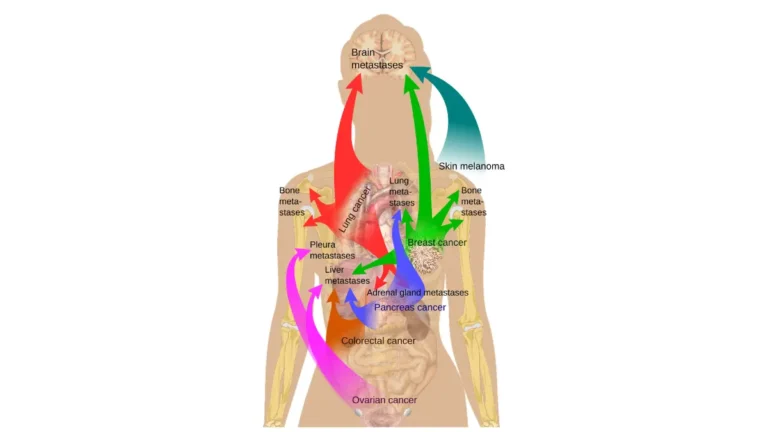
- New persistent bone pain at a specific anatomic location — spine, hips, ribs, or femur — that does not resolve with over-the-counter analgesics after 7 days. This is clinically distinct from the diffuse joint aching commonly caused by aromatase inhibitors.
- Neurological changes including new-onset headaches, confusion, vision changes, or unexplained numbness lasting more than 48 hours
- Unexplained weight loss of 10 or more pounds in a 30-day period without dietary change
- New axillary or supraclavicular lymph node swelling on either side of the body
- Skin changes on the treated breast — new persistent redness, thickening, peau d’orange texture, or nipple discharge
Between appointments, use our Symptom Checker to log new or changing symptoms as a running record to review with your oncologist at every visit.
🩺 Physician Note: “The recurrence symptom I most commonly see dismissed as something else is new, persistent, localized bone pain — particularly in the spine, hips, or ribs. Patients attribute it to aging, sleeping position, or arthritis. My clinical rule: if the pain is localized to a specific site, has persisted for more than 7 days, and does not respond to ibuprofen or naproxen — contact your oncologist the same day. Not tomorrow. Today.” — Dr. Carolyn D. Fairweather, MD
✅ Patient Action: If you experience any symptom listed in this section between scheduled appointments, contact your treating gynecologic oncologist or oncologist that day. Do not self-monitor for another week. Do not reassure yourself that it is “probably nothing.” Early recurrence detection changes treatment options.
Surveillance differences for BRCA-positive, HER2-positive, and triple-negative survivors
Post-treatment surveillance is not identical for all breast cancer subtypes. BRCA-positive survivors require annual breast MRI alongside standard mammography — a clinical addition your survivorship care plan must specify by name. HER2-positive survivors who received trastuzumab or pertuzumab carry a cardiotoxicity risk profile that mandates periodic cardiac function monitoring, typically via echocardiography at intervals set by your oncologist. Triple-negative breast cancer carries a higher early recurrence risk concentrated in the first 3 years post-treatment — which is why discussing accelerated follow-up visit intervals with your oncologist is clinically warranted.

Our companion article on breast cancer recurrence — when it happens and what it looks like provides the clinical detail on recurrence patterns, anatomic locations, and subtype-specific risk timelines.
Late effects of breast cancer treatment — what to expect and how to manage them
The most common late and long-term effects of breast cancer treatment — reported across all treatment modalities — are lymphedema, cancer-related cognitive impairment, aromatase inhibitor-induced bone loss, peripheral neuropathy, and genitourinary syndrome of menopause. Which of these apply to you depends directly on your specific treatment combination: a survivor who underwent sentinel node biopsy only carries a substantially different late-effect profile than one who had axillary lymph node dissection followed by anthracycline-based chemotherapy and extended aromatase inhibitor therapy.
📊 Clinical Data Point: Lymphedema affects approximately 20–30% of breast cancer survivors who undergo axillary lymph node dissection, compared to 5–7% after sentinel lymph node biopsy alone — reflecting the direct relationship between the extent of lymph node removal and long-term lymphatic disruption.
Lymphedema — who is at risk and how to reduce it starting at treatment completion
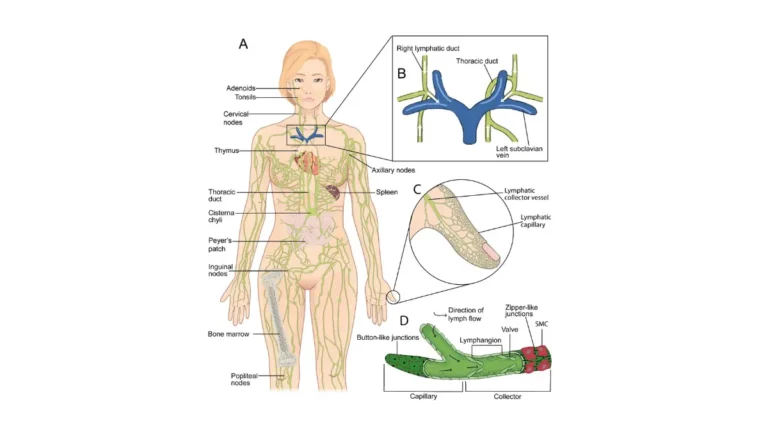
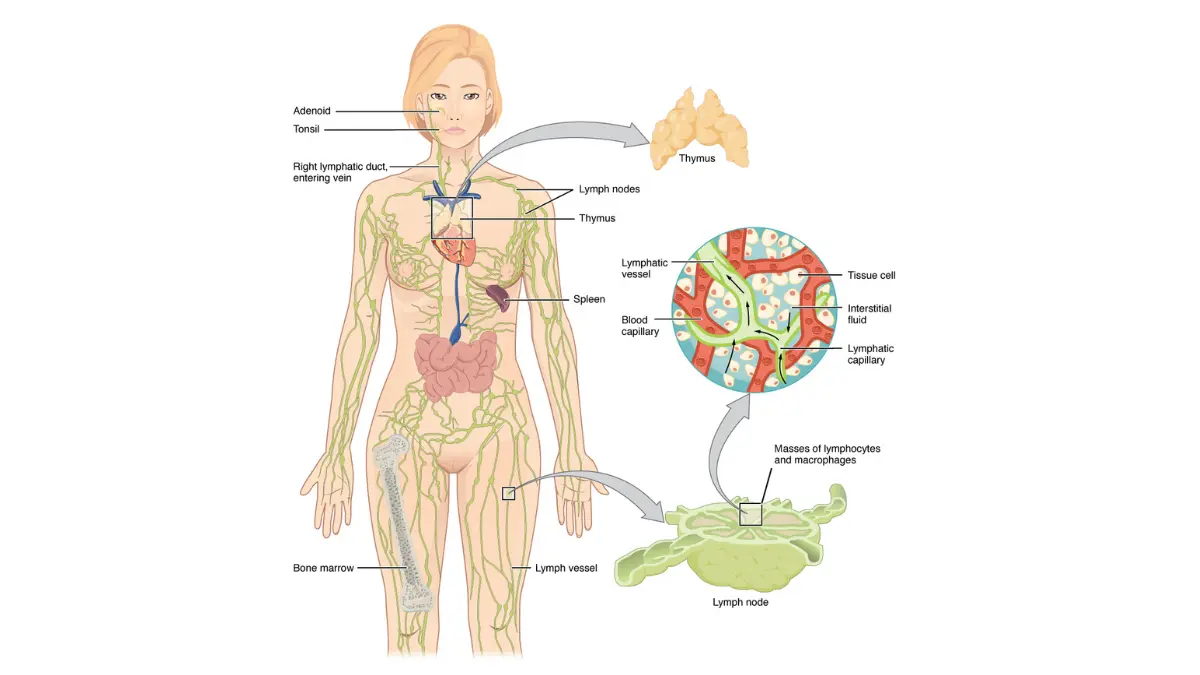
Lymphedema — chronic arm and hand swelling caused by disruption of the lymphatic drainage system — is the most structurally significant late effect for survivors who underwent axillary lymph node dissection. Risk-reduction behaviors must begin at treatment completion, not when swelling first appears.
🔬 How It Works: Axillary lymph node dissection removes lymph nodes from the armpit to stage and control cancer spread. When these nodes are removed, the lymphatic drainage network that filters fluid from the arm is disrupted. Fluid accumulates — initially intermittently, then permanently — producing the persistent swelling, heaviness, and tightness that defines lymphedema. The condition does not resolve on its own; it requires clinical management.
Evidence-based risk reduction includes maintaining a healthy arm weight, avoiding blood pressure cuffs or IV placements in the affected arm, wearing a fitted compression sleeve during air travel, and beginning certified manual lymphatic drainage therapy through a specialist referral. The American Cancer Society’s lymphedema management guide outlines the clinical steps from compression garment fitting to certified lymphedema therapist referral.
✅ Patient Action: Consult a certified lymphedema therapist (CLT) through a referral from your oncologist before attempting to self-manage lymphedema. Incorrect self-massage technique can worsen the condition and accelerate progression.
Chemo brain — how long it lasts and what the evidence shows for recovery
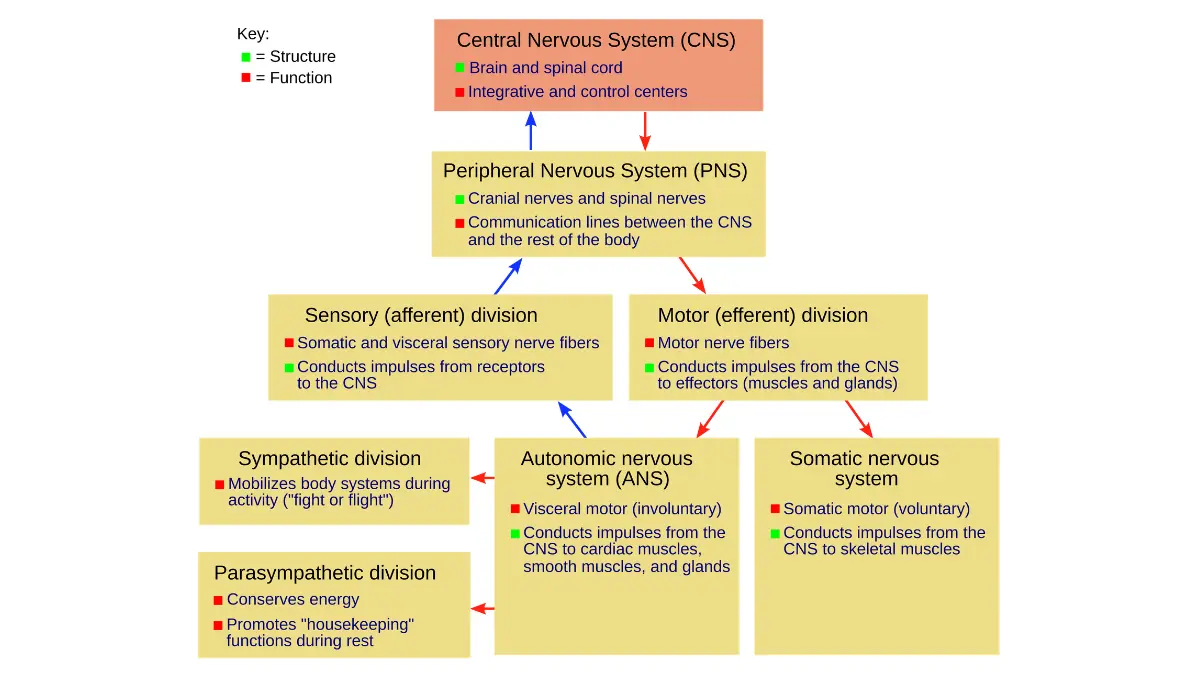
Cancer-related cognitive impairment (CRCI) — commonly called chemo brain — affects attention, verbal memory, processing speed, and multitasking ability following cytotoxic chemotherapy. Most breast cancer survivors experience partial-to-full resolution within 12 to 18 months of completing treatment.
🔬 How It Works: Cytotoxic chemotherapy agents cross the blood-brain barrier and produce neuroinflammation, reduce cerebral blood flow, and disrupt neurotransmitter signaling — collectively producing the subjective experience of mental fog, word-finding difficulty, and slowed processing that characterizes CRCI. The mechanism is biological, not psychological.
Cognitive rehabilitation programs delivered by neuropsychologists and structured sleep management both show clinical evidence for improving CRCI outcomes. Our guide to managing chemo side effects in breast cancer treatment addresses CRCI in full clinical detail, including the validated instruments used to measure it.
Bone loss on aromatase inhibitors — when you need a DEXA scan and what to do about a low score
Aromatase inhibitors — anastrozole, letrozole, and exemestane — work by suppressing estrogen synthesis through aromatase enzyme inhibition. Estrogen suppression accelerates osteoclast activity and reduces bone mineral density at a rate significantly exceeding age-related bone loss. A DEXA scan is not optional in AI-treated survivors; it is a mandatory component of survivorship care.
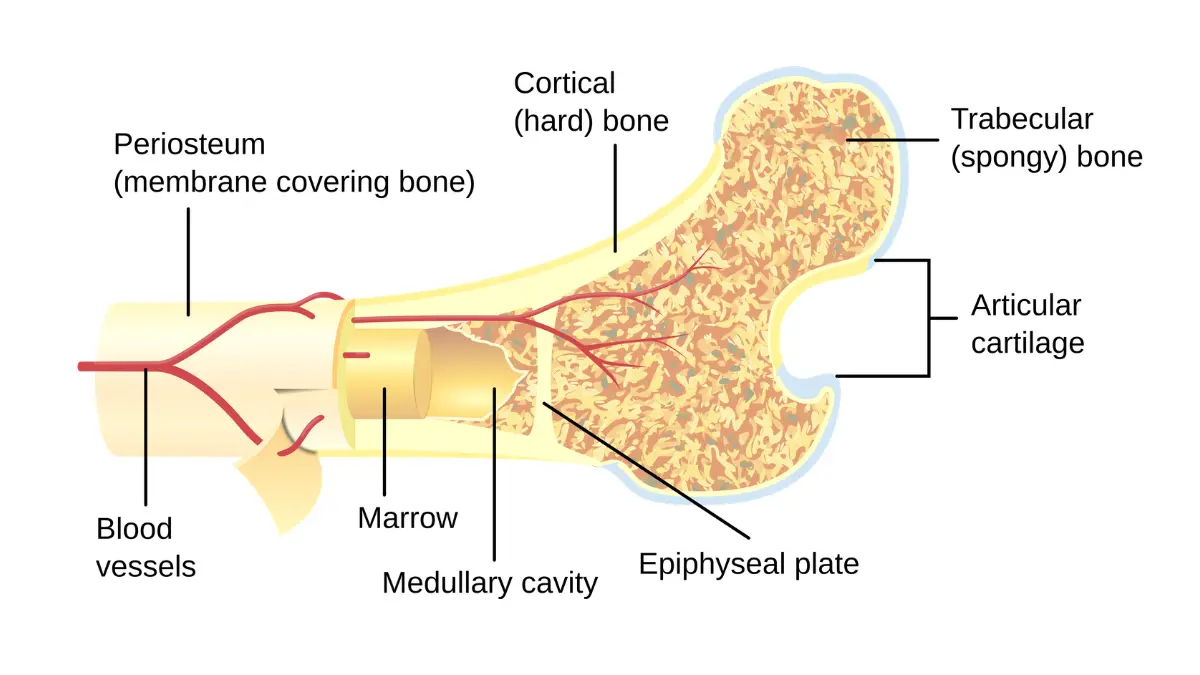
📊 Clinical Data Point: Per 2026 NCCN bone health guidelines for breast cancer survivors on aromatase inhibitor therapy, a baseline DEXA scan should be obtained at treatment initiation, with repeat imaging at 1–2 year intervals depending on baseline T-score. Bisphosphonate therapy initiation is recommended when DEXA T-score falls to ≤ −2.5 at the femoral neck or lumbar spine.
Our guide to interpreting a T-score of −2.5 on a bone density scan explains exactly what that number means and what happens next clinically.
The clinical comparison of tamoxifen versus aromatase inhibitors explains why these two endocrine therapy classes carry different bone health risk profiles — a distinction that directly affects your DEXA scan interval and supplementation needs.
✅ Patient Action: Do not stop or modify aromatase inhibitor or tamoxifen therapy without explicit direction from your treating oncologist. Endocrine therapy duration — 5 or 10 years — is individually calibrated to your tumor biology and recurrence risk. Stopping endocrine therapy early significantly increases recurrence risk in ER-positive breast cancer.
Genitourinary syndrome of menopause — the side effect no one talks about
Genitourinary syndrome of menopause (GSM) — vaginal dryness, dyspareunia, urinary urgency, and recurrent urinary tract infections — affects the majority of survivors who experience treatment-induced menopause, whether from chemotherapy, oophorectomy, or extended endocrine therapy. It is consistently underreported in clinical practice, because patients do not raise it and oncologists do not systematically screen for it.
Non-hormonal interventions with clinical evidence include regular vaginal moisturizers (not limited to use before sexual activity) and referral to a pelvic floor physical therapist specializing in post-cancer sexual rehabilitation.
✅ Patient Action: Consult a board-certified gynecologic oncologist before using any vaginal estrogen product. Local vaginal estrogen has specific safety data in ER-positive breast cancer survivors, but the risk-benefit discussion requires individual clinical assessment based on your hormone receptor status and recurrence risk profile.
Fear of breast cancer coming back — when worry becomes a clinical concern
The anxiety that persists after treatment ends has a clinical name: fear of cancer recurrence (FCR). It is not a sign of psychological fragility. It is a recognized survivorship condition that affects the majority of breast cancer survivors to some degree — and in a clinically significant subset, it meets the diagnostic threshold for a recognized anxiety disorder requiring specialist intervention.
📊 Clinical Data Point: Current clinical literature consistently identifies fear of cancer recurrence as one of the most prevalent unmet needs in breast cancer survivorship. Clinically significant FCR — defined as persistent, intrusive worry that measurably impairs daily functioning or follow-up appointment attendance — is estimated to affect approximately 30–40% of breast cancer survivors at any post-treatment time point.
The clinical difference between normal survivorship anxiety and fear of recurrence disorder
Normal survivorship anxiety is episodic — it peaks around scan dates and oncology appointments, then recedes between them. Clinical FCR is persistent and intrusive: it does not remit between appointments, it disrupts sleep and concentration, it strains relationships, and it often makes survivors reluctant to attend the very follow-up appointments designed to detect recurrence early.
The validated clinical instrument most commonly used to measure FCR severity is the Fear of Cancer Recurrence Inventory (FCRI). Your oncology care team should be offering psychosocial distress screening — using the distress thermometer or an equivalent validated tool — at every follow-up visit. If this has not been offered at your last two visits, ask for it directly.
Evidence-based strategies that reduce fear of recurrence — what psycho-oncology shows in 2026
Acceptance and Commitment Therapy adapted for cancer (ACT-FCR) has the strongest current evidence base for clinically significant FCR reduction. Mindfulness-Based Cancer Recovery (MBCR) programs show significant effects on both FCR severity and sleep quality in breast cancer survivors. These are not general relaxation approaches — they are structured clinical interventions delivered by trained psycho-oncologists, and they produce measurable outcomes on validated FCR instruments.
NCI’s guide to managing anxiety and fear of cancer recurrence outlines evidence-based approaches that can be brought to your oncology care team for referral discussion.
A consistent sleep schedule supports both cognitive recovery and FCR symptom management. Our Sleep Calculator can help you identify an optimal schedule during the survivorship recovery period.
How caregivers can support a survivor experiencing recurrence anxiety without making it worse
The most counterproductive caregiver behavior is repeated reassurance-seeking — constantly asking whether a symptom might be recurrence reinforces the vigilance loop that drives clinical FCR rather than interrupting it. Evidence-based caregiver support involves responding to distress with presence rather than problem-solving: acknowledging the fear without amplifying it, normalizing follow-up appointments as routine rather than threatening, and supporting — not substituting for — professional psycho-oncology referral when FCR is clinically significant.
✅ Patient Action: If fear of recurrence is significantly interfering with your daily life, work, relationships, or willingness to attend follow-up appointments, ask your oncologist specifically: “I think my anxiety about recurrence is affecting my daily functioning. Can you refer me to a psycho-oncologist or a licensed clinical psychologist who specializes in oncology?” Name the functional impact — that clinical framing accelerates the referral.
Returning to everyday life after breast cancer — work, relationships, and fertility decisions
Re-entering daily life after treatment is not a return to baseline. Physical fatigue, cognitive changes, body image shifts, and the ongoing obligations of survivorship monitoring all interact with the practical demands of work, relationships, and long-term life planning. The three areas below are the ones survivors raise most consistently in clinic — and each one has a clinical framework that makes the decisions clearer.
Returning to work after breast cancer — when you’re ready and what accommodation rights apply
There is no universal timeline for returning to work after breast cancer treatment. Fatigue, cognitive impairment, and treatment-related physical limitations all influence readiness — and these vary significantly by treatment type, intensity, and individual response. Most oncologists recommend a graduated return rather than a full-schedule restart.
US breast cancer survivors have legally protected accommodation rights under the Americans with Disabilities Act (ADA). These include flexible scheduling for follow-up appointments, modified duties during recovery periods, and leave protections under the Family and Medical Leave Act (FMLA). Temporary accommodation requests based on treatment recovery — not permanent disability designation — are the appropriate starting point for most survivors returning to work within the first year post-treatment.
Rebuilding physical activity during this period is clinically supported. Our Heart Rate Zone Calculator can help you identify safe cardiovascular exercise intensity zones as you resume activity — particularly relevant for survivors who received anthracycline-based chemotherapy and need cardiac monitoring during exercise.
Sexual health and intimacy after treatment — what to expect and what helps
Sexual health changes after breast cancer treatment are among the most common and most consistently underdiscussed survivorship concerns. Treatment-induced menopause, vaginal dryness secondary to GSM, body image changes following mastectomy or lumpectomy, and hormonal shifts from extended endocrine therapy all affect sexual function — and most survivors receive no clinical guidance on any of these effects at treatment discharge.
Non-hormonal interventions with clinical evidence include vaginal moisturizers used regularly (not only before sexual activity) and referral to a pelvic floor physical therapist who specializes in post-cancer sexual rehabilitation. This specialty exists in most major metropolitan areas and at comprehensive cancer centers.
🩺 Physician Note: “Most survivors do not raise sexual health concerns with their oncologist. Most oncologists do not ask systematically. Name it directly at your next appointment: ‘I am experiencing significant vaginal dryness and pain with intercourse since finishing treatment — what are my options?’ You deserve a complete clinical answer. GSM in breast cancer survivors is treatable. You should not manage it alone.” — Dr. Carolyn D. Fairweather, MD, Gynecologic Oncology
Pregnancy after breast cancer — the 2026 clinical guidance on timing and risk
Pregnancy after breast cancer is clinically feasible for many survivors, and current ASCO survivorship guidance supports it with individualized timing recommendations. The critical variables are hormone receptor status — ER-positive versus ER-negative — and the duration of endocrine therapy completed.
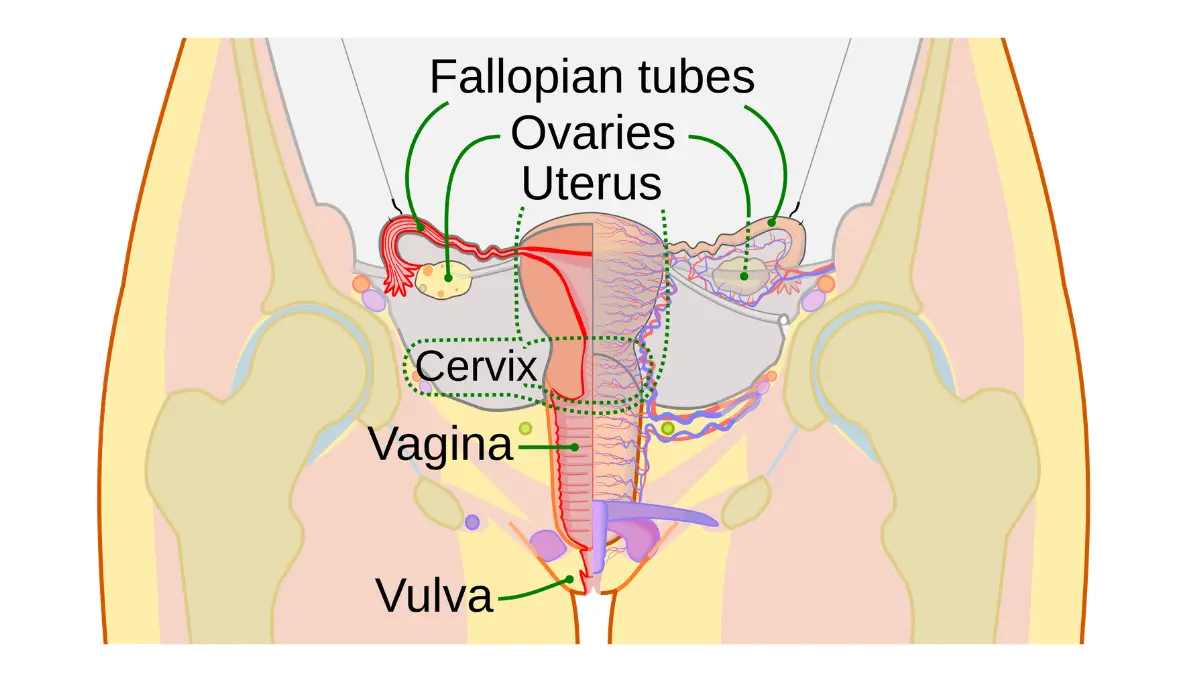
🔬 How It Works: In ER-positive breast cancer, endocrine therapy (tamoxifen or aromatase inhibitors) suppresses estrogen signaling that could stimulate residual cancer cells. Stopping endocrine therapy early to attempt pregnancy removes that suppression. The POSITIVE trial examined whether a temporary interruption of endocrine therapy to allow conception and breastfeeding was safe in ER-positive survivors — consult your oncologist about whether 2026 follow-up data from this trial applies to your specific recurrence risk profile.
Our guide to breast cancer fertility preservation — what to do before and after treatment addresses the pre-treatment preservation options that directly inform post-treatment conception planning.
✅ Patient Action: Pregnancy after breast cancer requires joint consultation with your treating gynecologic oncologist and a reproductive endocrinologist. Ask specifically: “Based on my hormone receptor status, tumor biology, and the endocrine therapy I have completed — what does the current evidence say about safely timing a pregnancy attempt?” This is not a decision to make without that individualized risk assessment.
A gynecologic oncologist’s view: the three gaps in breast cancer survivorship care
After years of practice in gynecologic oncology and survivorship medicine, three gaps consistently undermine the quality of breast cancer survivorship care in community practice settings — the settings where most US survivors actually receive their care, not at comprehensive cancer centers with dedicated survivorship programs.
🩺 Physician Note: “These gaps are not abstract policy problems. They are the reasons patients arrive in my survivorship clinic managing preventable complications, carrying unaddressed anxiety, and unaware of late effects that have been building for years without clinical documentation. Naming them is the first clinical step toward closing them — both at the system level and in your individual care.” — Dr. Carolyn D. Fairweather, MD, Gynecologic Oncology
Gap 1 — Most survivors leave treatment without a formal survivorship care plan
Survivorship care plan delivery rates remain substantially below ASCO’s guideline recommendation in community oncology settings, where time pressure, staffing limitations, and the absence of standardized discharge protocols mean that structured survivorship planning is often replaced by verbal instructions at the final treatment appointment. The practical consequence is that survivors are discharged without a written document they can reference, share with their primary care physician, or bring to specialist appointments — leaving the entire coordination burden on the patient.
Gap 2 — Late effects are under-documented and under-treated at follow-up appointments
Lymphedema, cognitive impairment, GSM, and AI-induced bone loss are assessed inconsistently at follow-up visits — because the primary focus of those appointments is surveillance for recurrence, not systematic review of treatment-related morbidity. Survivors who do not proactively name their late effects at every visit may never have them formally documented or addressed in a clinical plan. Proactive reporting is the corrective action that bridges this gap in practice.
Gap 3 — Psychosocial distress screening is inconsistently applied in community oncology
The distress thermometer is a validated, 30-second screening tool that ASCO guidelines recommend at every oncology encounter throughout the survivorship period. Distress screening rates in community oncology settings remain variable in practice. If your oncologist has not administered a formal distress screening tool at your last two follow-up visits, ask for it directly — it is a clinical standard you are entitled to receive, not a special request.
Survivors who want to contribute to the evidence base that closes these gaps can search active breast cancer survivorship clinical trials on the national registry — some trials are enrolling remotely with no travel requirement.
Frequently asked questions about life after breast cancer
1. What happens after breast cancer treatment ends?
After completing primary treatment — surgery, chemotherapy, and/or radiation — you enter the survivorship phase, which begins with developing a formal survivorship care plan. This written document defines your annual mammogram schedule, oncology follow-up intervals, and the specific late effects your treatment combination most commonly produces. Life after breast cancer requires active clinical management, not passive observation. Consult your gynecologic oncologist or treating oncologist about establishing a formal plan at your next appointment.
2. How long does it take to feel like yourself again after breast cancer treatment?
Recovery timeline depends on treatment type and intensity. Most survivors report meaningful improvement in energy and cognitive function within 12 to 18 months of completing chemotherapy. Aromatase inhibitor side effects — joint pain, fatigue, bone loss — can persist throughout the 5–10-year endocrine therapy course. Physical activity, structured sleep, and systematic management of specific late effects all accelerate recovery. Consult your oncologist about the realistic recovery timeline for your specific treatment combination and hormone receptor status.
3. What are the warning signs that breast cancer has returned?
Contact your oncologist that day — not at your next scheduled appointment — if you develop new persistent bone pain at a specific location that does not resolve within 7 days; new neurological symptoms such as headaches, confusion, or vision changes lasting 48 hours or more; unexplained weight loss; new lymph node swelling; or skin changes on the treated breast. Life after breast cancer requires knowing these specific signals. Do not wait for a scheduled visit — contact your oncologist the same day.
4. Can breast cancer come back after 5 years of being cancer-free?
Yes — particularly for hormone receptor-positive breast cancer, where late recurrence risk persists beyond 5 years and into the second decade after diagnosis. Triple-negative breast cancer carries higher early recurrence risk concentrated in the first 3 years, with lower late recurrence rates thereafter. This subtype distinction is why life after breast cancer requires ongoing annual mammography indefinitely, regardless of time elapsed. Consult your oncologist about your specific subtype’s recurrence risk profile and what it means for your long-term surveillance schedule.
5. Is it normal to feel more anxious after breast cancer treatment ends than during it?
Yes — this is a clinically recognized pattern, not a sign of psychological weakness. Active treatment provides a structured schedule of interventions that paradoxically creates a sense of control. When that structure ends, anxiety often intensifies. Clinically significant fear of cancer recurrence — persistent, intrusive worry that disrupts daily functioning — affects a substantial proportion of survivors and responds well to Acceptance and Commitment Therapy adapted for cancer. Ask your oncologist for a psycho-oncology referral if this applies to you.
6. How do you manage lymphedema after breast cancer surgery?
Lymphedema management requires a certified lymphedema therapist (CLT) — do not attempt self-management without professional guidance first. Evidence-based management includes manual lymphatic drainage by a CLT, fitted compression garments during activity and air travel, skin care to prevent infection, and weight management. Protective behaviors should begin at treatment completion — before swelling appears, not after. Consult your oncologist immediately after completing axillary node surgery for a certified lymphedema therapist referral as part of your survivorship care plan.
7. Can breast cancer survivors get pregnant?
Pregnancy is clinically feasible for many survivors, and current guidelines support it with individualized timing. ASCO’s survivorship framework recommends completing a minimum of 2 years of endocrine therapy before attempting conception in most cases, with higher-risk ER-positive cases typically requiring the full course before discontinuation is considered. The POSITIVE trial data informs the safety of temporary endocrine therapy interruption for this purpose. Consult your gynecologic oncologist and a reproductive endocrinologist jointly before making any fertility decision after breast cancer.
8. What emotional support resources are available for breast cancer survivors?
Evidence-based psychosocial support includes individual psycho-oncology therapy — particularly ACT-based approaches for fear of recurrence — breast cancer survivor support groups, oncology social work programs, and structured survivorship clinic programs at comprehensive cancer centers. For clinically significant fear of recurrence, depression, or anxiety meeting diagnostic criteria, a licensed psychologist or psychiatrist with oncology specialization produces the most effective outcomes. Ask your oncologist specifically for a survivorship mental health referral rather than a general mental health referral — specialty matching matters.
9. What is chemo brain and how long does it typically last?
Cancer-related cognitive impairment — chemo brain — affects attention, verbal memory, processing speed, and multitasking ability following cytotoxic chemotherapy. Most survivors experience partial-to-full resolution within 12 to 18 months of completing treatment. High-dose or longer-duration regimens may produce symptoms persisting at 2 years post-treatment.
Structured sleep management and cognitive rehabilitation programs delivered by neuropsychologists show clinical evidence for improvement. Consult your oncologist if significant cognitive symptoms persist at 12 or more months after completing chemotherapy — formal neuropsychological evaluation may be warranted.
10. Do breast cancer survivors need to take medication for years after treatment?
Most ER-positive and PR-positive survivors are prescribed 5 to 10 years of endocrine therapy — tamoxifen for premenopausal women, or aromatase inhibitors such as anastrozole, letrozole, or exemestane for postmenopausal women. Duration is individually determined by recurrence risk profile and medication tolerability. Life after breast cancer for hormone receptor-positive disease includes this long-term medication commitment. Do not stop or modify endocrine therapy without explicit direction from your treating oncologist — stopping early significantly increases recurrence risk.
11. How do breast cancer survivors protect their bone health during long-term hormone therapy?
Aromatase inhibitor therapy accelerates bone mineral density loss — making bone health a mandatory survivorship management priority, not an optional consideration. Evidence-based protection includes: a baseline DEXA scan at AI initiation with repeat imaging every 1–2 years; daily calcium (1,000–1,200 mg) and vitamin D3 supplementation per current ASCO bone health guidelines; weight-bearing exercise at least 3 days per week; and bisphosphonate therapy initiation if your DEXA T-score falls to ≤ −2.5. Consult your oncologist about your current bone density status and supplementation needs.
Your survivorship roadmap — next steps from your care team
Survivorship is not the absence of cancer. It is a new clinical chapter with defined protocols, specialist-matched care, and evidence-based management at every stage — and the steps that make the most difference are the ones you take in the next 48 hours.
Step 1: Contact your oncology office and request a formal ASCO-format survivorship care plan by name. That single document changes how you manage everything that follows.
Step 2: Log any new or changing physical symptoms in a running record before your next appointment — your Symptom Checker on this site provides that structure. A documented record is your most powerful clinical tool in a follow-up appointment.
Step 3: Identify the specialist type for any unaddressed late effect — a certified lymphedema therapist, a psycho-oncologist, a reproductive endocrinologist — and ask your oncologist for that specific referral. Name the specialist, not just the symptom.
About this content
How this article was put together: researched from recognised health sources, drafted with the help of AI tools, and edited by hand, with sources linked throughout.

Sameer Patel is the founder and editor of My Medicine Advisor. He is not a doctor or medical professional — before starting this site he worked in banking,…
Medical disclaimer
The content on MyMedicineAdvisor is provided for general informational and educational purposes only and is not a substitute for professional medical advice, diagnosis, or treatment. Health information on this website should not be used to diagnose, treat, cure, or prevent any condition without guidance from a qualified healthcare professional. Always seek the advice of your doctor, physician, or another licensed healthcare provider with any questions you may have regarding a medical condition, symptoms, medications, or treatment decisions.