On This Page – Quick Medical Summary
Breast cancer diagnosis and your fertility: what to know first
In my practice as a gynecologic oncologist, “what about having children?” comes up within the first fifteen minutes of almost every first consultation I have with a newly diagnosed premenopausal patient. It is almost always the second fear — right after the diagnosis itself. And it is a fear with real, established answers.
Breast cancer fertility preservation refers to medical procedures performed before chemotherapy begins that protect a woman’s eggs, embryos, or ovarian tissue — making biological pregnancy possible after treatment ends.
This article is written for four specific readers:
- A premenopausal patient whose oncologist has recommended chemotherapy and who has not yet been referred to a fertility specialist
- A patient whose chemo start date is already scheduled and who needs to know whether any window remains
- A caregiver researching options before the next oncology appointment
- A patient asking whether pregnancy is possible after breast cancer treatment ends
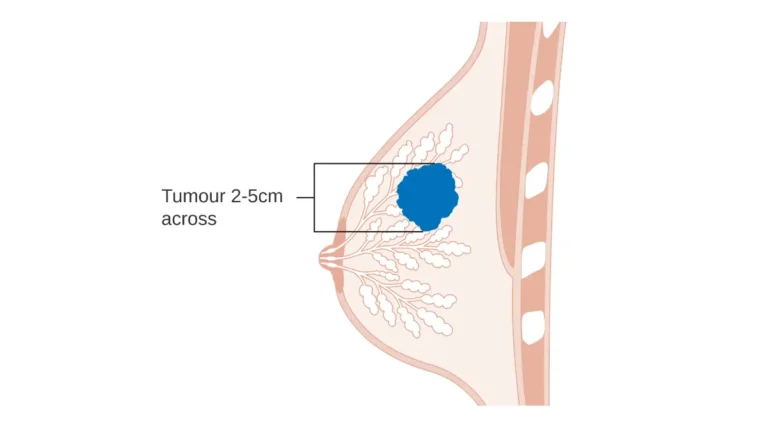
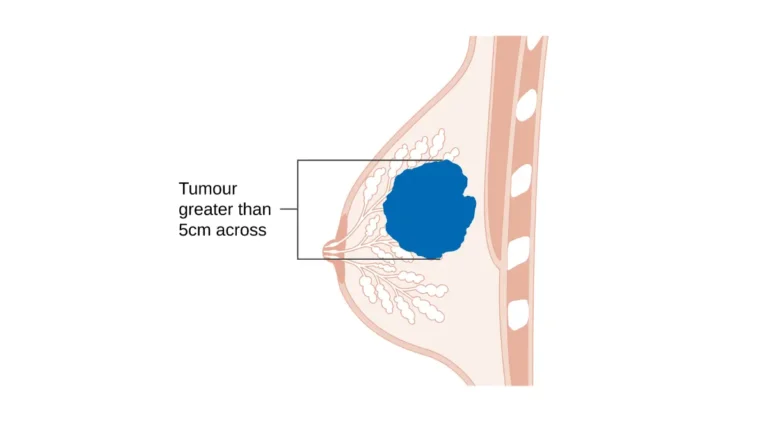
If you are still making sense of your diagnosis and what your stage means for your treatment path, our guide to breast cancer stages and treatment options is the place to start before returning here.
According to the NCI’s 2026 breast cancer incidence data, approximately one in eight breast cancer diagnoses occurs in women under age 45 — the group for whom fertility decisions carry the greatest clinical urgency.
The window to act is measured in days, not months. Options exist. They are medically established.
ℹ️ Medical Disclaimer: The fertility preservation procedures, chemotherapy-related fertility risks, treatment timing recommendations, medication information, and insurance coverage details discussed in this article reflect current clinical guidelines and are provided for educational purposes only. Individual decisions — including which procedure to pursue, whether to delay chemotherapy, and which stimulation protocol is appropriate — depend on tumor stage, receptor status, ovarian reserve, comorbidities, and specialist assessment. Consult a board-certified reproductive endocrinologist and your oncology team before acting on any clinical information in this article.
How chemotherapy damages your fertility — and why it matters now
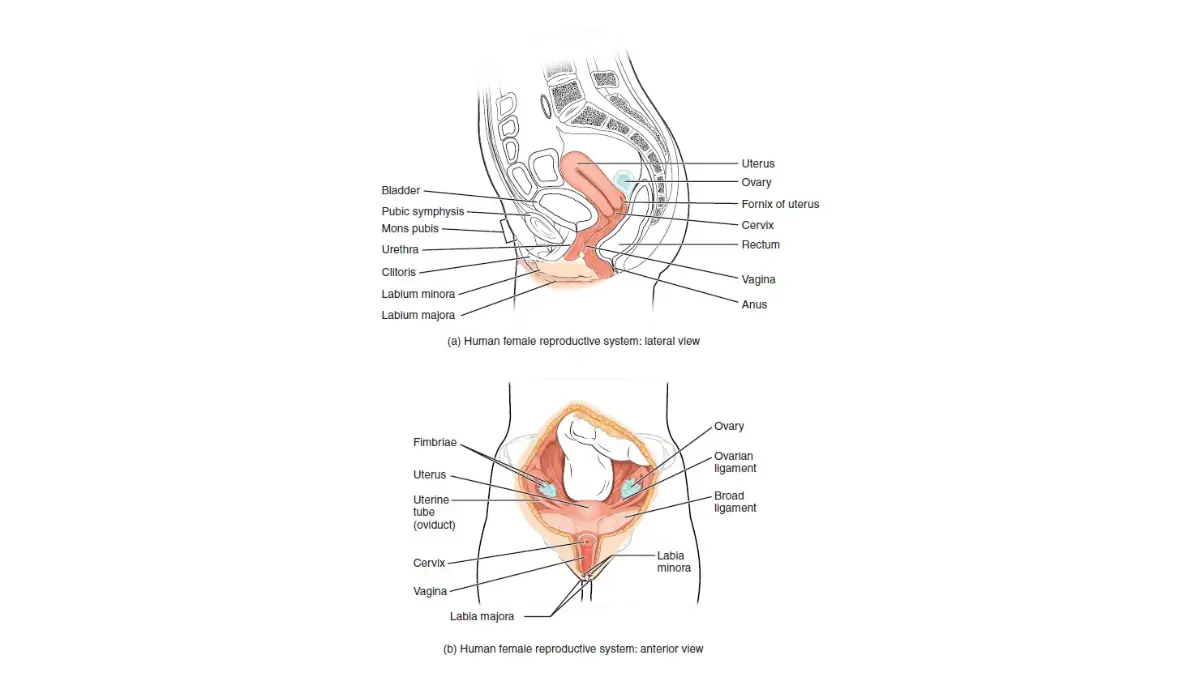
What you are worried about is real. Gonadotoxicity — chemotherapy-induced ovarian damage — is a documented consequence of several breast cancer treatment regimens, and for some patients it is permanent. Understanding which drugs carry the highest risk gives you the information you need to move quickly.
Which breast cancer chemotherapy drugs carry the highest fertility risk?
Alkylating agents — primarily cyclophosphamide, used in regimens such as AC-T (doxorubicin, cyclophosphamide, and taxane) — carry significantly higher premature ovarian insufficiency (POI) risk than taxane-only protocols. POI risk rises substantially with age: women over 40 face meaningfully higher rates than women under 35 receiving the same drugs at the same doses.
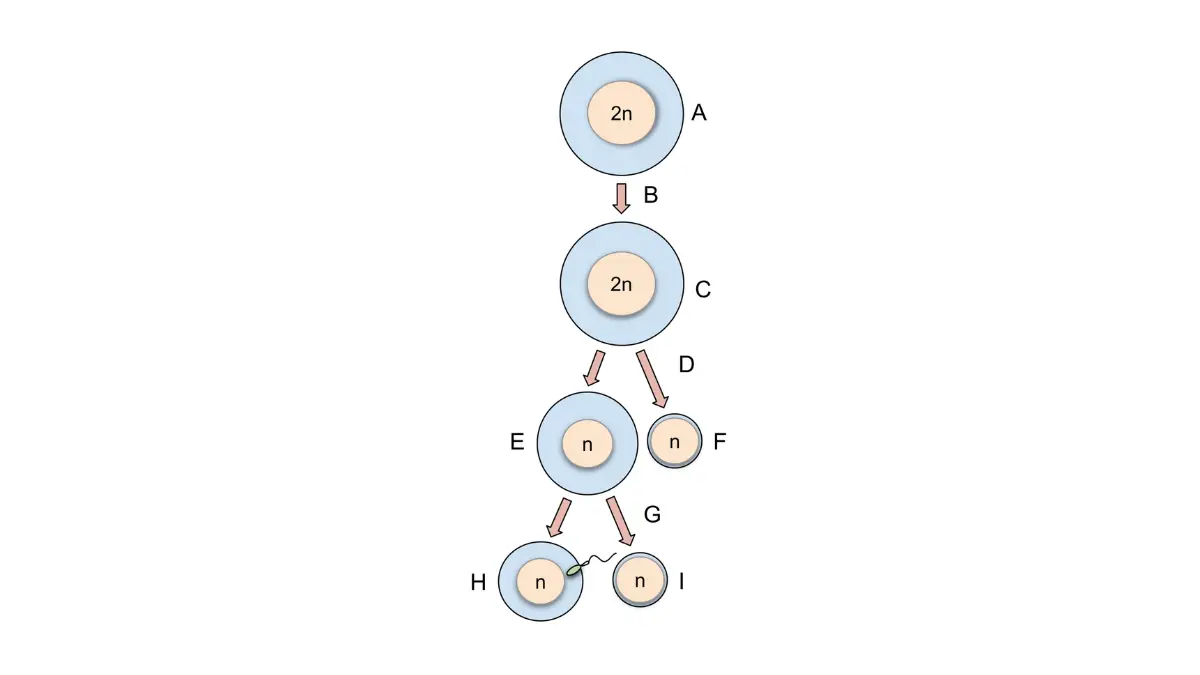
🔬 How It Works: Cyclophosphamide triggers premature follicular recruitment followed by apoptosis — programmed cell death that depletes the primordial follicle pool, your body’s lifetime supply of eggs. This pool cannot regenerate once it is lost. Damage begins during the first treatment cycle and is dose-dependent and cumulative.
How quickly does chemo begin affecting ovarian reserve?
Ovarian reserve can begin declining within the first chemotherapy cycle. This is why fertility preservation must happen before treatment begins — not during it, and not after.
Gonadotoxicity is among the most serious chemotherapy side effects in breast cancer your care team should walk through with you before your first infusion. If menstrual cycle changes occur during or after treatment, our Symptom Checker can help you track and document what to report at your next appointment.
✅ Patient Action: Ask your oncologist specifically: “Which agents are in my regimen, and based on my current age and planned cumulative dose, what is my estimated risk of premature ovarian insufficiency?” This conversation belongs before your first infusion — not after it.
Your four fertility preservation options before chemo starts
Women diagnosed with breast cancer have four evidence-based options for preserving fertility before chemotherapy begins. Which is right for you depends on your ER status, relationship status, tumor biology, and the time available before treatment must start.
| Option | Time Required | ER+ Eligible | Key Clinical Detail | Best For Patient Profile |
|---|---|---|---|---|
| Embryo cryopreservation | 10–14 days | Yes — letrozole protocol | Highest established success rates; requires partner or donor sperm | Partnered patients with ≥10 days before chemo |
| Oocyte cryopreservation | 10–14 days | Yes — letrozole protocol | Standard of care; no partner required | Single patients with ≥10 days before chemo |
| GnRH agonist (goserelin) | No delay required | Yes | Administered alongside chemo; no stimulation cycle needed | Patients who cannot delay chemo at all |
| Ovarian tissue cryopreservation | 1–2 days (surgery) | Yes | Most time-efficient; specific BRCA carrier counseling required | Patients with no time for stimulation cycles |
Embryo and egg freezing — the most established options
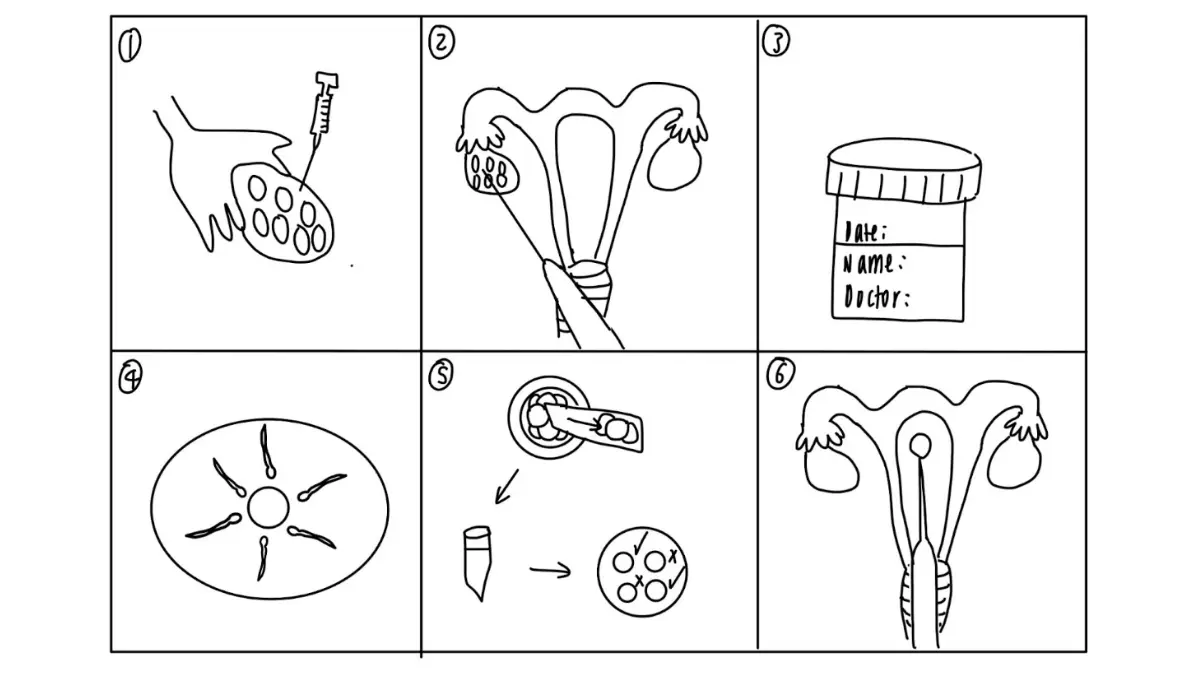
Embryo cryopreservation and oocyte cryopreservation (egg freezing) are both designated standard-of-care options per the most current ASCO guidelines on fertility preservation for cancer patients. Both use a random-start protocol — meaning stimulation can begin any day of the menstrual cycle, compressing the entire process to 10–14 days without waiting for the next cycle start.
For ER-positive breast cancer, both options remain available but require letrozole co-administration during gonadotropin stimulation.
🔬 How It Works: Letrozole blocks aromatase — the enzyme that converts androgens to estrogen — keeping peak estrogen levels during stimulation comparable to a natural menstrual cycle rather than the supraphysiologic levels of conventional stimulation protocols. This makes egg freezing clinically safe for ER+ patients when managed under joint oncology and reproductive endocrinology oversight.
GnRH agonist ovarian suppression — the no-delay option
Goserelin (Zoladex) is a GnRH agonist administered as a monthly injection alongside chemotherapy. It suppresses FSH and LH release, placing ovarian follicles in temporary dormancy during treatment — requiring no stimulation cycle and no delay before chemo begins. Full FDA prescribing information for goserelin is available at the FDA drug database.
Patients who will also need hormone therapy for ER-positive breast cancer should ask their oncofertility team specifically how anti-estrogen therapy timing interacts with their chosen stimulation protocol.
Ovarian tissue cryopreservation — when other options are not available
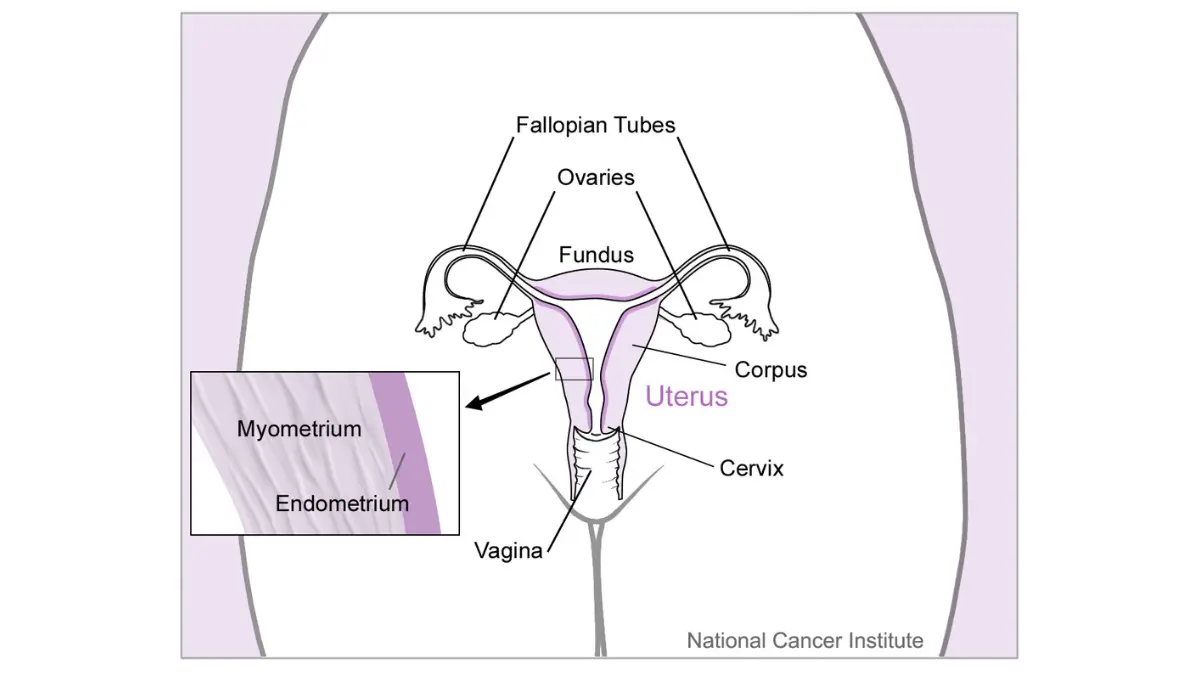
Ovarian tissue cryopreservation (OTC) removes ovarian cortex tissue surgically before chemotherapy and freezes it for later reimplantation. It requires only 1–2 days before chemo can begin.
✅ Patient Action: For ER-positive breast cancer, the stimulation protocol must be individually designed and managed by a board-certified reproductive endocrinologist working in direct coordination with your oncology team. Do not begin any hormonal stimulation protocol without this joint clinical oversight in place.
How long can you safely delay chemo for fertility preservation?
For most premenopausal patients with early-stage breast cancer, a brief delay before starting chemotherapy is clinically safe. The eligibility criteria matter enormously — and the authorization must come explicitly from your oncologist.
The 2-to-6-week guideline window explained
According to current oncofertility guidelines, most patients with Stage I or Stage II breast cancer can safely delay chemotherapy by two to four weeks to complete a random-start stimulation cycle and egg retrieval.
When delaying chemotherapy for fertility is not recommended
Certain presentations make any delay contraindicated regardless of fertility intent:
- Inflammatory breast cancer — one of the most urgently treated subtypes; our overview of inflammatory breast cancer symptoms and diagnosis explains why immediate systemic treatment is required
- Locally advanced Stage III disease with significant nodal involvement
- High-grade triple-negative breast cancer — our article on triple-negative breast cancer explains the tumor biology that drives treatment urgency in this subtype
- Stage IV (metastatic) disease — systemic control takes precedence
Six steps to complete fertility preservation before chemotherapy begins
- Obtain explicit oncologist approval and your specific safe delay window in writing
- Request a reproductive endocrinologist referral within 48 hours of that approval
- Complete baseline AMH and antral follicle count (AFC) testing
- Begin random-start ovarian stimulation protocol
- Complete egg retrieval or embryo creation on Day 10–14 of stimulation
- Proceed to breast cancer chemotherapy on the oncologist-approved schedule
✅ Patient Action: Ask your oncologist directly: “Given my tumor stage, receptor status, and grade, am I a clinical candidate for a 2-to-4-week delay to complete fertility preservation?” Never delay chemotherapy without your oncologist’s explicit written approval.
What fertility preservation costs and what insurance covers
Fertility preservation for cancer patients carries significant out-of-pocket costs — and insurance coverage varies dramatically depending on your plan type and state.
State insurance mandates — do you qualify?
As of 2026, more than 20 US states have enacted fertility preservation insurance mandates that specifically cover oncofertility procedures. A critical limitation applies: most large-employer plans are self-funded and governed by federal ERISA law, which pre-empts state mandates. If your insurance comes through a large self-funded employer, your state’s fertility mandate may not apply to your specific plan.
Financial assistance programs specifically for cancer patients
For patients facing out-of-pocket costs, RESOLVE’s fertility financial assistance directory for cancer patients lists grant programs, pharmaceutical compassionate-use programs, and financing options specifically for oncofertility patients — including programs from Livestrong Fertility and Fertile Action. Review your breast cancer risk factors profile with your oncologist, as certain high-risk profiles may qualify for additional support programs at major cancer centers.
✅ Patient Action: Call your insurance benefits line before your first fertility appointment and ask: “Does my plan cover fertility preservation for a cancer diagnosis, and is prior authorization required?” Also confirm whether your plan type — self-funded versus state-regulated — is subject to your state’s mandate.
Pregnancy after breast cancer treatment — what the data shows
Many premenopausal women who preserve fertility before breast cancer chemotherapy go on to achieve pregnancy after treatment. The outcomes data is more encouraging than most patients expect to hear.
Live birth outcomes after breast cancer fertility preservation
Women who use cryopreserved embryos or oocytes after completing breast cancer treatment have documented pregnancy and live birth rates comparable to age-matched controls in current oncofertility cohort studies. Pregnancy after treatment does not appear to worsen breast cancer outcomes in the current evidence base.
BRCA carriers and fertility preservation — a specific clinical consideration
BRCA1/2 carriers require individualized counseling before choosing ovarian tissue cryopreservation. Reimplanted ovarian tissue from a BRCA carrier carries a theoretical risk of reintroducing malignant or pre-malignant cells at the reimplantation site.
⚠️ Clinical Warning: For BRCA1/2 carriers, OTC reimplantation carries a theoretical risk of malignant cell reintroduction. This option should be pursued only after detailed risk counseling with both a board-certified reproductive endocrinologist and a genetic counselor.
If you have not yet undergone BRCA genetic testing, our Genetic Risk Assessment Tool can help you understand your inherited cancer risk before your oncofertility consultation. Patients navigating breast cancer during pregnancy face additional fertility timing considerations that require subspecialty co-management.
✅ Patient Action: Do not attempt conception during active endocrine therapy for ER-positive breast cancer without explicit oncologist guidance. Plan your post-treatment pregnancy timing jointly with your oncologist and reproductive endocrinologist.
What your oncology team may not tell you — a gynecologic oncologist’s view
In my experience, patients who arrive at our oncofertility clinic two or three weeks after diagnosis — having never been told this consultation was possible — are among the most distressing cases I see. The oncofertility referral gap is real, it is documented, and it is not the patient’s fault.
The oncofertility referral gap — and how to close it
ASCO guidelines recommend that all premenopausal patients receive an oncofertility consultation before initiating any gonadotoxic treatment. In practice, this standard is not consistently met at every cancer center. Knowing this, you can advocate for yourself.
Questions to bring to your next oncology appointment
Bring these specific questions — not a general “what about my fertility?” but these:
- “Is goserelin appropriate for my specific regimen and ER status?”
- “Can I begin a random-start stimulation cycle within the next seven days?”
- “What is my estimated POI risk based on my specific drugs and my current age?”
- “Will you refer me to a reproductive endocrinologist today?”
🩺 Physician Note: In my clinical experience, the patients who preserve fertility successfully are almost always the ones who named it explicitly at the first appointment — not the ones who waited to be offered a referral. The referral is yours to request. You will not be asking for too much.
✅ Patient Action: If your oncology team has not offered an oncofertility referral by the time your first chemo date is scheduled, say this explicitly: “I would like a referral to a reproductive endocrinologist to discuss fertility preservation before treatment begins.” Per ASCO guidelines, this is a standard-of-care consultation — and it is your right as a premenopausal patient to receive it.
Frequently asked questions about breast cancer fertility preservation
1. Can chemotherapy cause permanent infertility in breast cancer patients?
Yes. Alkylating agents — particularly cyclophosphamide used in AC-T regimens — deplete the primordial follicle pool through follicular apoptosis, leading to premature ovarian insufficiency (POI). Risk varies significantly by regimen type and patient age; women over 40 face substantially higher POI rates than women under 35 on the same protocol. Consult a board-certified reproductive endocrinologist before beginning chemotherapy.
2. What is the most effective fertility preservation option for breast cancer?
Embryo cryopreservation achieves the highest documented live birth rates and is a designated standard-of-care option per ASCO guidelines. For single patients, oocyte cryopreservation is equally established and requires no partner. For ER-positive breast cancer, both require a letrozole-based stimulation protocol managed jointly by a reproductive endocrinologist and your oncology team. Consult a board-certified specialist before selecting a protocol.
3. How long can you safely delay chemotherapy to freeze eggs?
Most patients with Stage I or Stage II breast cancer can safely delay chemotherapy by two to four weeks using a random-start stimulation protocol, per current oncofertility guidelines. Inflammatory breast cancer, Stage III disease, and Stage IV presentations are contraindications. Your oncologist must explicitly authorize the delay before any fertility procedure begins. Consult a board-certified oncologist and reproductive endocrinologist jointly.
4. Is egg freezing safe for ER-positive breast cancer patients?
Yes — with the correct protocol. ER-positive patients undergo egg freezing with letrozole co-administration, which blocks aromatase and keeps peak estrogen levels during stimulation comparable to a natural cycle rather than the elevated levels of conventional protocols. This approach has been shown to be safe for ER+ patients in current oncofertility literature. Consult a board-certified reproductive endocrinologist experienced in oncofertility to confirm your protocol eligibility.
5. Does insurance cover fertility preservation for cancer patients?
Coverage depends on your plan type and state. More than 20 states have enacted oncofertility insurance mandates. However, large-employer self-funded plans fall under federal ERISA law and may not be subject to state mandates. Call your insurance benefits line before your first fertility appointment to confirm coverage, prior authorization requirements, and whether your plan type qualifies under your state’s mandate.
6. What is goserelin and how does it protect fertility during chemo?
Goserelin (Zoladex) is an FDA-approved GnRH agonist given as a monthly injection alongside chemotherapy. It suppresses FSH and LH release, placing follicles in temporary dormancy during treatment — requiring no stimulation cycle and no delay before chemotherapy begins. Current oncofertility evidence supports its use for ovarian protection in premenopausal breast cancer patients. Consult a board-certified reproductive endocrinologist to determine whether you are a candidate for concurrent goserelin.
7. Can you get pregnant after breast cancer chemotherapy?
Yes — particularly for patients who preserve fertility before treatment. Women who use cryopreserved embryos or oocytes after completing breast cancer treatment have documented live birth rates comparable to age-matched controls in current oncofertility cohort studies. Pregnancy after treatment does not appear to worsen breast cancer outcomes based on current evidence. Consult your oncologist and a reproductive endocrinologist about the appropriate timing for a conception attempt.
8. How much does fertility preservation cost for breast cancer patients?
Out-of-pocket costs vary by option and institution. Oocyte cryopreservation typically ranges from $8,000–$15,000 per cycle; embryo cryopreservation falls in a similar range; goserelin injections run approximately $300–$600 per month without coverage; OTC varies by center.
9. What is ovarian tissue cryopreservation for cancer patients?
Ovarian tissue cryopreservation (OTC) involves surgically removing ovarian cortex tissue before chemotherapy and freezing it for later reimplantation. It requires only 1–2 days before treatment begins — making it the only option for patients with no time for stimulation. BRCA1/2 carriers require specialized genetic counseling before OTC due to the theoretical risk of malignant cell reimplantation. Consult a board-certified reproductive endocrinologist and genetic counselor before choosing this option.
10. When should you see a fertility specialist after a breast cancer diagnosis?
Within 24–48 hours of your oncologist recommending chemotherapy — not after your schedule is confirmed, not at your second appointment. Most oncofertility programs can schedule a consultation within 48 hours. ASCO guidelines recommend this consultation for all premenopausal patients before any gonadotoxic treatment begins. If your oncologist has not offered a referral, request one explicitly at your very next appointment.
11. Does BRCA mutation affect fertility preservation decisions?
Yes. BRCA1/2 carriers can safely pursue embryo cryopreservation, oocyte cryopreservation, and GnRH agonist suppression. Ovarian tissue cryopreservation carries a theoretical risk of reimplanting malignant cells in BRCA carriers and requires genetic counselor review before proceeding. BRCA status also affects long-term surgical risk-reduction decisions — which your genetic counselor and oncofertility team should address together. Consult a board-certified reproductive endocrinologist and a genetic counselor before finalizing your preservation plan.
Your next three steps — starting today
A breast cancer diagnosis imposes decisions that most people have never had to contemplate simultaneously. Fertility preservation is time-sensitive — but it is not impossible, and most premenopausal patients have a safe clinical window to act.
Your three immediate actions:
- Request an oncofertility referral at your next appointment — use those exact words, not a general question about fertility
- Ask your oncologist which specific agents are in your regimen and what your estimated POI risk is based on your age and planned dose
- Contact your insurance benefits line before the appointment to confirm whether your plan covers fertility preservation for a cancer diagnosis
The window is short. The options are established. The right specialists can help you use the time that is available.
About this content
How this article was put together: researched from recognised health sources, drafted with the help of AI tools, and edited by hand, with sources linked throughout.

Sameer Patel is the founder and editor of My Medicine Advisor. He is not a doctor or medical professional — before starting this site he worked in banking,…
Medical disclaimer
The content on MyMedicineAdvisor is provided for general informational and educational purposes only and is not a substitute for professional medical advice, diagnosis, or treatment. Health information on this website should not be used to diagnose, treat, cure, or prevent any condition without guidance from a qualified healthcare professional. Always seek the advice of your doctor, physician, or another licensed healthcare provider with any questions you may have regarding a medical condition, symptoms, medications, or treatment decisions.