
On This Page – Quick Medical Summary
What breast cancer chemotherapy actually involves, week by week
Find your starting point — this guide is built for your specific situation
What “week-by-week” chemotherapy actually means for your body
Breast cancer chemotherapy does not mean continuous, unbroken illness for four to six months. It means recurring cycles — short windows of more difficult days followed by relative recovery — and understanding that structure is the most important thing you can know before your first infusion.
This guide covers what actually happens each week, from port access on Day 1 to managing the neutrophil nadir, with the clinical precision that shapes real treatment decisions.
Understanding chemotherapy within your complete breast cancer stages and treatment plan helps each infusion week feel less like an unknown.
Patients who identified early breast cancer symptoms before a late-stage diagnosis often begin chemotherapy with a broader range of treatment options available.
ℹ️ Medical Disclaimer: The chemotherapy regimen information, treatment protocols, medication names, blood count thresholds, and side effect management guidance in this article reflect current oncology clinical guidelines and are provided for educational purposes only. Individual treatment decisions — including regimen selection, dose modification, and emergency care thresholds — depend on factors including receptor status, tumor staging, comorbidities, laboratory results, and specialist assessment. Consult a board-certified medical oncologist or gynecologic oncologist before acting on any clinical information in this article. If you develop a fever above 100.4°F (38°C) during chemotherapy, seek emergency care immediately.
Which chemotherapy regimen is used for breast cancer — and why it matters
The three most widely used breast cancer chemotherapy regimens in 2026, classified by receptor subtype per NCCN guidelines, are summarized below. Your oncologist’s selection is driven primarily by your tumor’s ER, PR, and HER2 receptor profile — not by a single universal standard.
| Regimen | Drugs Included | Cycle Schedule | Key Clinical Indication |
|---|---|---|---|
| AC-T (dose-dense) | Doxorubicin + cyclophosphamide → paclitaxel + G-CSF | AC ×4 q2w; paclitaxel ×4 q2w | ER+/HER2−, higher-risk or node-positive |
| AC-T (standard) | Doxorubicin + cyclophosphamide → paclitaxel | AC ×4 q3w; paclitaxel ×12 weekly | ER+/HER2−, intermediate risk |
| TC | Docetaxel + cyclophosphamide | 4–6 cycles q3w | ER+/HER2−, lower to intermediate risk |
| TCH+P | Docetaxel + carboplatin + trastuzumab + pertuzumab | 6 cycles q3w, then maintenance | HER2+ (any ER/PR status) |
📊 Clinical Data Point: Regimen selection is determined by tumor receptor status (ER, PR, HER2), tumor size, nodal involvement, and patient fitness per NCCN Breast Cancer Clinical Practice Guidelines. Source: NCCN, 2026.
Neoadjuvant vs. adjuvant chemotherapy: does timing change your week-by-week experience?
Neoadjuvant chemotherapy is delivered before surgery to shrink the tumor and assess treatment response. Achieving a pathologic complete response (pCR) — no remaining cancer cells found in the surgical specimen — is a significant prognostic marker.
Adjuvant chemotherapy is delivered after surgery to eliminate microscopic residual disease. The week-by-week cycle structure, side effects, and monitoring schedule are clinically identical in both approaches.
The NCI’s 2026 breast cancer treatment summary provides regimen-by-stage classification aligned with current clinical evidence.
HER2-positive and triple-negative regimens: when targeted therapy is added
For HER2-positive breast cancer, the TCH+P regimen adds two HER2-directed agents — trastuzumab and pertuzumab — to the chemotherapy backbone. The FDA prescribing information for trastuzumab documents the approved protocol and cardiac monitoring requirements that apply to all HER2+ treatment courses.
For triple-negative breast cancer, AC-T is the foundation, with pembrolizumab added in eligible high-risk Stage II–III cases per 2026 NCCN criteria.
Chemotherapy doses are calculated using body surface area. Calculate your BMI as a baseline reference before your dose-calculation conversation with your oncology team.
✅ Patient Action: Before chemotherapy begins, ask your board-certified medical oncologist: “Has my tumor been fully tested for ER, PR, HER2, and Ki-67 expression? If any result was ambiguous, has it been confirmed by repeat pathology?” The answers determine which regimen has the strongest evidence base for your case.
What happens during your first week of breast cancer chemotherapy
Day 1: what to expect at the infusion center, from port access to discharge
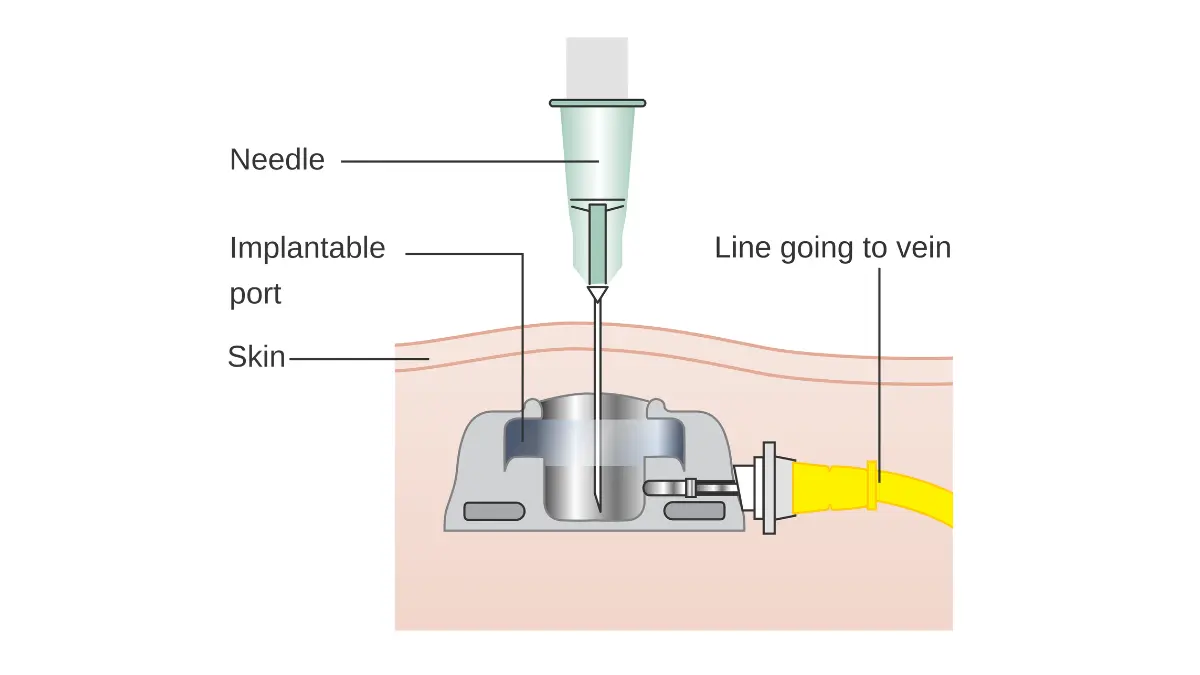
On Day 1 of breast cancer chemotherapy, your care team accesses your port or IV and begins pre-medications before a single drop of chemotherapy is administered. The sequence is clinically deliberate.
- Port accessed or IV placed. Pre-infusion blood draw for CBC and metabolic panel.
- Pre-medications administered via IV. For AC-T: dexamethasone + ondansetron + aprepitant, typically over 30 minutes. For TC: dexamethasone + ondansetron.
- Chemotherapy infusion begins. Doxorubicin (the “A” in AC-T) infuses red — this is normal and expected.
- Infusion duration. AC infusion: approximately 3–4 hours total. Paclitaxel: 1–3 hours (longer at first dose for hypersensitivity monitoring). TC: approximately 3 hours.
- 30-minute observation period before discharge.
- Discharge with home antiemetic prescriptions and written instructions for the fever threshold that triggers an immediate ER visit.
🩺 Physician Note: “The day that consistently surprises my patients is Day 1 — they feel better during the infusion than they expected, almost every time. The pre-medications are doing real work. Nausea arrives later, within the first 24–48 hours after discharge. Day 1 is almost never the hardest day of the cycle.” — Dr. Carolyn D. Fairweather, MD, Gynecologic Oncology
🔬 How It Works: Doxorubicin works by intercalating into cancer cell DNA, preventing replication. This same mechanism affects rapidly dividing healthy cells — hair follicles, gut lining, bone marrow — which is why alopecia, nausea, and myelosuppression are predictable rather than random consequences of AC-T specifically.
The ACS’s chemotherapy guide for breast cancer patients includes a practical checklist for what to bring to your first infusion.
Days 2–5: the symptoms that appear first and what they mean
Nausea typically peaks on Days 2–3 and eases by Day 4–5 with proper antiemetic adherence. Constipation is common during Days 1–4 because ondansetron slows gut motility — a stool softener is routinely recommended starting Day 1.
Fatigue begins appearing around Day 3 and is generally manageable during this phase. Energy nadir arrives later.
Days 6–10: entering the risk window — what is changing in your blood
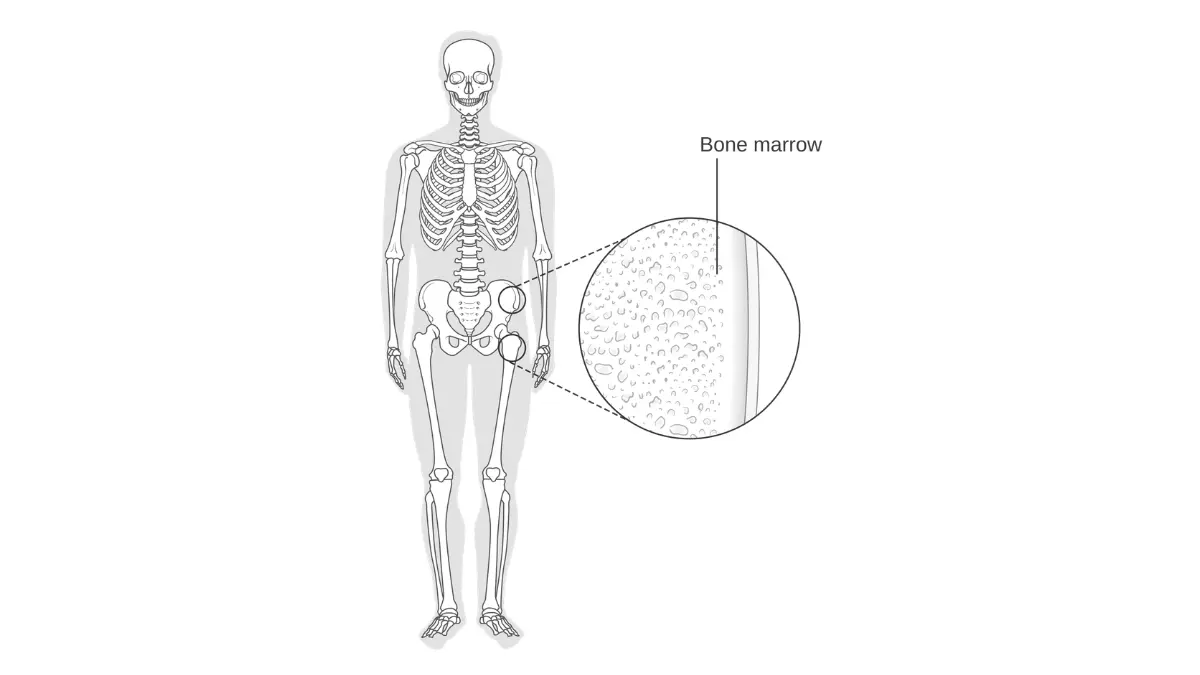
By Days 6–7, nausea typically recedes. Fatigue intensifies. This is when myelosuppression — the suppressive effect of chemotherapy on blood cell production — begins pulling your neutrophil count toward its lowest point.
If your regimen includes G-CSF support (pegfilgrastim), the injection is administered 24–48 hours after Day 1 infusion — never on the same day — to accelerate neutrophil recovery through this window.
Blood counts, neutropenia, and weekly monitoring during chemotherapy
Neutropenia — a dangerous drop in infection-fighting neutrophils — typically peaks between Days 7 and 14 of each AC-T cycle. This window is called the nadir, and it is the most clinically significant period of each treatment cycle.
📊 Clinical Data Point: Per 2026 NCCN Guidelines for Prevention and Treatment of Cancer Therapy–Induced Infections: ANC below 1,000/µL defines clinical neutropenia. ANC below 500/µL accompanied by fever above 100.4°F (38°C) constitutes febrile neutropenia — a medical emergency requiring immediate emergency care. Source: NCCN, 2026.
What a CBC measures during chemotherapy and why it is checked every cycle
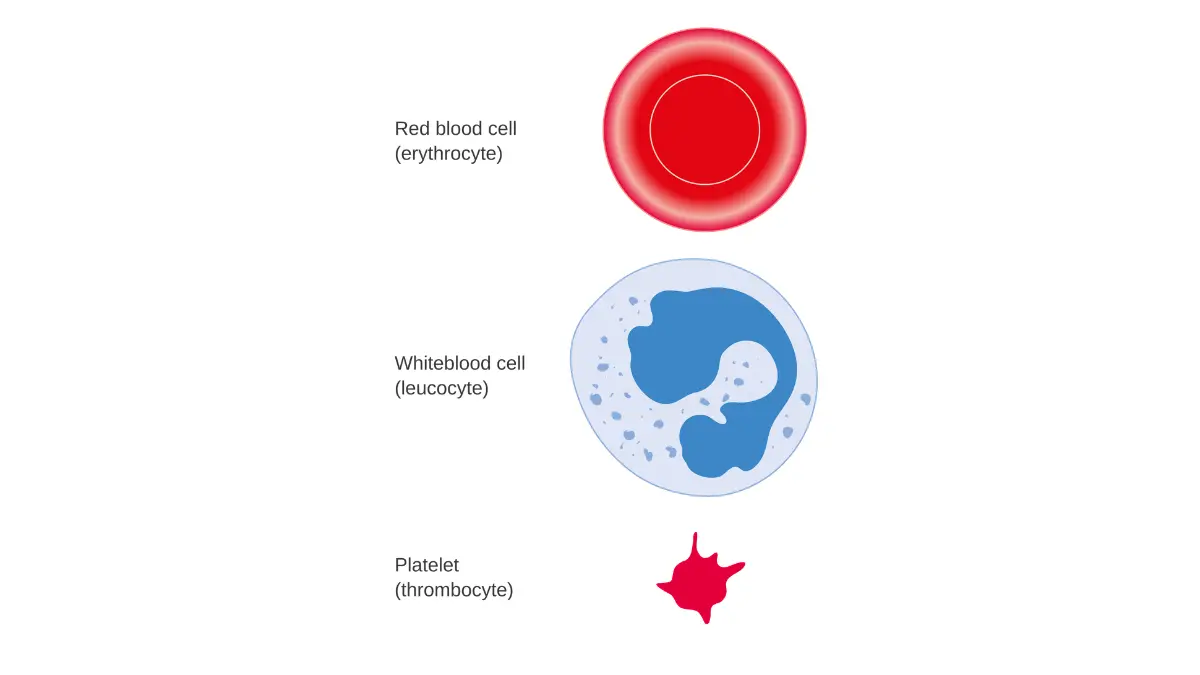
A complete blood count (CBC) with differential is ordered before every chemotherapy cycle to confirm it is safe to proceed. The key values:
- ANC (absolute neutrophil count) — infection defense; the most critical number during active treatment
- Hemoglobin — severe drops indicate anemia and explain profound cycle fatigue
- Platelets — low counts increase bruising and bleeding risk
- Comprehensive metabolic panel (CMP) — monitors kidney and liver function; essential for doxorubicin (hepatic clearance) and carboplatin (renal clearance)
For doxorubicin-based regimens, periodic echocardiograms monitor for cardiotoxicity — a dose-dependent cardiac risk specific to anthracycline drugs.
Our guide to understanding your CBC test results explains each value and what triggers a clinical flag.
Between lab visits, use our Symptom Checker to track fever, chills, unusual bruising, or new fatigue and share that log at your next oncology appointment.
Understanding your ANC: the number that determines your weekly infection risk
| ANC Level | Clinical Classification | Required Action |
|---|---|---|
| Above 1,000/µL | Normal for treatment | Proceed with next cycle as scheduled |
| 500–1,000/µL | Neutropenia | Oncologist may delay next cycle; avoid sick contacts |
| Below 500/µL | Severe neutropenia | Increased infection risk; G-CSF administered if not already |
| Below 500/µL + fever >100.4°F | Febrile neutropenia | Emergency room immediately |

🔬 How It Works: Neutrophils are bone marrow–produced white blood cells that act as the immune system’s primary bacterial defense. Chemotherapy drugs that target rapidly dividing cells temporarily suppress the bone marrow precursor cells that produce neutrophils, creating a predictable 7–14 day vulnerability window after each infusion.
Febrile neutropenia: the emergency threshold every patient must memorize
⚠️ Clinical Warning: A temperature above 100.4°F (38°C) during the nadir window — Days 7–14 of each cycle — is a medical emergency. Do not wait for your next appointment. Do not call the nurse line and wait for a callback. Go to the emergency room immediately. Untreated febrile neutropenia can progress to sepsis within hours.
✅ Patient Action: Before your first infusion, ask your medical oncologist: “At what specific fever reading should I go directly to the ER rather than calling the oncology nurse line first — and what is the after-hours direct number?” Write both answers down and post them visibly at home before Day 1.
The NCI’s chemotherapy side effect management resource provides additional guidance on infection risk by drug class.
Managing breast cancer chemotherapy side effects week by week
Chemotherapy-induced nausea and vomiting (CINV) is the most feared side effect of treatment — and also among the most preventable, provided the antiemetic protocol is matched precisely to the emetogenicity of your regimen.
Nausea and vomiting: the antiemetic protocol your oncologist should prescribe
| Regimen | Emetogenic Classification | Standard Protocol |
|---|---|---|
| AC (doxorubicin + cyclophosphamide) | Highly emetogenic | Triple therapy: ondansetron + dexamethasone + aprepitant |
| Paclitaxel (T phase of AC-T) | Moderately emetogenic | Dual: ondansetron + dexamethasone |
| TC (docetaxel + cyclophosphamide) | Moderately emetogenic | Dual: ondansetron + dexamethasone |
| TCH+P | Moderately emetogenic | Dual: ondansetron + dexamethasone |
📊 Clinical Data Point: Antiemetic classification by regimen emetogenicity follows 2026 NCCN Antiemesis Guidelines, which stratify nausea prevention protocols by the emetic potential of each drug in the combination. Source: NCCN, 2026.
Nausea that is partially controlled in Cycle 1 will remain partially controlled in Cycle 2 unless you report it. Proactive reporting after the first cycle gives your oncology team the opportunity to adjust before problems compound.
✅ Patient Action: If nausea is not controlled by your prescribed antiemetics after your first infusion, contact your medical oncologist or oncology nurse practitioner before your next cycle — not after — to request a protocol adjustment. Do not reduce or skip your antiemetic schedule independently; this reliably worsens CINV in subsequent cycles.
Fatigue, hair loss, and mouth sores: what week each appears and why
Chemotherapy-induced alopecia typically begins between Days 14 and 21 of the first cycle. Hair regrowth generally resumes 2–3 months after the final infusion.
Oral mucositis (mouth sores) peaks during Days 5–10 and responds to clinician-prescribed oral rinse protocols. Adequate hydration directly reduces mucositis severity — use our Water Intake Calculator to establish your daily fluid target before your first cycle.
For patients receiving neoadjuvant chemotherapy before surgery, your treatment response influences your surgical options — our guide to the lumpectomy vs. mastectomy decision explains how pathologic response affects what your surgeon recommends.
Our resource on how chemotherapy side effects are classified and managed provides a broader framework that complements this article.
Peripheral neuropathy: recognizing warning signs before permanent damage occurs
Peripheral neuropathy — numbness, tingling, or burning pain in the hands and feet — is the most clinically consequential side effect to report early in patients receiving taxane-based regimens.
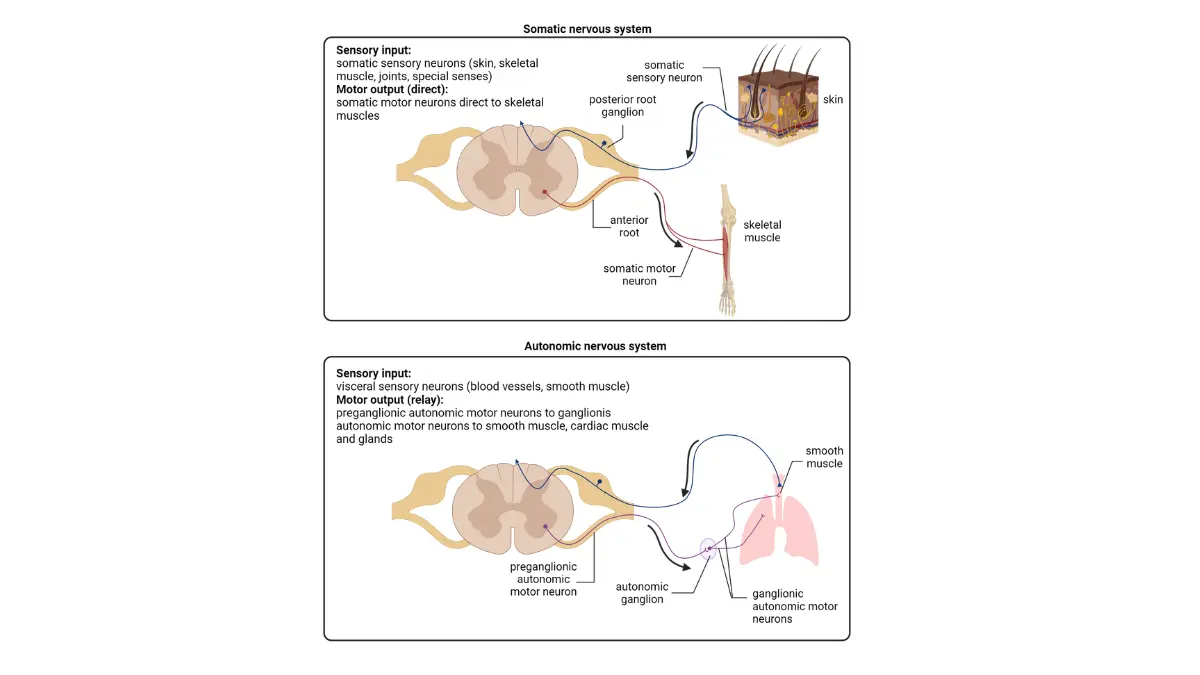
⚠️ Clinical Warning: Grade 2 peripheral neuropathy — symptoms that interfere with daily activities such as buttoning clothing, typing, or walking steadily — requires immediate oncologist notification. Grade 2+ symptoms typically trigger a dose reduction or schedule modification specifically designed to prevent irreversible nerve damage. Grade 1 symptoms (mild intermittent tingling, not functionally limiting) are monitored but do not automatically require dose change.
How to support someone through breast cancer chemotherapy each week
If you are supporting a partner, parent, or family member through treatment, the most critical thing you can know is this: the days when you are needed most are not infusion days. They are Days 7 through 14.
Days 7–14: why this is the week caregivers need to be most present
During the nadir window, your patient’s neutrophil count is at its lowest and infection risk is highest. Your most important function in this window is temperature monitoring — not emotional support, not logistics.
Febrile neutropenia requires an immediate ER visit. The patient may feel “not that bad” while the ANC is critically low. Trust the thermometer over their self-assessment, every time.
What to have at home before chemotherapy starts: a caregiver’s preparation list
Have these in place before Day 1:
- Digital thermometer — verified functional, not a forehead strip.
- Oncology after-hours number — written on the refrigerator, not only in a phone.
- Pre-prepared meals for Days 2–5 — cooking during this window is rarely realistic.
- Safe food handling protocols — avoid raw or undercooked proteins and unwashed produce during the nadir window.
- Prescription pickup plan — home antiemetics must be available the evening of Day 1.
Adequate protein intake supports tissue repair and immune function throughout each cycle. Our Protein Intake Calculator can guide daily protein targets when planning meals around each infusion schedule.
When to override the patient’s “I’m fine” and act on the fever yourself
🩺 Physician Note: “The febrile neutropenia cases that escalate most seriously are almost never the ones where the patient called first. They are the cases where a caregiver waited because the patient said they felt okay. A temperature above 100.4°F during Days 7–14 is not negotiable — it is an ER visit, not a phone call, not a wait-and-see.” — Dr. Carolyn D. Fairweather, MD, Gynecologic Oncology
✅ Patient Action: Caregivers should ask the oncology team directly at the pre-treatment appointment: “What is the specific fever reading and symptom combination that sends us to the ER, and what is the direct after-hours number?” Get this in writing before Day 1 of the first cycle.
A gynecologic oncologist’s honest assessment of breast cancer chemotherapy
The question almost every patient asks before their first infusion — and the honest answer
The question I hear before almost every first infusion, in some form, is this: “Am I going to feel terrible the entire time?”
The honest answer is no — and knowing why changes how you prepare.
Modern breast cancer chemotherapy is deliberately cycle-structured. The difficult days — nausea during Days 1–5, fatigue and infection risk during Days 7–14 — are separated by recovery windows during Weeks 2 and 3 of each cycle when most patients function substantially better.
In my clinical experience managing patients through AC-T and TC regimens, the patients who struggle most are not those with the most severe side effects. They are the ones who were not told before their first cycle that recovery is a built-in structural feature of the treatment — not a coincidence and not a sign the chemotherapy is failing.
🩺 Physician Note: “Per 2026 NCCN supportive care guidance, structured moderate physical activity during the recovery window of each cycle — when tolerated — has evidence-based benefits for fatigue severity, mood, and treatment completion rates. Most of my patients are surprised to hear that light walking on Day 10 is not only permitted but clinically encouraged.” — Dr. Carolyn D. Fairweather, MD, Gynecologic Oncology
What separates patients who complete chemotherapy successfully from those who don’t
Three clinical behaviors consistently predict successful completion in my patient population.
First: proactive symptom reporting. Patients who call the oncology line at the first sign of uncontrolled nausea or grade 2 neuropathy receive protocol adjustments before problems compound across cycles.
Second: antiemetic schedule adherence. Patients who take prescribed antiemetics on schedule — not reactively, after nausea has already arrived — consistently experience measurably less severe CINV.
Third: caregiver coordination on the emergency threshold. Patients with a designated caregiver who knows the fever threshold and has the after-hours number are reliably less likely to delay emergency care when febrile neutropenia occurs.
✅ Patient Action: Before your first infusion, write down three questions and bring them to your oncology appointment: which regimen is planned and which guideline it follows, what your pre-medication protocol will include, and at what exact fever reading you should go directly to the ER. Those three answers give you more clinical control over your treatment course than any other single preparation you can make.
Breast cancer chemotherapy: questions patients ask most
1. How many rounds of chemotherapy are needed for breast cancer?
The number of cycles depends on your regimen. Breast cancer chemotherapy with AC-T involves 8 cycles total — 4 cycles of AC followed by 4 cycles of paclitaxel (or 12 weekly paclitaxel doses). TC regimens involve 4–6 cycles. HER2+ regimens typically run 6 cycles before transitioning to maintenance trastuzumab. Consult a board-certified medical oncologist to confirm the cycle count planned for your specific tumor profile.
2. What are the typical breast cancer chemotherapy side effects week by week?
During Days 1–5: nausea, fatigue, appetite loss. Days 7–14: neutrophil nadir bringing peak infection risk, intensifying fatigue. Days 14–21: relative recovery — most patients feel substantially better. Alopecia begins around Day 14–21 of the first cycle. Peripheral neuropathy (tingling in hands and feet) accumulates with taxane doses. Consult a board-certified medical oncologist about your regimen-specific side effect timeline.
3. What is the AC-T chemotherapy regimen for breast cancer?
AC-T refers to doxorubicin plus cyclophosphamide (AC) for 4 cycles, followed by paclitaxel (T) for 4 cycles or 12 weekly doses. It is among the most widely used regimens for ER+/HER2− breast cancer with higher-risk features per 2026 NCCN guidelines. The AC phase is highly emetogenic and requires triple antiemetic therapy. Consult a board-certified medical oncologist about whether AC-T matches your receptor profile.
4. What happens on the first day of breast cancer chemotherapy?
Your care team accesses your port or IV, draws pre-infusion blood, and administers pre-medications — typically dexamethasone and ondansetron, plus aprepitant for AC regimens — before breast cancer chemotherapy begins. Infusion duration is approximately 3–6 hours depending on regimen. An observation period follows before discharge. Most patients feel better during Day 1 than anticipated; nausea typically arrives 24–48 hours later. Consult your oncology nurse about your specific pre-medication sequence before Day 1.
5. How long does a breast cancer chemotherapy session last at the infusion center?
Total clinic time for a breast cancer chemotherapy infusion day is typically 4–6 hours, including pre-medications, infusion, and observation. The AC infusion alone runs approximately 3–4 hours. Paclitaxel infuses over 1–3 hours, with the first dose extended for hypersensitivity monitoring. TC runs approximately 3 hours. Arrival-to-discharge time varies by clinic and individual response. Confirm your specific schedule with your oncology infusion team before Day 1.
6. Can you work or maintain a normal schedule during breast cancer chemotherapy?
Whether you can work depends on your regimen, job type, and the nadir window. Most patients receiving TC tolerate desk or remote work during Weeks 2–3 of each cycle. Patients on dose-dense AC-T more commonly need 1–3 rest days immediately after each infusion. The neutrophil nadir (Days 7–14) limits exposure to sick colleagues. Ask your board-certified medical oncologist how your specific regimen’s recovery window aligns with your work demands.
7. What is dose-dense chemotherapy for breast cancer?
Standard-interval breast cancer chemotherapy is administered every 3 weeks. Dose-dense delivers the same drugs every 2 weeks, supported by mandatory G-CSF (pegfilgrastim) to accelerate neutrophil recovery between cycles. Per 2026 NCCN guidelines, dose-dense AC-T is preferred for node-positive or higher-risk ER+/HER2− disease when patients are fit enough to tolerate the accelerated schedule. Consult a board-certified medical oncologist about whether dose-dense is indicated for your staging.
8. When does hair loss start during breast cancer chemotherapy?
Chemotherapy-induced alopecia typically begins 14–21 days after the first infusion, with the most significant shedding occurring in the following week. Scalp cooling devices may reduce hair loss severity for some patients on taxane-based regimens — discuss eligibility with your oncology team before Day 1. Hair regrowth generally begins 2–3 months after the final infusion and is typically complete within 6–12 months. Texture or color changes in regrown hair are common and temporary.
9. How do oncologists manage nausea during breast cancer chemotherapy?
Highly emetogenic regimens like AC require triple antiemetic therapy: ondansetron, dexamethasone, and aprepitant, administered before infusion and continued for 2–3 days at home. Moderately emetogenic regimens like TC use dual therapy. If nausea remains inadequately controlled after Cycle 1, report it before Cycle 2 — never after. Breast cancer chemotherapy antiemetic protocols are adjustable between cycles. Consult a board-certified medical oncologist about modifying your protocol if control is insufficient.
10. What blood tests are ordered during breast cancer chemotherapy?
A complete blood count (CBC) with differential is ordered before every cycle to confirm neutrophil, hemoglobin, and platelet levels are safe to proceed. A comprehensive metabolic panel (CMP) monitors kidney and liver function. For doxorubicin-based regimens, periodic echocardiograms assess cardiac function due to anthracycline cardiotoxicity risk. Every CBC result directly determines whether your next cycle proceeds on schedule. Consult a board-certified medical oncologist if a result triggers a delay.
11. What is the difference between neoadjuvant and adjuvant breast cancer chemotherapy?
Neoadjuvant breast cancer chemotherapy is delivered before surgery to shrink the tumor and assess treatment response. Achieving a pathologic complete response (pCR) — no cancer cells found in the surgical specimen — is a favorable prognostic marker. Adjuvant chemotherapy is given after surgery to eliminate microscopic residual disease. The weekly cycle structure and side effect timeline are essentially identical regardless of sequencing. Consult a board-certified medical oncologist about which approach is appropriate for your staging.
Your next step after reading this breast cancer chemotherapy guide
You now have the clinical structure of each treatment cycle — what happens day by day, which numbers matter, and which symptoms require emergency care rather than watchful waiting.
Three actions matter most before your first infusion.
Bring three written questions to your next oncology appointment: which regimen your oncologist recommends and which guideline version it follows, what your pre-medication protocol will include, and at what fever reading you should go directly to the emergency room. Second, download a symptom tracking log to record how you feel each day from Day 1 forward — your oncology team will use that log to adjust your protocol if needed. Third, review where chemotherapy fits within your complete breast cancer stages and treatment plan so that each cycle connects to the larger clinical picture.
If you have unresolved questions about your specific regimen, pre-medication protocol, or nadir monitoring schedule, contact your board-certified medical oncologist or oncology nurse navigator before your first infusion date.
About this content
How this article was put together: researched from recognised health sources, drafted with the help of AI tools, and edited by hand, with sources linked throughout.

Sameer Patel is the founder and editor of My Medicine Advisor. He is not a doctor or medical professional — before starting this site he worked in banking,…
Medical disclaimer
The content on MyMedicineAdvisor is provided for general informational and educational purposes only and is not a substitute for professional medical advice, diagnosis, or treatment. Health information on this website should not be used to diagnose, treat, cure, or prevent any condition without guidance from a qualified healthcare professional. Always seek the advice of your doctor, physician, or another licensed healthcare provider with any questions you may have regarding a medical condition, symptoms, medications, or treatment decisions.