On This Page – Quick Medical Summary
What your body is going through during breast cancer chemo
Are you experiencing side effects right now during breast cancer chemotherapy?
In my practice treating breast cancer patients through chemotherapy, the question I hear most in the days after the first infusion is never “what can I expect?” It is always: “Is what I’m feeling right now normal — or should I be calling someone?”
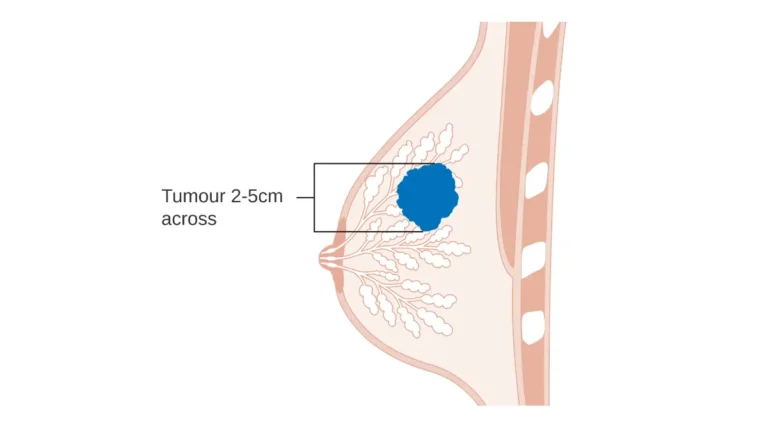
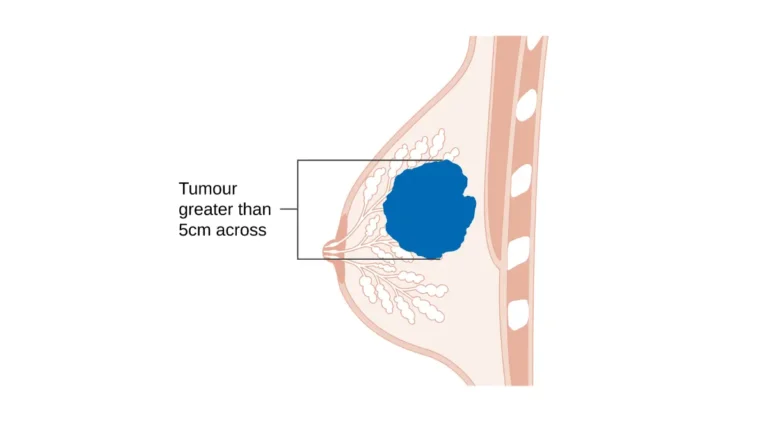
This guide answers that question with the clinical specificity you deserve. It covers what each chemotherapy drug class causes and why, how to tell normal from dangerous, what the evidence actually supports for managing each side effect, and exactly when to go to the emergency room without waiting. Understanding where your cancer was staged before treatment began explains why your oncologist chose your specific regimen — our complete guide to breast cancer stages, treatment, and survival provides that foundational context.
ℹ️ Medical Disclaimer: The diagnostic criteria, treatment protocols, medication information, emergency thresholds, and survivorship monitoring guidance discussed in this article reflect current clinical guidelines and are provided for educational purposes only. Individual treatment decisions, medication choices, emergency evaluation thresholds, and diagnostic conclusions depend on patient-specific factors including tumor subtype, comorbidities, complete blood count values, treatment regimen, and specialist assessment. Consult a board-certified oncologist or gynecologic oncologist before acting on any clinical information in this article. If you are experiencing a potential medical emergency — including fever during chemotherapy — seek emergency care immediately without waiting to consult this or any other resource.
Which chemo drug causes which side effect — and why it matters
The chemo side effects you experience depend almost entirely on which drugs are in your specific regimen. Patients receiving AC-based chemotherapy face a fundamentally different toxicity profile than patients on Taxol. Knowing your drugs — and what each one targets in your body — transforms a frightening physical experience into a predictable, manageable clinical event.
📊 Clinical Data Point: Breast cancer chemotherapy regimens are selected based on tumor subtype, stage, hormone receptor status, and HER2 status. The two dominant regimen categories — anthracyclines (doxorubicin/cyclophosphamide) and taxanes (paclitaxel/docetaxel) — produce signature toxicity profiles that differ significantly in type, timing, and severity threshold. — Source: NCCN Breast Cancer Clinical Practice Guidelines, 2026.
AC chemotherapy (doxorubicin + cyclophosphamide): what to expect
Doxorubicin (Adriamycin) and cyclophosphamide — the AC combination — are classified as highly emetogenic chemotherapy agents. Their primary toxicities are myelosuppression (depletion of white blood cells, red blood cells, and platelets), significant nausea and vomiting, and complete hair loss in the large majority of patients. The highest-risk period for complications occurs during the neutropenic nadir — the window approximately 7–14 days after each AC infusion when white blood cell counts reach their lowest point.
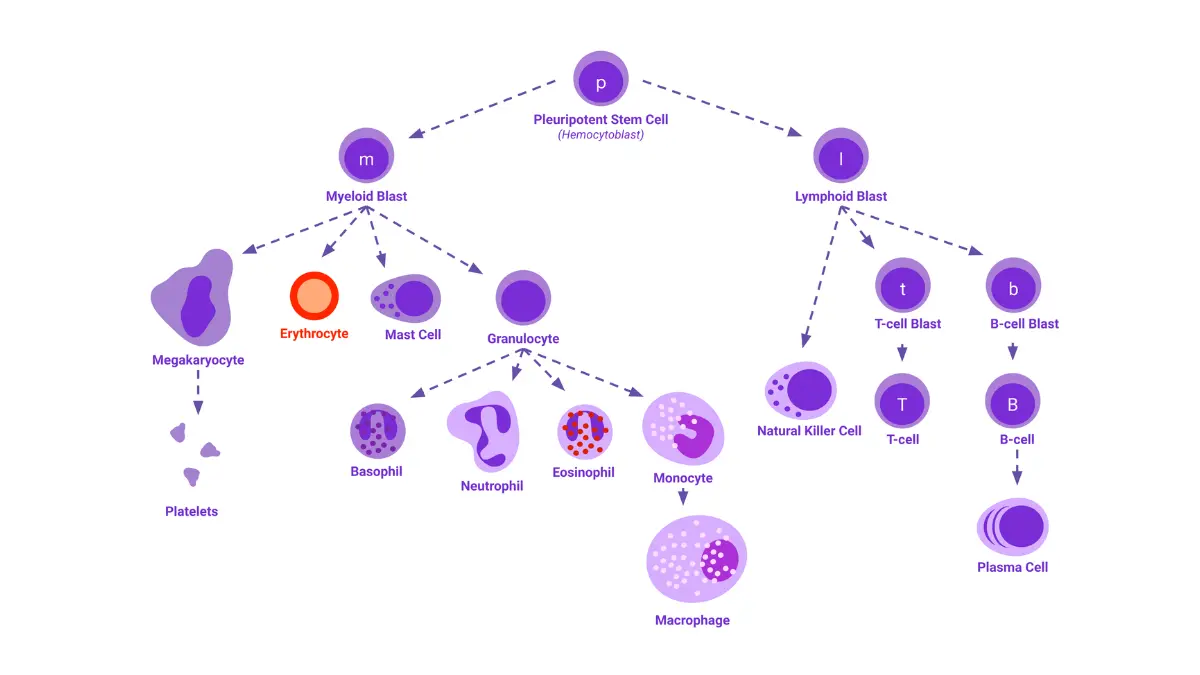
🔬 How It Works: Doxorubicin damages cancer cells by inhibiting an enzyme called topoisomerase II, which cancer cells need to replicate DNA. This same mechanism affects bone marrow stem cells, which is why white blood cell production drops predictably after each infusion. Cyclophosphamide acts as an alkylating agent — it cross-links DNA strands in rapidly dividing cells, including both tumor cells and healthy bone marrow cells. This is why myelosuppression is the most clinically significant shared toxicity of the AC combination.
Taxol and Taxotere (taxanes): why neuropathy feels different
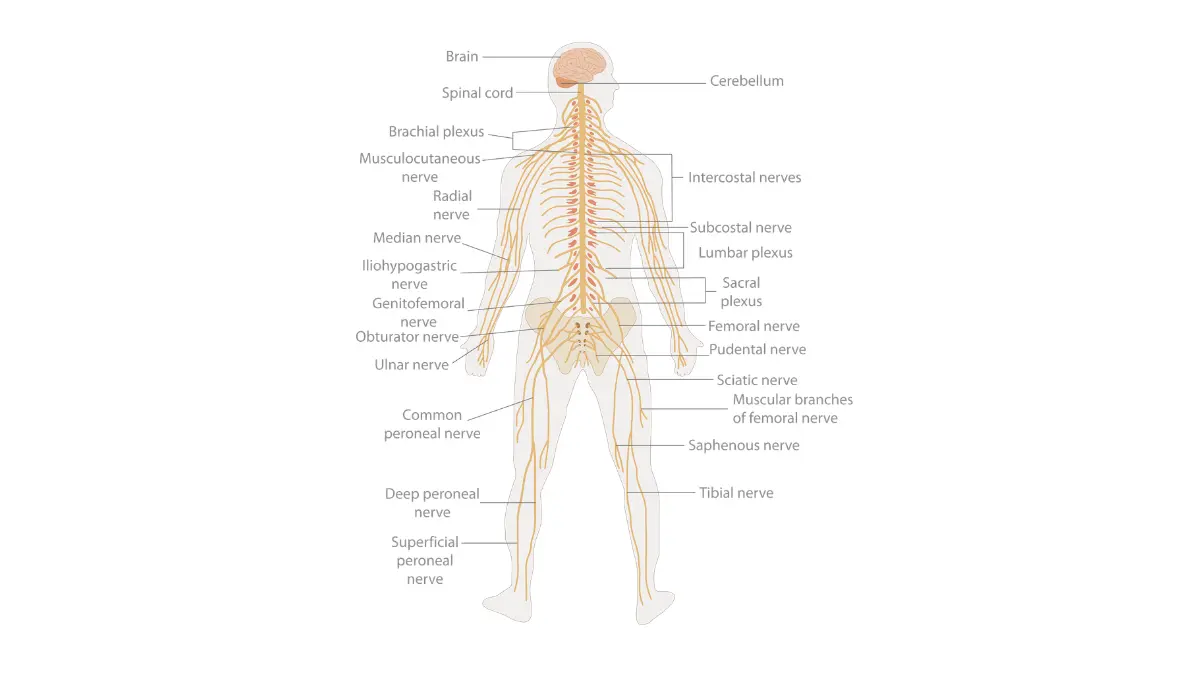
Paclitaxel (Taxol) and docetaxel (Taxotere) cause a distinctly different set of side effects from AC. Their primary toxicities are peripheral neuropathy — numbness, tingling, and burning sensations in the hands and feet — and myalgia and arthralgia (muscle and joint pain) that typically peaks 2–3 days after infusion. Nausea is significantly less severe with taxanes than with AC, though hair loss remains substantial.
🔬 How It Works: Taxanes stabilize microtubules inside cells rather than destroying them. This prevents cancer cells from completing cell division. In nerve cells, this microtubule hyperstabilization disrupts the axonal transport system that carries signals along nerve fibers — which is precisely why taxane-induced peripheral neuropathy begins in the fingertips and toes, where the longest nerve fibers are most vulnerable.
Carboplatin and HER2-targeted therapy: the additional side effect layer
Patients with HER2-positive breast cancer often receive targeted agents such as trastuzumab (Herceptin) alongside standard chemotherapy. Carboplatin, frequently added for triple-negative or HER2-positive regimens, contributes additional myelosuppression and potential kidney-related toxicity. Our dedicated guide to HER2-positive breast cancer treatment explains how targeted therapy changes both the treatment course and the side effect profile in detail.
| Drug Class | Primary Side Effects | Peak Timing | Most Important Threshold | Key Clinical Detail |
|---|---|---|---|---|
| AC (doxorubicin + cyclophosphamide) | Myelosuppression, severe nausea, alopecia, cardiotoxicity risk | Days 7–14 nadir | Fever ≥100.4°F = ER now | Cumulative doxorubicin dose is capped — track total dose |
| Taxanes (paclitaxel/docetaxel) | Peripheral neuropathy, myalgia, alopecia, mild nausea | Neuropathy: cumulative; myalgia: days 2–3 | Neuropathy worsening with each cycle = report immediately | Weekly Taxol = higher neuropathy risk than every-3-week dosing |
| Carboplatin | Myelosuppression, fatigue, nausea | Days 10–14 nadir | ANC <1,000 + fever = febrile neutropenia | Kidney function monitoring required between cycles |
| HER2-targeted (trastuzumab) | Cardiac function effects, infusion reactions | Cardiac monitoring: each cycle | Ejection fraction decline = treatment pause | Requires baseline and ongoing echocardiogram |
Source: NCCN Breast Cancer Clinical Practice Guidelines, 2026
For a complete breakdown of which regimen your oncologist may have chosen and why, our guide to breast cancer chemotherapy regimens and what to expect covers the full AC-T sequence and alternatives. The NCI’s chemotherapy and cancer treatment patient resource provides a federally verified overview that complements the drug-specific information here.
✅ Patient Action: If you do not know the specific names of the chemotherapy drugs in your regimen, ask your oncology nurse or pharmacist at your next infusion appointment to print your complete drug administration schedule. Knowing which drug class you are receiving lets you anticipate your specific side effect profile before it peaks — and tells you exactly which threshold to watch for.
Normal vs. worrying — how to read your chemo symptoms
Every patient receiving chemotherapy will experience side effects. The clinical challenge — and the reason this question accounts for the majority of oncology nurse line calls — is knowing which symptoms to manage at home and which ones require immediate escalation.
Expected side effects in the first 72 hours after infusion: what is normal
Nausea and vomiting, fatigue, headache, mild body aches, and decreased appetite are expected within the first 24–72 hours after most breast cancer chemotherapy infusions. These symptoms are the direct result of your antiemetic protocol wearing off as the chemotherapy drugs metabolize. They are not signs that something is going wrong — they are the predictable physiological response to the drugs doing their job.
Hair loss typically begins 2–4 weeks after the first infusion and accelerates with each subsequent cycle. Mouth sensitivity and mild sores may appear within 5–7 days. These expected effects are unpleasant and disabling — but they are not medical emergencies.
Symptoms that should prompt a same-day call to your oncology nurse line
These symptoms require contact with your oncology team within hours — not the next morning, not at your next scheduled visit:
- Fever of any level — even 99.5°F — during the days 7–14 post-infusion nadir window
- Chills, rigors, or shaking that begin suddenly
- Significant increase in nausea that your antiemetic protocol is not controlling after 24 hours
- Mouth sores severe enough to prevent eating or drinking for more than 12 hours
- Unusual bruising, bleeding gums, or blood in urine or stool
- Swelling, redness, or pain at the infusion site itself
Using a symptom log before your next appointment
A daily symptom log transforms your oncology appointments from vague check-ins into data-driven protocol reviews. Log the date, the specific symptom, its severity on a scale of 1–10, its duration, and whether you contacted your care team. Use our Symptom Checker tool to track and organize your side effects before each appointment — this gives your oncologist the clinical detail needed to adjust your protocol rather than simply managing each cycle as it comes.
✅ Patient Action: If you are unsure whether a symptom requires escalation, contact your oncology nurse line — not a general urgent care clinic. Your oncology team has access to your most recent ANC values, your treatment schedule, and your specific regimen — the three variables that determine the correct clinical threshold for your individual situation.
What actually helps with chemo side effects
The management strategies that work for breast cancer chemotherapy side effects are specific, drug-class-matched, and evidence-graded. Generic advice — drink fluids, rest — is not wrong. It is simply insufficient. Here is what the clinical evidence supports for each major side effect.
Managing chemo nausea: the three-drug antiemetic protocol
For patients receiving highly emetogenic regimens such as AC, oncologists use a three-drug antiemetic protocol consistent with 2026 ASCO antiemesis guidelines:
- Ondansetron (Zofran) or granisetron — a 5-HT3 receptor antagonist given before infusion and for 24 hours after, targeting the acute nausea phase
- Dexamethasone — a corticosteroid that provides synergistic baseline antiemetic control beginning before infusion and continuing for 3–4 days
- Aprepitant (Emend) — an NK1 receptor antagonist that specifically targets delayed-phase nausea, the hardest to control, occurring on days 2–5 post-infusion
🩺 Physician Note: In my practice, the most common preventable management failure I see is patients who stop taking their antiemetics once the nausea resolves on day 2 — before completing the full 3-day delayed-phase protocol. Delayed-phase CINV on days 3–5 is almost always worse when the NK1 antagonist is discontinued early. Take the full course your oncologist prescribed, even when you feel better.
If your current antiemetic protocol is not controlling your nausea, there are additional options — including olanzapine augmentation, which current ASCO guidance recognizes for refractory CINV in high-risk patients. You do not need to accept inadequate nausea control. Ask for a protocol adjustment after your first cycle. The FDA’s resource on approved antiemetic medications for chemotherapy confirms the regulatory approval status of each agent.
Chemo fatigue: what evidence says actually works
Cancer-related fatigue is not ordinary tiredness and does not respond to rest alone. Low-to-moderate intensity aerobic exercise — walking, cycling, swimming — performed 3–5 times per week has demonstrated consistent benefit for reducing chemotherapy-related fatigue across multiple oncology trials. The counterintuitive reality is that physical activity, not rest, is the single most effective evidence-based intervention for cancer-related fatigue. Use our Heart Rate Zone Calculator to identify an appropriate exercise intensity range for your current fitness level and confirm with your oncology team that your ANC is adequate for physical activity between cycles.
Iron-deficiency anemia frequently develops during breast cancer chemotherapy and amplifies fatigue significantly. If your fatigue feels disproportionate to your treatment cycle stage, ask your oncologist for an anemia workup at your next appointment.
Mouth sores, hair loss, and neuropathy: targeted management
Mucositis (mouth sores) responds to a salt and baking soda mouth rinse used 4–6 times daily — mix 1 teaspoon of salt and 1 teaspoon of baking soda in 8 ounces of water. Avoid alcohol-containing mouthwashes, which worsen mucosal irritation. Scalp cooling caps have demonstrated effectiveness in reducing hair loss for certain regimens, but are not appropriate for all breast cancer subtypes or treatment settings — ask your oncologist whether scalp cooling is compatible with your specific protocol. For taxane-induced peripheral neuropathy, early reporting to your oncologist matters: dose adjustments made before neuropathy becomes severe significantly reduce the risk of long-term symptom persistence.
Nutrition, hydration, and sleep: the evidence-based support layer
Adequate protein intake supports tissue repair and immune function during myelosuppression. Use our Protein Intake Calculator to estimate your daily protein target during active treatment. Hydration — at minimum 8–10 glasses of water daily during treatment weeks — supports kidney clearance of chemotherapy metabolites. Use our Water Intake Calculator to personalize your hydration target by body weight. Cold or room-temperature foods are generally better tolerated during peak nausea days; high-protein foods such as eggs, Greek yogurt, and soft legumes support recovery during nadir.
⚠️ Clinical Warning: Before adding any supplement — including ginger capsules, omega-3 products, or high-dose vitamins — confirm with your board-certified oncologist or oncology pharmacist that it does not interact with your specific chemotherapy agents. Certain supplements affect drug metabolism through CYP450 pathways and can alter treatment efficacy or increase toxicity. Supplement safety during active chemotherapy is not a general question — it is a drug-specific one.
✅ Patient Action: Ask your oncologist at your next appointment: “Based on how I responded to my last cycle, what adjustments can we make to my antiemetic, anti-nausea, or supportive care protocol?” This question is expected and clinically appropriate — your oncologist needs your symptom data to optimize your protocol, and inadequate symptom control in cycle 1 does not have to continue through cycle 6.
When a chemo side effect becomes a medical emergency — act now
Some chemo side effects are not side effects at all — they are medical emergencies. Knowing this threshold before your first infusion is not optional clinical knowledge. It is the single most important information in this article.
Seek emergency evaluation immediately — do not wait — if you experience any of the following:
- Fever of 100.4°F (38°C) or higher — at any point during your chemotherapy cycle
- Chills, rigors, or shaking that develop over hours alongside any fever
- Chest pain, shortness of breath, or heart palpitations — particularly for patients receiving doxorubicin
- Confusion, sudden severe headache, or any neurological change
- Inability to keep any fluids down for 24 hours or more
- Visible bleeding, blood in urine, or significant uncontrolled bruising
Fever during chemotherapy: the threshold you must know before your next infusion
A temperature of 100.4°F (38°C) in a chemotherapy patient is not a mild fever. It is the clinical definition of potential febrile neutropenia — a combination of fever and a depleted white blood cell count that creates conditions for bacterial infection to progress to sepsis within hours.
🔬 How It Works: Myelosuppressive chemotherapy reduces the absolute neutrophil count (ANC) — the specific white blood cell type responsible for fighting bacterial infections. When ANC falls below 1,000 cells per microliter (neutropenia) and fever develops, the immune system cannot contain bacterial infection independently. Empiric broad-spectrum IV antibiotics must begin within 60 minutes of emergency presentation to prevent bacteremia from progressing to septic shock. This is a time-sensitive emergency — the clinical window is hours, not days.
What is febrile neutropenia — and why it requires immediate action
Febrile neutropenia is formally defined as a fever of 100.4°F or higher combined with an absolute neutrophil count below 1,000 cells per microliter — per clinical standards recognized by the NCI and NCCN guidelines (2026). Patients receiving AC-based regimens are at highest risk during the neutropenic nadir window of days 7–14 post-infusion. The NCI’s clinical overview of febrile neutropenia and chemotherapy complications provides the federally verified clinical definitions.
⚠️ Clinical Warning: Do not call your primary care physician first. Do not call a general urgent care clinic. Go directly to the emergency room and tell the triage nurse immediately: “I am a breast cancer patient receiving chemotherapy and I have a fever.” This activates a neutropenic fever protocol that most hospital emergency departments maintain — reducing the time to IV antibiotic initiation, which is the variable most directly associated with outcomes in febrile neutropenia.
Other danger signs: cardiac symptoms and severe dehydration
Patients receiving doxorubicin (an anthracycline) should know that chest pressure, unusual shortness of breath, or a new sensation of rapid or irregular heartbeat warrants emergency evaluation — not a scheduled cardiology appointment. Doxorubicin has cumulative cardiac effects; early detection of cardiac strain changes the management entirely. Severe dehydration — no urination for 12 hours, extreme dizziness on standing, or inability to retain any fluids — also warrants emergency evaluation, not a nurse line call.
✅ Patient Action: Before your next infusion, write down your oncologist’s after-hours emergency line and the nearest hospital emergency department address on the same card. Place it where your caregiver can find it immediately. If you develop a fever during the nadir window, the decision to go to the ER should already be made — you should not be searching for phone numbers at 2am.
Long-term chemo side effects breast cancer survivors need to know
Breast cancer chemotherapy does not end when the final infusion is complete. Several treatment effects develop slowly, peak after active treatment, or require long-term monitoring. Knowing what to watch for — and which specialist to contact — changes survivorship outcomes.
Anthracycline cardiotoxicity: what the cumulative dose cap means for your heart
Doxorubicin carries a lifetime cumulative dose limit — oncologists track total exposure across all cycles because the risk of treatment-related cardiomyopathy rises significantly beyond a threshold cumulative dose. This is why your oncologist orders echocardiograms during and after AC-containing treatment. Any new chest symptoms, shortness of breath with light exertion, or ankle swelling after completing chemotherapy warrants a cardiac evaluation — not a “wait and see” approach.
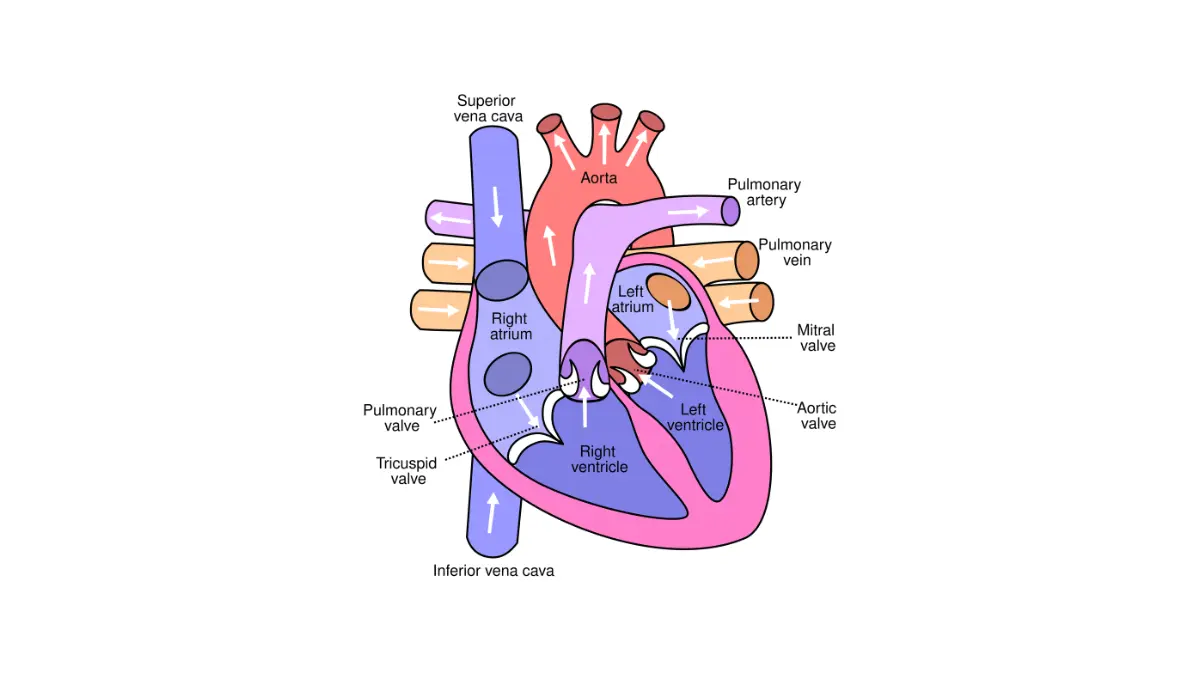
📊 Clinical Data Point: Anthracycline-related cardiotoxicity is dose-dependent and may appear months to years after treatment completion. Cardiac monitoring via echocardiogram is standard of care per NCCN survivorship guidelines, 2026.
Taxane neuropathy: how long does it last?
Taxane-induced peripheral neuropathy — the numbness, tingling, and burning in the hands and feet — does not resolve immediately after treatment ends. Most patients experience gradual symptom improvement over 12–18 months. A subset of patients — particularly those who received higher cumulative taxane doses or had neuropathy symptoms that were not dose-adjusted during treatment — may experience persistent symptoms beyond that window. Reporting neuropathy symptoms early during treatment, before they become severe, is the most effective intervention for reducing long-term persistence.
Active clinical trials are currently investigating new interventions for chemotherapy-induced peripheral neuropathy. Our search of active clinical trials for CIPN management — search “chemotherapy-induced peripheral neuropathy breast cancer” — may surface options available at oncology centers near you.
Chemo brain: cognitive changes after breast cancer treatment
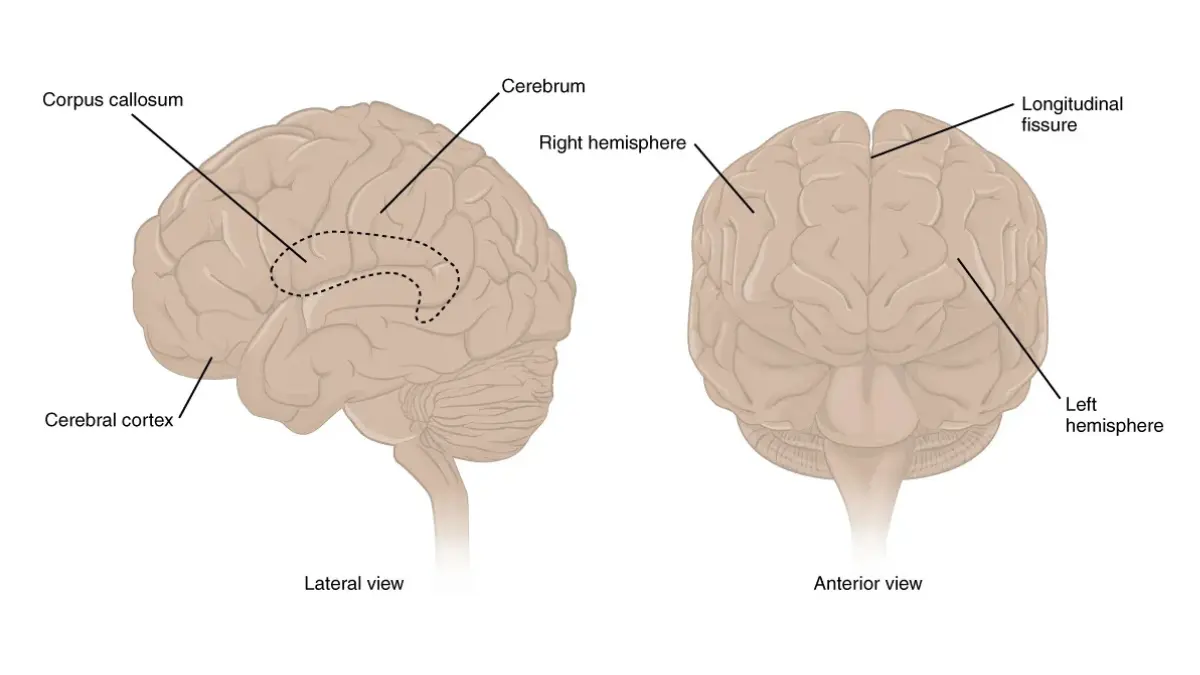
Chemotherapy-related cognitive impairment — commonly called “chemo brain” — affects memory, word retrieval, attention, and processing speed in a meaningful proportion of breast cancer survivors. It is a real, documented neurological phenomenon with a clinical name, not a subjective complaint. Most patients experience gradual cognitive recovery over 12–18 months post-treatment. Cognitive rehabilitation programs, offered through many breast cancer survivorship clinics, are available for patients with significant persistent symptoms. Understanding how your survival outcomes connect to your treatment choices is part of the full picture — our guide to breast cancer survival rates by stage and subtype provides that context.
✅ Patient Action: If you are experiencing persistent neuropathy, cardiac symptoms, or significant cognitive difficulty three or more months after completing chemotherapy, ask your oncologist for a referral to a breast cancer survivorship clinic. These multidisciplinary programs are designed specifically to manage long-term treatment effects and can coordinate cardiology, neurology, and neuropsychology assessments under one care plan.
What I tell every patient starting breast cancer chemotherapy
In my practice, the patients who move through chemotherapy with the best-managed side effect profiles share one behavior: they advocate for themselves after cycle 1.
They come to their second-cycle appointment with a written symptom log. They say, specifically: “The nausea on days 3 and 4 was not controlled by my current antiemetic — what can we change?” And they receive a protocol adjustment, because that is exactly the clinical information their oncology team needs.
The one question to ask before leaving your first infusion
Before you leave your first chemotherapy infusion, ask your oncology nurse: “What is the plan if my current antiemetic and supportive care protocol does not work for my next cycle?”
The answer will tell you what your options are before you need them. It tells you that adjustments are available and expected — not exceptional. It reframes the entire treatment experience from something happening to you into something you are actively managing alongside your care team.
Why advocating for antiemetic adjustments is not complaining
This is something I say directly to every patient I see who has suffered through a difficult first cycle without reporting it: the side effects you experience in cycle 1 are clinical data. They are not a sign of weakness. They are not inevitable for every remaining cycle. Reporting them is not complaining — it is giving your oncologist the information needed to optimize your care.
The antiemetic escalation ladder has multiple rungs. If ondansetron alone is insufficient, aprepitant is added. If delayed nausea persists, olanzapine augmentation is a recognized option in current ASCO 2026 guidance for high-risk patients. You do not need to endure a level of side effect burden that your oncology team has pharmacological tools to reduce.
🩺 Physician Note: The patients I have seen complete breast cancer chemotherapy with the best quality of life were not the patients who experienced fewer side effects. They were the patients who reported every symptom clearly and advocated for protocol adjustments early. Symptom control is not a luxury in cancer treatment — it is a clinical priority that affects whether patients can complete their full treatment course.
Frequently asked questions about chemo side effects in breast cancer
1. What are the worst chemo side effects for breast cancer patients?
The most clinically severe chemo side effects are febrile neutropenia — a dangerously low white blood cell count combined with fever — and dose-limiting peripheral neuropathy from taxane-based regimens. Both can interrupt or alter your treatment course if not caught early. Nausea, fatigue, and hair loss are far more common but rarely life-threatening when properly managed. Consult a board-certified oncologist to understand which risks apply to your specific regimen.
2. How long do chemo side effects last after breast cancer treatment ends?
Acute chemo side effects including nausea typically resolve within days to weeks of the final infusion. Hair loss begins reversing within 3–6 months for most patients. Taxane-induced neuropathy may require 12–18 months to improve significantly, and some patients experience persistent symptoms beyond that window. Cognitive effects known as chemo brain may persist for months before gradually resolving. Consult your board-certified oncologist about a survivorship monitoring plan tailored to your specific regimen and cumulative doses.
3. What actually helps with chemo nausea for breast cancer patients?
The most effective approach combines a three-drug antiemetic protocol — a 5-HT3 antagonist such as ondansetron, a corticosteroid such as dexamethasone, and an NK1 receptor antagonist such as aprepitant — used before and for 3–4 days after each infusion. Eating small, cold meals and avoiding strong odors during peak nausea days provides additional relief. If your current protocol is not working, dose adjustments and antiemetic additions are available. Consult your board-certified oncologist if nausea is not controlled between cycles.
4. Does everyone lose their hair with breast cancer chemotherapy?
Hair loss is common but drug-dependent. AC-based regimens (doxorubicin/cyclophosphamide) cause significant alopecia in the large majority of patients. Taxanes also cause substantial hair loss, though rates vary by dosing schedule. Scalp cooling caps have demonstrated effectiveness for certain regimens and patient profiles — they are not appropriate for every breast cancer subtype or treatment setting. Ask your board-certified oncologist whether scalp cooling is compatible with your specific chemotherapy protocol before your first infusion.
5. What is febrile neutropenia and why is it a medical emergency?
Febrile neutropenia occurs when chemotherapy-suppressed white blood cell counts fall low enough that a fever of 100.4°F (38°C) or higher cannot be contained by the immune system alone. Bacterial infection can progress to sepsis within hours without IV antibiotic treatment. Go to the emergency room immediately — do not wait — and identify yourself as a chemotherapy patient with a fever. This is the most time-sensitive complication of breast cancer chemotherapy. Consult your oncology team before treatment about whether G-CSF prophylaxis is appropriate for your regimen.
6. Can I work during breast cancer chemotherapy?
Many patients continue working during chemotherapy, but feasibility depends on regimen intensity, occupational infection-exposure risk, and individual fatigue severity. Chemo side effects including fatigue typically peak on days 2–5 after infusion and improve before the next cycle. High-infection-exposure work environments — schools, healthcare, food service — carry increased risk during the neutropenic nadir. Cognitively demanding roles may be affected by chemo brain during active treatment. Discuss your specific work environment and scheduling with your board-certified oncologist before your first infusion.
7. How do I manage fatigue during breast cancer chemotherapy?
Low-to-moderate intensity aerobic exercise — walking or cycling 3–5 times per week — has demonstrated consistent benefit for reducing cancer-related chemo side effects involving fatigue, even during active treatment. Iron-deficiency anemia, which frequently develops during chemotherapy, amplifies fatigue and should be evaluated and treated if present. Scheduling high-energy activities during the days between your peak toxicity window reduces cumulative fatigue burden. Ask your board-certified oncologist whether your fatigue warrants an anemia workup at your next appointment.
8. What foods help during breast cancer chemotherapy?
High-protein foods — eggs, Greek yogurt, soft legumes, and nut butters — support tissue repair during myelosuppression. Cold or room-temperature foods are typically better tolerated than hot foods during peak nausea days. Avoid highly acidic, spicy, and alcohol-containing foods, which worsen mucositis and gastric irritation. Adequate hydration — at least 8–10 glasses of water daily during treatment weeks — supports kidney clearance of chemotherapy metabolites. Ask your oncology team for a referral to an oncology-certified registered dietitian for a personalized nutrition plan during treatment.
9. Is peripheral neuropathy from breast cancer chemo permanent?
Taxane-induced peripheral neuropathy is not permanent for most patients. Gradual symptom improvement occurs over 12–18 months after completing taxane treatment for the majority of patients who experience it. A subset — particularly those who received higher cumulative doses without early dose adjustment — experience longer symptom duration. Reporting neuropathy to your oncologist during treatment rather than after completion is the most important factor in preventing long-term persistence. Consult a board-certified oncologist about CIPN-specific physical therapy and any active trial options at your next survivorship appointment.
10. What are the long-term side effects of breast cancer chemotherapy?
Long-term chemo side effects depend on the specific agents used. Anthracyclines carry cumulative cardiotoxicity risk requiring ongoing echocardiogram monitoring. Taxanes may produce persistent peripheral neuropathy. Chemotherapy-related cognitive impairment affects a meaningful proportion of breast cancer survivors, with most experiencing gradual recovery. Premature menopause may result from chemotherapy in premenopausal women. Consult your board-certified oncologist about establishing a survivorship monitoring schedule — ideally through a dedicated breast cancer survivorship clinic — tailored to your specific treatment history.
11. How do AC chemotherapy and Taxol differ in side effects for breast cancer patients?
AC (doxorubicin plus cyclophosphamide) and Taxol (paclitaxel) produce distinctly different chemo side effects. AC causes severe nausea, myelosuppression, significant hair loss, and cumulative cardiotoxicity risk — with the highest-risk period during the days 7–14 neutropenic nadir. Taxol primarily causes peripheral neuropathy, muscle and joint pain peaking 2–3 days post-infusion, and hair loss — with significantly less nausea. In the AC-T sequential regimen, you will experience both profiles in different phases. Consult your board-certified oncologist about which side effect to prioritize managing based on your current treatment phase.
You can manage chemo side effects — with the right clinical guidance
Breast cancer chemotherapy is one of the most physically demanding medical experiences a person can go through. What makes the difference between suffering through it and managing it effectively is not a higher pain threshold — it is clinical information delivered clearly, early, and with the specificity that allows you to act.
You now know which drug in your regimen causes which specific effect, the exact threshold that turns a symptom into a medical emergency, the antiemetic protocol that evidence supports, and what to watch for long after your final infusion. Bring this knowledge — and your symptom log — to every appointment.
Understanding how your diagnosis stage connects to your treatment plan is the foundation of all of this. Our complete guide to breast cancer stages, treatment decisions, and survival rates gives you that clinical context in full. Your care team is your most important resource — and you are your care team’s most important source of clinical data.
About this content
How this article was put together: researched from recognised health sources, drafted with the help of AI tools, and edited by hand, with sources linked throughout.

Sameer Patel is the founder and editor of My Medicine Advisor. He is not a doctor or medical professional — before starting this site he worked in banking,…
Medical disclaimer
The content on MyMedicineAdvisor is provided for general informational and educational purposes only and is not a substitute for professional medical advice, diagnosis, or treatment. Health information on this website should not be used to diagnose, treat, cure, or prevent any condition without guidance from a qualified healthcare professional. Always seek the advice of your doctor, physician, or another licensed healthcare provider with any questions you may have regarding a medical condition, symptoms, medications, or treatment decisions.