
On This Page – Quick Medical Summary
What breast cancer survival rates really mean — and what they don’t
If you were just diagnosed with breast cancer — or you’re researching on behalf of someone you love — the number you found online is not your personal prognosis. It describes a large population of patients diagnosed over many years, often treated with protocols that predate the therapies available today.
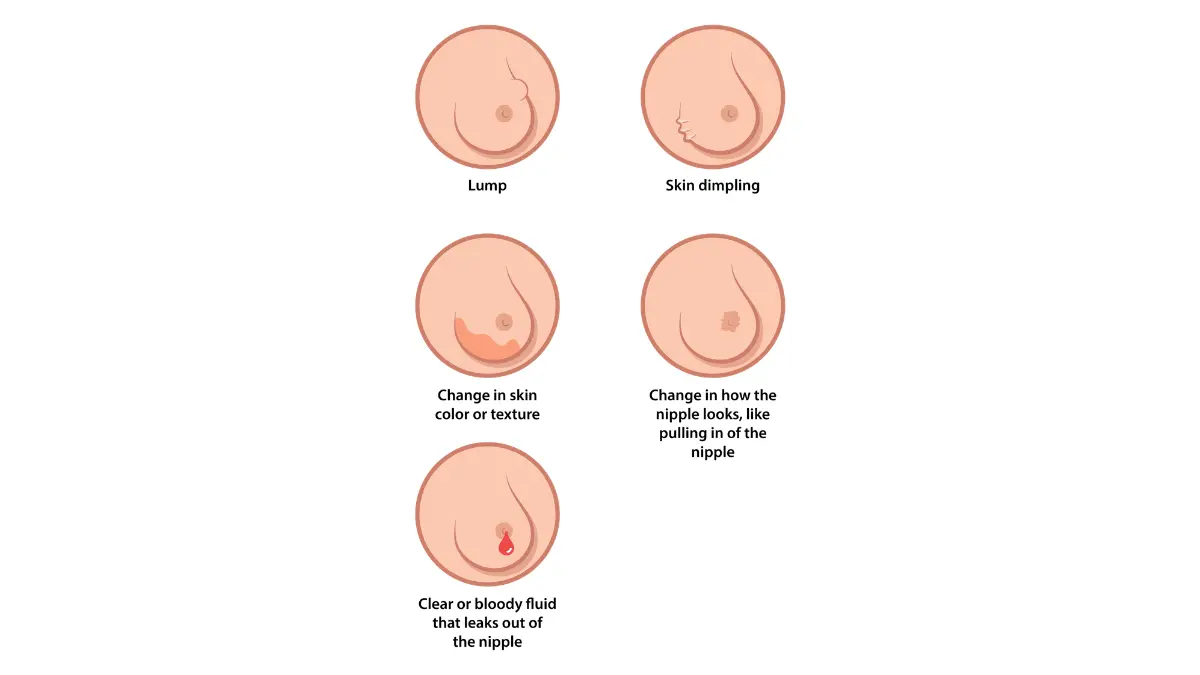
Two factors change everything a survival rate means: your specific subtype, and the treatment era those statistics actually reflect. For a full overview of early breast cancer warning signs and what prompts a diagnostic workup, see our dedicated symptom guide.
This article presents 2026 NCI SEER data reviewed by a board-certified gynecologic oncologist — with the clinical interpretation most health sites omit.
ℹ️ Medical Disclaimer: The diagnostic criteria, stage classifications, survival rate data, treatment protocols, and medication information discussed in this article reflect current clinical guidelines as of 2026 and are provided for educational purposes only. Individual diagnostic conclusions, treatment decisions, receptor-matched therapy selection, clinical trial eligibility, and insurance coverage determinations depend on factors specific to each patient — including pathology results, tumor biology, imaging findings, comorbidities, and performance status. Consult a board-certified gynecologic oncologist or oncologist before acting on any clinical information in this article. Do not modify any treatment plan based on population-level statistics without specialist review.
How breast cancer survival rates are calculated — and what the numbers actually count
A 5-year relative survival rate compares the percentage of breast cancer patients alive five years after diagnosis to people of the same age and sex without cancer — it is a statistical benchmark drawn from population data, not a prediction of any individual patient’s outcome.
🔬 How It Works: The NCI SEER (Surveillance, Epidemiology, and End Results) program collects data on cancer diagnoses, treatments, and survival across registries that cover approximately 48% of the US population. Survival rates are then calculated by comparing cancer patient survival to matched non-cancer populations. Because SEER data is collected retrospectively — reflecting patients treated 5 to 10 years before publication — current survival tables may not yet capture outcomes achievable with therapies approved or widely adopted in the last 3 years.
📊 Clinical Data Point: Breast cancer is the most commonly diagnosed cancer among US women, accounting for approximately 1 in 3 new female cancer diagnoses annually — Source: American Cancer Society, 2026
This lag matters most for metastatic disease. A patient diagnosed with stage IV breast cancer in 2026, treated with CDK4/6 inhibitors and HER2-directed antibody-drug conjugates, is receiving fundamentally different care than patients whose outcomes are reflected in current SEER tables. For a complete explanation of how breast cancer is staged using the AJCC system, see our pillar article on breast cancer stages and survival.
Breast cancer survival rates by stage: 2026 NCI SEER data
The following 5-year relative survival rates are drawn from the NCI SEER 2026 breast cancer survival data and represent the percentage of breast cancer patients alive five years after diagnosis compared to people of the same age without cancer. For a full explanation of how each stage is defined, see our staging overview.
📊 Clinical Data Point: 5-Year Relative Survival Rates by Stage — Source: NCI SEER Database, 2026
| Stage | Disease Extent | 5-Year Relative Survival Rate | Key Clinical Detail |
|---|---|---|---|
| Stage I | Localized to breast tissue | ~99% | Most favorable prognosis; early detection is the primary driver |
| Stage II | Limited regional spread | ~86% | Lymph node involvement possible; highly treatable with standard protocols |
| Stage III | Extensive regional spread | 57–86%* | Substage determines range; neoadjuvant chemotherapy is standard |
| Stage IV | Distant metastasis | ~31% | Reflects historical treatment cohort; current regimens improving real-world outcomes |
Stage III range: IIIA approximately 86%; IIIC approximately 57% Source: NCI SEER Database Table reviewed by Dr. Carolyn D. Fairweather, MD, Gynecologic Oncology
Stage I and II breast cancer survival rates
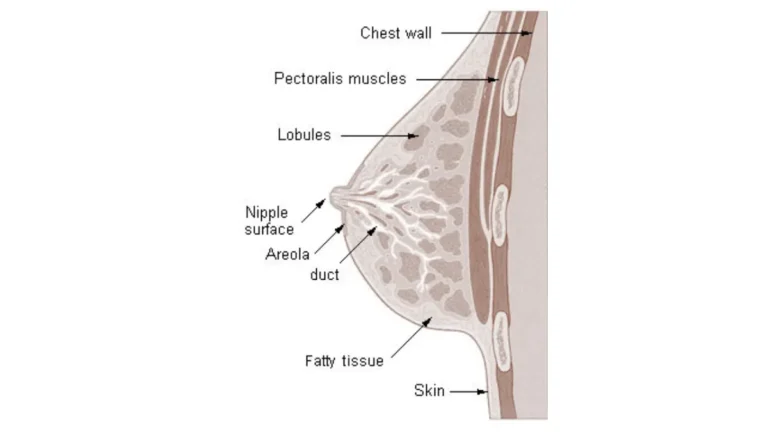
Stage I breast cancer — cancer confined to breast tissue without lymph node involvement — carries a 99% 5-year relative survival rate, making early-stage breast cancer one of the most successfully treated solid tumors in oncology. Stage II, where limited regional lymph node involvement may be present, carries an 86% 5-year relative survival rate with full access to current treatment protocols.
Stage III breast cancer survival rate
Stage III breast cancer involves more extensive regional spread to lymph nodes or nearby tissue. The 5-year relative survival rate ranges from 57% to 86% depending on substage — Stage IIIA carries considerably more favorable outcomes than Stage IIIC, where multiple nodal groups are involved. Neoadjuvant chemotherapy before surgery is the standard approach, with receptor status determining whether HER2-directed or endocrine therapy is added.
Stage IV (metastatic) breast cancer survival rate: what the numbers really mean
The 5-year relative survival rate for stage IV breast cancer is approximately 31% — a figure that requires immediate clinical context before a patient or caregiver interprets it.
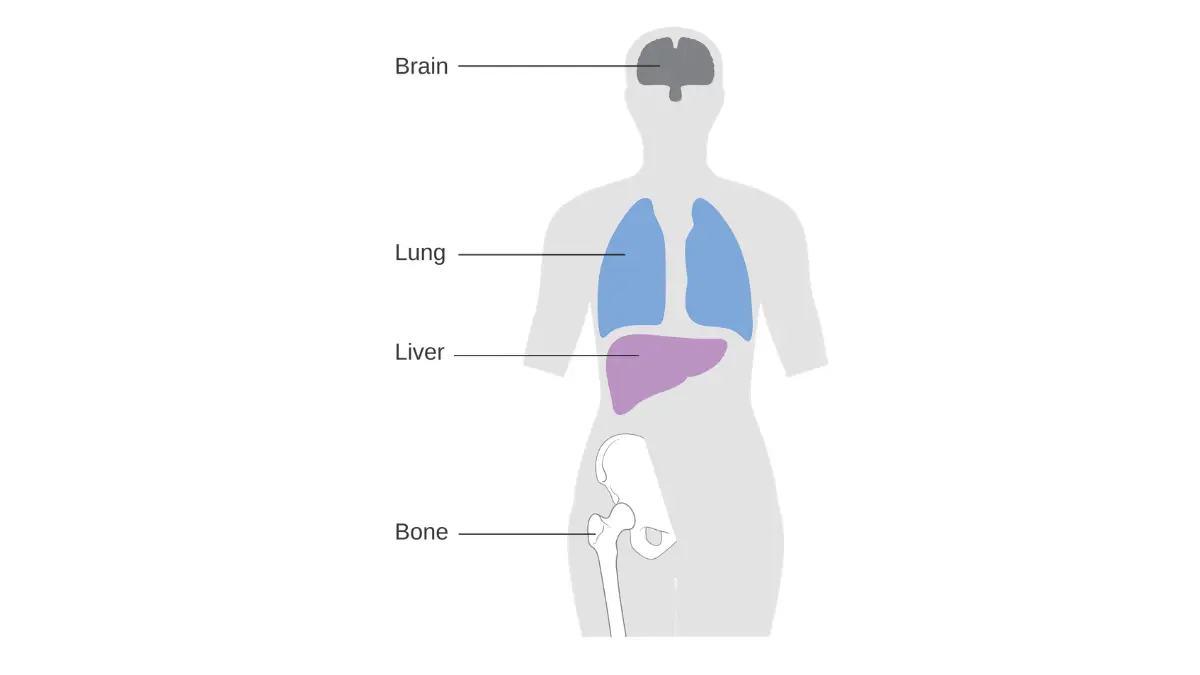
Adapted from Wikimedia Commons Diagram showing most common sites breast cancer spreads to CRUK 169, licensed under CC BY-SA 4.0.
⚠️ Clinical Warning: The 31% stage IV survival figure reflects patients diagnosed and treated across a data collection window that predates widespread CDK4/6 inhibitor use, trastuzumab deruxtecan, and pembrolizumab-based regimens. For HR-positive/HER2-negative metastatic breast cancer specifically, real-world progression-free survival with first-line CDK4/6 inhibitor regimens significantly exceeds what current SEER population averages capture. This statistic does not represent a ceiling on your individual outcome.
✅ Patient Action: If you or a family member has received a stage IV breast cancer diagnosis, ask your oncologist this specific question before your next appointment: “Based on my receptor status — ER, PR, HER2, and PD-L1 — which current first-line regimen has the strongest evidence base for my tumor biology, and am I eligible for any active clinical trials?” This question is more clinically useful than any population survival rate.
How your breast cancer subtype changes your survival outlook
Stage alone does not determine prognosis. Hormone receptor status — specifically whether the tumor expresses estrogen receptors (ER), progesterone receptors (PR), or HER2 protein — modifies survival outcomes by as much as 20 to 35 percentage points at equivalent stages.
HR-positive/HER2-negative breast cancer: the most common and most favorable subtype
Hormone receptor-positive, HER2-negative (HR+/HER2-) breast cancer is the most common subtype, representing approximately 70% of all diagnoses. At the localized stage, 5-year relative survival approaches 99%. For metastatic HR+/HER2- disease, CDK4/6 inhibitors combined with endocrine therapy have extended progression-free survival significantly beyond what historical SEER figures capture.
🔬 How It Works: CDK4/6 inhibitors — including palbociclib, ribociclib, and abemaciclib — block the CDK4 and CDK6 kinase enzymes that drive cell cycle progression from the G1 to S phase. By halting this progression, they overcome the endocrine resistance that causes HR+ tumors to stop responding to estrogen-blocking therapy alone. This mechanism has produced the largest survival gains in metastatic breast cancer in the last decade.
HER2-positive breast cancer: how targeted therapy transformed prognosis
HER2-positive breast cancer was historically associated with aggressive growth and poor outcomes. The introduction of trastuzumab-based neoadjuvant therapy changed that prognosis substantially — patients who achieve a pathologic complete response (pCR) after neoadjuvant trastuzumab and chemotherapy now carry long-term survival outcomes that approach those of early-stage HR+ disease. Trastuzumab deruxtecan (T-DXd) has further expanded treatment options in HER2-positive and HER2-low metastatic disease, representing a new category of patients previously classified as HER2-negative who now have targeted therapy options.
For a detailed look at invasive ductal carcinoma prognosis — the most common HER2-positive tumor histology — see our dedicated article.
Triple-negative breast cancer: current data and immunotherapy’s emerging role
Triple-negative breast cancer (TNBC) — lacking ER, PR, and HER2 expression — has historically carried the poorest prognosis due to the absence of targeted therapy options. Two developments have meaningfully shifted outcomes. First, pembrolizumab is now FDA-approved for PD-L1-positive early-stage TNBC (combined positive score ≥10), based on the KEYNOTE-522 trial. Second, olaparib and talazoparib — PARP inhibitors — are FDA-approved for BRCA-mutated TNBC. For patients with a family history suggesting hereditary risk, use our Genetic Risk Assessment Tool to evaluate your personal risk profile, and see our guide to understanding your BRCA test results.
✅ Patient Action: If you have not yet received a complete receptor panel report — ER, PR, HER2 status, Ki-67 index, and PD-L1 expression — ask your oncologist to review these results with you before any systemic therapy begins. Your subtype classification determines which FDA-approved regimens you are eligible for. Consult a board-certified gynecologic oncologist or oncologist who specializes in breast cancer to confirm your subtype and its prognosis implications.
What else affects breast cancer survival rates beyond your stage
Stage and subtype explain most of the variation in breast cancer prognosis — but not all of it. Age at diagnosis, race, insurance status, and access to high-volume oncology centers each independently modify survival outcomes in ways that population survival statistics average out.
Age at diagnosis and breast cancer survival
Women diagnosed with breast cancer under age 40 are disproportionately likely to present with triple-negative or HER2-positive subtypes — biologically more aggressive tumors that drive worse stage-adjusted outcomes in younger patients despite their physiological resilience advantages. Women diagnosed over 70 face different challenges: comorbidities that limit aggressive treatment eligibility and underrepresentation in clinical trials that established current survival benchmarks.
Racial survival disparities in breast cancer: Black women and the mortality gap
📊 Clinical Data Point: Black women in the US experience a breast cancer mortality rate approximately 40% higher than white women despite a lower overall incidence rate — a disparity driven by inequities in mammography screening access, higher rates of triple-negative breast cancer diagnoses, and barriers to high-volume oncology center care. Source: American Cancer Society, 2026
This disparity is not biologically inevitable. It is addressable through equitable access to mammography screening, timely diagnostic workup, and specialist-level breast oncology care. Understanding what your mammogram BI-RADS result means is an important step in navigating the diagnostic pathway. Learning the first signs of breast cancer enables earlier presentation.
How access to NCI-designated cancer centers affects outcomes
Volume-outcome data in breast oncology is among the most consistent in surgical research: patients treated at high-volume breast cancer programs have measurably better surgical margin rates, sentinel lymph node biopsy accuracy, and access to multidisciplinary tumor boards than patients treated at lower-volume community centers.
✅ Patient Action: If you have been diagnosed with stage III or IV breast cancer — or with any stage of triple-negative or HER2-positive disease — ask your referring physician whether a consultation at an NCI-designated comprehensive cancer center is appropriate before treatment begins. You can locate your nearest NCI-designated center through the National Cancer Institute’s website.
How 2026 treatment advances are shifting breast cancer survival outcomes
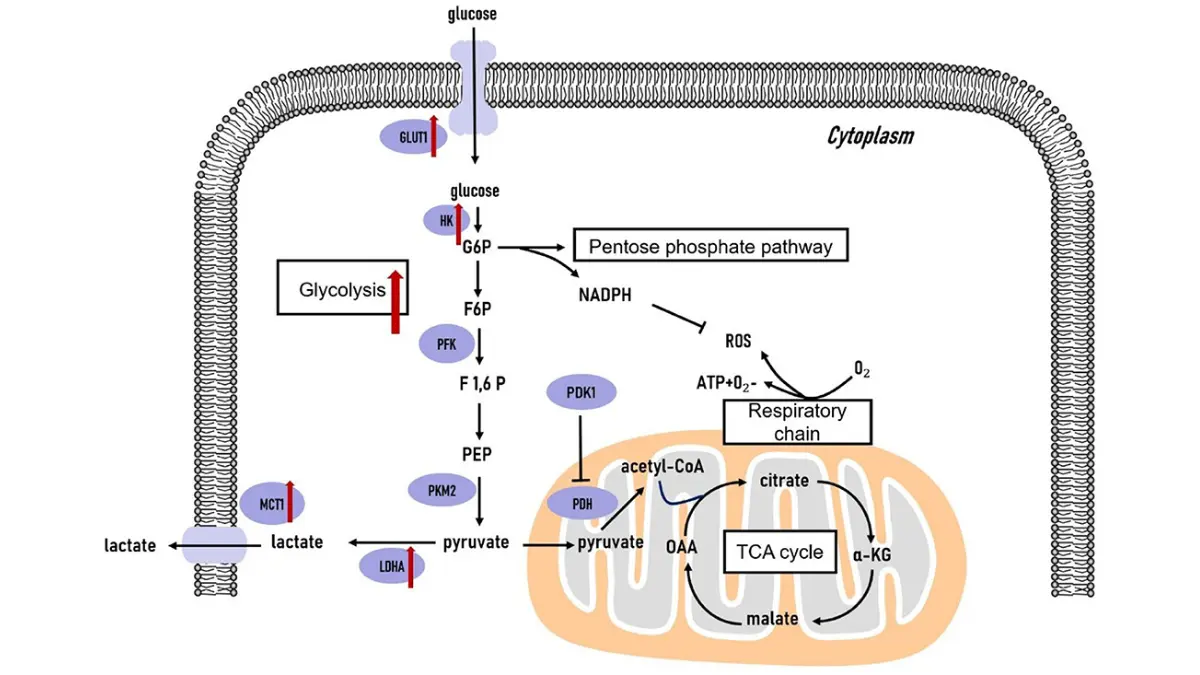
The three treatment developments below have produced the largest improvements in breast cancer survival outcomes in the current treatment era — and none of them are fully captured in existing SEER population survival tables, which reflect patients treated under earlier protocols.
CDK4/6 inhibitors and HR-positive metastatic breast cancer
CDK4/6 inhibitors — palbociclib (Ibrance), ribociclib (Kisqali), and abemaciclib (Verzenio) — are now the NCCN-recommended first-line standard of care for HR+/HER2- metastatic breast cancer in combination with endocrine therapy. These agents have extended median progression-free survival significantly beyond endocrine therapy alone in pivotal trials including PALOMA-2, MONALEESA-2, and MONARCH-3.
📊 Clinical Data Point: CDK4/6 inhibitors represent a class of FDA-approved targeted therapies that have materially improved outcomes in HR+/HER2- metastatic breast cancer. Full prescribing information and approval status for each agent are maintained on the FDA breast cancer therapy approvals page. Current NCCN guideline status and evidence summaries are available through the NCI breast cancer treatment overview.
Trastuzumab deruxtecan and HER2-positive disease
Trastuzumab deruxtecan (T-DXd) has redefined the HER2 treatment landscape by establishing HER2-low expression (IHC 1+ or IHC 2+/ISH-negative) as a distinct therapeutic category. Patients previously classified as HER2-negative who carry HER2-low expression are now eligible for T-DXd — expanding the treated population and improving outcomes in a group that historically lacked targeted options. For patients considering surgical options alongside systemic therapy, see our guide on what to expect from mastectomy.
Immunotherapy and triple-negative breast cancer in 2026
Pembrolizumab received FDA approval for early-stage PD-L1-positive TNBC based on the KEYNOTE-522 trial, which demonstrated a statistically significant improvement in pathologic complete response rates and event-free survival with the addition of pembrolizumab to neoadjuvant chemotherapy.
🩺 Physician Note: In my clinical experience, the most underappreciated shift in breast oncology over the past four years has been the HER2-low reclassification. I routinely see patients who were told they had “HER2-negative” disease — meaning they were excluded from HER2-directed therapy — who, under the new classification framework, are eligible for trastuzumab deruxtecan. If your pathology report is more than 18 months old, ask your oncologist whether re-testing or reclassification under current criteria is warranted.
A gynecologic oncologist’s perspective on survival statistics and what they mean for your care
I have this conversation with patients every week. A person arrives at their first oncology consultation having already decided, based on a survival rate they read the night before, what their outcome will be.
What survival statistics cannot tell you about your individual prognosis
Population survival statistics describe what happened to thousands of patients across many years — many of whom were treated with protocols that no longer represent the standard of care. They cannot capture your specific tumor biology, your performance status, your response to first-line therapy, or the fact that metastatic HR+/HER2- breast cancer is increasingly managed as a chronic condition with modern regimens. The patient sitting across from me is not a SEER cohort average. She is a specific clinical case with a specific receptor panel, specific metastatic burden if applicable, and specific eligibility for specific FDA-approved therapies.
When to seek a second opinion or ask about clinical trial enrollment
If you have been diagnosed with any stage of breast cancer and have not yet consulted with an oncologist who specializes in breast disease — not a general oncologist, but a specialist whose practice is substantially breast oncology — seek that consultation before finalizing a treatment plan. For patients whose disease has not responded to initial therapy, or who want access to next-generation agents before they become standard of care, active breast cancer clinical trials are updated daily and searchable by stage, subtype, and location.
✅ Patient Action: Ask your oncologist directly: “Has my tumor been tested for all currently actionable biomarkers — ER, PR, HER2 copy number, PD-L1 CPS, Ki-67, and BRCA mutation status — and have you reviewed my eligibility for active clinical trials based on these results?” This is the most clinically productive question you can ask at your next appointment. Consult a board-certified gynecologic oncologist or breast oncology specialist before making any treatment decision.
Frequently asked questions about breast cancer survival rates
1. What does a 5-year survival rate mean for breast cancer?
A 5-year relative survival rate compares the percentage of breast cancer patients alive five years after diagnosis to people of the same age without cancer. It is a population-level statistical benchmark drawn from the NCI SEER database — not a prediction of any individual patient’s outcome. Two patients at identical stages may carry meaningfully different prognoses based on receptor status, tumor biology, and access to current treatment protocols.
2. What is the survival rate for stage I breast cancer?
Stage I breast cancer survival rate is approximately 99% at five years, per 2026 NCI SEER data — among the most favorable prognoses in oncology. At this stage, cancer is confined to the breast tissue without lymph node involvement. Early detection through mammography is the primary mechanism of stage I diagnosis. This figure should be the clinical baseline for patients diagnosed at this stage.
3. What is the survival rate for stage II breast cancer?
Stage II breast cancer carries a 5-year relative survival rate of approximately 86%, per 2026 NCI SEER data. The tumor may involve nearby lymph nodes but remains regional. Treatment typically includes surgery with receptor-matched systemic therapy — endocrine therapy, HER2-directed agents, or CDK4/6 inhibitors. Consult a board-certified oncologist to confirm the correct regimen based on your specific receptor panel.
4. What is the survival rate for stage III breast cancer?
Stage III breast cancer survival rates range from approximately 57% to 86% depending on substage, per 2026 NCI SEER data. Stage IIIA carries considerably more favorable outcomes than Stage IIIC, which involves extensive nodal involvement. Neoadjuvant chemotherapy before surgery is the standard approach. Consult a board-certified oncologist about your specific substage, receptor profile, and clinical trial eligibility before beginning treatment.
5. What is the survival rate for stage IV breast cancer?
Stage IV breast cancer carries a 5-year relative survival rate of approximately 31%, per 2026 NCI SEER data — but this figure reflects historical treatment cohorts predating CDK4/6 inhibitors and trastuzumab deruxtecan. Real-world outcomes for HR+/HER2- metastatic disease with current first-line regimens exceed this population average. Consult a board-certified oncologist at an NCI-designated cancer center about how your receptor status modifies this statistic for your specific case.
6. Can you survive stage 3 breast cancer?
Yes — the majority of patients diagnosed with stage III breast cancer achieve long-term survival. The 5-year relative survival rate ranges from 57% to 86% by substage, per 2026 NCI SEER data, and many patients achieve disease-free survival beyond 10 years following complete pathologic response to neoadjuvant chemotherapy and receptor-targeted maintenance therapy. Consult a board-certified oncologist about your substage-specific prognosis and treatment options.
7. What type of breast cancer has the best survival rate?
Hormone receptor-positive, HER2-negative (HR+/HER2-) localized breast cancer carries the most favorable prognosis, with stage I 5-year survival approaching 99%. CDK4/6 inhibitors combined with endocrine therapy have further extended outcomes in HR+/HER2- metastatic disease. This is also the most common breast cancer subtype. Consult a board-certified oncologist to confirm your receptor classification and which treatment protocol it determines.
8. What type of breast cancer has the worst prognosis?
Triple-negative breast cancer (TNBC) historically carries the poorest prognosis due to limited targeted therapy options. Pembrolizumab for PD-L1-positive early-stage TNBC and olaparib for BRCA-mutated TNBC have significantly improved outcomes since FDA approval. Survival now depends heavily on PD-L1 expression status and BRCA mutation result. Consult a board-certified oncologist about your TNBC biomarker profile and current FDA-approved treatment eligibility.
9. How does HER2-positive breast cancer affect survival rates?
HER2-positive breast cancer was historically aggressive with poor outcomes. Trastuzumab-based HER2-directed therapy transformed prognosis — patients achieving pathologic complete response after neoadjuvant trastuzumab now have survival outcomes approaching early-stage HR+ disease. Trastuzumab deruxtecan has further expanded options in HER2-positive and HER2-low metastatic disease. Consult a board-certified oncologist about your HER2 copy number and eligibility for HER2-directed regimens.
10. Does triple-negative breast cancer have lower survival rates?
Triple-negative breast cancer survival rates are lower than HR+ or HER2+ subtypes at equivalent stages due to limited targeted therapy options. Pembrolizumab for PD-L1-positive early-stage TNBC and olaparib for BRCA-mutated TNBC have improved outcomes significantly. Current SEER figures may underestimate real-world outcomes with 2026 standard-of-care regimens. Consult a board-certified oncologist about your PD-L1 expression status and BRCA mutation result before finalizing treatment.
11. What is the 10-year survival rate for breast cancer?
The 10-year relative breast cancer survival rate overall is approximately 84%, driven by the high proportion of patients diagnosed at localized and early regional stages. Stage I specifically carries a 10-year survival rate exceeding 95%. Stage IV 10-year figures reflect historical treatment cohorts and may understate current outcomes with CDK4/6 inhibitors. Consult a board-certified oncologist about long-term recurrence surveillance.
12. How does early detection affect breast cancer survival rates?
Early detection is the most powerful modifiable driver of breast cancer survival. Stage I breast cancer carries a 5-year relative survival rate approaching 99% — compared to approximately 31% for stage IV — a gap driven almost entirely by the stage at which cancer is detected. Annual mammography screening for women at average risk from age 40 onward is the primary mechanism of stage I diagnosis in current US guidelines.
13. Are breast cancer survival rates improving?
Breast cancer survival rates have improved significantly across subtypes. CDK4/6 inhibitors extended HR+/HER2- metastatic outcomes, trastuzumab-based regimens transformed HER2+ prognosis, and pembrolizumab improved early-stage TNBC survival. However, improvement has not been equitable — Black women continue to experience disproportionately higher breast cancer mortality than white women, per 2026 ACS data. Consult a board-certified oncologist about the improvement trajectory specific to your subtype and stage.
14. What is the difference between relative and absolute survival rate?
A relative breast cancer survival rate compares patient survival to a matched non-cancer population — a 99% relative survival rate means survival equal to a cancer-free peer of the same age. An absolute survival rate measures only the percentage of patients alive at a defined timepoint, typically running 10 to 15 percentage points lower than the corresponding relative figure. NCI SEER reports use relative survival as the standard breast cancer prognosis metric.
15. How do breast cancer survival rates differ by race?
Black women in the US experience breast cancer mortality rates approximately 40% higher than white women despite a lower overall incidence rate, per 2026 ACS data. This disparity is driven by inequities in mammography screening access, higher rates of triple-negative diagnoses, and barriers to high-volume breast oncology centers. These differences are not biologically fixed and are directly addressable through equitable access to screening and specialist care.
16. How accurate are breast cancer survival rate statistics?
Breast cancer survival rates from the NCI SEER database are methodologically rigorous population-level estimates — but they carry inherent limitations. They do not capture individual variation in tumor biology, treatment access, or adherence. Critically, SEER data reflects patients treated 5 to 10 years before publication, meaning 2026 survival tables may not yet capture outcomes achievable with CDK4/6 inhibitors or trastuzumab deruxtecan in current standard-of-care settings.
17. Does health insurance affect breast cancer survival outcomes?
Insurance status is a significant predictor of breast cancer survival. Uninsured and underinsured patients are more likely to be diagnosed at later stages due to reduced mammography access and more likely to receive care at lower-volume centers. Medicaid and Medicare coverage of breast cancer screening and chemotherapy is governed by current CMS policy. Consult a patient navigator at your oncology center about financial assistance programs and coverage appeal options for specific therapy authorizations.

What to do next with breast cancer survival statistics
Survival rate statistics are the beginning of a clinical conversation — not the end of one.
The most important decision you can make after reading this article is to ensure your oncology team has fully profiled your tumor: receptor status, HER2 copy number, PD-L1 expression, BRCA mutation status, and Ki-67 index. These are the variables that determine which FDA-approved regimens you are eligible for — and they are the variables that population survival statistics cannot account for.
For a complete overview of how breast cancer is staged and what treatment options correspond to each stage, see our full breast cancer staging and survival guide. For patients preparing for an oncology appointment, download our pre-appointment question list using the link in the sidebar — it contains the ten most clinically productive questions to bring to your specialist.
About this content
How this article was put together: researched from recognised health sources, drafted with the help of AI tools, and edited by hand, with sources linked throughout.

Sameer Patel is the founder and editor of My Medicine Advisor. He is not a doctor or medical professional — before starting this site he worked in banking,…
Medical disclaimer
The content on MyMedicineAdvisor is provided for general informational and educational purposes only and is not a substitute for professional medical advice, diagnosis, or treatment. Health information on this website should not be used to diagnose, treat, cure, or prevent any condition without guidance from a qualified healthcare professional. Always seek the advice of your doctor, physician, or another licensed healthcare provider with any questions you may have regarding a medical condition, symptoms, medications, or treatment decisions.