
What Every Breast Cancer Caregiver Needs to Understand First
Most breast cancer caregivers aren't told the 100.4°F rule — a fever at that threshold during chemo means call the oncology line now, not tomorrow.


Sameer Patel is the founder and editor of My Medicine Advisor. He is not a doctor or medical professional — before starting this site he worked in banking, and he now researches and edits health information full-time.
He started My Medicine Advisor to make clear, well-sourced health information freely available to anyone. Every article is researched from recognised authorities such as the WHO, CDC, NIH, and NICE, drafted with the help of AI tools, and edited by hand, with sources linked so readers can check them. The calculators on the site use established, published formulas, each one named so you can look it up yourself.
My Medicine Advisor is currently a one-person operation with no clinical review panel, and the site is open about that. If you're a qualified clinician or researcher interested in reviewing content, Sameer would genuinely like to hear from you via the contact page.
Most breast cancer caregivers aren't told the 100.4°F rule — a fever at that threshold during chemo means call the oncology line now, not tomorrow.
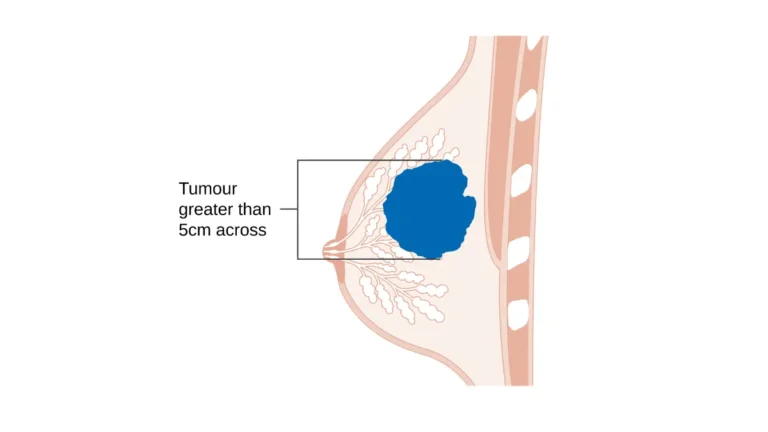
Breast cancer questions organized by 5 NCCN 2026 clinical decision phases — asking about Oncotype DX may safely remove chemo from your plan.

Breast cancer clinical trials are written into NCCN 2026 guidelines as a first-line option — not a fallback. Here's what eligibility actually requires.
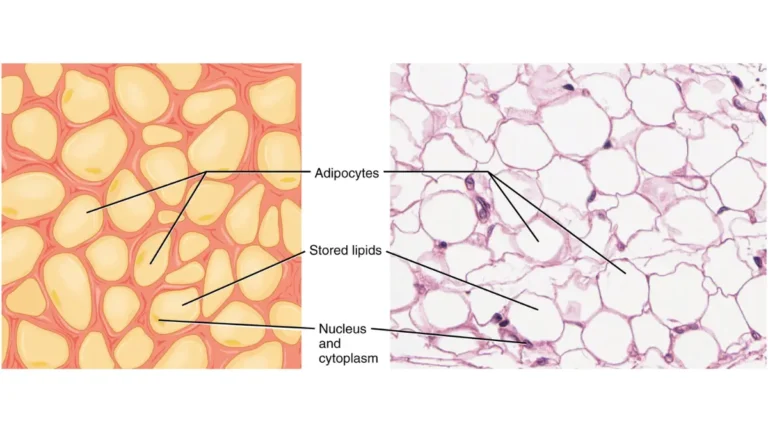
Obesity and breast cancer share a hormonal pathway — fat tissue produces estrogen via aromatase, competing with aromatase inhibitor therapy.
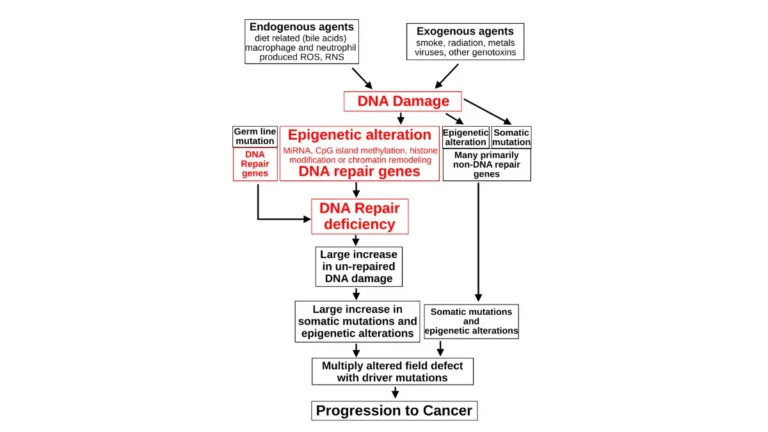
Alcohol raises breast cancer risk 7–10% per drink — no safe threshold exists. See how estrogen, DNA damage, and BRCA status amplify that risk.
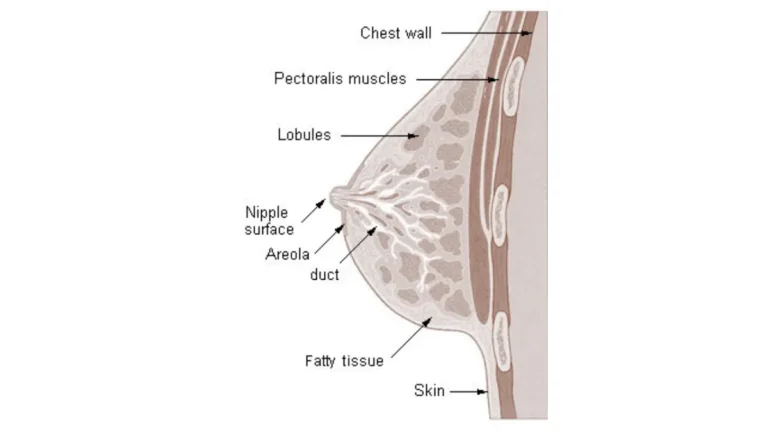
Breast cancer prevention changes dramatically once a Gail Model score reaches 1.7%. Many eligible women are never offered chemoprevention.
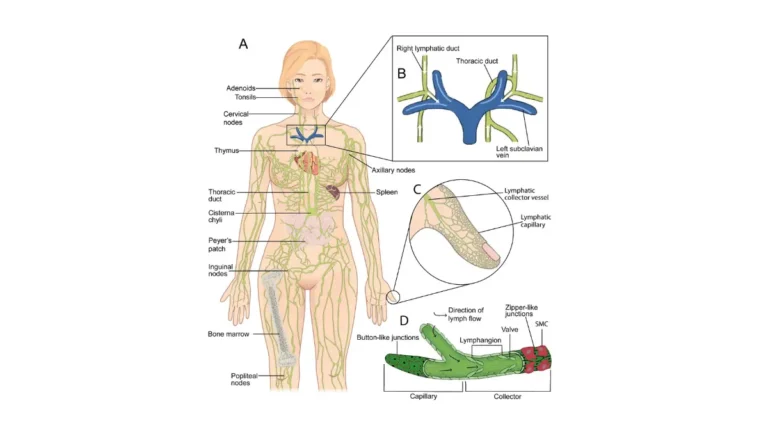
Lymphedema after breast cancer surgery can exist at Stage 0 — before swelling appears. NCCN 2026 names CDT as Category 1. A sleeve alone isn't enough.
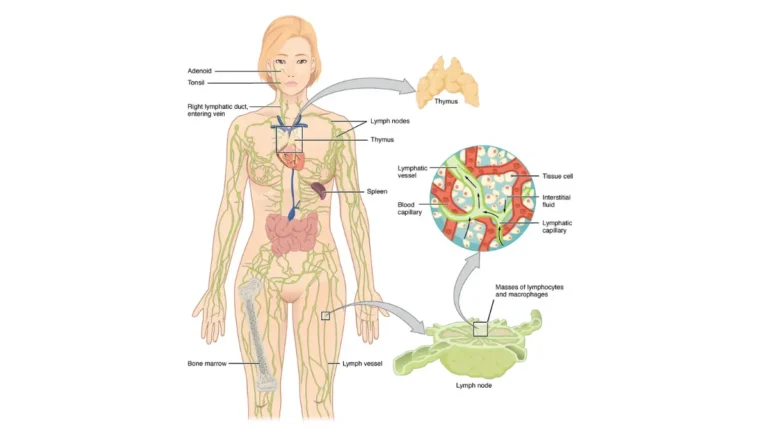
Life after breast cancer has a clinical roadmap — most survivors never receive it. A gynecologist names the three care gaps survivors should close.

Recurrent breast cancer isn't one diagnosis — it's three. Local types aren't stage 4. CDK4/6 inhibitors now lead ER-positive distant recurrence treatment.
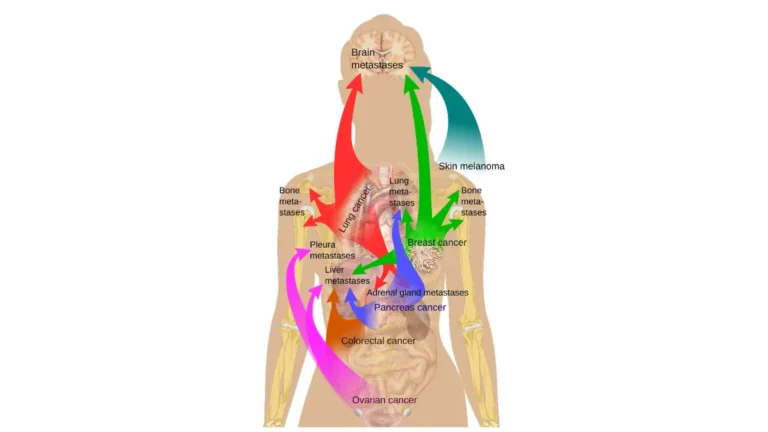
Stage 4 breast cancer treatment is now subtype-specific — T-DXd, CDK4/6 inhibitors, and PARP inhibitors matched to HER2, ER+, and BRCA status in 2026.