
Getting levothyroxine absorption interactions right
Levothyroxine absorption interactions are measurable: in one 12-week trial, taking iron alongside the dose moved mean TSH from 1.6 to 5.4 mU/L.


Sameer Patel is the founder and editor of My Medicine Advisor. He is not a doctor or medical professional — before starting this site he worked in banking, and he now researches and edits health information full-time.
He started My Medicine Advisor to make clear, well-sourced health information freely available to anyone. Every article is researched from recognised authorities such as the WHO, CDC, NIH, and NICE, drafted with the help of AI tools, and edited by hand, with sources linked so readers can check them. The calculators on the site use established, published formulas, each one named so you can look it up yourself.
My Medicine Advisor is currently a one-person operation with no clinical review panel, and the site is open about that. If you're a qualified clinician or researcher interested in reviewing content, Sameer would genuinely like to hear from you via the contact page.
Levothyroxine absorption interactions are measurable: in one 12-week trial, taking iron alongside the dose moved mean TSH from 1.6 to 5.4 mU/L.

TSH moving on levothyroxine is rarely treatment failure. It peaks near 2 a.m. and bottoms out in the early afternoon, so the hour of your draw matters.

Levothyroxine TSH retest timing is biology, not scheduling: steady state arrives at about six weeks. Every dose change restarts that clock.
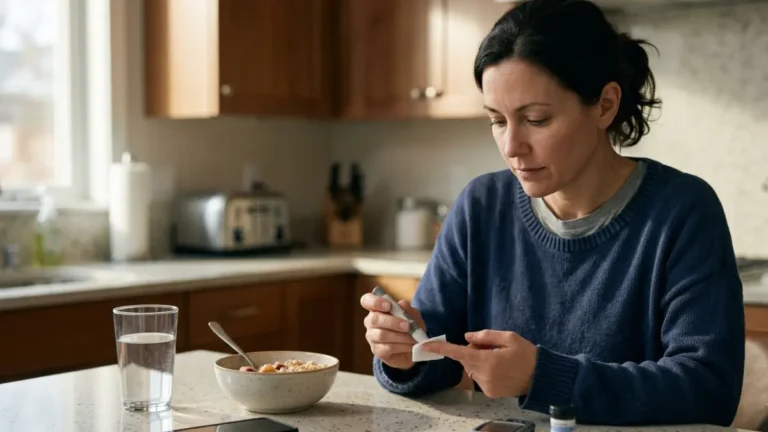
Preparing for a TSH test? Timing is the variable most people miss: in one study, median TSH fell from 5.83 to 3.79 mU/L between morning and afternoon.
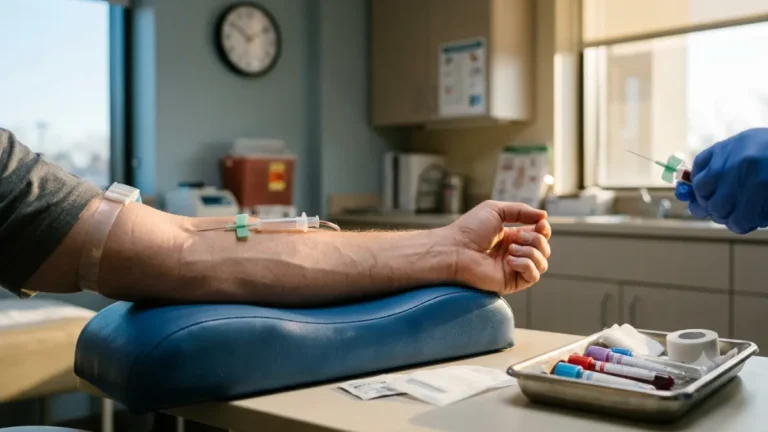
TSH test timing moves results more than expected: 14.1% of 7-8am samples read
above 4.0 mIU/L, against 7.9% at 2-3pm in the same clinic.
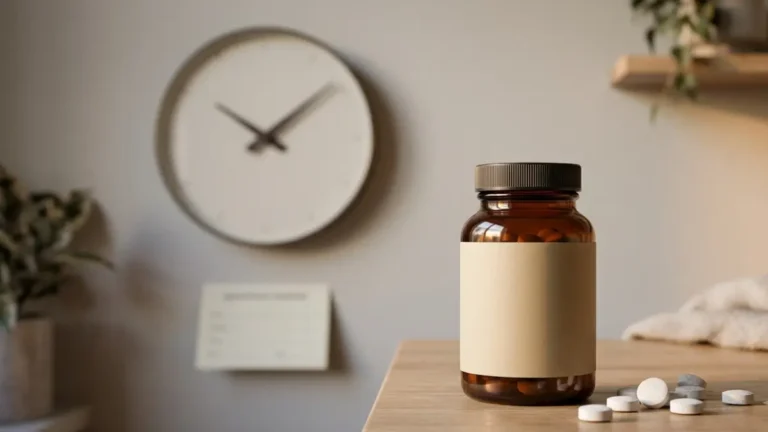
Biotin before a thyroid test: a multivitamin's 30 mcg has not been reported to interfere. A 10,000 mcg gummy is 10 mg — the case-report amount.

TSH normal range in the elderly is not what your lab prints: in women the upper limit rises from 4.0 mIU/L at 50 to 6.0 by 90, while free T4 barely moves.

TSH targets before pregnancy split women into two groups, and only one needs to
be under 2.5 mU/L. The 2026 guideline explains which is which.
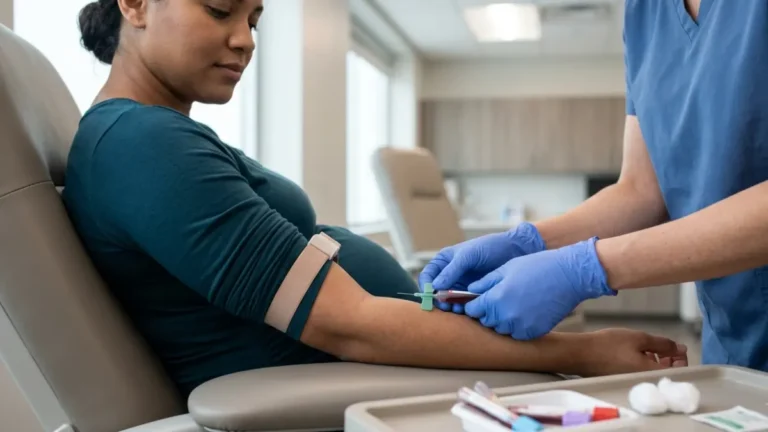
TSH levels in pregnancy are read on a different scale. When mildly raised results were rechecked at about three weeks, only 41% were still raised.

The normal TSH range by age is not what your lab used. In NHANES data, 70% of older adults with a TSH above 4.5 sat within their age-specific range.