
Severe Low Blood Sugar: When to Call 911
Severe hypoglycemia isn't a number on a meter. NIDDK defines it as a low you can't treat yourself — and says to call 911 right away after glucagon.


Sameer Patel is the founder and editor of My Medicine Advisor. He is not a doctor or medical professional — before starting this site he worked in banking, and he now researches and edits health information full-time.
He started My Medicine Advisor to make clear, well-sourced health information freely available to anyone. Every article is researched from recognised authorities such as the WHO, CDC, NIH, and NICE, drafted with the help of AI tools, and edited by hand, with sources linked so readers can check them. The calculators on the site use established, published formulas, each one named so you can look it up yourself.
My Medicine Advisor is currently a one-person operation with no clinical review panel, and the site is open about that. If you're a qualified clinician or researcher interested in reviewing content, Sameer would genuinely like to hear from you via the contact page.
Severe hypoglycemia isn't a number on a meter. NIDDK defines it as a low you can't treat yourself — and says to call 911 right away after glucagon.
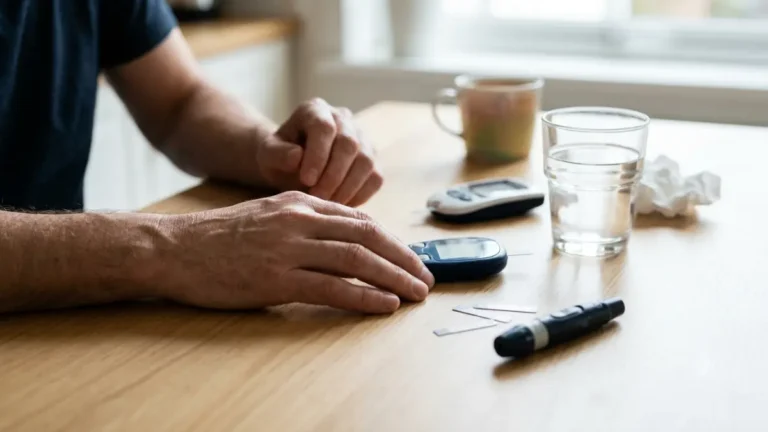
DKA symptoms can appear while a meter reads normal. In FDA-reviewed cases on SGLT2 inhibitors, median glucose was 211 mg/dL, not the classic 250-plus.
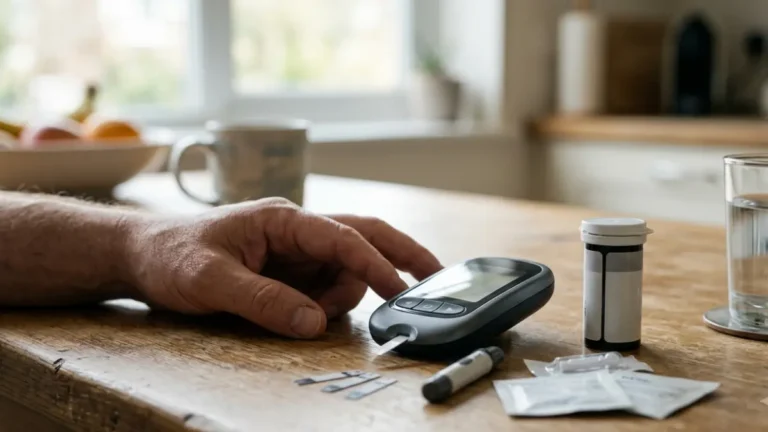
Blood sugar 300 is an action threshold, not a diagnostic one. CDC now says check ketones at 250, not the 240 most articles still repeat.
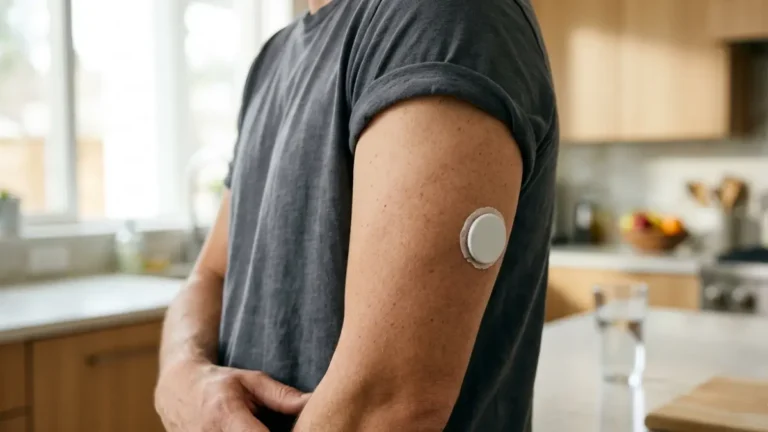
Time in range above 70% is the adult CGM target, but older adults are set at above
50%, and pregnancy uses a lower 63–140 mg/dL band entirely.

Reactive hypoglycemia can't be confirmed by a home meter — accuracy is poorest at exactly the low readings that matter. Here's what a lab draw shows.

The dawn phenomenon is not a rebound from a low. Across 4,705 nights in 2,600 people with type 2 diabetes, fasting glucose ran lower after hypoglycemia.
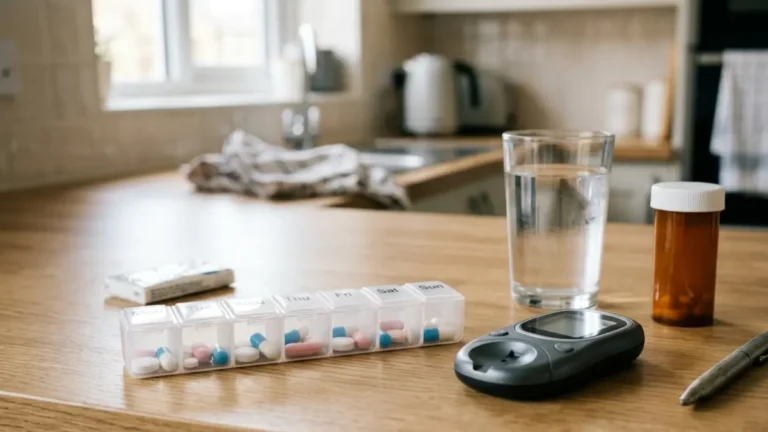
Medications that raise blood sugar rarely come with a number. Steroids move it in 32.3% of people without diabetes; statins shift A1C 0.06-0.08%.
Lowering blood sugar starts with one number: CDC puts the two-hour post-meal target under 180 mg/dL. What works within an hour is a short list.
Blood sugar target over 65 loosens for a reason: insulin users past 80 reach the ER for insulin-related lows 2.5 times as often as those 45 to 64.
Normal blood sugar for a child follows the same thresholds as adults. The age-by-age charts everywhere online are retired ADA type 1 targets from 2011.