Know Where You Fit in Today’s Thyroid Screening Guidelines
Thyroid screening isn't one-size-fits-all. In a trial of 737 adults 65+, treating mildly high TSH showed no apparent benefit. Here's who should still test.


Sameer Patel is the founder and editor of My Medicine Advisor. He is not a doctor or medical professional — before starting this site he worked in banking, and he now researches and edits health information full-time.
He started My Medicine Advisor to make clear, well-sourced health information freely available to anyone. Every article is researched from recognised authorities such as the WHO, CDC, NIH, and NICE, drafted with the help of AI tools, and edited by hand, with sources linked so readers can check them. The calculators on the site use established, published formulas, each one named so you can look it up yourself.
My Medicine Advisor is currently a one-person operation with no clinical review panel, and the site is open about that. If you're a qualified clinician or researcher interested in reviewing content, Sameer would genuinely like to hear from you via the contact page.
Thyroid screening isn't one-size-fits-all. In a trial of 737 adults 65+, treating mildly high TSH showed no apparent benefit. Here's who should still test.
TSH suppression in thyroid cancer carries trade-offs: in 771 low- and intermediate-risk patients, it raised osteoporosis risk without reducing recurrence.
Thyroid test results for older parents need age context: TSH can run higher after 80 even when the thyroid is healthy. Here's how to read them.
Myxedema coma rarely means a true coma. Most people are confused or drowsy instead, which is exactly why families can miss the warning signs.
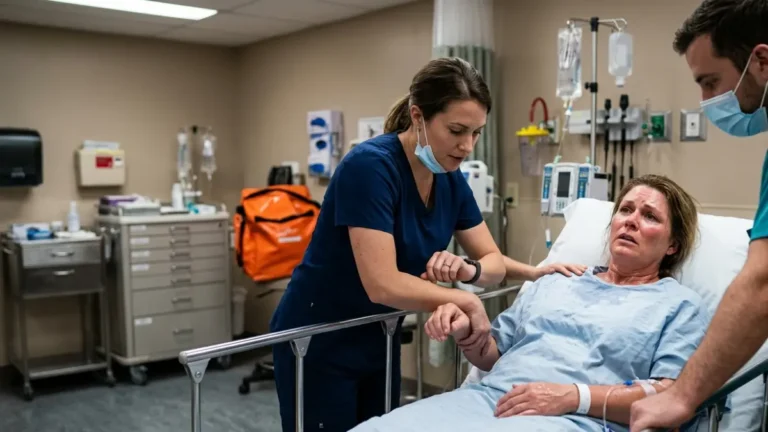
Thyroid storm symptoms overlap with a bad hyperthyroid day until fever, pulse and mental state shift together. Reported death rates span 1.2% to 25%.
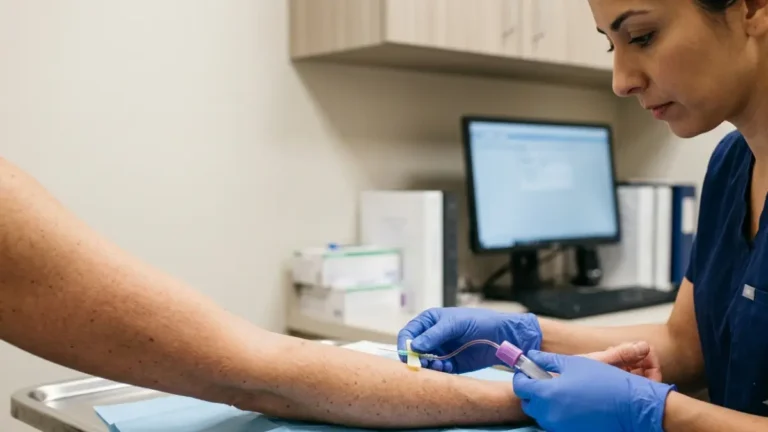
Dangerous TSH levels rarely mean an emergency on their own — above 10 or below 0.1 mIU/L changes treatment; confusion or fever changes the timeline.
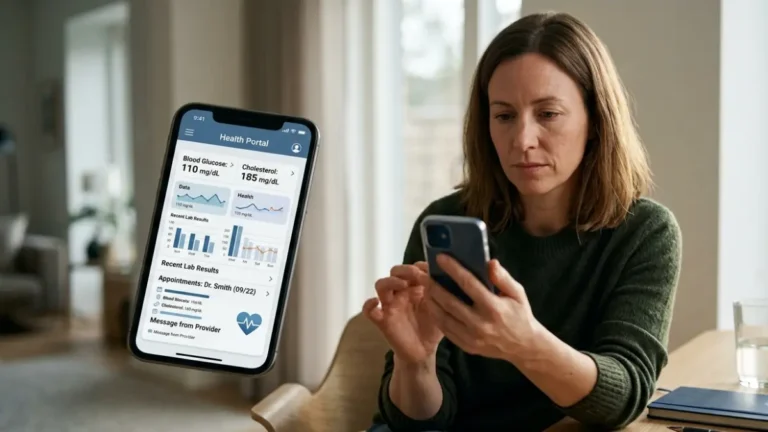
TSH over 10 is where the outcome data shifts. Pooled cohort studies found no measurable heart-event increase below 7, but a clear rise at 10 and above.
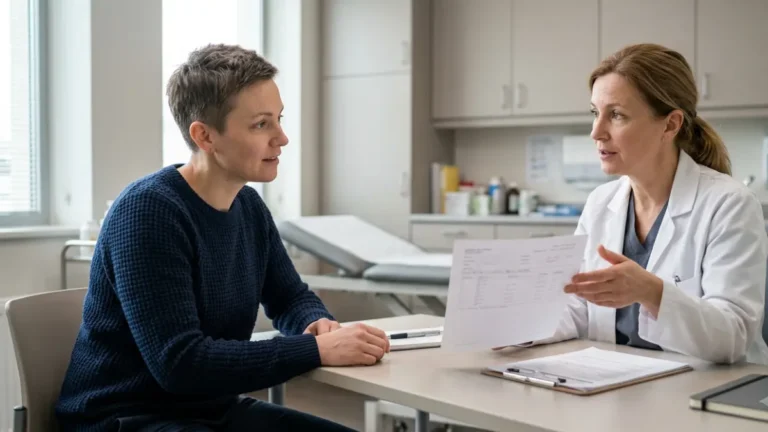
TSH vs free T4 answer different questions — and TPO antibodies a third. In a national US sample, 11.3% tested antibody-positive. Here's what each adds.
Normal TSH but still tired? A normal result rules out the common hypothyroidism, not the rare form that shows only on free T4 — or low iron and B12.
Levothyroxine vs Armour Thyroid: 1.5 million US patients filled prescriptions for an unapproved thyroid drug in 2024. What it means for your refill.