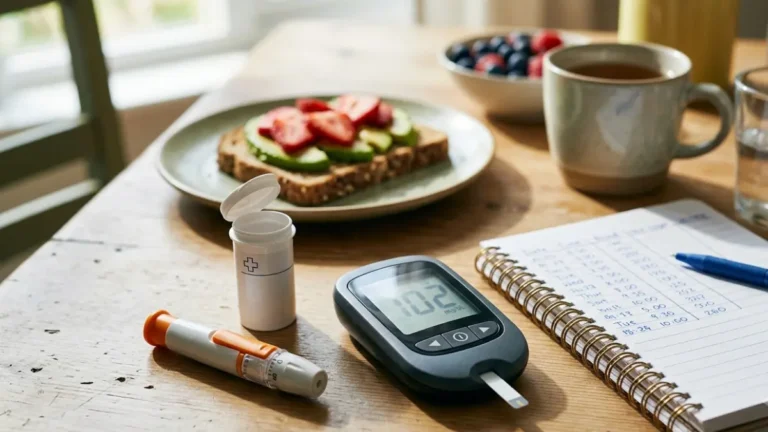
Normal glucose levels in pregnancy, and when to check each one
Glucose levels in pregnancy have a target and an average, and they are not the same. Measured healthy pregnancies run near 71 fasting; the target is 95.


Sameer Patel is the founder and editor of My Medicine Advisor. He is not a doctor or medical professional — before starting this site he worked in banking, and he now researches and edits health information full-time.
He started My Medicine Advisor to make clear, well-sourced health information freely available to anyone. Every article is researched from recognised authorities such as the WHO, CDC, NIH, and NICE, drafted with the help of AI tools, and edited by hand, with sources linked so readers can check them. The calculators on the site use established, published formulas, each one named so you can look it up yourself.
My Medicine Advisor is currently a one-person operation with no clinical review panel, and the site is open about that. If you're a qualified clinician or researcher interested in reviewing content, Sameer would genuinely like to hear from you via the contact page.
Glucose levels in pregnancy have a target and an average, and they are not the same. Measured healthy pregnancies run near 71 fasting; the target is 95.
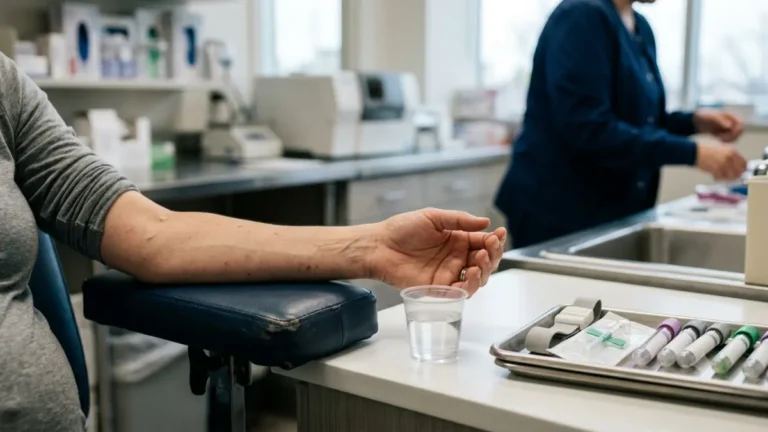
A failed 1-hour glucose test is a screening result, not a diagnosis — and roughly one in five screened pregnancies produces one. Here is what follows.
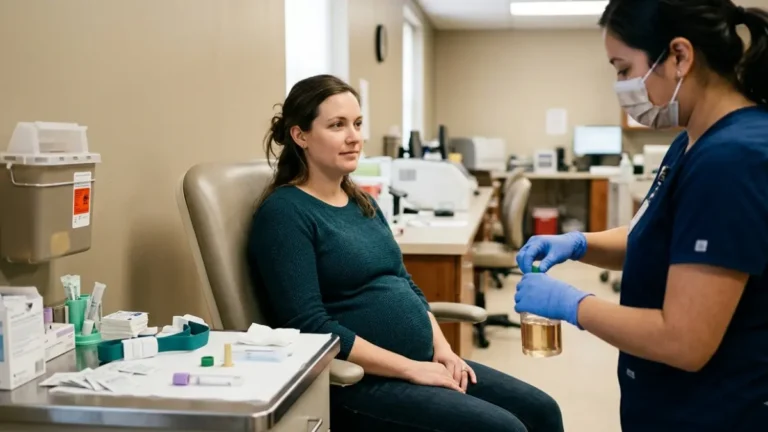
Your 1-hour glucose test cutoff was chosen by your practice, not by a universal rule — ACOG permits 130, 135 or 140 mg/dL, and the difference matters.
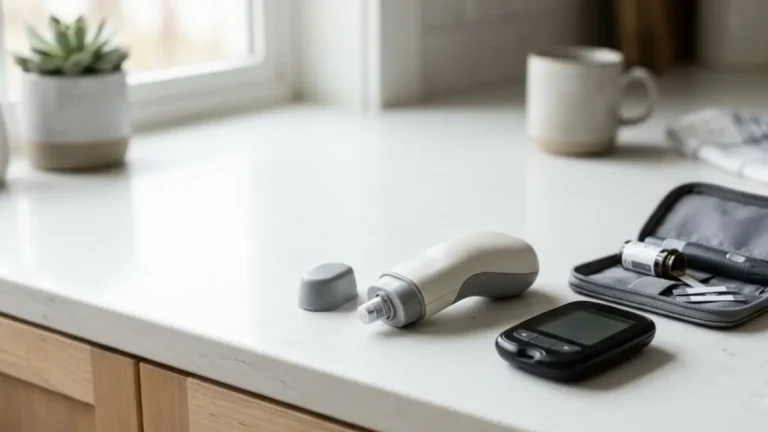
CGM cost without insurance drops to about $11 a month if you use a meter and strips at 18 cents each — the option most price guides leave out.
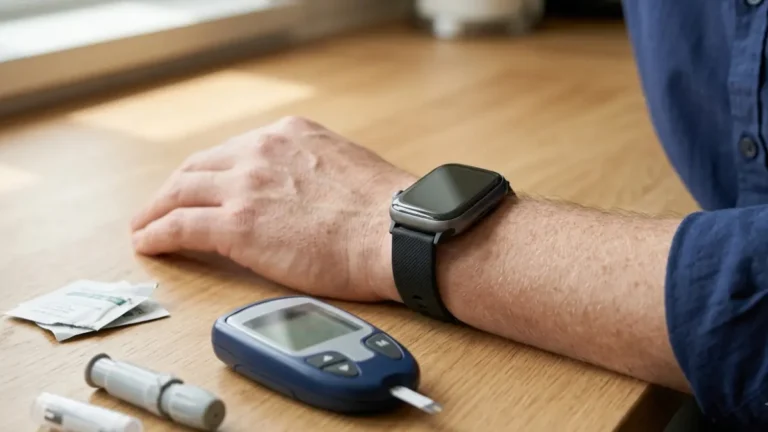
Smartwatch blood sugar sensing stays unproven: in one 2024 evaluation of a light-based monitor, 18.5% of readings met the ISO accuracy standard.
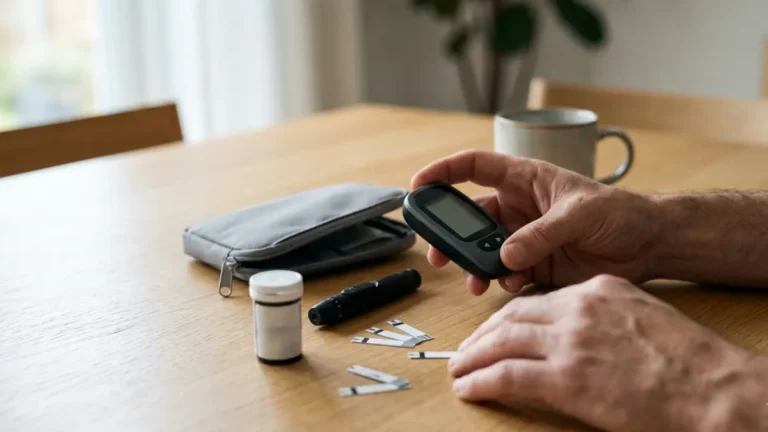
The best glucose meter isn't a brand. Medicare covers 300 test strips every three months for insulin users, and 100 for everyone else.
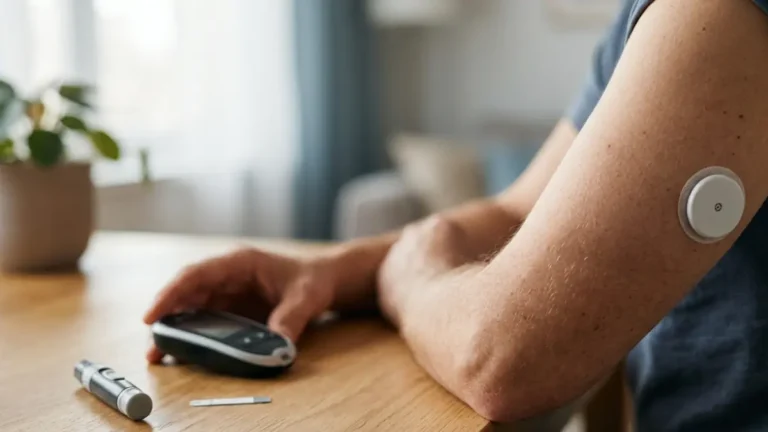
CGM vs finger stick gaps are usually two compliant devices, not one broken one — sensors read interstitial fluid, which trails blood by minutes.
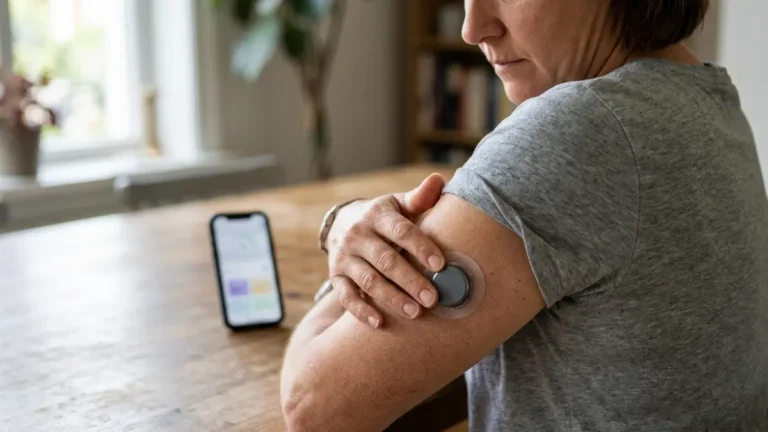
Every OTC CGM caps what it displays. Lingo reports only 55–200 mg/dL — outside that, the app shows no number at all.
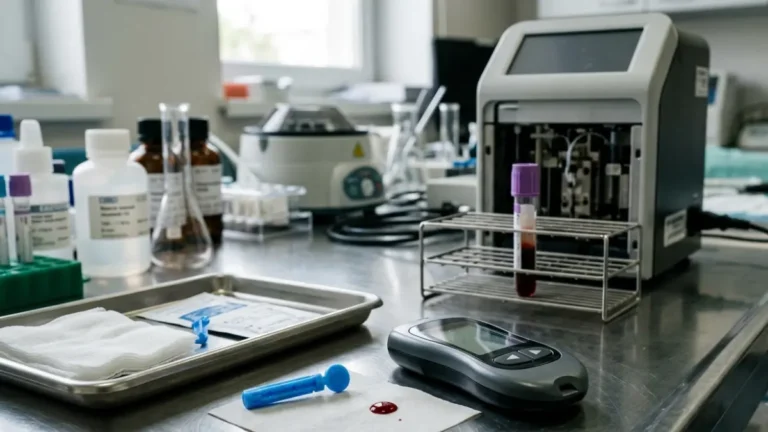
Glucose and A1C measure the same sugar on different clocks: one captures this morning, the other 3 months, with the last 30 days weighing heaviest.
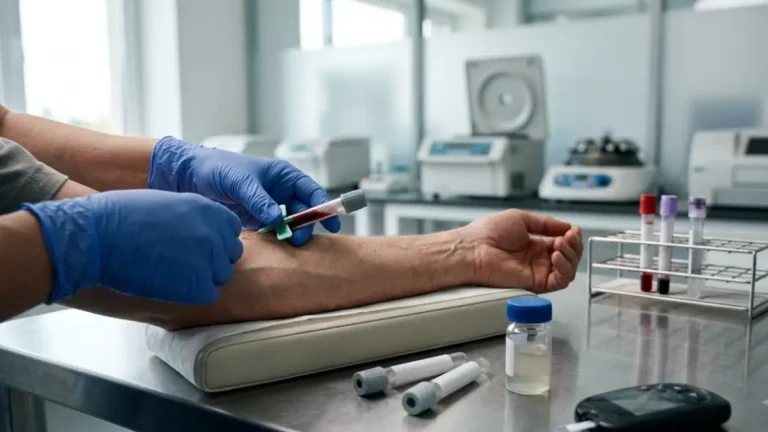
Types of glucose tests differ more than patients expect. An A1C of 6.8% can read
6.4-7.2% on a repeat of the same blood sample.