
On This Page – Quick Medical Summary
If your provider ordered a basic metabolic panel and you’re wondering whether to skip breakfast, the short answer is: usually yes, but not always — and it comes down to just one of the eight results.
Which situation are you in? If you’re scheduled and preparing, the section on how to fast the right way covers how long and what you can drink. If you already ate and you’re worried, you probably haven’t ruined anything — skip to what happens if you didn’t fast. If you’re not sure you even need to fast, the quick decision guide sorts it by why your test was ordered.
A BMP measures your blood sugar, kidney markers, and electrolytes in one draw. Whether you need to fast first depends mostly on the blood sugar part — which the rest of this guide explains.
ℹ️ Medical Disclaimer: This article is general health education, not medical advice, diagnosis, or treatment. Fasting requirements, medication timing, and the meaning of your results depend on your situation — confirm them with the provider or lab who ordered your test. If a result concerns you, discuss it with your primary care provider or another board-certified physician before acting.
Why fasting for a BMP depends on the blood sugar test
Fasting matters for a basic metabolic panel mainly because of one result: glucose, or blood sugar.
🔬 How It Works: When you eat or drink anything other than water, your bloodstream absorbs sugar, fat, and protein from that food. Those nutrients temporarily change the levels of substances in your blood — blood sugar most noticeably — which can make a result less accurate. Source: MedlinePlus, National Library of Medicine (NIH), 2025.
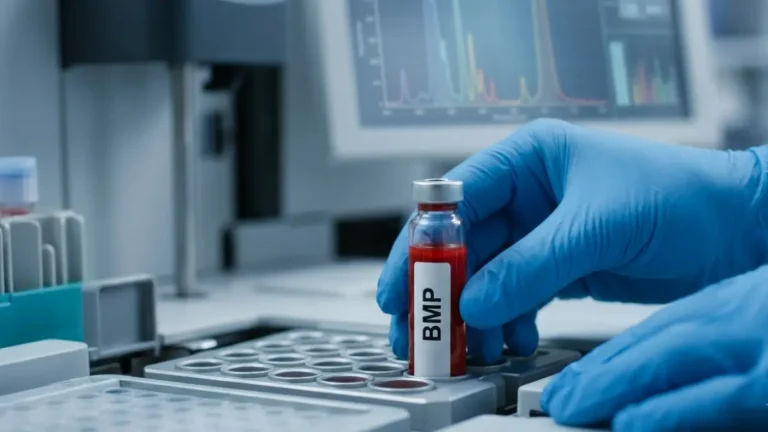
That’s why a BMP — the eight-result panel covering blood sugar, kidneys, and electrolytes — is commonly drawn fasting. MedlinePlus lists it among the tests that usually require fasting, alongside blood glucose tests and lipid panels, with a typical window of 8 to 12 hours.
But “usually” isn’t “always.” The same guidance notes that not all blood glucose tests require fasting, and whether you fast depends on several factors — chiefly why the test was ordered.
How to prepare for your BMP the right way
If your provider asks you to fast before your basic metabolic panel, the instructions are simple: fast for 8 to 12 hours before the draw, taking in nothing except plain water.
Here’s what that means in practice:
- Water is fine — and helpful. Plain water is allowed and encouraged; staying hydrated keeps more fluid in your veins, making the draw easier.
- Skip everything else. Coffee (even black), tea, juice, soda, and flavored or sweetened water all break your fast and can affect results.
- No gum, smoking, or exercise during the fasting window.
- Schedule early. A morning appointment lets most of your fast happen while you sleep.
🩺 Physician Note: A common point of confusion is treating black coffee as “close enough” to water. It isn’t — even black coffee can alter your results and breaks your fast.
For medications, ask the provider or lab who ordered the test whether to take your usual medicines that morning — and never stop a prescription on your own. The same steps apply to preparing for a comprehensive metabolic panel.
Do you actually need to fast? A quick guide
Whether you personally need to fast comes down to why your provider ordered the basic metabolic panel — and what they’re watching in the results.
| Why the BMP was ordered | Fasting usually needed? | Key clinical detail |
|---|---|---|
| Diabetes or prediabetes screening | Yes | A fasting blood glucose gives the clearest reading |
| Routine physical with a fasting glucose or lipid panel | Yes | The bundled fasting tests set the requirement |
| Checking kidney function (BUN and creatinine) | Often no — confirm | Kidney markers are the focus, not blood sugar |
| Monitoring electrolytes or a medication’s effect | Often no — confirm | The reason for testing isn’t blood sugar |
| Urgent or emergency evaluation | No | Emergency BMPs are drawn without fasting |
General patterns based on MedlinePlus (NIH). Your provider decides why your test was ordered; when unsure, ask.
The single question that settles it: ask whether your BMP includes a fasting blood glucose test. If yes, fast; if no, your provider will tell you — and don’t fast unless you’re told to, since that can affect results too. Kidney-focused panels are one example; here’s what those BUN and creatinine markers show.
✅ Patient Action: If you don’t know why your BMP was ordered, call the ordering office and ask one question: “Does this panel include a fasting glucose, and should I fast?” That single answer tells you exactly how to prepare.
What happens if you didn’t fast (or ate by mistake)
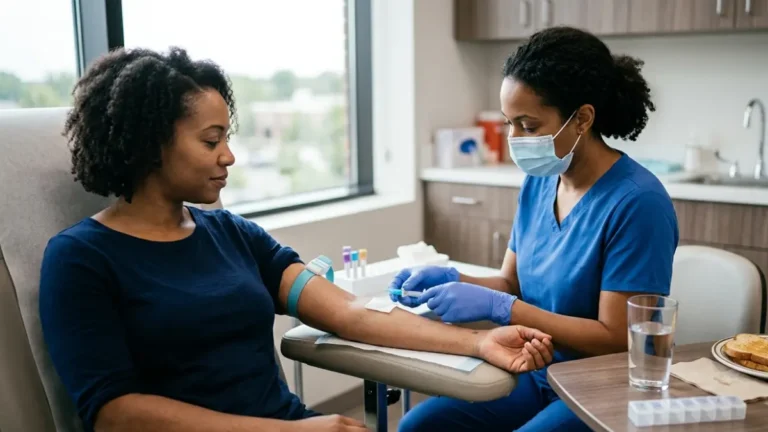
If you ate before a draw that was supposed to be fasting, take a breath — this is common and usually fixable.
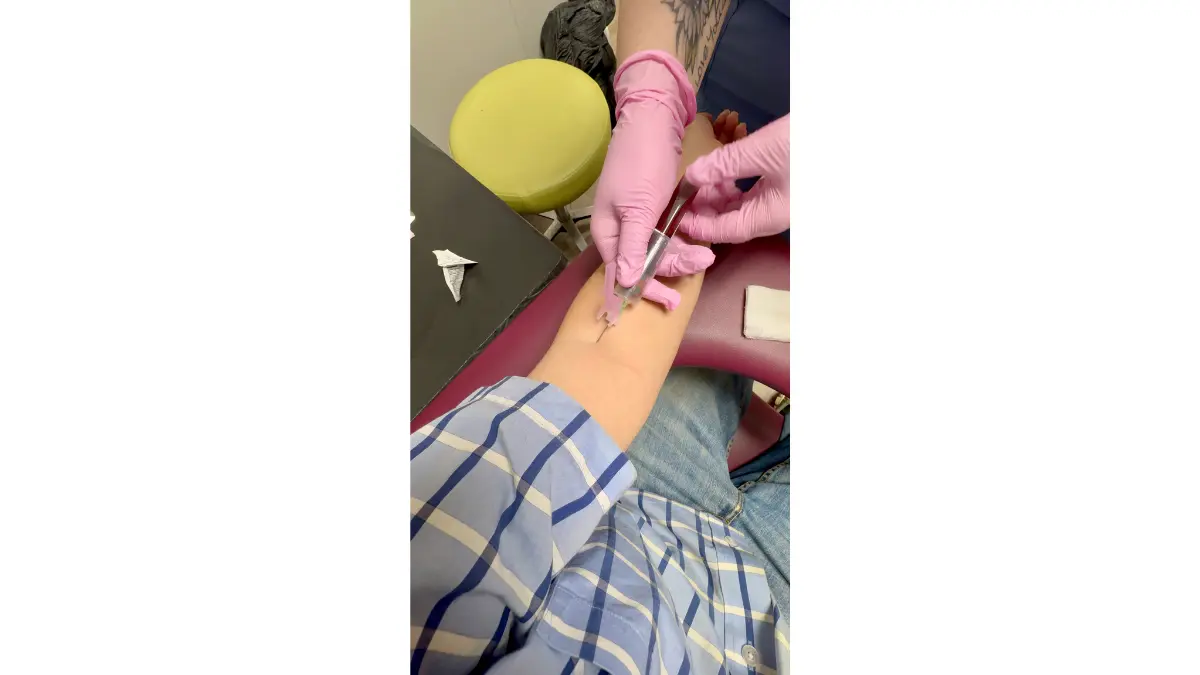
Eating mainly affects the glucose result, not the whole panel. Tell whoever draws your blood, or your provider, that you ate and when.
They may draw it anyway and read your blood sugar in context, or ask you to return fasting. Either way, don’t guess whether your own results are “fine” — that read belongs to your provider, and your BMP normal ranges explain what each value means.
Fasting for a BMP vs other common blood tests
If your provider ordered more than one test, the fasting rules differ — so it helps to know how the basic metabolic panel compares.
| Blood test | Fasting typically needed? | Key clinical detail |
|---|---|---|
| Basic metabolic panel (BMP) | Usually, 8–12h — driven by glucose | 8 results: blood sugar, kidney, electrolytes |
| Comprehensive metabolic panel (CMP) | Same as a BMP — glucose-driven | Adds liver and protein markers to the 8 |
| Lipid (cholesterol) panel | Often, though non-fasting is increasingly used | Measures cholesterol and triglycerides |
| Hemoglobin A1c | No fasting needed | Reflects a longer-term average, not one moment |
Based on MedlinePlus (NIH). Confirm your own prep with the ordering provider.
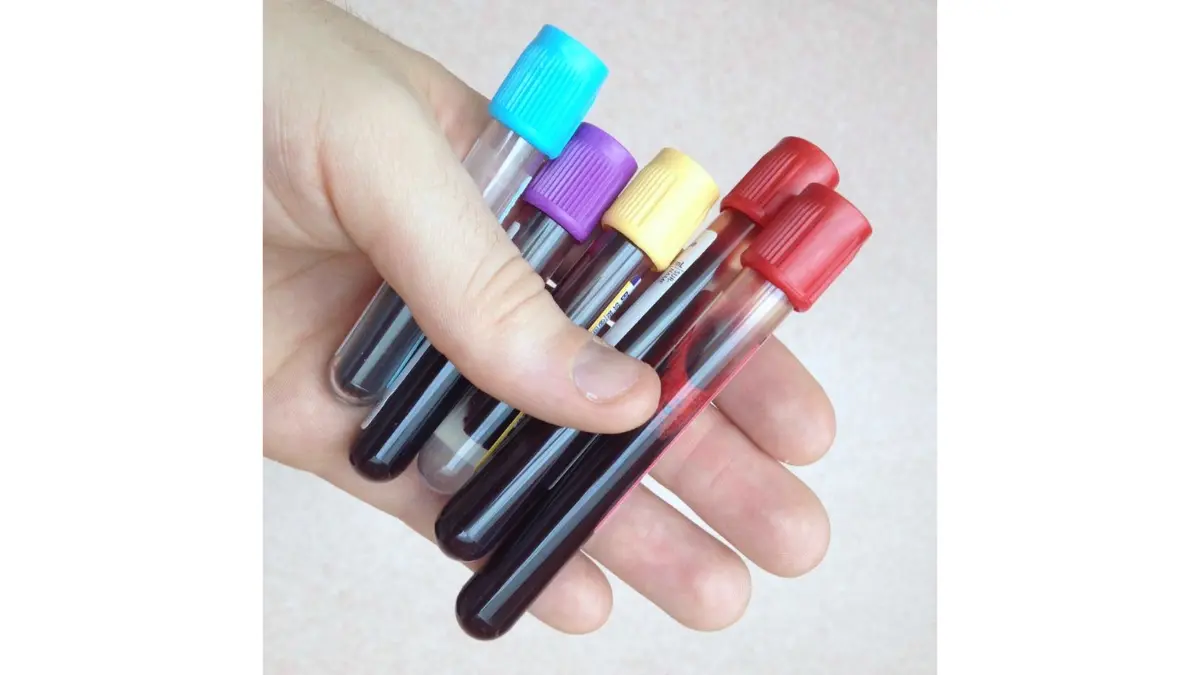
A CMP includes everything a basic metabolic panel measures plus liver and protein tests, so the fasting logic is identical — both hinge on blood sugar. See fasting before a CMP and how a BMP and CMP differ.
An A1c is the exception many people miss: it reflects your average blood sugar over about three months, not this morning’s level, so no fasting is needed — here’s what an A1c result means. And if a complete blood count was ordered too, its prep differs again — see whether a CBC needs fasting.
Before your blood draw: a quick checklist
A little preparation prevents the two most common problems — an avoidable re-draw, and stopping a medication you shouldn’t.
⚠️ Clinical Warning: Don’t stop taking any prescription medication before your blood draw unless the ordering provider specifically tells you to. Some medicines are unsafe to stop suddenly, and “fasting” does not mean skipping your prescriptions. Ask your provider whether to take them that morning.
Before you go:
- Confirm the exact instructions your provider or lab gave you — how long to fast, and whether to fast at all.
- Ask whether to take your usual medicines, and mention any vitamins or supplements.
- If you didn’t fast, plan to tell the person drawing your blood.
- Bring a snack; it’s common to feel light-headed after a fasting draw.
If your fasting blood glucose comes back higher than expected, that’s a reason to follow up — not a diagnosis. A single elevated reading often prompts repeat testing, which is how diabetes is tested. See also what a high glucose result can mean, and this blood sugar converter switches a reading between mg/dL and mmol/L.
Frequently asked questions
1. Do you have to fast for a basic metabolic panel?
Usually, but not always. A basic metabolic panel is commonly drawn after an 8-to-12-hour fast because it includes a blood glucose test, and fasting makes that reading more accurate. Whether you need to fast depends on why it was ordered, so confirm with the provider or lab who requested it.
2. How many hours do you fast for a BMP?
When fasting is required for a BMP, the standard window is 8 to 12 hours, with nothing except plain water. Your provider sets the exact length based on the test. An early-morning appointment lets most of your fasting time pass while you sleep.
3. Can you drink water before a BMP?
Yes. Plain water is allowed during your fast and is actually encouraged — staying hydrated keeps more fluid in your veins, making the blood draw easier. Avoid flavored or sweetened water, since added sugars or sweeteners can affect results.
4. Can you drink coffee before a BMP?
No, if you’ve been asked to fast. Coffee — even black, unsweetened — gets into your bloodstream and affects results, so it breaks your fast. The same goes for tea, juice, and soda. During a fasting window before a BMP, plain water is the only drink.
5. What happens if you don’t fast before a BMP?
Eating mainly affects the blood glucose result, not the whole panel. Tell whoever draws your blood, or your provider, that you ate and when. Depending on why the test was ordered, they may read your blood sugar in context or ask you to return fasting for an accurate reading.
6. Why do you have to fast for a metabolic panel?
Fasting is mainly about the glucose result. After you eat, your bloodstream absorbs sugar and other nutrients that temporarily change substance levels in your blood, making results less accurate. Fasting gives a cleaner baseline — especially when a BMP is used to screen for diabetes.
7. Can I take my medications before a BMP?
Ask the provider or lab who ordered your test. They may want you to hold a medicine for some tests, but never stop a prescription on your own — some are unsafe to stop suddenly. Mention any vitamins or supplements too, since a few affect results.
8. Do I need to fast if my BMP is only for my kidneys or electrolytes?
Often the fasting requirement is driven by the blood glucose part of the panel, so a BMP ordered mainly to check kidney markers or electrolytes may not require fasting. Because it depends on why it was ordered, ask whether your specific test includes a fasting glucose.
9. Is fasting for a BMP the same as for a CMP?
Yes — the logic is identical. A comprehensive metabolic panel includes everything in a basic metabolic panel plus liver and protein markers, but the fasting requirement for both hinges on the blood glucose reading. If asked to fast, it’s the same 8-to-12-hour, water-only window either way.
10. Do I need to fast for an A1c?
No. A hemoglobin A1c reflects your average blood sugar over roughly three months, not a single moment, so eating beforehand doesn’t change it. That differs from the fasting glucose inside a BMP. If both were ordered at once, you may still need to fast for the BMP portion.
11. Can I chew gum or brush my teeth before a fasting blood test?
Skip the gum — it’s on the list of things to avoid during a fast, along with smoking and exercise. Brushing your teeth is generally fine if you spit out the toothpaste rather than swallow it. When in doubt, hold to plain water only and ask your lab.
The bottom line on fasting for a BMP
Fasting for a basic metabolic panel isn’t automatic — it’s about the blood glucose result. When your provider does ask you to fast, the rule is straightforward: 8 to 12 hours, plain water only, nothing else.
When you’re unsure, one question settles it — ask whether your BMP includes a fasting glucose, then follow your provider’s instructions. For what your numbers mean once results are back, start with your full basic metabolic panel guide.
About this content
How this article was put together: researched from recognised health sources, drafted with the help of AI tools, and edited by hand, with sources linked throughout.

Sameer Patel is the founder and editor of My Medicine Advisor. He is not a doctor or medical professional — before starting this site he worked in banking,…
Medical disclaimer
The content on MyMedicineAdvisor is provided for general informational and educational purposes only and is not a substitute for professional medical advice, diagnosis, or treatment. Health information on this website should not be used to diagnose, treat, cure, or prevent any condition without guidance from a qualified healthcare professional. Always seek the advice of your doctor, physician, or another licensed healthcare provider with any questions you may have regarding a medical condition, symptoms, medications, or treatment decisions.