What to Know About FOLFIRINOX vs. Gemcitabine
FOLFIRINOX vs. gemcitabine isn't simply 'stronger wins'—the four-drug regimen works better but hits harder, and fitness decides which your team picks.

FOLFIRINOX vs. gemcitabine isn't simply 'stronger wins'—the four-drug regimen works better but hits harder, and fitness decides which your team picks.
Whipple procedure recovery is demanding but well-charted — and where you have surgery matters: high-volume centers report far lower complication rates.
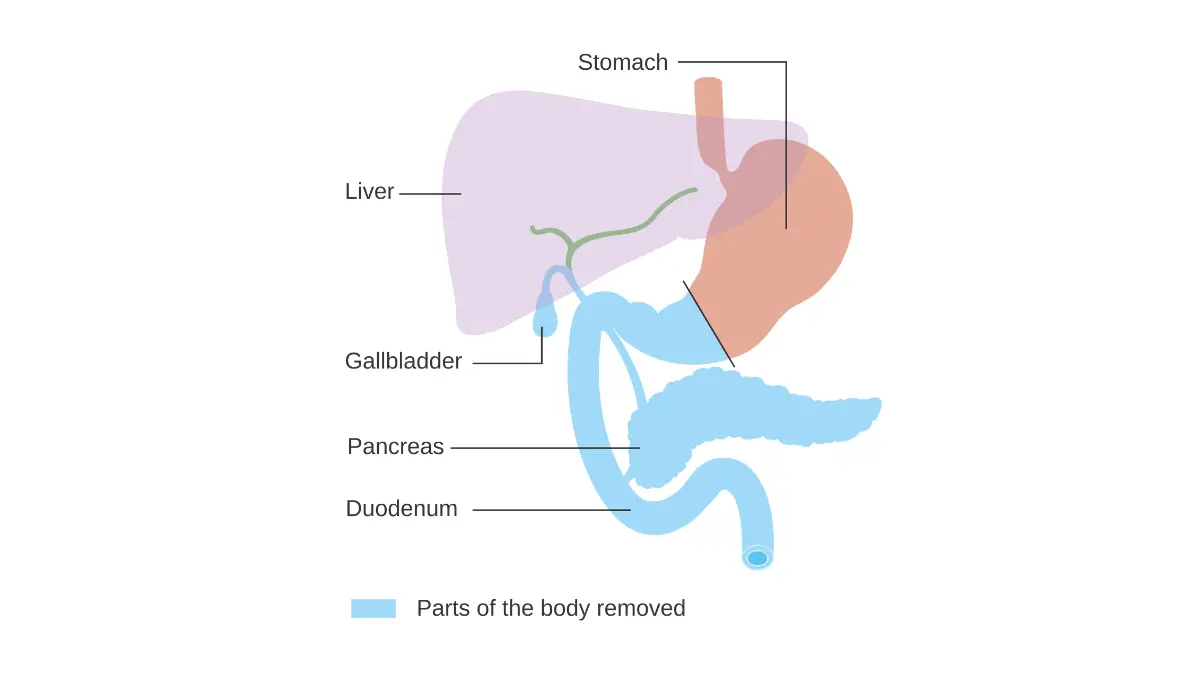
Pancreatic cancer treatment is chosen by stage and whether surgery is possible—from the Whipple procedure to chemo regimens like FOLFIRINOX and NALIRIFOX.
End-stage pancreatic cancer means the disease has spread beyond the pancreas. Here's what symptoms, the final days, and hospice support really look like.
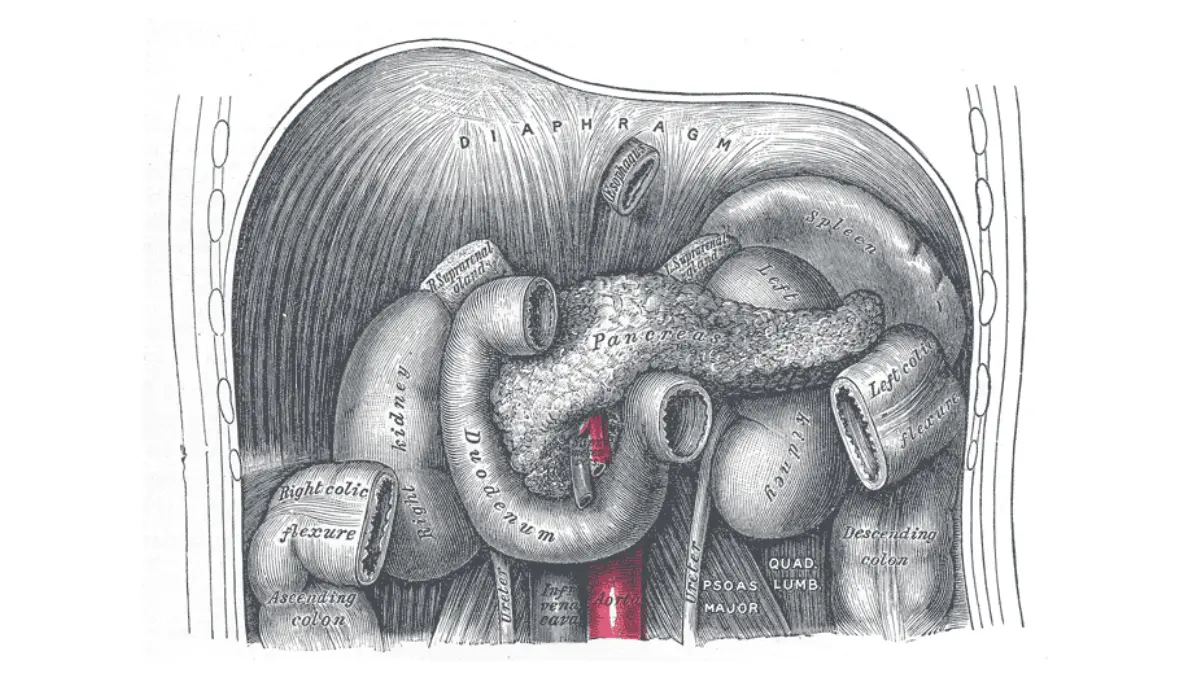
How fast pancreatic cancer grows surprises people: genomic studies trace ~15 silent years before it can spread—which is why it's so often caught late.
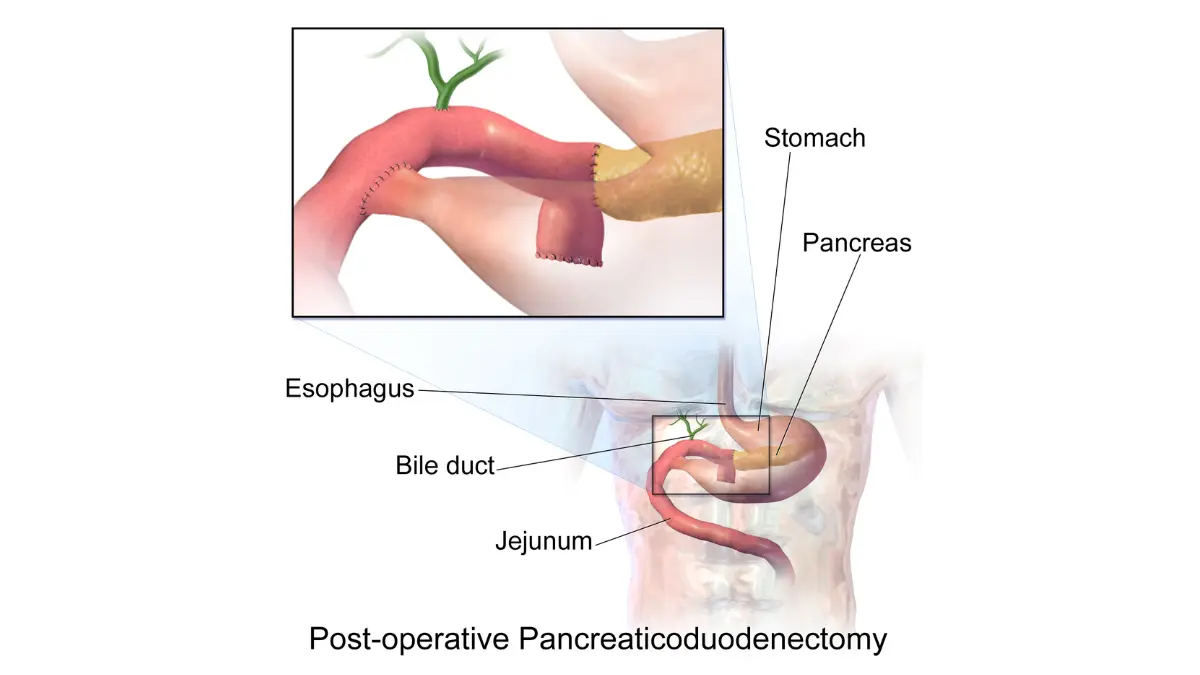
Resectable or unresectable pancreatic cancer isn't about spread alone—it's whether the tumor encases key vessels. Only 15–20% are operable.

Heat exhaustion and heat stroke can look alike in the first minutes — but one becomes a life-threatening emergency.
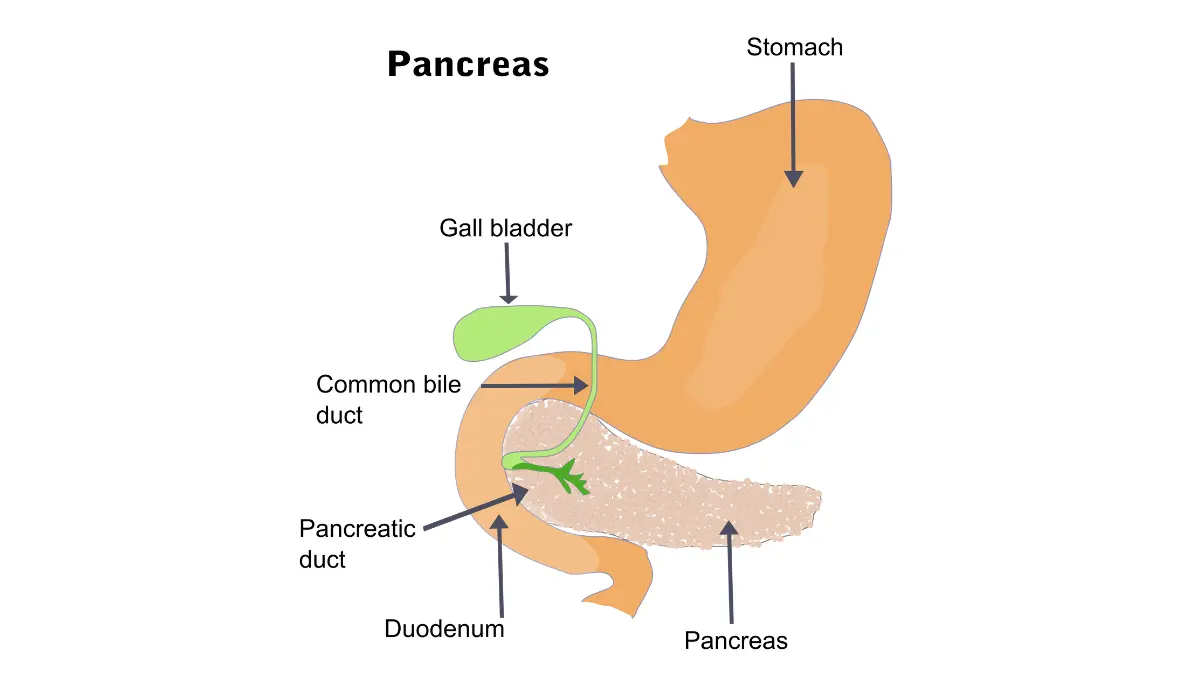
Stage 4 pancreatic cancer life expectancy is sobering, but the numbers are averages, not your future — and new RAS-targeted drugs are shifting it.
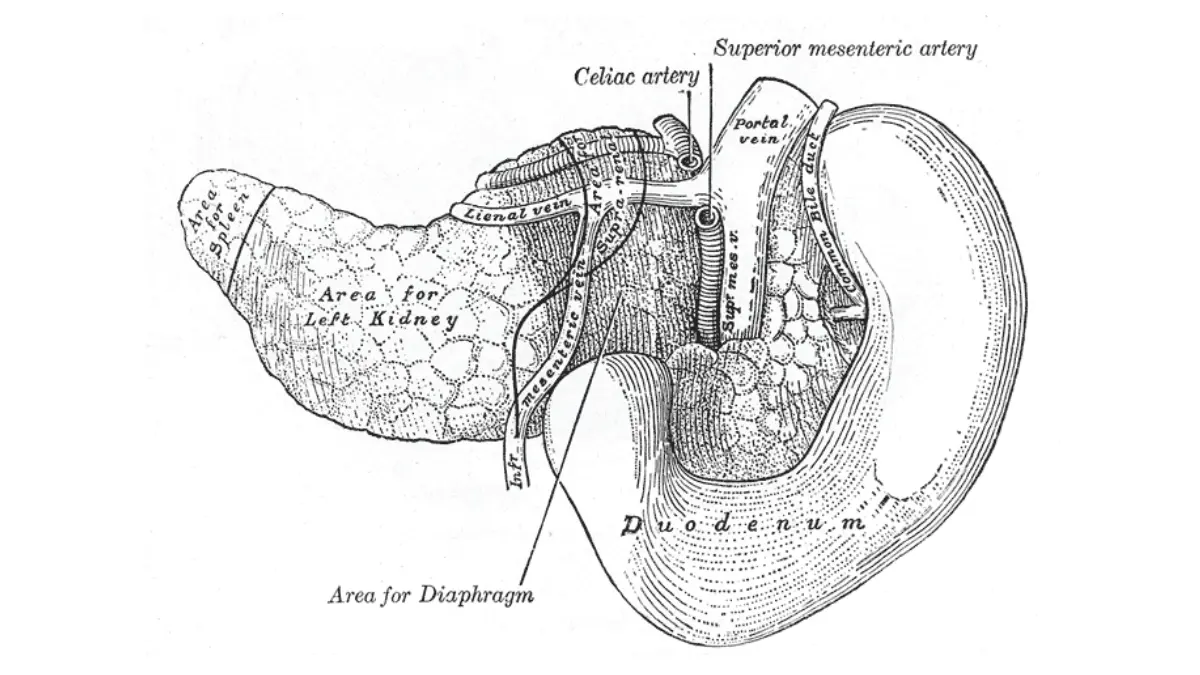
Pancreatic cancer stages run 0 to IV, but the number alone doesn't decide treatment—resectability does. What each stage really means for your options.
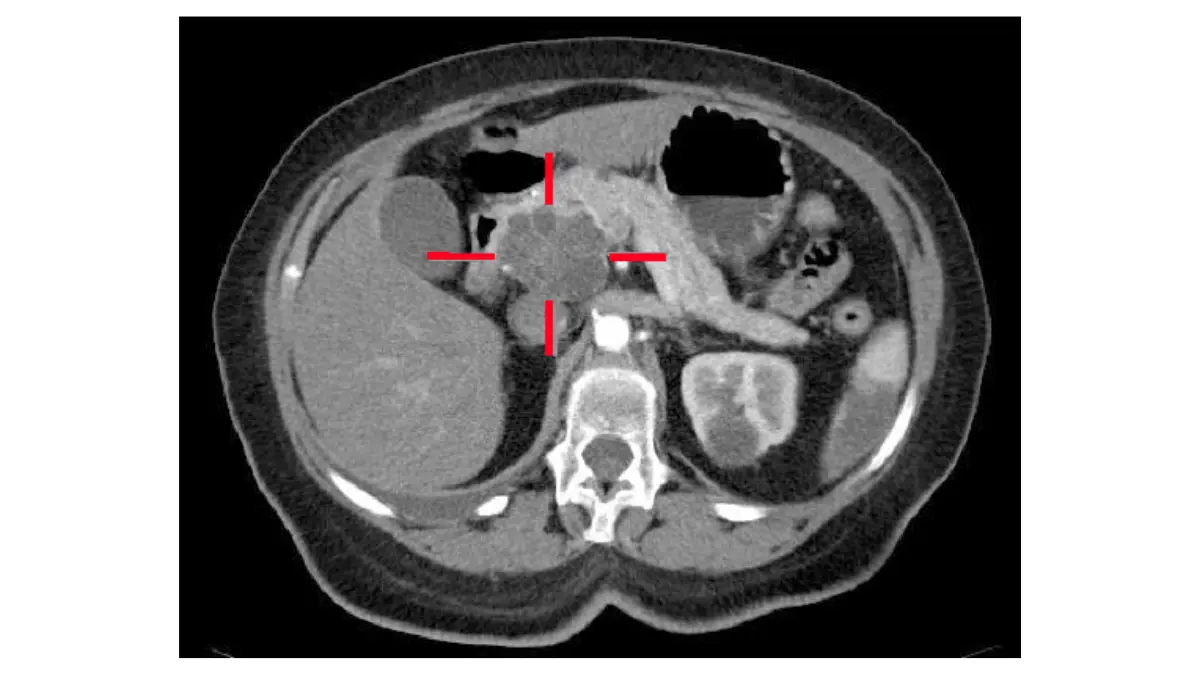
Pancreatitis and pancreatic cancer share symptoms, but only one is a tumor—and one can mimic the other on a scan. Here's how doctors tell them apart.