
The BUN to Creatinine Ratio on Your Report, Made Clear
The BUN creatinine ratio is calculated, not measured — MedlinePlus lists it as another name for the BUN test. Here's what high and low actually point to.

The BUN creatinine ratio is calculated, not measured — MedlinePlus lists it as another name for the BUN test. Here's what high and low actually point to.

Abnormal BMP results are common, and one flagged value is rarely a diagnosis. See what high or low means across all 8, in plain language.

A BMP in the ER isn't a red flag — it's a fast, broad screen the team reads as a set to catch electrolyte, kidney, and blood-sugar trouble early.
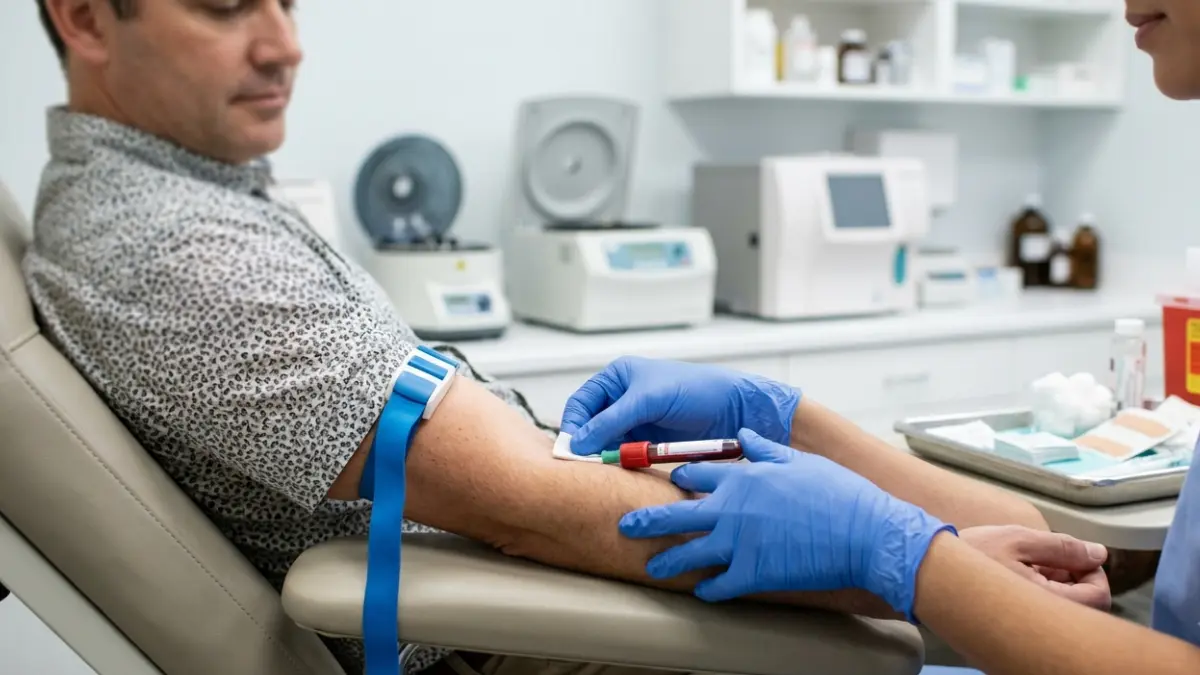
A Chem 7 blood test is a basic metabolic panel by another name. See why your report shows 8 results when the order says 7, and how it compares to a CMP.

CPT 80048 should cost only a few dollars—Medicare pays under $10. If yours runs far higher, unbundling or upcoding may be why, and you can check it.
Basic metabolic panel cost isn't one number: $0 on Medicare, low at an independent lab, or hundreds at a hospital. Here's how to pay less.

Fasting for a BMP hinges on one of its eight results—blood glucose. Here’s the 8–12 hour, water-only rule, and when it doesn’t apply to you.

Basic metabolic panel normal ranges vary by lab, so the number on your own report is what matters. Here's the full 8-value chart—and what a flag means.

Your basic metabolic panel checks 8 substances across blood sugar, kidneys, and electrolytes — and one flagged value is rarely a diagnosis.
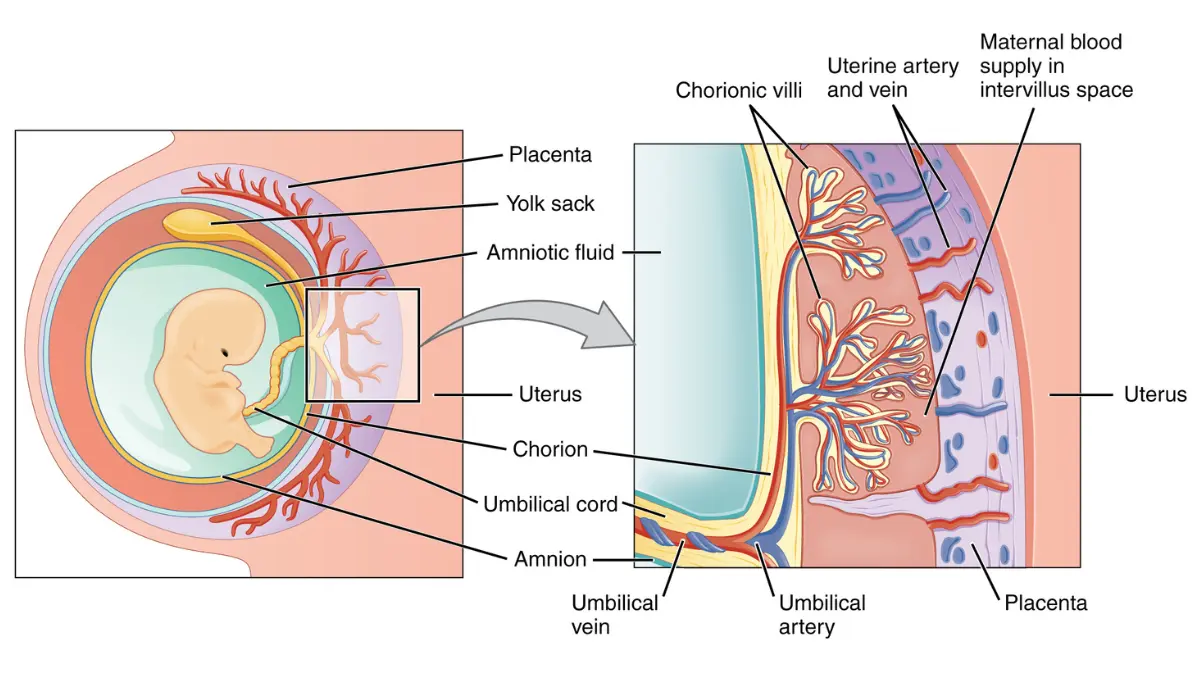
Your CMP in pregnancy is read against non-pregnant ranges, so a high ALP or low albumin is often expected. Here's what shifts—and what doesn't.