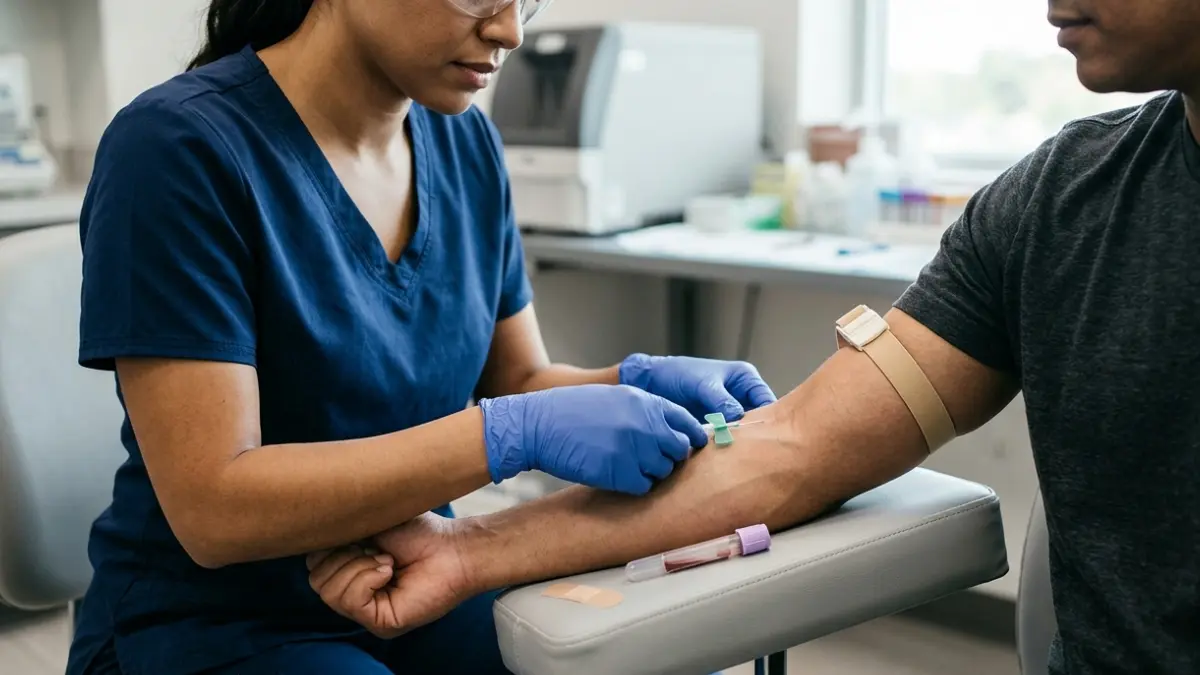
Know Your ALT Normal Range When Labs and Experts Disagree
Your ALT normal range depends on who sets it: labs often print up to 36–40 U/L, while a 2002 study found healthy limits of 30 (men) and 19 (women).

Your ALT normal range depends on who sets it: labs often print up to 36–40 U/L, while a 2002 study found healthy limits of 30 (men) and 19 (women).

ALT blood test flagged high? One weightlifting session raised ALT for 7+ days in a study, one of several causes to rule out first.

A borderline TSH is confirmed on a second test before treatment — guidelines repeat it
at two to three months. Here's what to ask in between.

Undiagnosed thyroid disease statistics get quoted everywhere. NHANES III tested 17,353 people and found 4.6% with hypothyroidism, mostly subclinical.

Reading a thyroid panel starts with TSH, not the value flagged in red. Free T4 comes next, and the range that decides your result is your own lab's.

At-home thyroid test accuracy splits in two: mail-in kits analyzed by a lab track vein-draw TSH closely, while rapid strip tests read at home do not.
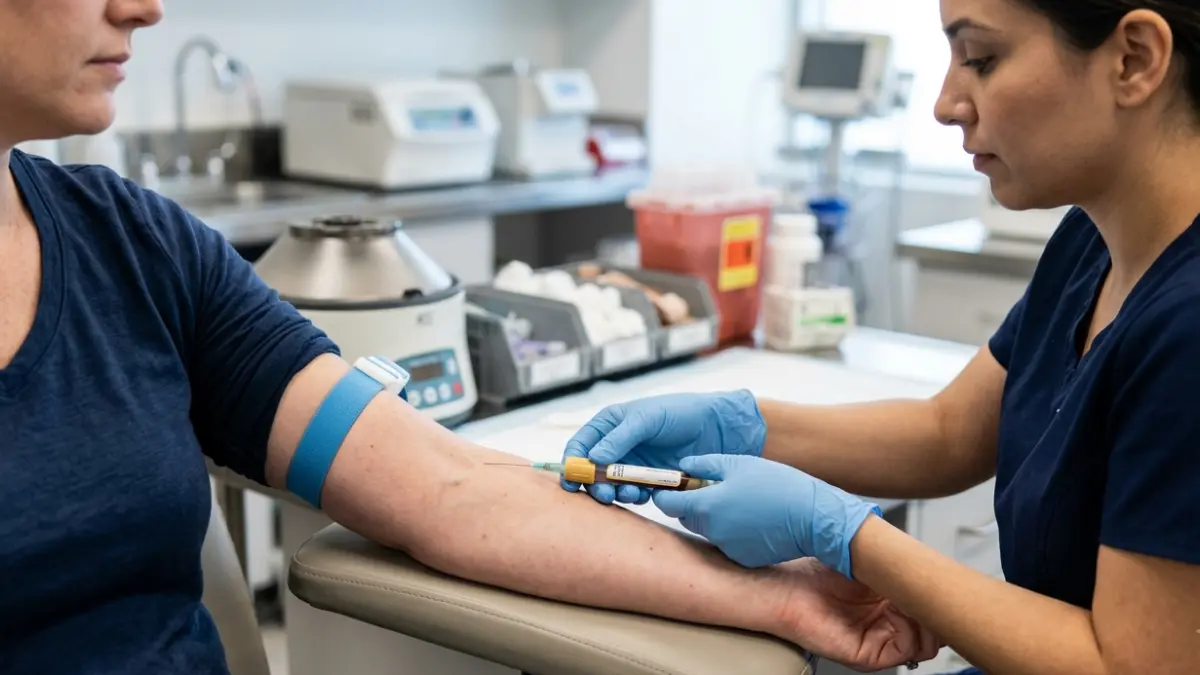
TSH test cost depends on one code: CPT 84443. Uninsured patients can request a
written estimate first, and dispute bills $400 over it.
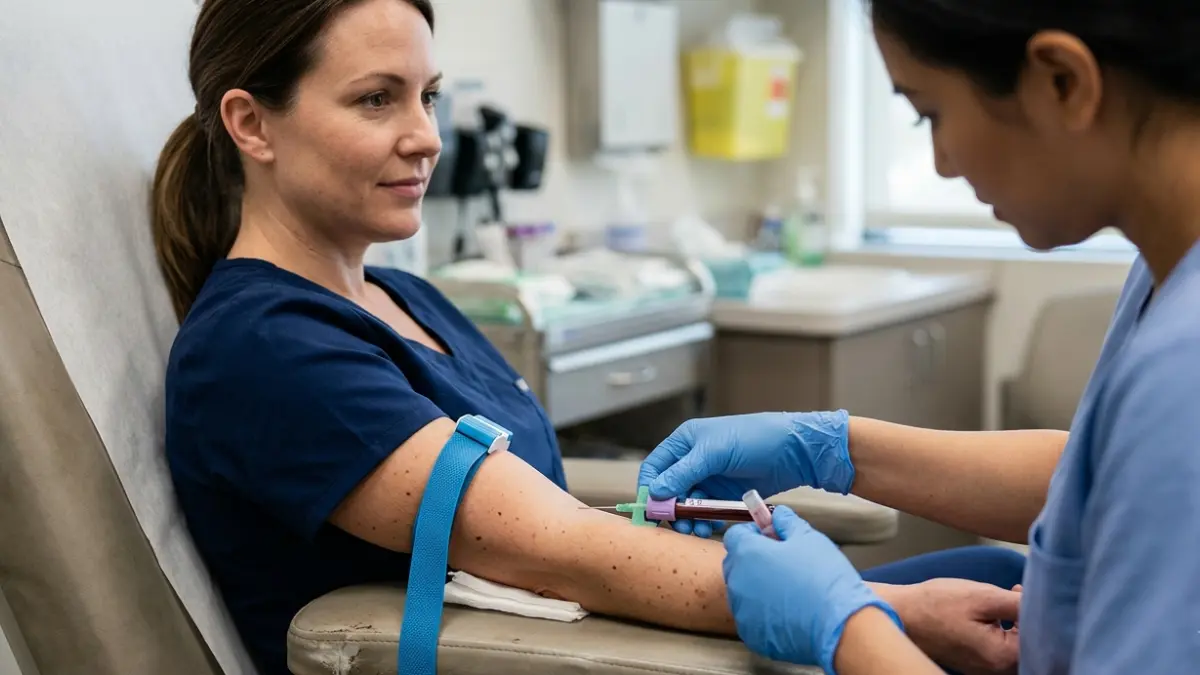
TPO antibodies and TSH answer different questions — one measures function, the other cause. NHANES III found 11.3% of US adults carry them. See the grid.
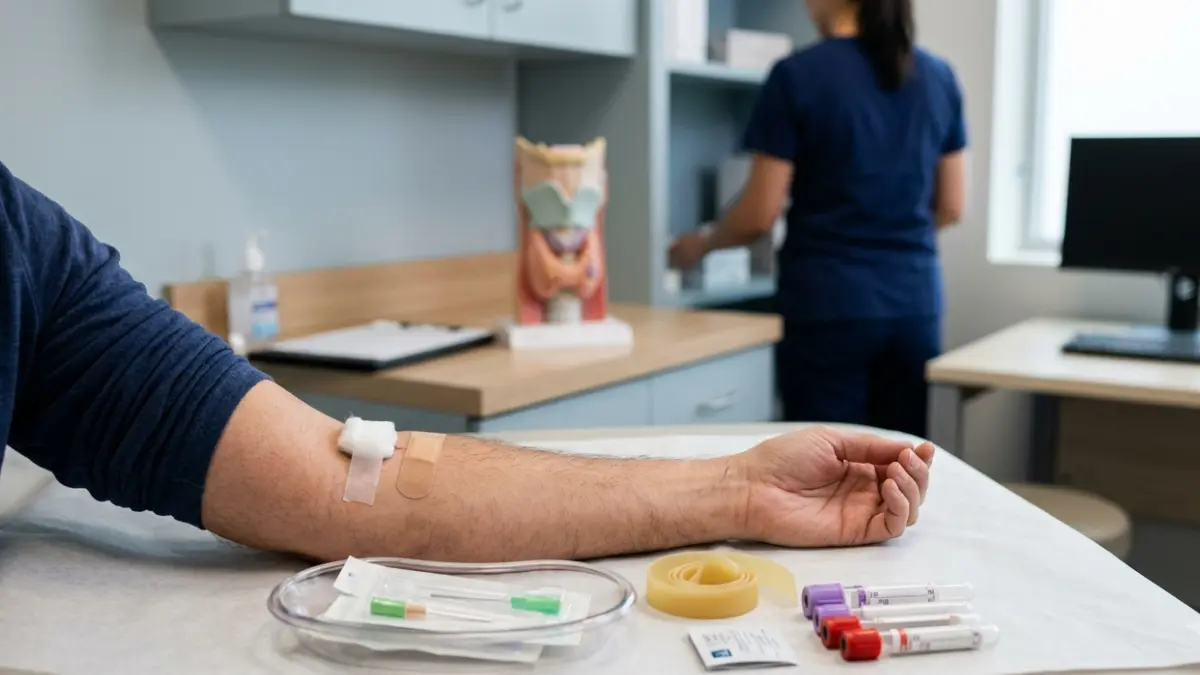
High TSH causes are not all thyroid. Assay interference affects an estimated 0.05% to 6% of samples, depending on the platform used.

TSH retest timing isn't one number. A borderline high result is usually repeated in 2–3 months, and many return to normal on their own.