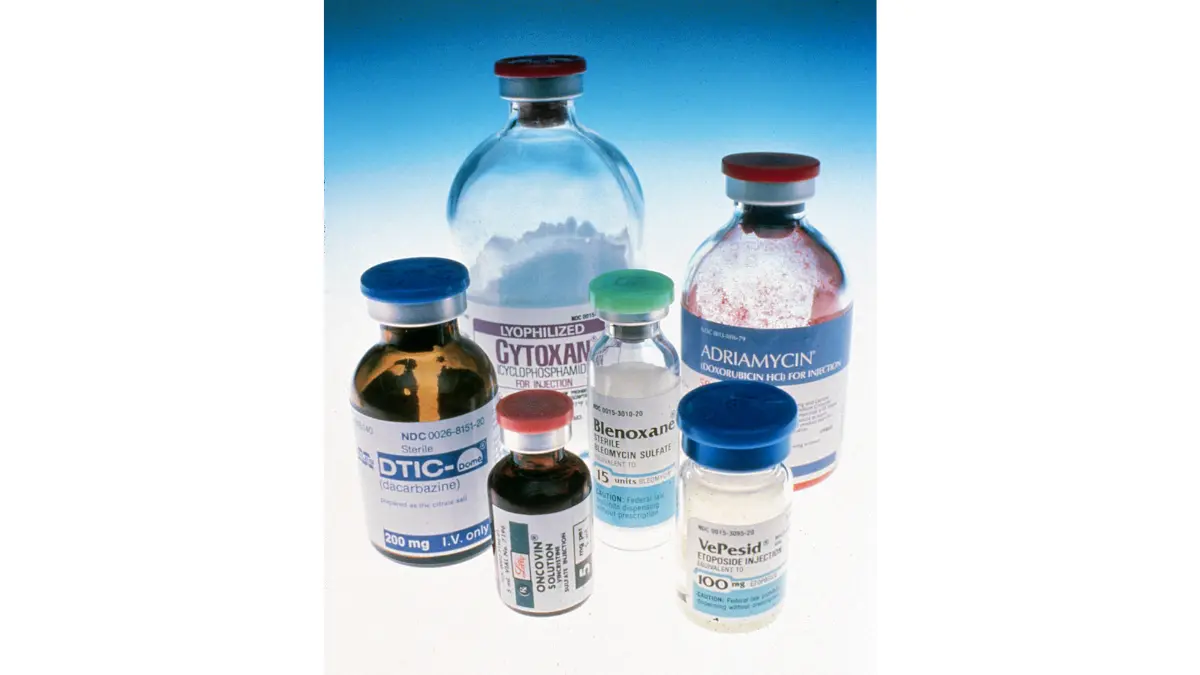
A Clear Path Through Pancreatic Cancer Treatment Cost
Pancreatic cancer treatment cost overwhelms many families. Medicare's $2,100 cap helps—but it won't cover infused chemo. Here's how to plan ahead.

Pancreatic cancer treatment cost overwhelms many families. Medicare's $2,100 cap helps—but it won't cover infused chemo. Here's how to plan ahead.
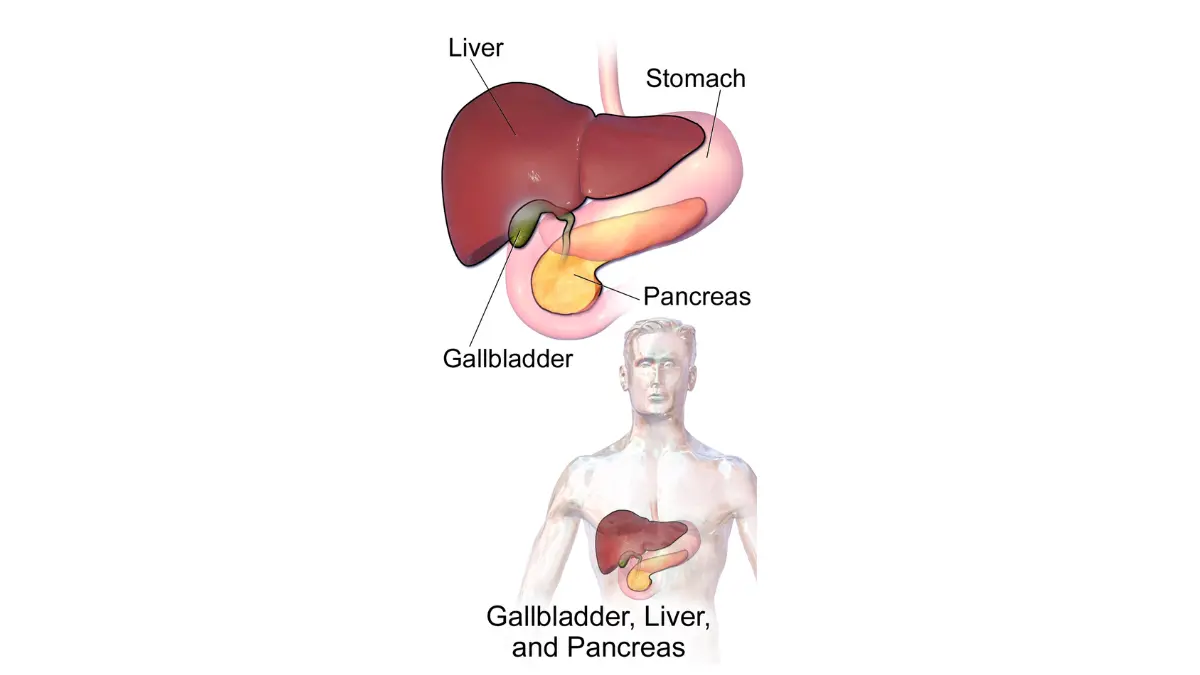
A pancreatic cancer diet works best paired with enzymes: up to 90% of advanced patients can't fully digest food, which quietly drives weight loss.
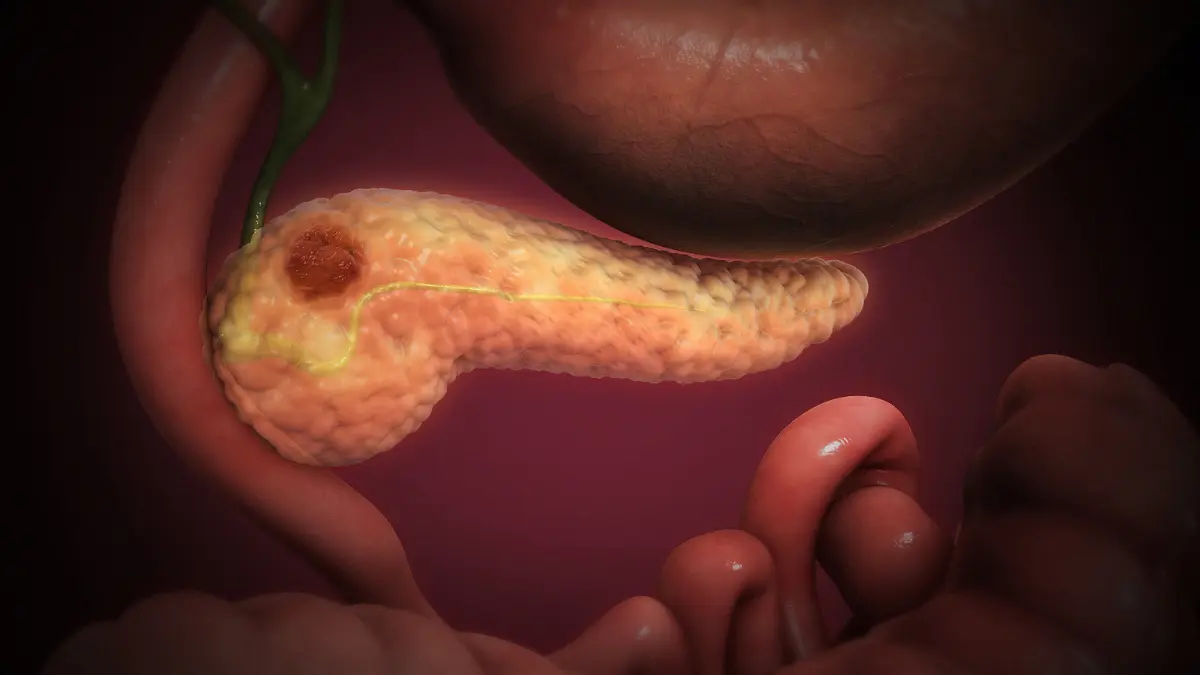
Pancreatic cancer caregivers face a flood of decisions in the first weeks — a calm, sourced order, from nutrition and symptoms to when to call for help.

A newly diagnosed pancreatic cancer brings hard questions fast. Guidelines urge genetic testing for everyone—here's what to ask at your first visit.
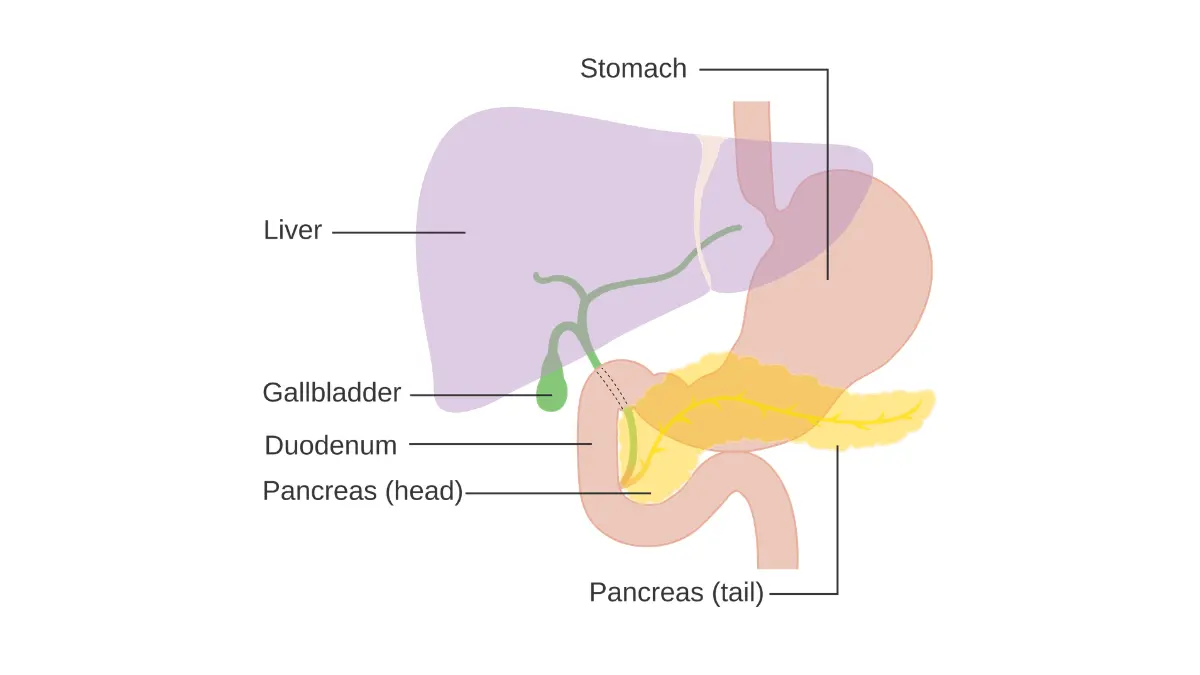
A pancreatic neuroendocrine tumor isn't the pancreatic cancer most people fear—it's often slower-growing, with far better survival when caught early.
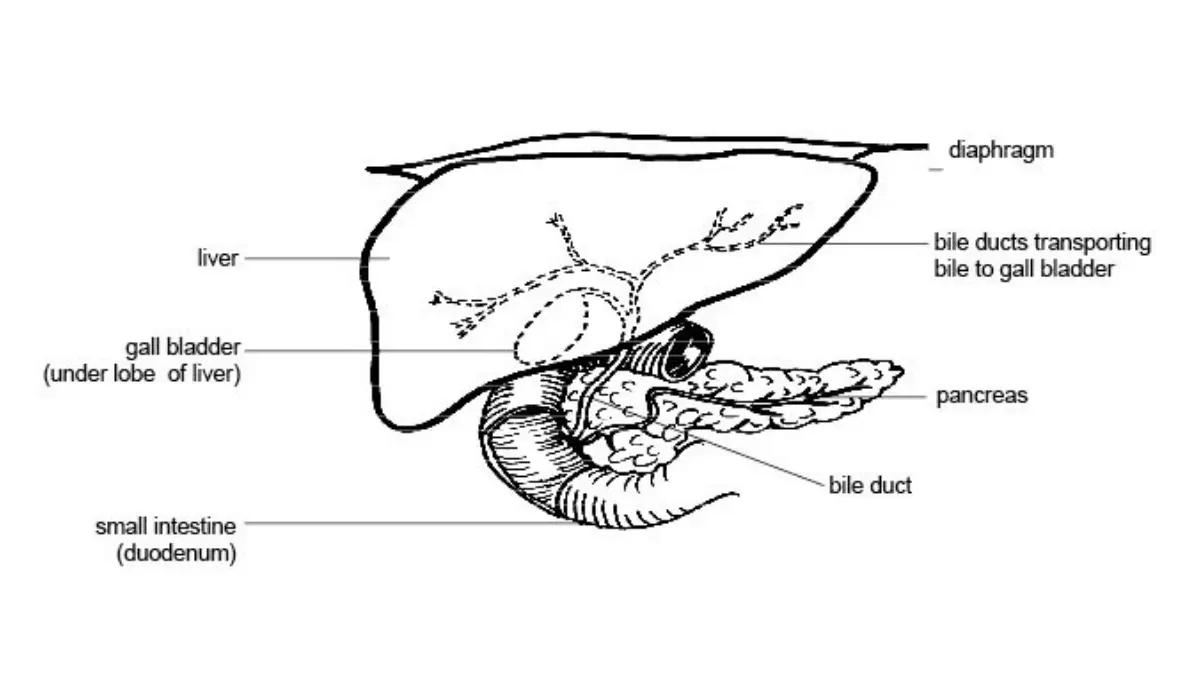
Pancreatic cancer strikes Black Americans most—the highest incidence of any U.S. group. Here's why the gap exists and the risk factors you can change.
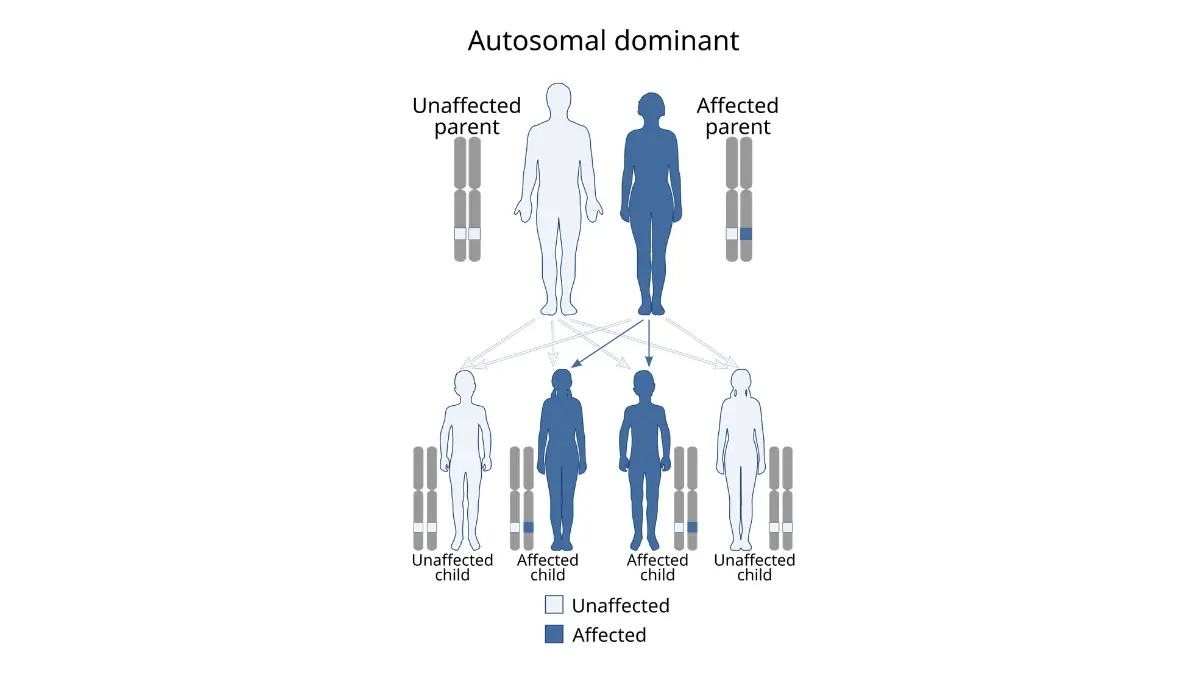
No routine pancreatic cancer screening exists for most adults. But a genetic syndrome or family history can move you into surveillance—often by age 40.
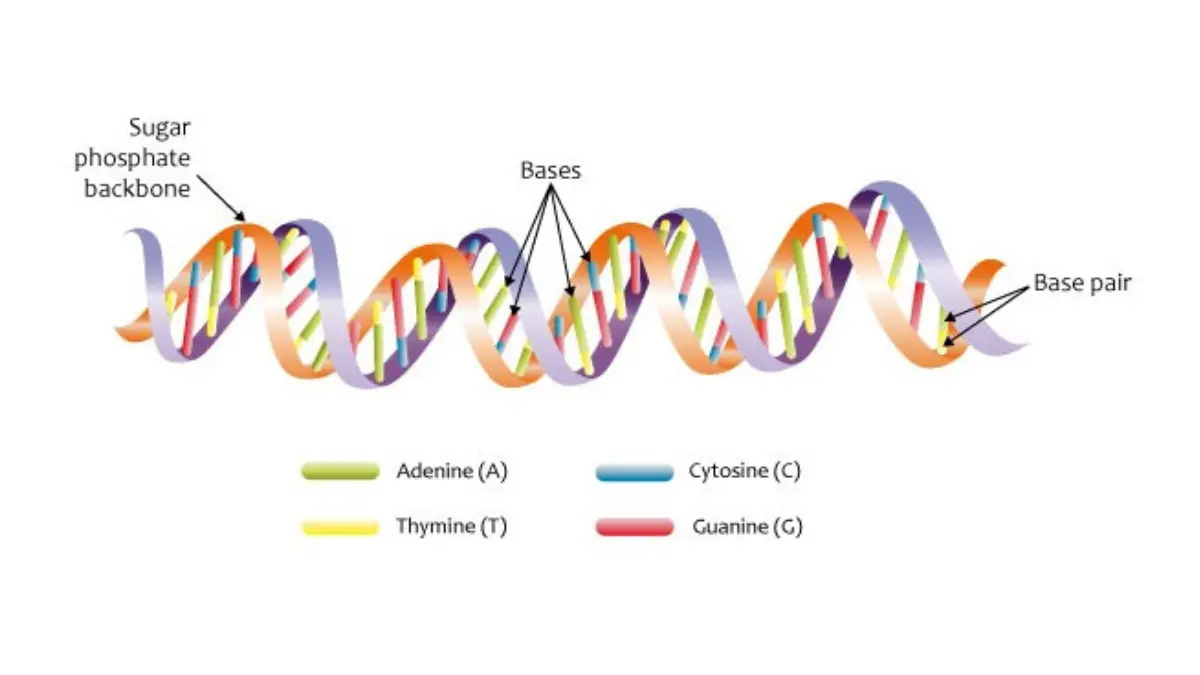
Genetic testing for pancreatic cancer isn't just for patients—NCCN urges it for all who are diagnosed, and carriers may start screening years earlier.
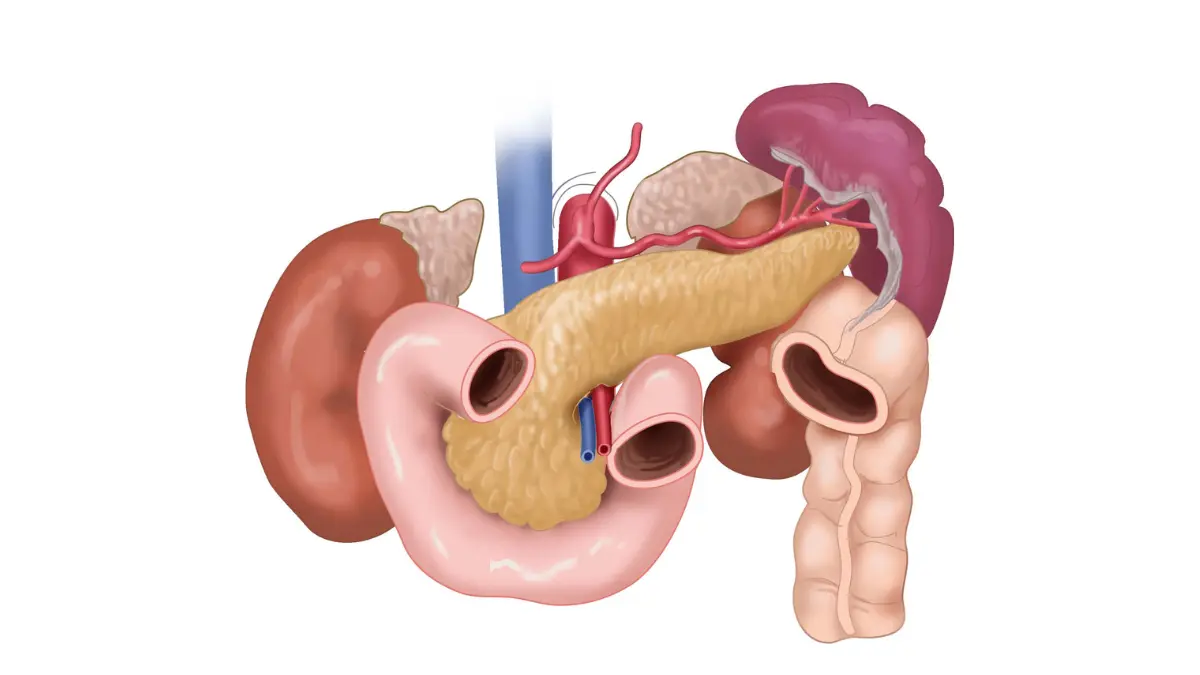
Hereditary pancreatic cancer is behind about 1 in 10 cases. Knowing which genes—BRCA2, CDKN2A—raise risk helps you and your family decide on testing.
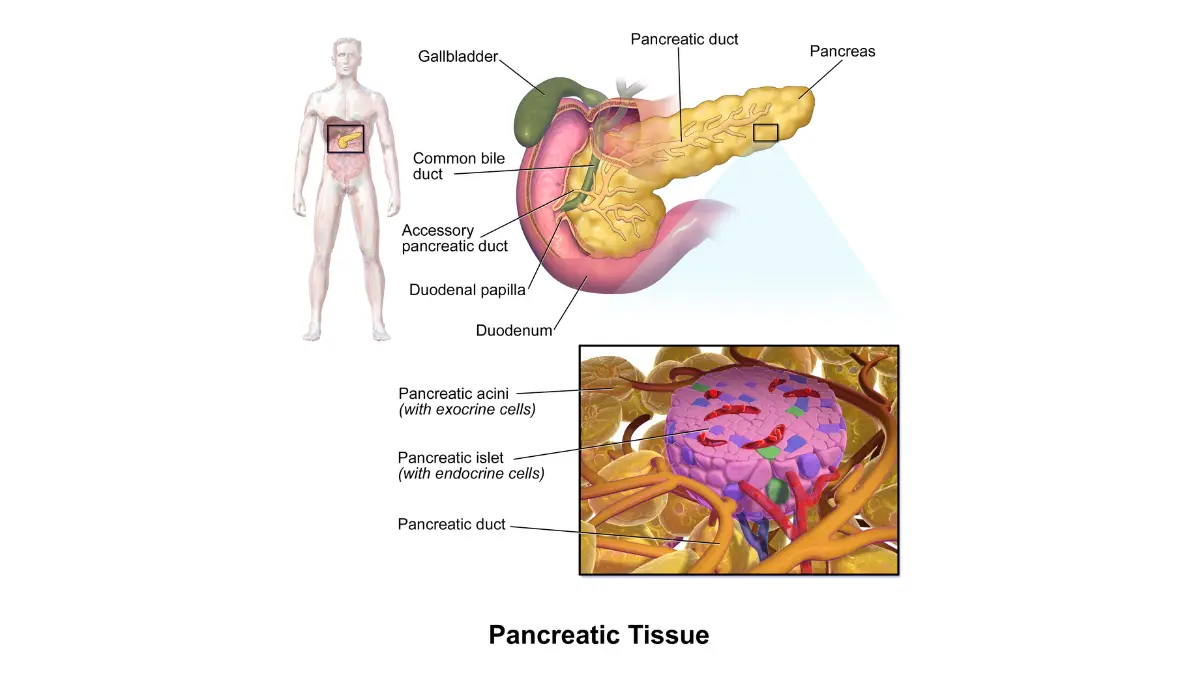
What causes pancreatic cancer is rarely one thing — but smoking accounts for about 1 in 4 cases, and the biggest risks are often ones you can change.