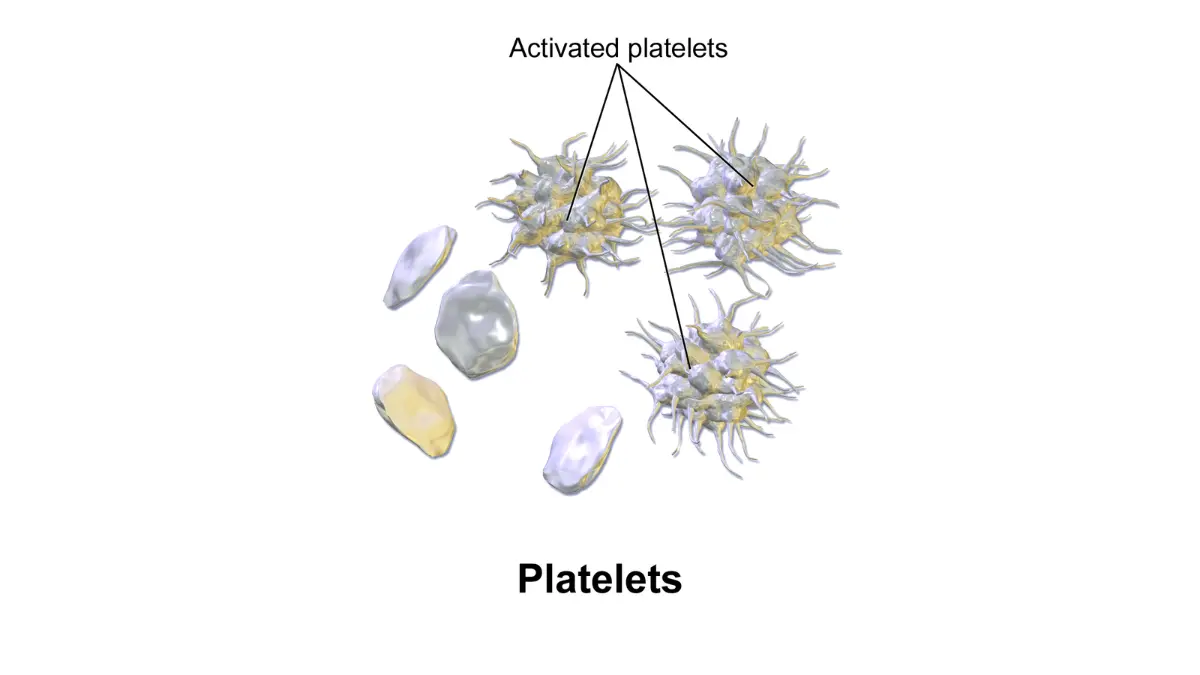
What Causes a Low Platelet Count Below 150,000?
Low platelet count causes range from ITP to a common lab artifact. See how doctors tell a true low count from a false alarm — and which numbers matter.

Low platelet count causes range from ITP to a common lab artifact. See how doctors tell a true low count from a false alarm — and which numbers matter.
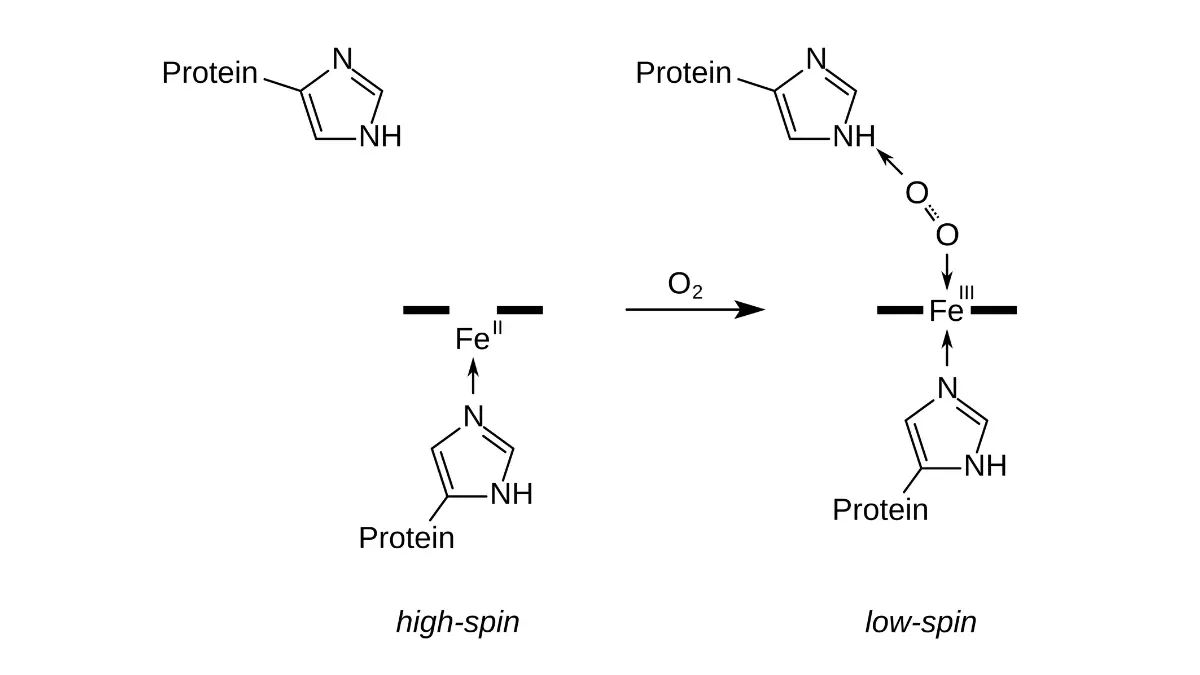
Hematocrit vs hemoglobin sound alike but measure different things—and can disagree on who's anemic. Here's the real difference.
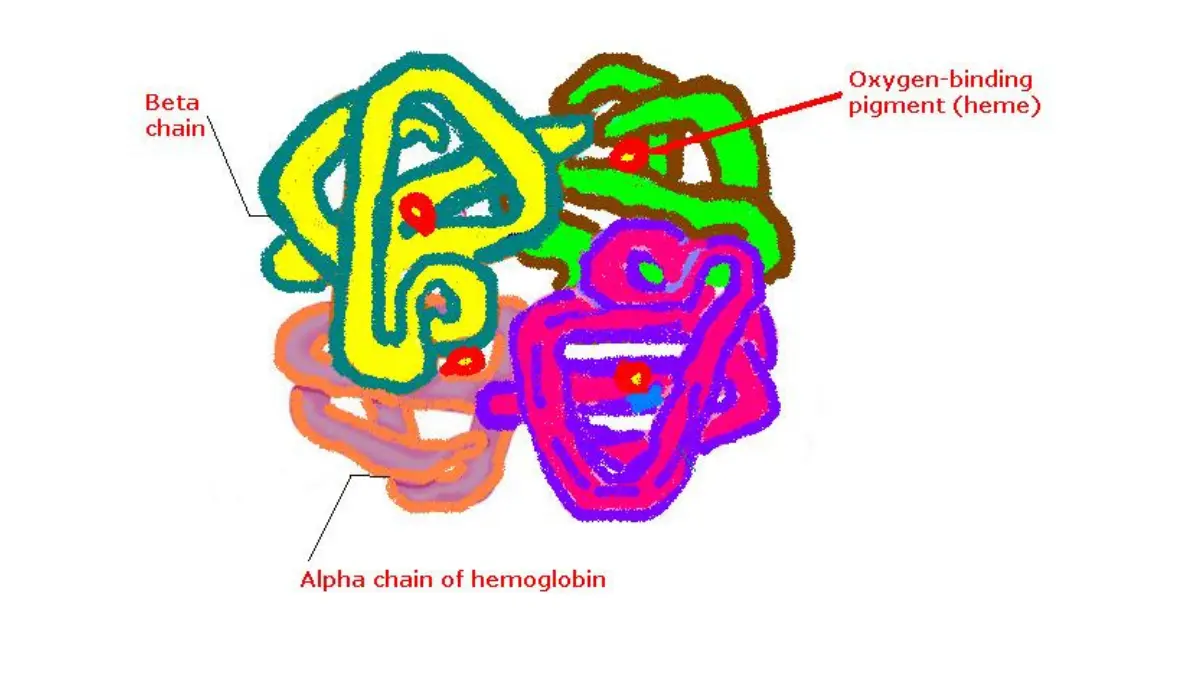
MCH vs MCHC differ: one is the amount of hemoglobin per red cell, the other its concentration — and a high MCHC is often a lab artifact, not disease.
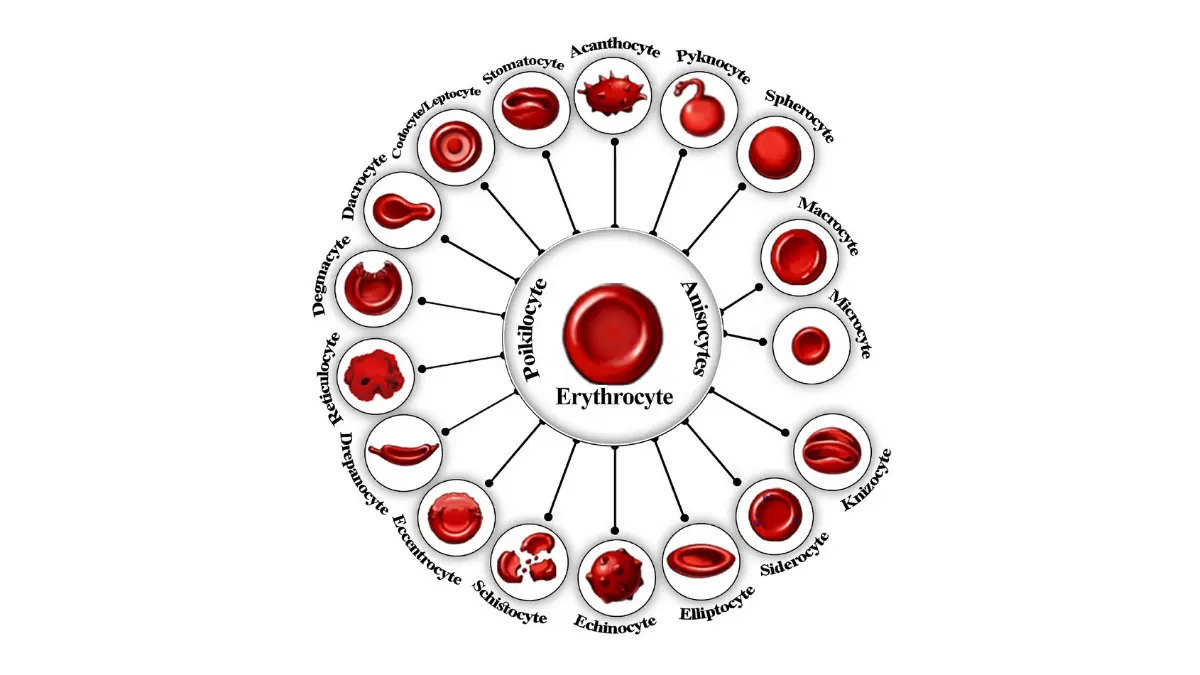
A high RDW on your CBC flags that your red blood cells vary in size. Read alongside your MCV, it points toward a cause — most often a common deficiency.
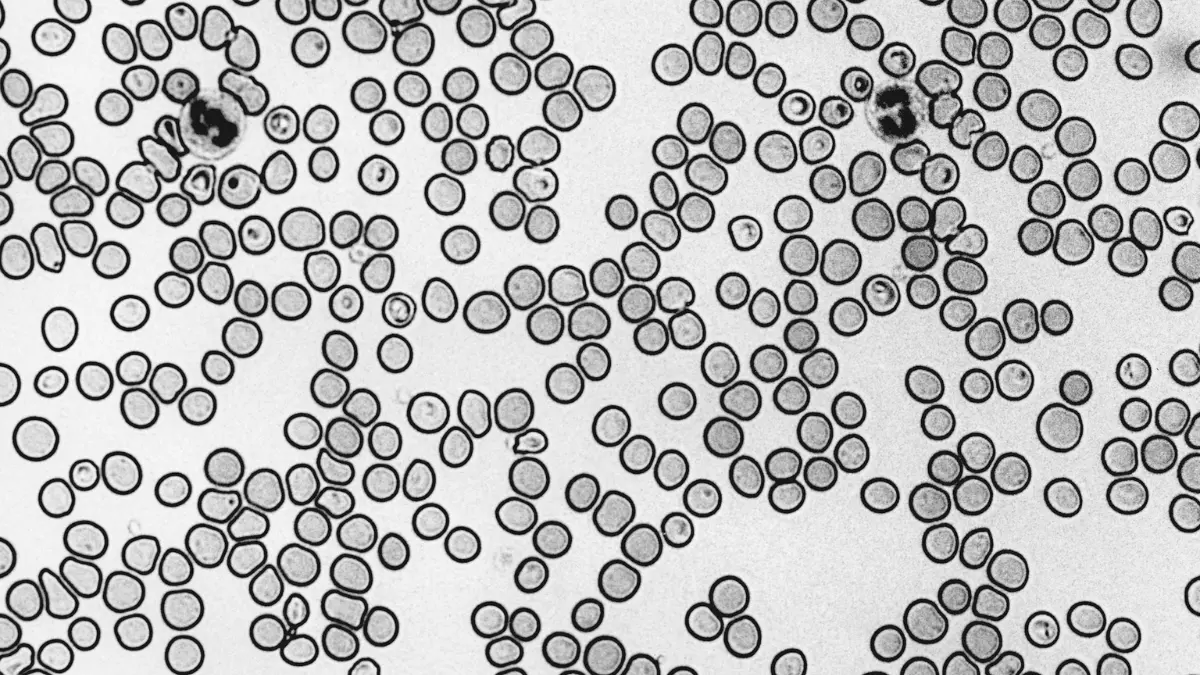
A high or low MCV rarely tells the whole story alone. See what a result above 100 or below 80 means—and why a normal MCV isn't always reassuring.
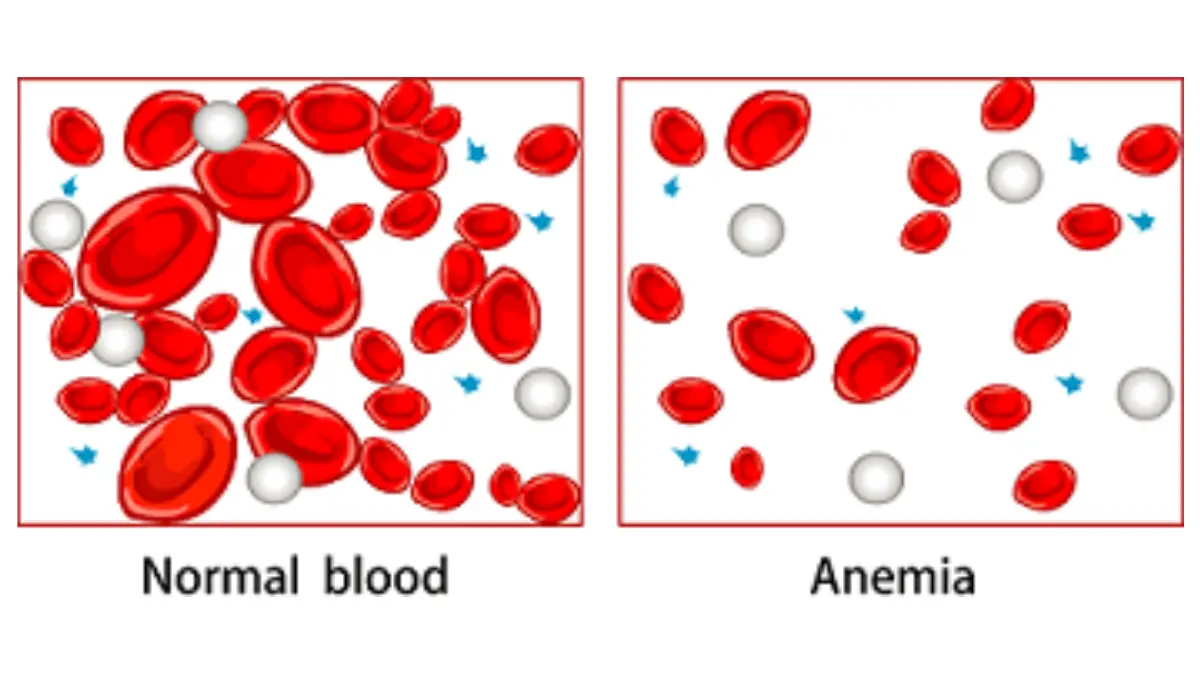
A low hemoglobin—below 13 g/dL in men, 12 in women—is only the start. Your MCV reveals the real cause, and some numbers mean it's an emergency.
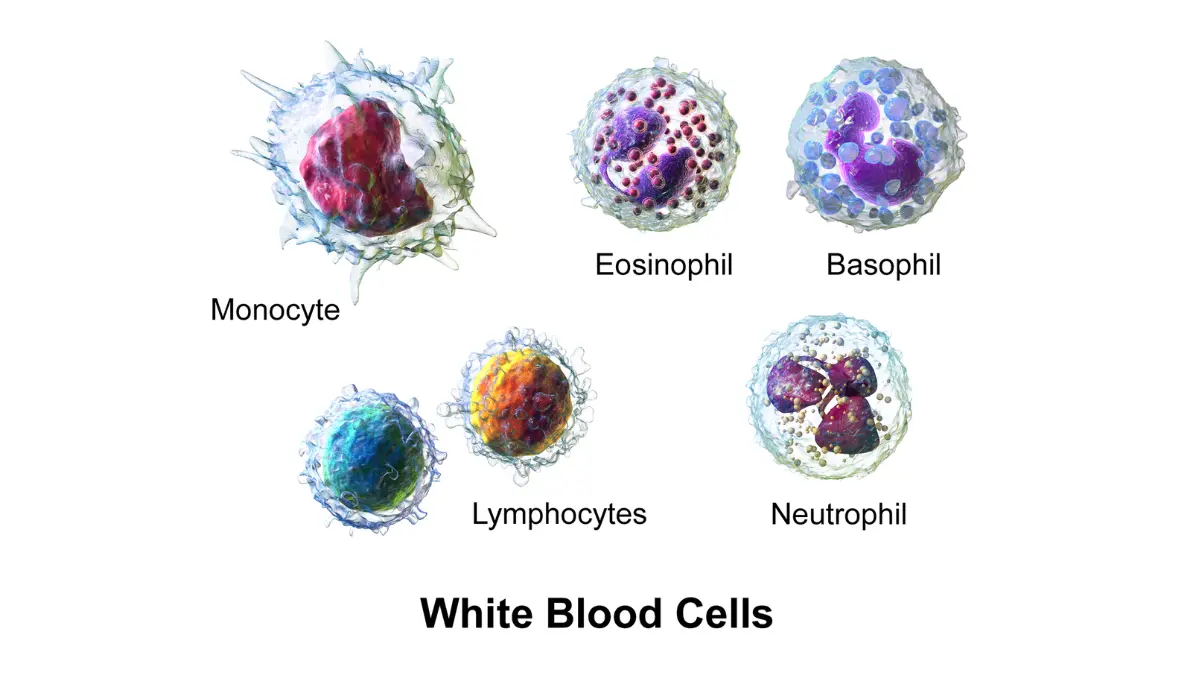
Your CBC with differential sorts white blood cells into five types. Here's what a high or low neutrophil or lymphocyte result actually tells you.

Low neutrophils aren't all equal: mild neutropenia is common, but an ANC under 500 is severe. See what caused yours and the fever that can't wait.
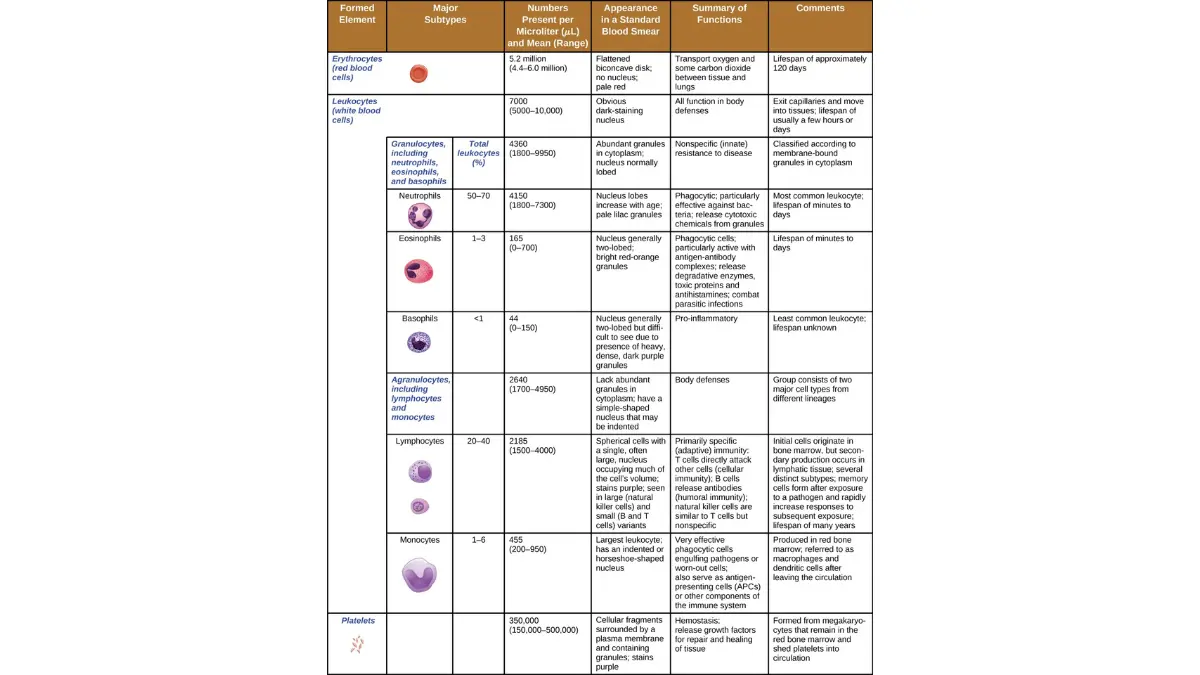
A low white blood cell count is often silent — many feel nothing until an infection appears. Here's what causes it and when the drop turns serious.
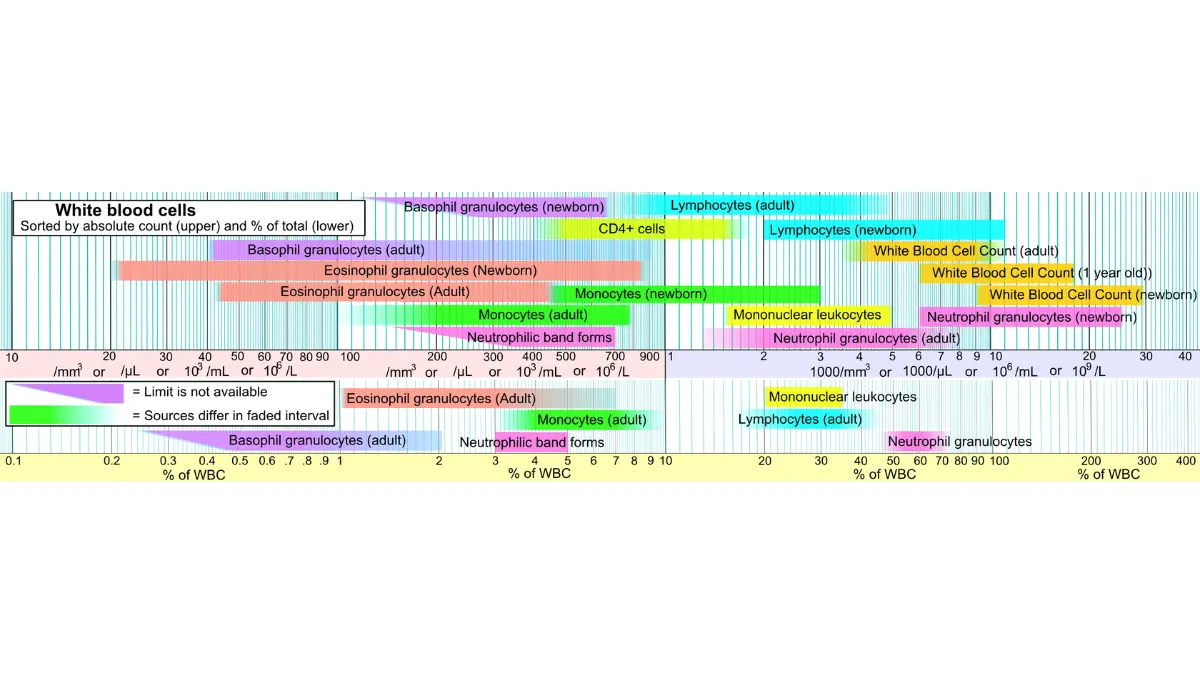
A high white blood cell count above 11,000 rarely means cancer — far more often it's your body responding to infection, inflammation, or stress.