
On This Page – Quick Medical Summary
If you have a glucose meter, a logbook, and a number you are not sure about, the three targets are in the next section.
None of this replaces the targets your own clinician set for you.
ℹ️ Medical Disclaimer: This article explains published glucose targets, screening thresholds and monitoring practice for general education. It does not diagnose gestational diabetes, set your personal targets, or adjust any medication including insulin. Those decisions belong with a board-certified obstetrician, maternal-fetal medicine specialist or endocrinologist who knows your pregnancy.
The three blood sugar targets in pregnancy
Three numbers, one row each.
| When you test | Target | In mmol/L | Key clinical detail |
|---|---|---|---|
| Fasting, on waking | Under 95 mg/dL | Under 5.3 | Checked daily |
| 1 hour after a meal | Under 140 mg/dL | Under 7.8 | Choose this or the 2-hour |
| 2 hours after a meal | Under 120 mg/dL | Under 6.7 | The alternative to the 1-hour |
Source: American Diabetes Association, Standards of Care in Diabetes—2026, Section 15. ACOG uses the same upper limits.
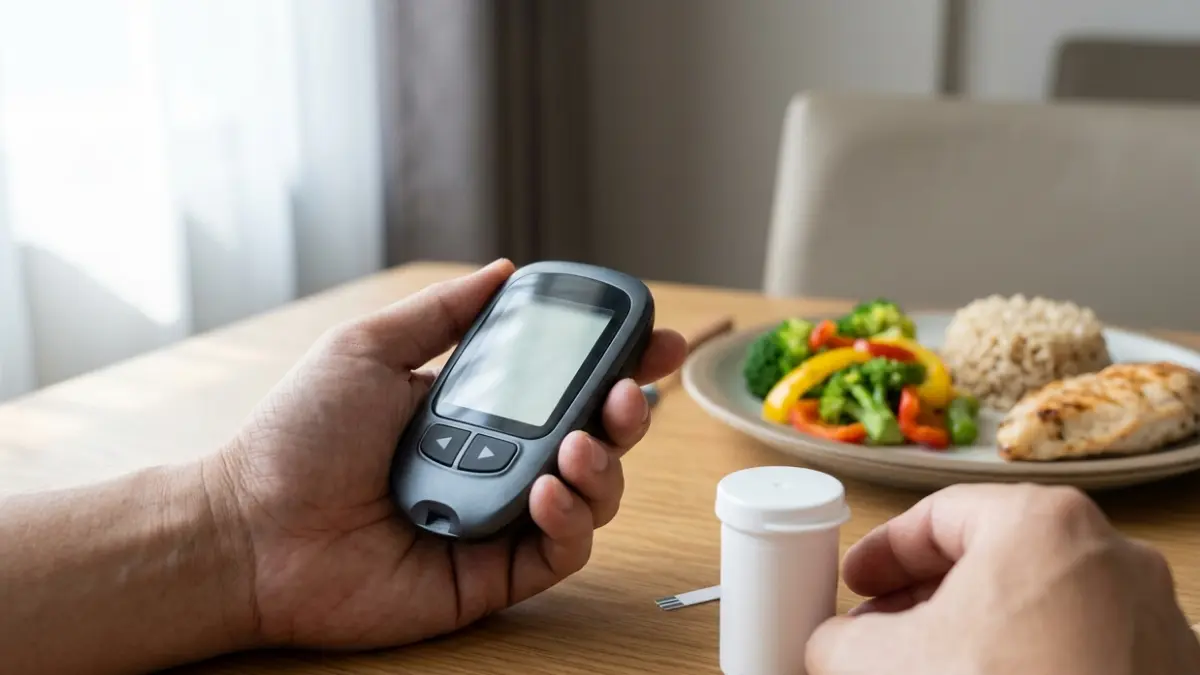
Fasting: under 95 mg/dL
Measured before anything to eat or drink, fasting blood sugar is often the last number to respond to diet changes.
One hour after a meal: under 140 mg/dL
Two hours after a meal: under 120 mg/dL
You test one post-meal window, not both — the goal is fasting and either the one-hour or the two-hour reading. If you had type 1 or type 2 diabetes before pregnancy, those same ceilings apply with floors underneath them: 70–95 fasting, 110–140 at one hour, 100–120 at two hours.
For ranges outside pregnancy, see the full glucose levels chart. If your clinic reports in mmol/L, the blood sugar converter handles the swap.
Why the test numbers and the target numbers are different
Diagnostic numbers answer “do you have it.” Target numbers answer “are you managing it.” Different questions, different figures — which is why so many numbers circulate.
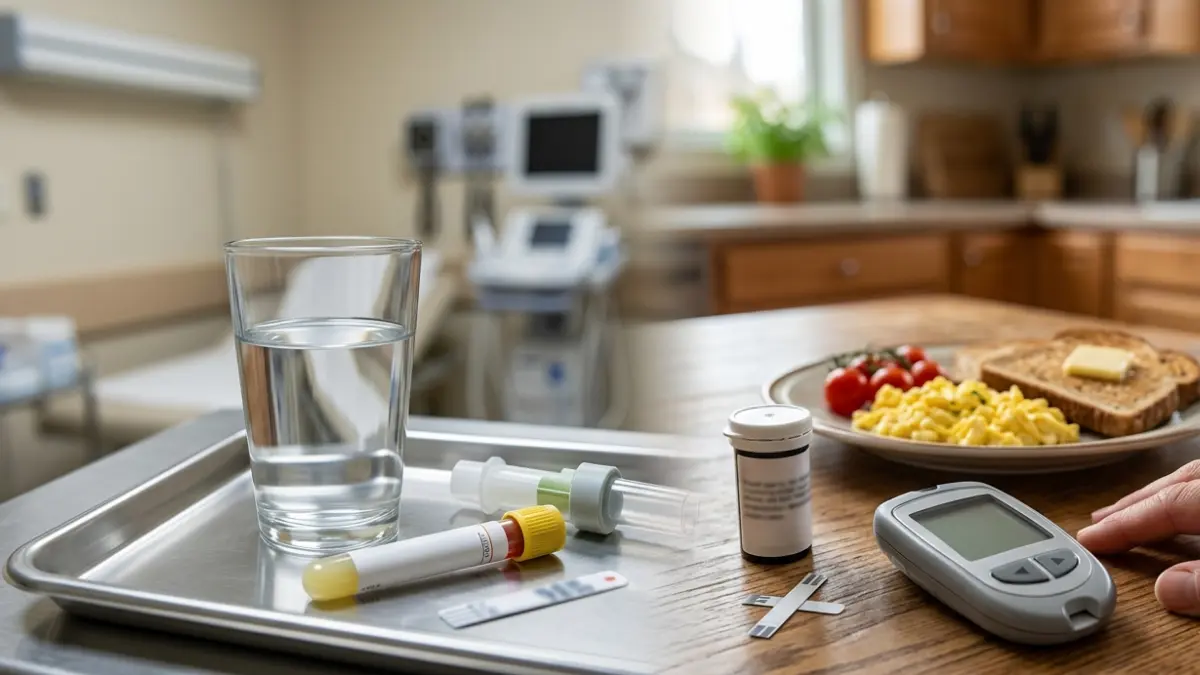
The one-step test: 92, 180, 153
One 75-gram oral glucose tolerance test. A single value at or above fasting 92 mg/dL, 1-hour 180 mg/dL, or 2-hour 153 mg/dL makes the diagnosis.
The two-step test: 140, then four values
A non-fasting 50-gram drink comes first, with clinics using a 1-hour cutoff of 130, 135 or 140 mg/dL. Above it you return for a 3-hour 100-gram test, where at least two of 95, 180, 155 and 140 mg/dL must be met.
When testing happens
Screening is standard at 24 to 28 weeks, earlier if you carry risk factors. ADA guidance permits either strategy while ACOG recommends the two-step, so which set appears on your result depends on your practice. See the NIDDK’s guide to gestational diabetes testing, or our walkthrough of the 1-hour glucose test in pregnancy.
What glucose looks like without gestational diabetes
The targets above are ceilings, not averages — and the gap between them matters.
The measured averages
Pooled measurements from pregnancies without diabetes or obesity put average fasting glucose near 71 mg/dL, one-hour near 109, and two-hour near 99. These are descriptive averages, not goals to chase.
| Kind of number | Fasting | 1 hour | Key clinical detail |
|---|---|---|---|
| Daily treatment target | Under 95 | Under 140 | What your meter is measured against |
| One-step diagnostic threshold | 92 | 180 | Decides whether you have the condition |
| Observed normal-pregnancy average | 71 | 109 | What untreated healthy pregnancy looks like |
Sources: ADA Standards of Care 2026 (targets and thresholds); pooled data on glucose in normal pregnancy, Diabetes Care 2011 (observed averages).
Why the research doesn’t fully agree
That 71 mg/dL average drew a published challenge: the larger HAPO cohort of 23,316 women reported mean fasting glucose of 80.9 mg/dL. The direction is consistent; the exact figure is not settled.
How common gestational diabetes actually is
📊 Clinical Data Point: Gestational diabetes rose from 6.0% of US mothers in 2016 to 8.3% in 2021, reaching 15.6% at maternal age 40 and above. — Source: CDC’s national gestational diabetes figures, MMWR QuickStats 2023, National Vital Statistics System. Birth-certificate reporting may undercount.
How to time a reading so the number is real
Most falsely high post-meal readings come from starting the clock in the wrong place.
When the clock starts
The timer starts at your first bite, not your last.
🔬 How It Works: Across studies using continuous monitoring, the average post-meal peak arrived about 69 minutes after eating began — which is why the one-hour reading is timed from the first mouthful and lands near the top of the curve.
One hour or two — pick the one you were assigned
Either, not both. One hour under 140 mg/dL, or two hours under 120 mg/dL.
What to write down
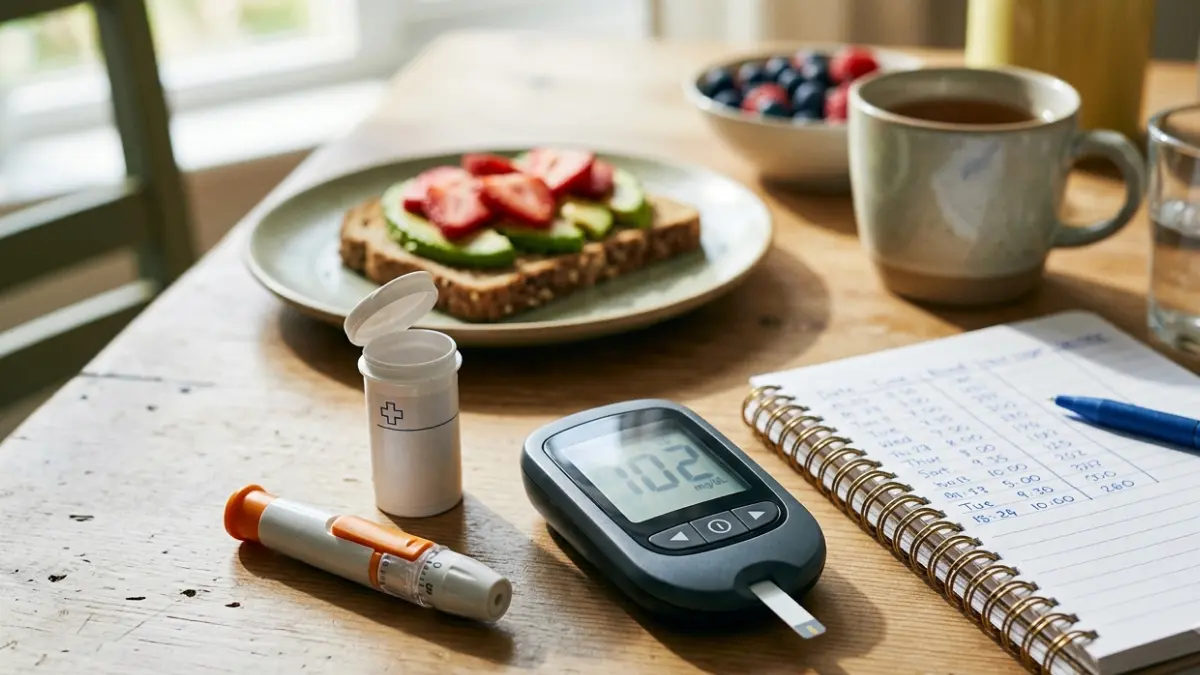
Log the reading, the time, and what you ate — MedlinePlus self-care guidance covers the routine. Testing frequency is individualised, so use the schedule your care team gave you rather than a number from an article.
The other numbers: A1C, sensors, and after delivery
Three more figures sit behind the daily three.
Why A1C runs lower in pregnancy
🔬 How It Works: Red blood cells turn over faster in pregnancy, so each spends less time accumulating glucose. Hemoglobin A1C therefore reads slightly lower in pregnancy, with and without diabetes — which is why the pregnancy goal is tighter than the general adult one.
The ADA lists an ideal A1C under 6%, relaxed toward under 7% where needed to prevent hypoglycemia. Our guide to A1C during pregnancy goes deeper.
Continuous monitoring targets
For continuous glucose monitoring in type 1 diabetes, the pregnancy sensor range is 63–140 mg/dL with a time-in-range goal above 70%. Those percentages were set for type 1 only; the same range is endorsed for type 2 and gestational diabetes, but the time goals have not been quantified.
The test after the baby arrives
✅ Patient Action: Before you leave the hospital, ask your obstetric provider: “Is my postpartum glucose test already booked inside the 4-to-12-week window?” A 75-gram test is recommended then, with periodic screening for life afterward. See the clinical reference on gestational diabetes.
When a reading needs a call, not a note
Your clinician manages a trend line, not a data point.
One reading versus a pattern
A single high number is information, not a verdict. What prompts a change in care is the same reading drifting high across several days — which is what your log exists to show.
Lows count too
⚠️ Clinical Warning: Lower is not automatically better. Pregnancy targets carry floors as well as ceilings, and lows matter most for anyone using insulin. The most appropriate hypoglycemia threshold in pregnancy has not been established, so report lows rather than deciding alone — signs of low blood sugar are worth knowing in advance.
✅ Patient Action: Ask your obstetric provider or diabetes team: “At what point do you want me to call between appointments instead of waiting?”
Common questions about glucose levels in pregnancy
1. What is a normal fasting glucose level in pregnancy?
A normal fasting glucose level in pregnancy is targeted under 95 mg/dL when diabetes is being managed. Confirm your own target with your clinician.
3. Should I test one hour or two hours after eating?
Either, not both. Test at one hour under 140 mg/dL, or two hours under 120 mg/dL. Follow the schedule your clinician assigned.
4. When does the one-hour timer start?
The one-hour timer starts at your first bite, not your last. Glucose typically peaks about an hour after eating begins.
5. Why is my target 95 when my test cutoff was 92?
92 mg/dL is a one-step diagnostic cutoff; 95 mg/dL is a daily treatment target. Different jobs, different numbers.
6. What are glucose levels in a pregnancy without gestational diabetes?
Pooled research put average fasting near 71 mg/dL and one-hour near 109 mg/dL, comfortably below the treatment ceilings.
7. What is the A1C goal during pregnancy?
The A1C goal during pregnancy is under 6% ideally, relaxed toward under 7% to avoid lows. Your clinician sets yours.
8. Is 140 mg/dL after a meal bad in pregnancy?
140 mg/dL sits at the one-hour ceiling, not past it. A repeating pattern, not one reading, prompts a treatment change.
9. Can blood sugar be too low in pregnancy?
Yes, blood sugar can be too low in pregnancy, especially on insulin. Targets carry floors, so report lows to your clinician.
10. When is gestational diabetes testing done?
Gestational diabetes testing is usually done at 24 to 28 weeks, and earlier if your clinician identifies risk factors.
11. Do I need another glucose test after delivery?
Yes, a 75-gram glucose test at four to twelve weeks postpartum is recommended, then periodic screening for life.
Three numbers hold most of this: under 95 fasting, under 140 at one hour, or under 120 at two. Book the postpartum test before you leave the hospital. And bring your care team a pattern rather than a panic — the log is what they read, not any single morning.
About this content
How this article was put together: researched from recognised health sources, drafted with the help of AI tools, and edited by hand, with sources linked throughout.

Sameer Patel is the founder and editor of My Medicine Advisor. He is not a doctor or medical professional — before starting this site he worked in banking,…
Medical disclaimer
The content on MyMedicineAdvisor is provided for general informational and educational purposes only and is not a substitute for professional medical advice, diagnosis, or treatment. Health information on this website should not be used to diagnose, treat, cure, or prevent any condition without guidance from a qualified healthcare professional. Always seek the advice of your doctor, physician, or another licensed healthcare provider with any questions you may have regarding a medical condition, symptoms, medications, or treatment decisions.