
On This Page – Quick Medical Summary
The 1-hour glucose test in pregnancy is a screening test, not a diagnosis. Nearly every pregnant patient in the US is offered one.
Not tested yet: start with the next section. Holding a number: skip to what counts as normal. Told your result was high: the section after that was written for you.
The US Preventive Services Task Force recommends screening at 24 weeks of gestation or later, and found the evidence insufficient to support screening earlier.
ℹ️ Medical Disclaimer: This article explains a routine prenatal screening test. It does not diagnose gestational diabetes, interpret your result, or recommend medication or a diet plan. Thresholds and next steps are set by the practice caring for you.
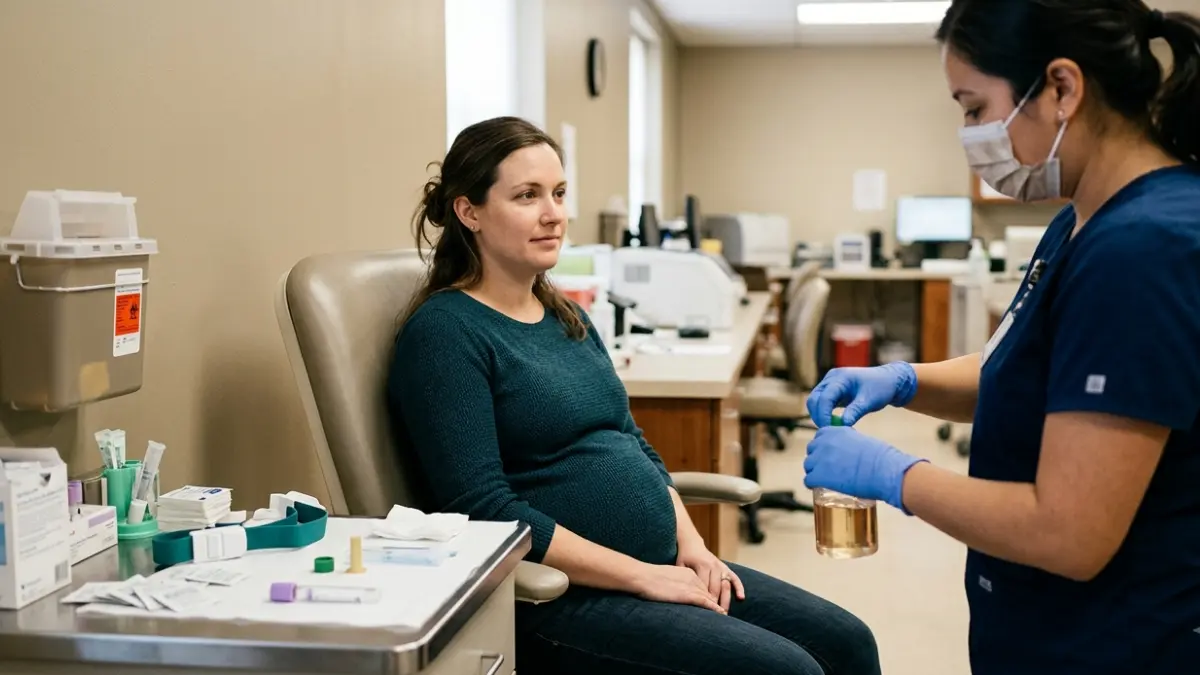
What actually happens at the appointment
There is nothing to prepare and nothing to bring.

Do you need to fast beforehand?
No. The glucose challenge test is nonfasting, so you eat normally, unlike the lab draws that require an overnight fast.
When in pregnancy this test is scheduled
Testing usually happens between 24 and 28 weeks. Unsure which week you are in? The pregnancy due date calculator gives your gestational age.
How long you will be at the lab
You drink a solution containing 50 grams of glucose, and a blood draw follows exactly one hour later. MedlinePlus sets out the same sequence.
What counts as a normal result
A normal result is any value below the cutoff your practice uses, and your practice chose that cutoff from three legitimate options.
| 1-hour result (50 g) | What usually follows | Key clinical detail |
|---|---|---|
| Below your lab’s cutoff | Screening is complete | Cutoffs in use: 130, 135, 140 mg/dL |
| At or above cutoff, under 200 | Referral for the 3-hour test | A referral, not a diagnosis |
| 200 mg/dL or higher | Provider decides next step | May indicate diabetes predating pregnancy |
Thresholds verified against ACOG Practice Bulletin 190 and NIDDK patient guidance.
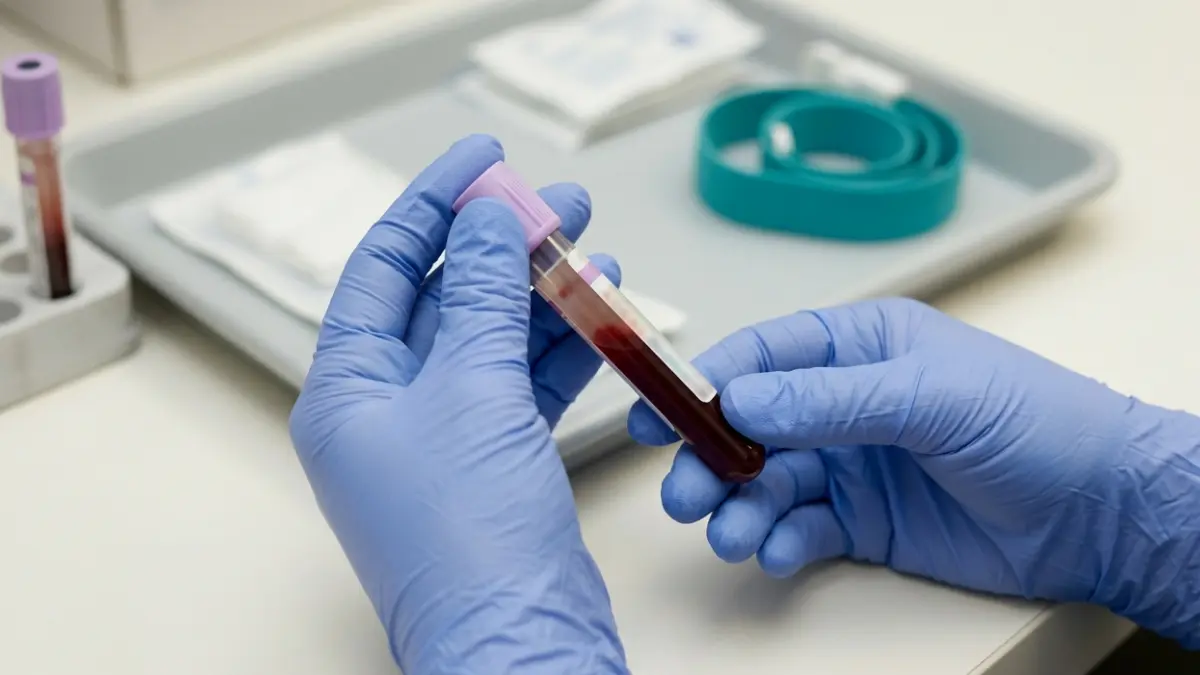
The three cutoffs labs use
ACOG advises one consistent practice cutoff of 135 or 140 mg/dL; 130 mg/dL is also in use. A 140 mg/dL cutoff identifies roughly 80% of cases, 130 mg/dL roughly 90%.
Why your clinic’s number may differ from a friend’s
Identical results can produce different instructions, and neither lab is wrong. If your report reads in mmol/L, the blood sugar converter puts it in these units.
What a very high screening value means
NIDDK guidance puts the return-for-testing point at 140 or above, and notes that 200 or above may indicate type 2 diabetes.
✅ Patient Action: Before your draw, ask your obstetric provider or certified nurse-midwife: “Which screening threshold does our lab use — 130, 135, or 140 mg/dL?”
What happens if your result is high
A high screening result means one more test, not a diagnosis.
A high screen is not a diagnosis
Most patients who screen positive do not turn out to have gestational diabetes. The screen is deliberately set to over-refer rather than miss cases, as the NIH clinical reference on two-step screening explains.

How common gestational diabetes actually is
CDC natality data show diagnoses rose from 6.0% of US births in 2016 to 8.3% in 2021, climbing with maternal age. The glucose levels chart places these figures beside every other glucose test.
Why some patients are screened earlier
ACOG’s 2024 practice update does not recommend routine screening before 24 weeks, but still recommends earlier testing for pre-existing diabetes in patients with risk factors.
📊 Clinical Data Point: About 20% of patients screen positive on the 1-hour test and go on to the 3-hour test — Source: StatPearls, NIH National Library of Medicine, 2025.
How the 3-hour test confirms or rules it out
The second test is the one that actually diagnoses.
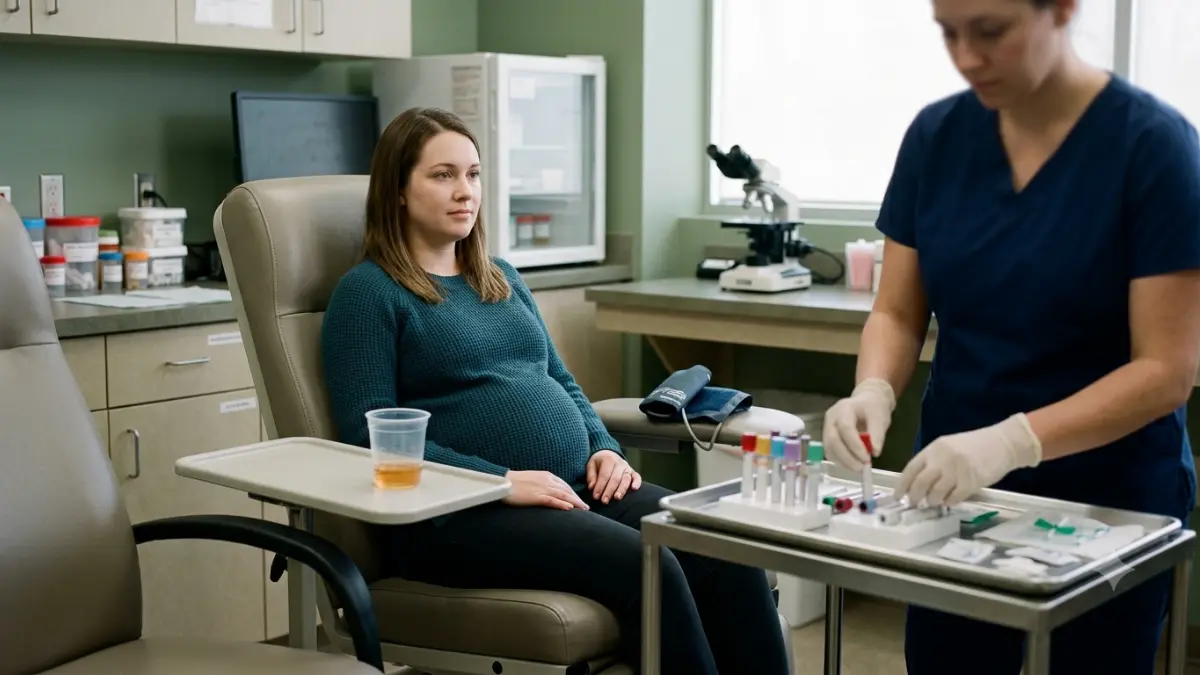
What the 3-hour test involves
It needs an 8- to 14-hour fast, a 100-gram drink, and four draws across three hours. The full timeline is worth reading before you book.
How many high values it takes to diagnose
Two or more of the four values must be elevated for a gestational diabetes diagnosis; one alone does not. ACOG’s 2024 update advises the Carpenter and Coustan criteria over the higher National Diabetes Data Group thresholds.
Can anything you do change the result?
Not much, and that is the point.
What to eat before the test
No dietary preparation is required, and no meal changes what the screen measures. Advice to load up on protein beforehand is widely repeated and appears in no published guidance.
Why the drink makes some people feel unwell
Nausea after a concentrated glucose load is common and is not a sign of a bad result.
🔬 How It Works: Pregnancy hormones make cells less responsive to insulin, so the body works harder to clear sugar from the blood. The 50-gram drink applies a standard load and measures that clearance.
If you cannot keep the drink down
Tell the lab staff immediately rather than leaving. The sample will not be usable, and your provider decides whether to reschedule.
When to call your provider instead of waiting
Most results can wait for your next appointment. Two situations should not.
A screening value of 200 or higher
A very high screening value can point to diabetes that predates pregnancy, and some practices act on it without repeating the second test.
A test you could not complete
If you vomited the drink, missed the one-hour mark, or left before the draw, call rather than waiting.
⚠️ Clinical Warning: No clinician reviewed this article, and it cannot interpret your result. If your value was 200 mg/dL or higher, call your obstetric provider today and ask: “Does this change which test I need next?”
Common questions about the 1-hour glucose test
1. Do you have to fast for the 1-hour glucose test?
No. The 1-hour glucose test in pregnancy is nonfasting, so you eat normally and need no diet change.
2. When is the 1-hour glucose test done?
Testing usually happens between 24 and 28 weeks of pregnancy, though your practice may schedule it earlier.
3. What is a normal 1-hour glucose test result?
Any value below your lab’s chosen cutoff of 130, 135, or 140 mg/dL. Ask your provider which applies.
4. What number counts as failing?
Meeting or exceeding your practice’s cutoff, most often 140 mg/dL, triggers a referral for the 3-hour test.
5. Does failing mean I have gestational diabetes?
No. About 20% screen positive and most are not diagnosed. Only the 3-hour test confirms it.
6. How long does the 1-hour glucose test take?
Blood is drawn exactly one hour after you finish the glucose drink, so plan to stay that hour.
7. Can I eat before the 1-hour glucose test?
Yes. No dietary preparation is required, and no meal changes what the 1-hour glucose test measures.
8. What if I throw up the glucose drink?
Tell the lab staff immediately. The sample will not be usable, and your provider decides whether to reschedule.
9. What does a result over 200 mean?
It may indicate diabetes that predates pregnancy. Contact your obstetric provider about next steps.
10. What is the 3-hour glucose test?
A fasting test using a 100-gram drink and four blood draws; two or more high values confirm diagnosis.
11. How common is gestational diabetes?
Diagnoses rose from 6.0% of US births in 2016 to 8.3% in 2021, climbing with maternal age.
What to do next
Ask which threshold your lab uses before you go; it changes how you read your own result. If the number is high, book the 3-hour test promptly and treat it as a second look, not a verdict.
About this content
How this article was put together: researched from recognised health sources, drafted with the help of AI tools, and edited by hand, with sources linked throughout.

Sameer Patel is the founder and editor of My Medicine Advisor. He is not a doctor or medical professional — before starting this site he worked in banking,…
Medical disclaimer
The content on MyMedicineAdvisor is provided for general informational and educational purposes only and is not a substitute for professional medical advice, diagnosis, or treatment. Health information on this website should not be used to diagnose, treat, cure, or prevent any condition without guidance from a qualified healthcare professional. Always seek the advice of your doctor, physician, or another licensed healthcare provider with any questions you may have regarding a medical condition, symptoms, medications, or treatment decisions.