
On This Page – Quick Medical Summary
No fasting. That is the short answer for a standard TSH test, and it is why most people are here.
Three things genuinely change the number: what time your blood is drawn, whether you take levothyroxine, and whether you take a biotin supplement.
If this is your first thyroid blood draw, start with fasting and timing. If you are being monitored on thyroid medication, the medication section matters most. If you take a hair, skin or nail supplement, read the biotin section before your appointment. None of this asks you to change anything on your own.
ℹ️ Medical Disclaimer: This article explains how a TSH test is performed and read. It does not diagnose thyroid disease, adjust medication, or override laboratory instructions. Decisions about medication timing, supplements, and what your result means belong with a board-certified endocrinologist or the clinician who prescribed for you.
Do you need to fast before a TSH test?
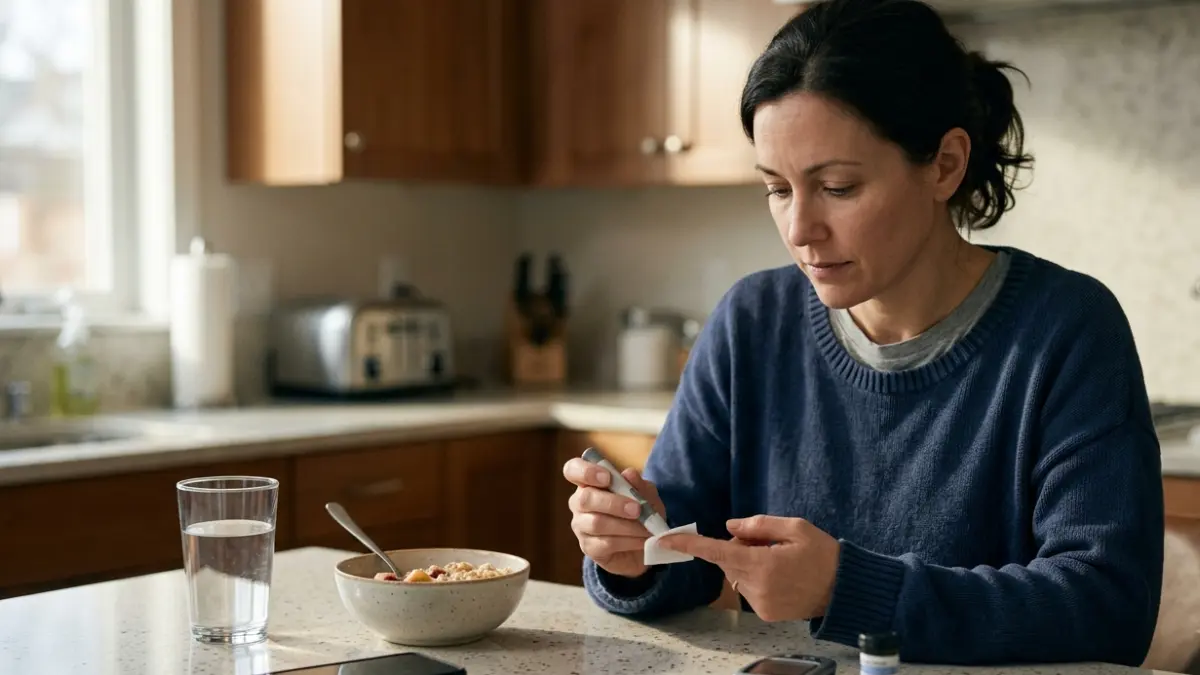
No. A standard TSH test does not require fasting. The National Library of Medicine’s TSH test entry states that no special preparation is needed, so breakfast is fine.
Food does nudge it. Studies comparing fasting and post-meal samples found TSH dropped after eating while free T4 barely moved.
If your TSH is drawn with other blood tests
Thyroid tests are often bundled with a lipid panel or glucose test, and those do require fasting. Check whether you need to fast for a lipid panel booked at the same visit.
Coffee, water and breakfast
Water is fine, and coffee is not a reason to reschedule. If you do fast for a bundled test, keep that consistent for future draws.
The best time of day to have your TSH drawn
Early morning, and ideally the same hour each time. The National Library of Medicine notes that TSH values vary through the day and that early-morning testing is preferred.
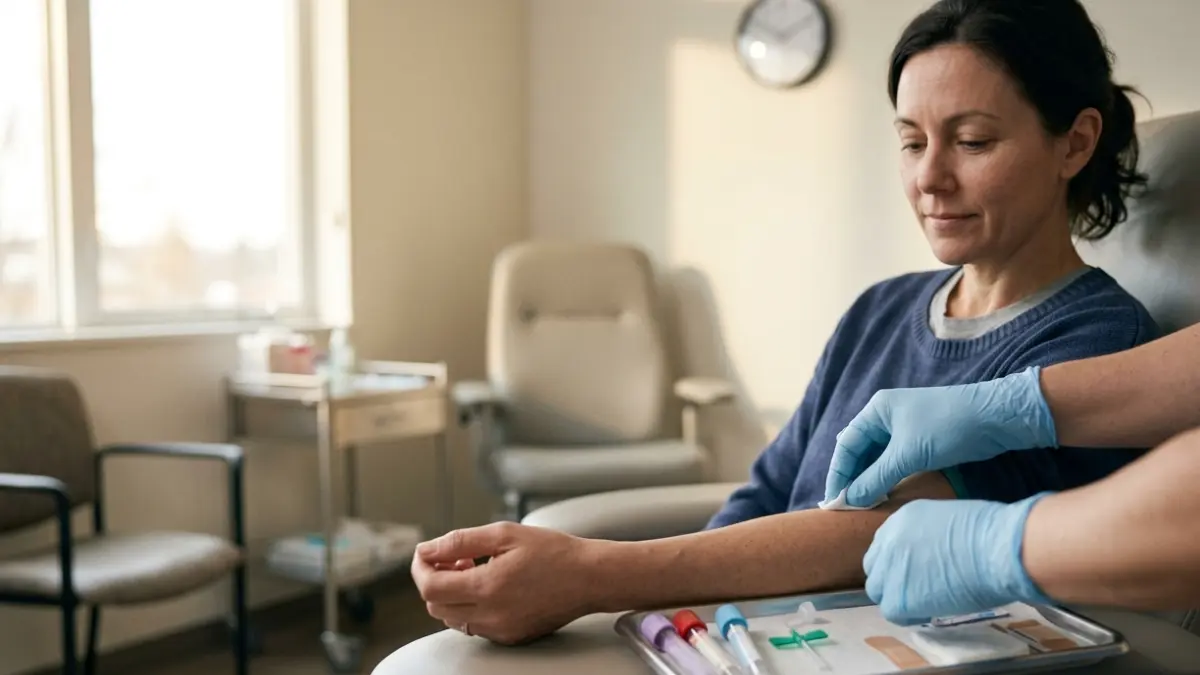
📊 Clinical Data Point: Among 20 women with subclinical hypothyroidism, median TSH was 5.83 mU/L at 8–9 a.m. and 3.79 mU/L at 2–4 p.m. On the same reference interval, roughly half would not have met the diagnostic threshold on the afternoon sample — Source: Sviridonova et al., Endocrine Research, 2013.
How much the timing shift matters
That was a small study, so it argues for controlling timing, not for distrusting an afternoon result. It counts most when your number sits near the cutoff.
What a normal TSH looks like
Roughly 0.4 to 4.8 µU/mL, though ranges vary by laboratory. The TSH levels chart by age puts your number in context.
If you are being retested
Book the same slot as last time, so the two results can be compared. More on when to schedule a TSH test.
Should you take levothyroxine before your blood test?
Your TSH result barely moves with that morning’s tablet. Free T4 does move: the 2012 AACE/ATA hypothyroidism guidelines advise drawing free T4 before the daily dose, because the level rises transiently by up to 20% after L-thyroxine is taken.
🔬 How It Works: Levothyroxine replaces T4, which clears from the body over days, so TSH stays steady across a single morning. The free T4 measurement does not — it peaks a few hours after the tablet.
Why a temporary peak matters
A peak reading can look like over-replacement and prompt a dose cut you did not need.
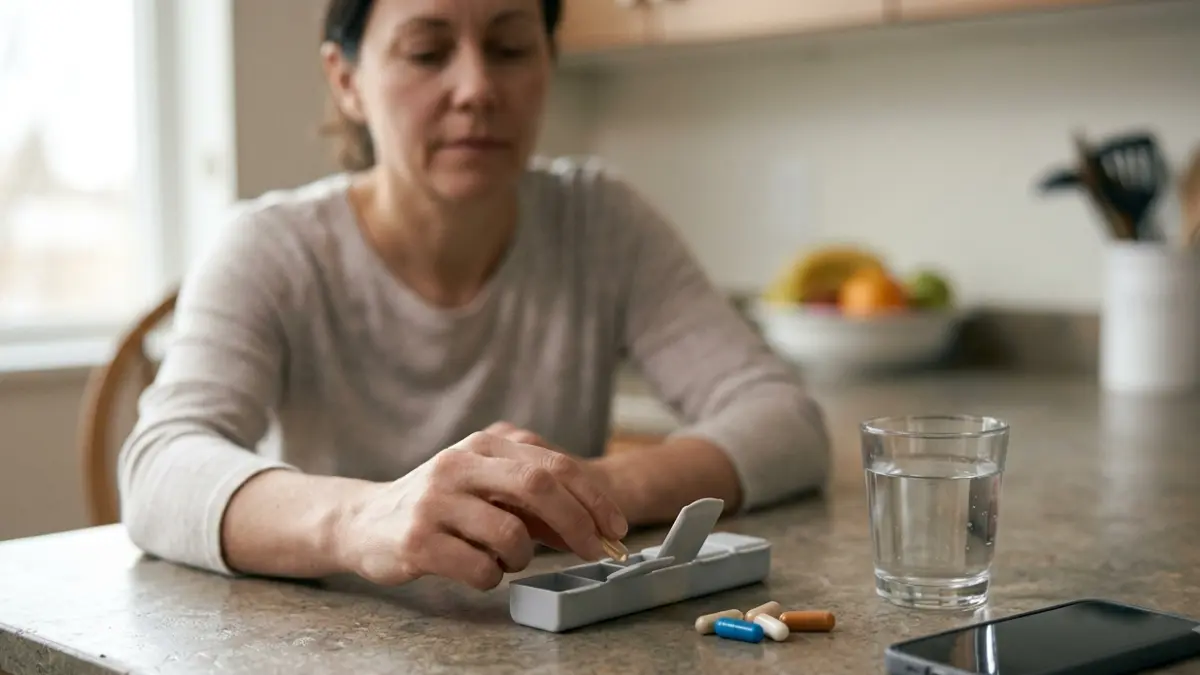
What to ask before you change anything
⚠️ Clinical Warning: Never skip, delay or double a dose because of something you read online. MedlinePlus is explicit that no medicine should be stopped without asking the clinician who prescribed it first.
✅ Patient Action: Take the tablet to the lab, and ask your prescribing clinician or endocrinologist whether they want it taken before or after the draw — and kept consistent from then on.
Biotin supplements can distort your TSH result
Yes, they can, and this is the one preparation mistake that produces a genuinely wrong number rather than a slightly shifted one. MedlinePlus advises telling your provider about biotin before any thyroid function test.
🔬 How It Works: Many TSH assays use biotin in their detection chemistry. Extra biotin in the sample interferes with that step, pushing TSH falsely low and free T4 falsely high — a pattern that can mimic an overactive thyroid.
How much biotin is enough to matter
Adults need about 30 micrograms a day. The NIH Office of Dietary Supplements notes that amounts above the recommended intake can cause false results in hormone tests, including thyroid tests. Hair and nail products are dosed in milligrams.
When to ask about pausing it
The window is assay-specific, so ask the lab running your sample. Our guide to stopping biotin before a thyroid test covers what laboratories typically advise.
Other things that can change a TSH result
Tell whoever draws your blood what you take. MedlinePlus lists amiodarone, dopamine, lithium, potassium iodide, and prednisone or other glucocorticoids among the medicines a provider may briefly pause before testing.
Medicines to mention, not stop
- Glucocorticoids, dopamine, some chemotherapy drugs and opioids such as morphine can lower TSH
- Iodine from the contrast used in imaging scans can affect thyroid results
Illness, pregnancy and recent scans
NIDDK notes that severe illness and corticosteroids can lower T4 levels. Pregnancy carries a different reference range entirely, so raise it before the draw rather than after.
At the lab, and what happens after
Nothing about the appointment itself needs preparation.
What the blood draw is like
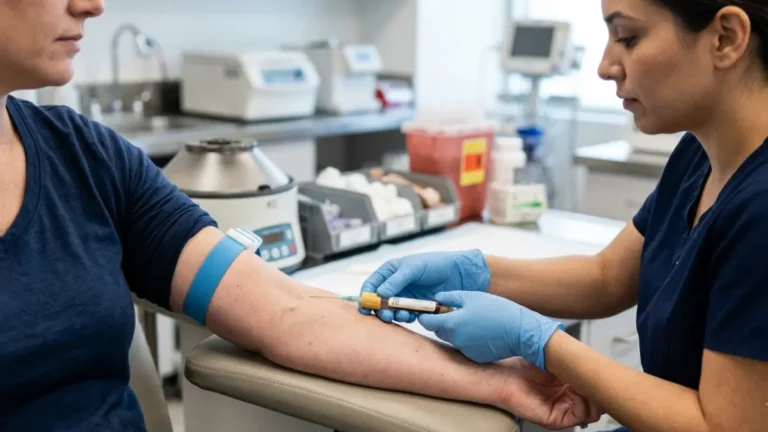
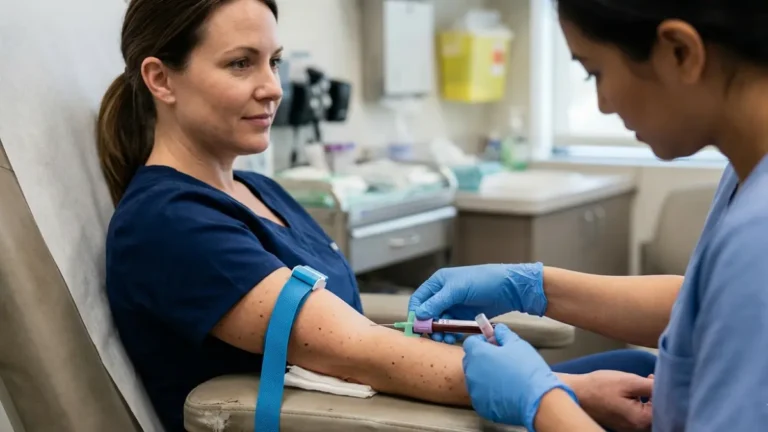
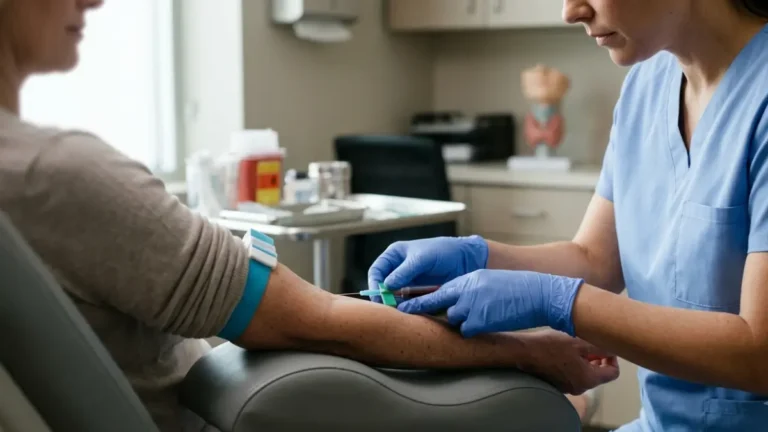
A few minutes, one needle. MedlinePlus lists the risks as minor — some bruising, brief light-headedness, occasionally a second attempt to find a vein.
Why a second test is normal
NIDDK’s overview of thyroid tests is clear that an abnormal TSH needs at least one further test to find the cause. A repeat draw is standard practice, not a bad sign. If yours came back elevated, what a high TSH result means covers the next steps.
✅ Patient Action: Before you leave, ask when results will be posted and who will call you if they are abnormal.
Common questions about preparing for a TSH test
1. Do you need to fast for a TSH test?
No. A standard TSH test does not require fasting, though a lipid or glucose panel booked alongside it might.
2. Can I drink water before a TSH test?
Yes. Water does not affect a TSH test, and it is allowed even when you are fasting for another panel.
3. Can I drink coffee before a TSH blood test?
Coffee is no reason to reschedule a TSH test, though eating and drinking do nudge TSH slightly downward.
4. What time of day is TSH highest?
TSH runs higher in the morning. In one study, median values fell from 5.83 to 3.79 mU/L by afternoon.
5. Should I take levothyroxine before a TSH test?
TSH barely changes either way, but free T4 rises after a dose. Ask your prescribing clinician which they prefer.
6. How long before a thyroid test should I stop biotin?
That depends on the laboratory’s assay, so ask the lab running your sample rather than following a general figure.
7. Does being sick affect thyroid test results?
NIDDK notes severe illness can lower T4 levels, so mention any recent illness to the clinician reading your results.
8. Which medicines can change TSH results?
Amiodarone, dopamine, lithium, potassium iodide and glucocorticoids can. Never stop any of them without asking your prescriber.
9. Does a TSH blood draw hurt?
Briefly. Listed risks are minor: bruising, light-headedness, or occasionally a second attempt to find a vein.
10. What is a normal TSH level?
Roughly 0.4 to 4.8 µU/mL, though laboratories differ and some use a higher upper limit for older adults.
11. Why does my doctor want the TSH test repeated?
An abnormal TSH needs at least one further test to find the cause, so a repeat is routine.
Before your appointment
Four things, then you are done. Do not fast unless another test on the same order requires it. Book the earliest slot you can, and the same slot next time. Tell the lab about every medicine and supplement you take, biotin included. Change none of them on your own. When the result lands, read it against the age-banded chart rather than a single cutoff.
About this content
How this article was put together: researched from recognised health sources, drafted with the help of AI tools, and edited by hand, with sources linked throughout.

Sameer Patel is the founder and editor of My Medicine Advisor. He is not a doctor or medical professional — before starting this site he worked in banking,…
Medical disclaimer
The content on MyMedicineAdvisor is provided for general informational and educational purposes only and is not a substitute for professional medical advice, diagnosis, or treatment. Health information on this website should not be used to diagnose, treat, cure, or prevent any condition without guidance from a qualified healthcare professional. Always seek the advice of your doctor, physician, or another licensed healthcare provider with any questions you may have regarding a medical condition, symptoms, medications, or treatment decisions.