
Gastric Sleeve: $9K-$38K Cost + 80% Cure Rate (2025)
Sarah Martinez, 42, stood at her daughter’s high school graduation in May 2024 weighing 287 pounds with uncontrolled Type 2 diabetes requiring daily insulin injections. Twelve months after gastric sleeve surgery, she weighed 162 pounds and no longer needed diabetes medication. Her transformation mirrors outcomes achieved by thousands of Americans choosing vertical sleeve gastrectomy as their path to lasting health.
What Is Gastric Sleeve Surgery?
Gastric sleeve surgery, medically known as vertical sleeve gastrectomy or sleeve gastrectomy, is a weight loss procedure that permanently removes approximately 80% of the stomach, leaving a narrow tube-shaped organ about the size of a banana. This restrictive procedure costs between $9,000 and $38,000 in the United States depending on location, facility type, and insurance coverage. Clinical studies demonstrate that gastric sleeve achieves Type 2 diabetes remission in 68-81% of patients within five years post-surgery.
The procedure addresses severe obesity affecting over 42% of American adults, a condition linked to life-threatening complications including heart disease, stroke, and certain cancers. Unlike temporary diet interventions, gastric sleeve surgery produces sustained weight loss averaging 50-70% of excess body weight within 18-24 months.
Why Consider Gastric Sleeve in 2025?
Advances in laparoscopic techniques have transformed gastric sleeve into one of the safest bariatric procedures available today. The 30-day mortality risk stands at just 0.1%, comparable to routine gallbladder removal surgery. Patients typically return home within 48 hours and resume normal activities within two weeks.
For individuals with a BMI Calculator result above 40, or above 35 with obesity-related health conditions like diabetes or hypertension, gastric sleeve offers a proven solution when diet and exercise fail to produce lasting results. Insurance coverage through Medicare, Medicaid, and most private carriers makes gastric sleeve cost more accessible than ever for eligible candidates.
The National Institute of Diabetes and Digestive and Kidney Diseases recognizes bariatric surgery as an effective treatment for severe obesity and associated metabolic conditions. Understanding gastric sleeve surgery cost, recovery expectations, and long-term results helps patients make informed decisions about this life-changing procedure.
Calculating your current Body Fat Calculator percentage provides baseline data to track post-surgery progress. Many patients report not just physical transformation but renewed confidence, improved mobility, and freedom from obesity-related medications.
Medical Disclaimer: This article is for educational purposes and does not constitute medical advice. Consult a board-certified bariatric surgeon to determine if gastric sleeve surgery is appropriate for your individual health situation.
Gastric Sleeve Surgery Cost: Complete 2025 Pricing Guide
Understanding gastric sleeve cost represents the first critical step toward surgical weight loss. National averages range from $9,000 to $38,000, with significant variation based on geographic location, facility accreditation, and surgeon experience. Patients who explore comprehensive bariatric surgery cost options often discover multiple pathways to afford this life-changing procedure.
National Cost Range by Procedure Type
Laparoscopic sleeve gastrectomy costs between $15,000 and $25,000 at accredited U.S. hospitals. Endoscopic sleeve gastroplasty, a newer non-surgical alternative, typically ranges from $9,000 to $15,000. Self-pay patients frequently negotiate rates 20-40% below insurance-billed amounts when paying upfront.
| Procedure Type | Average Cost | Hospital Stay | Recovery Time |
|---|---|---|---|
| Laparoscopic Sleeve Gastrectomy | $15,000-$25,000 | 2-3 days | 2-4 weeks |
| Endoscopic Sleeve Gastroplasty | $9,000-$15,000 | Outpatient | 1-2 weeks |
| Revision Sleeve Surgery | $18,000-$32,000 | 2-4 days | 3-6 weeks |
What’s Included in Gastric Sleeve Surgery Cost?
Most quoted gastric sleeve surgery cost includes multiple components that patients should verify before committing. Surgeon professional fees typically account for 25-35% of total expenses. Hospital facility charges, anesthesia services, pre-operative testing (bloodwork, EKG, chest X-ray), and initial post-operative follow-up visits complete the standard package.
Excluded costs often include:
- Extended nutritional counseling beyond 90 days
- Psychological evaluation required by insurers ($200-$500)
- Vitamin supplements and protein shakes ($75-150 monthly)
- Excess skin removal surgery ($5,000-$15,000)
Insurance Coverage: Medicare, Medicaid, and Private Plans
Medicare covers gastric sleeve surgery when performed at accredited centers for beneficiaries with BMI ≥35 and obesity-related comorbidities. Coverage approval typically requires documented failed weight loss attempts, psychological clearance, and nutritional counseling completion. Most Medicare Advantage plans follow identical gastric sleeve insurance guidelines.
Medicaid gastric sleeve coverage varies dramatically by state. Thirty-four states provide comprehensive bariatric surgery benefits in 2025, while sixteen impose strict limitations or exclude coverage entirely. Private insurance approval rates exceed 75% when patients meet medical necessity criteria established by their specific plan.
Self-Pay and Financing Solutions
Patients pursuing gastric sleeve self pay options access multiple financing mechanisms beyond traditional savings. Health Savings Accounts (HSA) and Flexible Spending Accounts (FSA) cover qualified medical expenses including bariatric surgery, pre-tax.
Popular gastric sleeve financing options include:
- Hospital payment plans (12-48 month terms, often interest-free)
- Medical credit cards like CareCredit (promotional periods available)
- Personal medical loans through banks or credit unions
- Employer wellness program subsidies
- Medical tourism to accredited international facilities ($3,995-$9,000)
Regional Cost Variations Across the United States
Geographic location dramatically impacts gastric sleeve surgery cost within America. Metropolitan areas like New York City, Los Angeles, and San Francisco command premium pricing ($25,000-$38,000) due to higher overhead expenses. Midwest and Southern states offer competitive rates ($12,000-$18,000) without compromising surgical quality or accreditation standards.
| Region | Average Cost | Cost Savings vs. National Average |
|---|---|---|
| Northeast | $23,000-$32,000 | +35% above average |
| West Coast | $20,000-$28,000 | +25% above average |
| Midwest | $12,000-$18,000 | 20% below average |
| South | $13,000-$19,000 | 15% below average |
What This Means For You: Calculate your expected weight loss outcome using our Weight Loss Calculator to determine if gastric sleeve investment aligns with your health goals. Most patients achieve full cost recovery within 3-5 years through reduced medication expenses, decreased medical visits, and improved work productivity. Discuss gastric sleeve payment plans with multiple surgeons to compare total package pricing before making your final decision.
How Gastric Sleeve Surgery Works: Procedure to Recovery
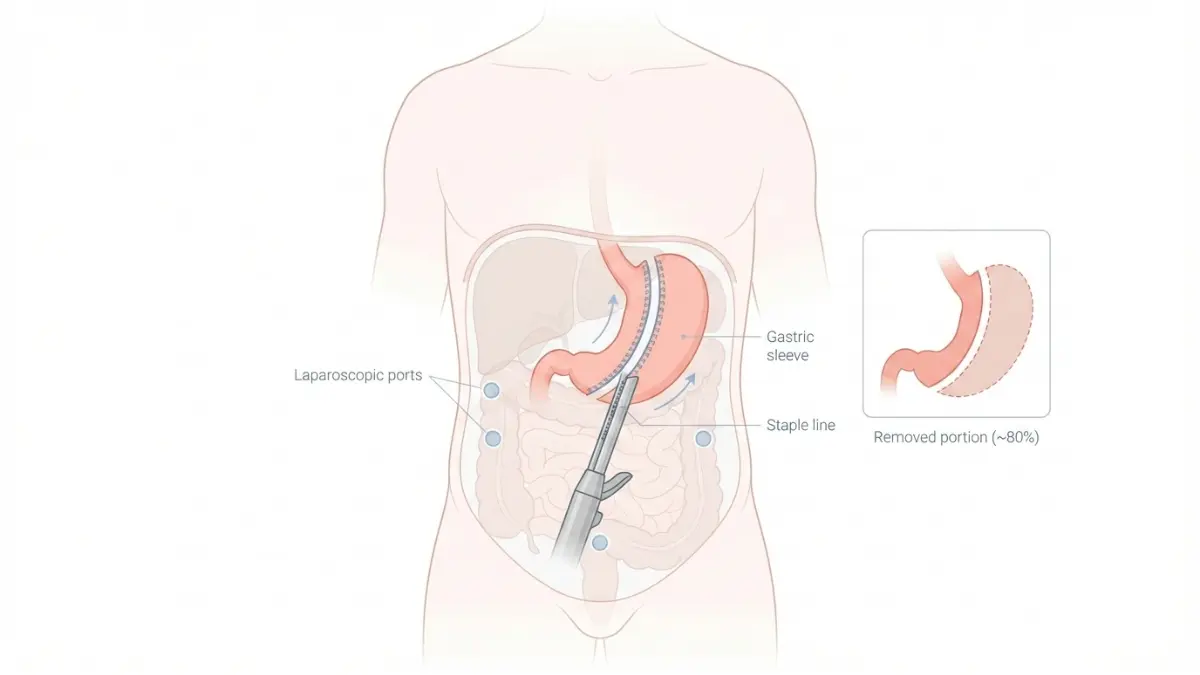
Vertical sleeve gastrectomy permanently reshapes your digestive system through minimally invasive laparoscopic techniques. Surgeons at University of California San Francisco remove approximately 75-85% of the stomach through small incisions, creating a banana-shaped tube that holds significantly less food. The entire gastric sleeve procedure typically requires 60-90 minutes of operating time, marking it as one of the fastest bariatric surgeries available.
Vertical Sleeve Gastrectomy: Step-by-Step
The laparoscopic gastric sleeve begins with general anesthesia to ensure complete comfort throughout the operation. Surgeons make 4-6 small incisions measuring less than one centimeter each across the abdomen. Using specialized surgical staplers, the medical team divides the stomach vertically and removes the larger curved portion permanently.
Key procedural steps include:
- Insertion of laparoscopic camera and instruments through tiny incisions
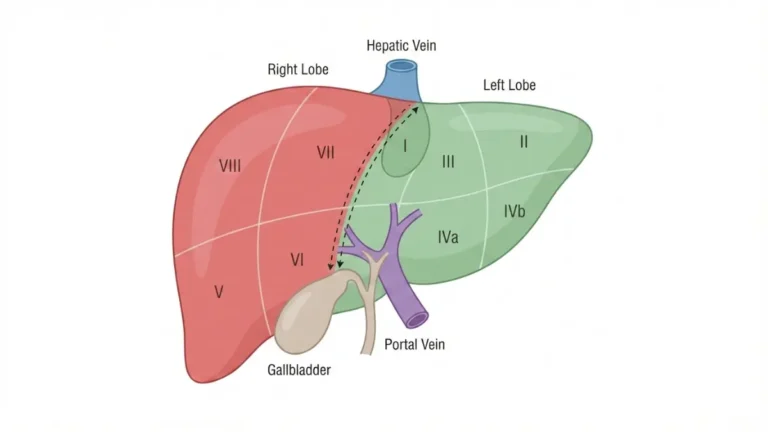
- Liver retraction to expose the stomach clearly
- Vertical stapling from the lower stomach to the esophageal junction
- Removal of approximately 80% of stomach tissue
- Reinforcement of staple line to prevent leaks
- Final inspection and closure of incisions
The removed stomach portion produces ghrelin, the hunger hormone, resulting in dramatically reduced appetite post-surgery. This hormonal change amplifies weight loss beyond simple stomach size reduction, creating dual mechanisms for sustained results.
Gastric Sleeve Recovery Timeline
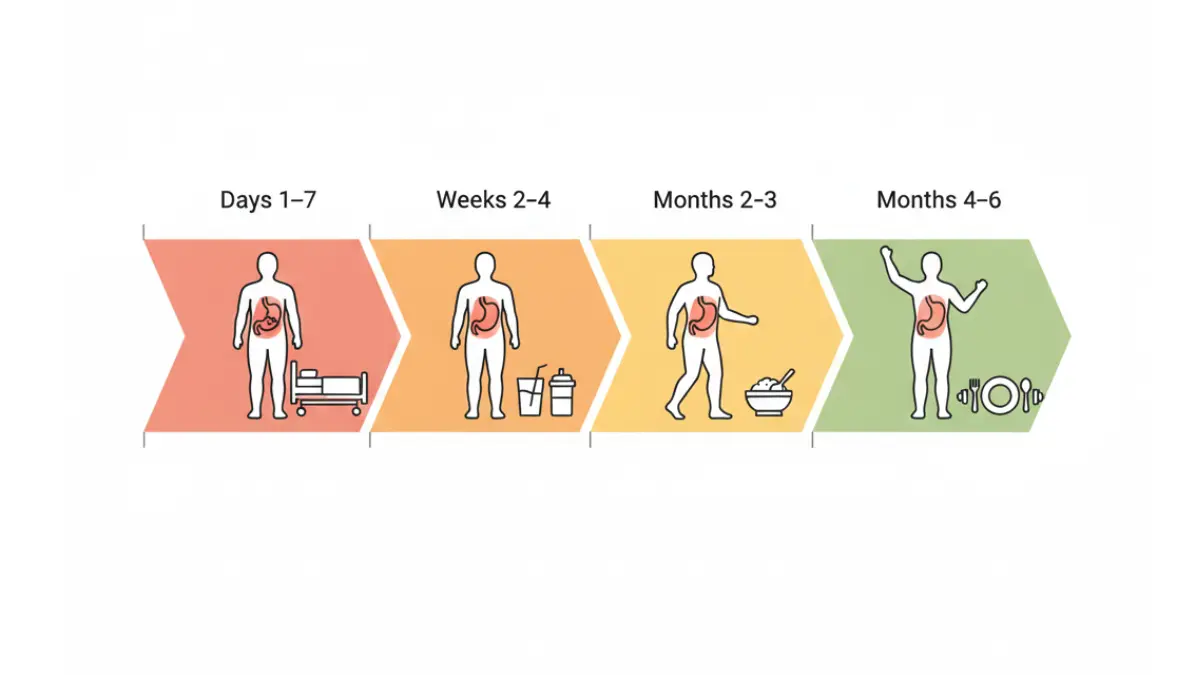
Hospital discharge occurs within 24-48 hours for most sleeve gastrectomy patients. Understanding realistic gastric sleeve recovery expectations helps patients prepare mentally and physically for their transformation journey.
| Recovery Phase | Timeline | Activity Level | Diet Stage |
|---|---|---|---|
| Week 1 | Days 1-7 | Walking only, no lifting | Clear liquids |
| Week 2-3 | Days 8-21 | Light activities, desk work possible | Pureed foods |
| Week 4-6 | Days 22-42 | Moderate exercise, most work duties | Soft foods |
| Week 6+ | Day 43+ | Full activities including strength training | Regular foods |
Most patients return to desk-based employment within 2-3 weeks, while physically demanding jobs require 4-6 weeks clearance. Full surgical healing completes around 6-8 weeks post-procedure, though internal adaptations continue for several months.
Gastric Sleeve Weight Loss Results
Patients achieve remarkable gastric sleeve results when combining surgery with lifestyle modifications. Clinical data from University of Illinois demonstrates 50-70% excess body weight loss within 12-24 months.
Average weight loss milestones include:
- Month 1: 10-20% excess weight loss
- Month 3: 35-45% excess weight loss
- Month 6: 50-60% excess weight loss
- Month 12: 60-70% excess weight loss
- Month 18+: Maintenance phase begins
Real Patient Example: Marcus, 38, entered surgery at 342 pounds with a BMI of 48. Six months post-gastric sleeve, he weighed 242 pounds, representing 62% of his excess weight lost. By month 12, Marcus stabilized at 215 pounds and discontinued his blood pressure medication entirely.
Ten-year follow-up studies reveal impressive durability of gastric sleeve weight loss, with patients maintaining average BMI reductions of 20% and sustained resolution of obesity-related conditions. Research from Northwestern University confirms 55% of patients with Type 2 diabetes maintain complete remission a decade after surgery.
What This Means For You: Track your expected transformation using our Ideal Weight Calculator to set realistic gastric sleeve weight loss goals. Calculate post-surgery protein needs with our Protein Intake Calculator to optimize healing and muscle preservation during rapid weight reduction.
Gastric Sleeve Diabetes Cure: 80% Remission Rate Explained
The most compelling gastric sleeve success rate data centers on Type 2 diabetes remission. A landmark 12-year study published in JAMA reveals that 54% of bariatric surgery patients achieved complete diabetes remission compared to just 4% receiving medication alone. Researchers at Pennington Biomedical Research Center documented that 61% of surgery patients discontinued all diabetes medications within seven years.
Type 2 Diabetes Remission Statistics
Sleeve gastrectomy produces gastric sleeve diabetes cure rates ranging from 63-75% at one year post-surgery, with approximately 55% maintaining remission at the five-year mark. Studies from the University of Pittsburgh confirm that bariatric surgery outperforms medical management for long-term glucose control.
Diabetes remission rates by patient profile:
- Recent diagnosis (<5 years): 71-93% complete remission
- Moderate duration (5-10 years): 47-65% complete remission
- Long-term diabetes (>10 years): 30-45% partial or complete remission
Patients not requiring insulin before surgery achieve dramatically higher gastric sleeve success rate outcomes than those dependent on injections. The Blood Sugar Converter helps track HbA1c improvements throughout your diabetes reversal journey.
How Gastric Sleeve Reverses Diabetes
The mechanism behind gastric sleeve diabetes cure extends beyond simple weight loss. Research from Cornell University demonstrates diabetes remission begins within days after surgery, well before significant weight reduction occurs. Vertical sleeve gastrectomy alters gut hormone production, specifically increasing GLP-1 secretion while reducing ghrelin levels.
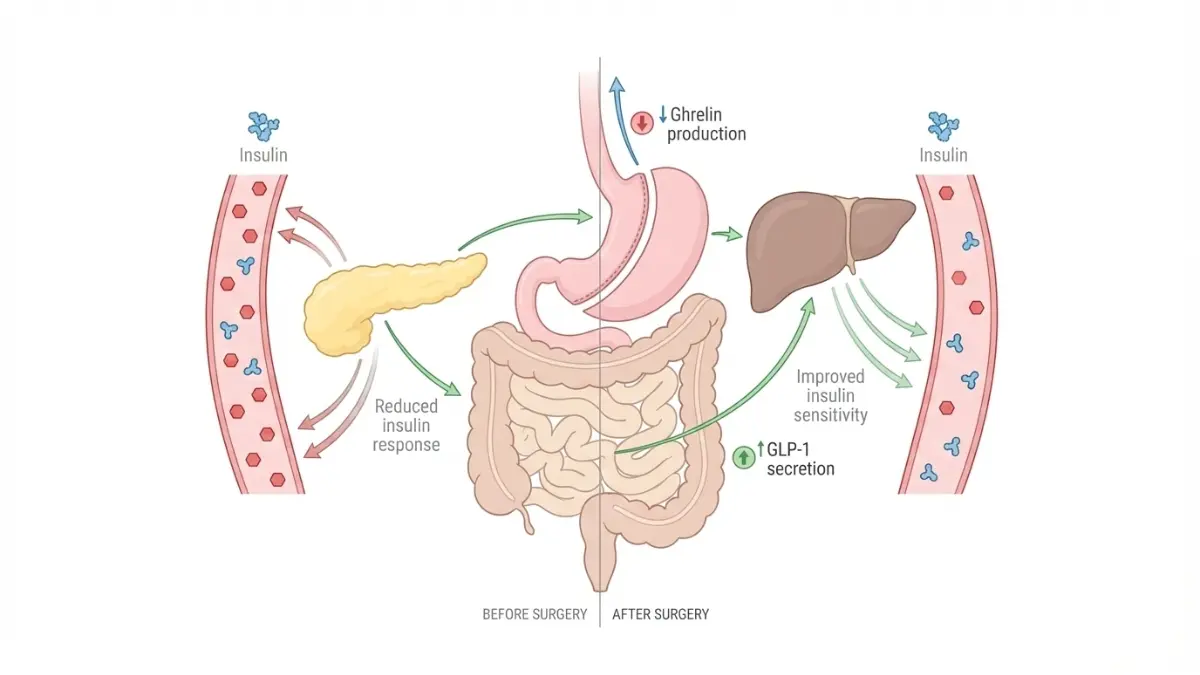
Metabolic changes include:
- Enhanced insulin sensitivity within 72 hours post-surgery
- Improved beta-cell function independent of weight loss
- Reduced hepatic glucose production
- Altered bile acid metabolism affecting glucose regulation
Additional Health Conditions Resolved
Beyond diabetes cure, gastric sleeve delivers comprehensive health transformations affecting multiple obesity-related conditions simultaneously. Sleep apnea resolution occurs in 55-65% of patients within five years, with average apnea-hypopnea index dropping from 27.8 to 8.8 events per hour. Cardiovascular event risk decreases by 42% following bariatric surgery in sleep apnea patients.
| Condition | Resolution Rate | Timeframe |
|---|---|---|
| Type 2 Diabetes | 63-75% | 1-2 years |
| Hypertension | 60-70% | 6-12 months |
| Sleep Apnea | 55-65% | 2-5 years |
| High Cholesterol | 60-65% | 6-18 months |
| Fatty Liver Disease | 70-80% | 1-2 years |
| Joint Pain/Mobility | 75-85% | 3-12 months |
Metabolic syndrome indicators—a cluster of conditions increasing heart disease and stroke risk—improve substantially post-gastric sleeve. The metabolic syndrome affects 34% of Americans, making surgical intervention increasingly relevant for qualifying candidates.
Real Patient Story: Judge Parker underwent gastric sleeve in December 2008 weighing 306 pounds with insulin-dependent diabetes and sleep apnea. By his 12-year follow-up, Parker maintained 195 pounds, achieved complete diabetes remission without medications, and recorded an HbA1c of 5.6%—entirely normal. His transformation eliminated sleep apnea and normalized blood pressure without pharmaceutical intervention.
What This Means For You: Gastric sleeve offers legitimate disease reversal potential, not merely symptom management. Meeting gastric sleeve BMI requirements represents the first step toward pharmaceutical-free living for many chronic disease patients.
Am I Eligible? Requirements, Risks, and Safety Profile
Understanding gastric sleeve eligibility begins with medical guidelines established by professional bariatric societies. Most candidates qualify through straightforward BMI thresholds combined with obesity-related health conditions. Transparent discussion of gastric sleeve complications helps patients make informed surgical decisions based on realistic risk assessment.
Gastric Sleeve Eligibility Requirements
Standard gastric sleeve BMI requirements specify qualification at BMI 35 or higher regardless of other health problems. Patients with BMI between 30-34.9 may qualify when diagnosed with metabolic conditions including Type 2 diabetes, hypertension, sleep apnea, or fatty liver disease. These 2022 guidelines from the American Society for Metabolic and Bariatric Surgery represent significant expansion from older criteria requiring BMI 40+.
Primary qualification pathways include:
- BMI ≥35 without comorbidities (most common qualification)
- BMI 30-34.9 with metabolic disease (diabetes, hypertension, metabolic syndrome)
- BMI ≥27.5 for Asian populations (adjusted for higher metabolic risk)
- Age 18-65 years (some surgeons operate outside these ranges)
- Documented weight loss attempts through diet and exercise
Additional requirements extend beyond numbers. Comprehensive pre-operative evaluation includes psychological assessment, nutritional counseling completion, smoking cessation verification, and clearance from primary care physicians confirming patients can tolerate general anesthesia safely.
Gastric Sleeve Complications and Risks
The most serious gastric sleeve complications involve staple line integrity. Leak rates occur in 1-2.4% of procedures, with 90% of leaks developing at the esophagogastric junction near the top of the stomach. When leaks occur, treatment typically involves endoscopic stenting achieving healing in approximately 90% of cases within five weeks.
Early complication rates (within 30 days):
- Staple line leak: 1.0-2.4%
- Post-operative bleeding: 1.3-2.0%
- Blood clots (DVT/PE): 0.3-0.5%
- Infection: 0.5-1.0%
- 30-day mortality: 0.08-0.1%
Post-operative bleeding complications occur in up to 2% of cases and may require transfusion or reoperation. The lengthy staple line along the stomach’s lesser curvature makes gastric sleeve more bleeding-prone than other procedures. Tachycardia and falling hemoglobin levels signal bleeding requiring immediate medical attention.
Gastric Sleeve vs Gastric Bypass Safety
Comparative safety data favors sleeve gastrectomy over gastric bypass for most patients. A large insurance claims analysis revealed that gastric sleeve patients experienced fewer complications (6.6% vs 9.6%) and required fewer re-interventions (9.9% vs 15.6%) within two years compared to bypass patients. Total healthcare costs averaged $7,322 lower for sleeve procedures.
| Safety Factor | Gastric Sleeve | Gastric Bypass |
|---|---|---|
| 2-Year Complication Rate | 6.6% | 9.6% |
| Re-intervention Rate | 9.9% | 15.6% |
| Nutrient Malabsorption Risk | Lower | Higher |
| GERD Worsening | 15-30% | Improves GERD |
| Dumping Syndrome | Rare | Common (30-40%) |
| Revision Surgery (2 years) | 0.6% | 0.4% |
However, gastric sleeve carries unique long-term risks. New or worsening gastroesophageal reflux disease affects 15-30% of patients, occasionally requiring conversion to gastric bypass. Gastric bypass remains preferable for patients with severe pre-existing GERD.
Who Should NOT Get Gastric Sleeve?
Absolute contraindications disqualify certain candidates regardless of BMI. Active substance abuse, untreated psychiatric disorders, current pregnancy, and unstable medical conditions require resolution before surgery consideration. Severe GERD patients should explore gastric bypass instead due to reflux worsening risks.
Additional disqualifying factors include:
- Active tobacco use (quit required 6-12 weeks pre-op)
- Inability to commit to lifelong dietary changes
- Lack of family/social support system
- Unrealistic weight loss expectations
- Certain autoimmune disorders in active phases
- Pregnancy plans within 18 months post-surgery
Age alone rarely disqualifies candidates. Surgeons successfully perform gastric sleeve on carefully selected adolescents as young as 14 and older adults into their 70s when medical conditions warrant intervention. The gastric sleeve vs gastric bypass decision considers individual patient anatomy, medical history, lifestyle factors, and long-term goals beyond simple BMI calculations.
What This Means For You: Honest self-assessment of commitment level matters more than marginal BMI variations. Gastric sleeve demands permanent lifestyle transformation, not quick-fix mentality. Realistic expectations combined with appropriate candidacy maximize success probability while minimizing gastric sleeve risks.
Diet, Lifestyle & Long-Term Success
Gastric Sleeve Diet: Nutrition Plan for Maximum Results
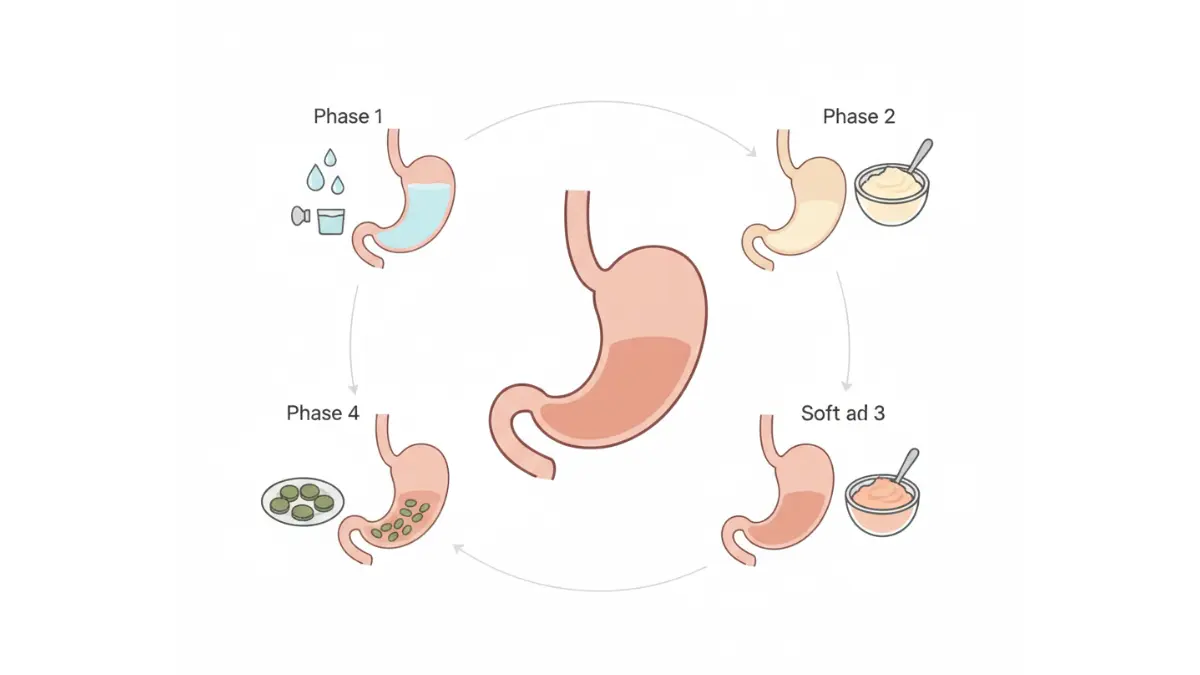
Long-term gastric sleeve success hinges on permanent dietary transformation, not temporary restriction compliance. The gastric sleeve diet progresses through four distinct phases over 6-8 weeks, each designed to protect healing tissue while establishing lifelong eating patterns. Understanding proper nutrition timing, protein prioritization, and hydration strategies separates patients achieving sustained weight loss from those experiencing regain.
Four Phases of Post-Surgery Diet
Phase 1 (Days 1-7): Clear Liquids Only
Immediately following gastric sleeve surgery, patients consume exclusively clear liquids including water, sugar-free gelatin, and broth. Most experience minimal hunger due to dramatically reduced ghrelin production. This phase protects the surgical staple line during initial healing.
Phase 2 (Days 8-14): Protein-Rich Liquids
Patients transition to thicker liquids incorporating sugar-free protein shakes providing 15-30g protein per serving. The Protein Intake Calculator helps determine individual daily requirements. Acceptable foods include thin cream soups without chunks, sugar-free nonfat yogurt, and thinned oatmeal. Carbonation and high-sugar beverages remain prohibited.
Phase 3 (Days 15-28): Pureed/Soft Foods
Soft, pureed foods resembling smooth applesauce texture become permissible. All items require thorough blending with water, skim milk, or broth. Patients must chew solid-textured foods at least 25 times before swallowing. This phase introduces eggs, cottage cheese, canned tuna, soft fish, and well-cooked vegetables.
Phase 4 (Week 5+): Regular Solid Foods
Gradual reintroduction of solid foods emphasizes lean proteins, non-starchy vegetables, and limited whole grains. The Macro Calculator ensures balanced macronutrient distribution supporting continued weight loss. Fibrous vegetables, tough meats, and bread products may cause discomfort initially.
Essential Nutrition Requirements
Oregon Health & Science University nutritional guidelines specify 60-80g daily protein intake for optimal healing and muscle preservation. Research published in bariatric nutrition journals reveals 40-85% of gastric sleeve patients fail to meet minimum protein targets during the first year post-surgery. Protein deficiency triggers muscle loss, infection susceptibility, and hair thinning.
Daily nutritional targets include:
- Protein: 60-80g minimum (1.5g per kg ideal body weight)
- Fluids: 64+ ounces water daily (use Water Intake Calculator)
- Vitamins: Bariatric-specific multivitamin, calcium citrate, vitamin D3, B12
- Meals: 3-6 small meals spaced throughout day
- Sugars: Less than 14g per meal/snack
- Fats: Less than 10g per meal/snack
Hydration requires particular attention. Patients must separate fluid intake from meals by 30 minutes before and after eating to prevent premature stomach fullness and optimize nutrient absorption. The University of Illinois Hospital bariatric program emphasizes carrying water bottles everywhere to maintain consistent hydration between meals.
Preventing Weight Regain: Long-Term Success Strategies
Gastric sleeve long-term results reveal concerning patterns: 20-30% of patients experience significant weight regain between years 2-5 post-surgery. Weight regain stems from both behavioral factors (dietary non-compliance, sedentary lifestyle) and anatomical changes (stomach pouch stretching).
Evidence-based regain prevention tactics:
- Always eat protein-rich foods first at every meal
- Use smaller plates and baby utensils to slow eating pace
- Practice mindful eating for 20-30 minutes per meal
- Avoid calorie-dense liquids (milkshakes, smoothies, alcohol)
- Attend support groups and follow-up appointments consistently
- Track food intake using apps or journals
- Exercise 150+ minutes weekly (cardiovascular and resistance training)
The Ideal Weight Calculator establishes realistic target weights, while the Weight Loss Calculator projects sustainable loss rates. Patients who combine surgical intervention with comprehensive lifestyle modifications maintain 50-70% excess weight loss at 10+ years.
Foods to Permanently Avoid
Certain foods compromise gastric sleeve outcomes regardless of timeline post-surgery. Carbonated beverages stretch the stomach pouch and should remain eliminated lifelong. High-sugar foods trigger dumping syndrome in some patients, causing nausea, sweating, and diarrhea. Tough, fibrous foods like steak, raw vegetables, and stringy fruits (pineapple, citrus pith) frequently cause discomfort or blockages.
Real Patient Experience: Lisa M. underwent gastric sleeve in 2018 weighing 287 pounds with BMI 46. Following strict protein-first eating patterns, attending monthly support groups, and exercising 5 days weekly, she reached 162 pounds by month 18—exceeding her goal weight. Five years later, Lisa maintains 168 pounds by treating bariatric nutrition guidelines as permanent lifestyle rather than temporary diet.
What This Means For You: Gastric sleeve provides powerful metabolic advantage, but dietary discipline determines whether results last 2 years or 20 years. Patients viewing surgery as lifestyle reset—not quick fix—achieve superior gastric sleeve long-term results. The commitment extends beyond operating room to daily food choices, hydration habits, and movement patterns establishing sustainable health transformation.
Frequently Asked Questions about Gastric Sleeve Surgery
1. How long does gastric sleeve surgery take?
The surgical procedure typically takes 60-90 minutes to complete under general anesthesia using laparoscopic techniques.
2. When can I return to work after gastric sleeve?
Most patients with desk jobs return to work within 1-2 weeks, while those with physically demanding jobs may need 4-6 weeks recovery time.
3. What is the minimum age for gastric sleeve surgery?
The minimum age is typically 18 years, though adolescents as young as 13-14 may qualify in exceptional cases with severe obesity and serious health complications.
4. Is there a maximum age limit for gastric sleeve?
While most surgeons prefer patients under 70 years old, healthy older adults in their 70s can undergo the procedure after comprehensive medical evaluation.
5. Can your stomach stretch back out after gastric sleeve?
Yes, the stomach can stretch over months or years through consistent overeating, but following proper portion guidelines prevents significant expansion.
6. How much weight will I lose in the first month?
Most patients lose 15-25 pounds (approximately 10-15% of total body weight) during the first month post-surgery.
7. Will I need to take vitamins forever after gastric sleeve?
Yes, lifelong daily supplementation with bariatric-specific multivitamins, calcium citrate, vitamin D3, and B12 is medically necessary.
8. Can I drink alcohol after gastric sleeve surgery?
Alcohol should be avoided for at least 6-12 months post-surgery, and even afterward should be consumed minimally due to increased absorption and empty calories.
9. What happens if I get pregnant after gastric sleeve?
Pregnancy is safe but should be delayed 18-24 months post-surgery to allow weight stabilization and nutritional optimization for fetal development.
10. Does insurance cover gastric sleeve surgery?
Most insurance plans cover gastric sleeve when medically necessary (BMI ≥35 with comorbidities or BMI ≥40), though specific requirements vary by provider.
11. Can gastric sleeve be reversed if needed?
No, gastric sleeve is a permanent, irreversible procedure since approximately 80% of the stomach is surgically removed and cannot be reattached.
About this content
How this article was put together: researched from recognised health sources, drafted with the help of AI tools, and edited by hand, with sources linked throughout.

Sameer Patel is the founder and editor of My Medicine Advisor. He is not a doctor or medical professional — before starting this site he worked in banking,…
Medical disclaimer
The content on MyMedicineAdvisor is provided for general informational and educational purposes only and is not a substitute for professional medical advice, diagnosis, or treatment. Health information on this website should not be used to diagnose, treat, cure, or prevent any condition without guidance from a qualified healthcare professional. Always seek the advice of your doctor, physician, or another licensed healthcare provider with any questions you may have regarding a medical condition, symptoms, medications, or treatment decisions.