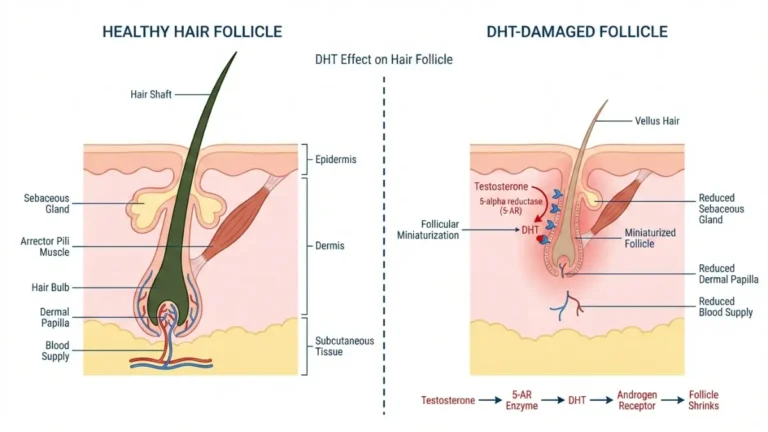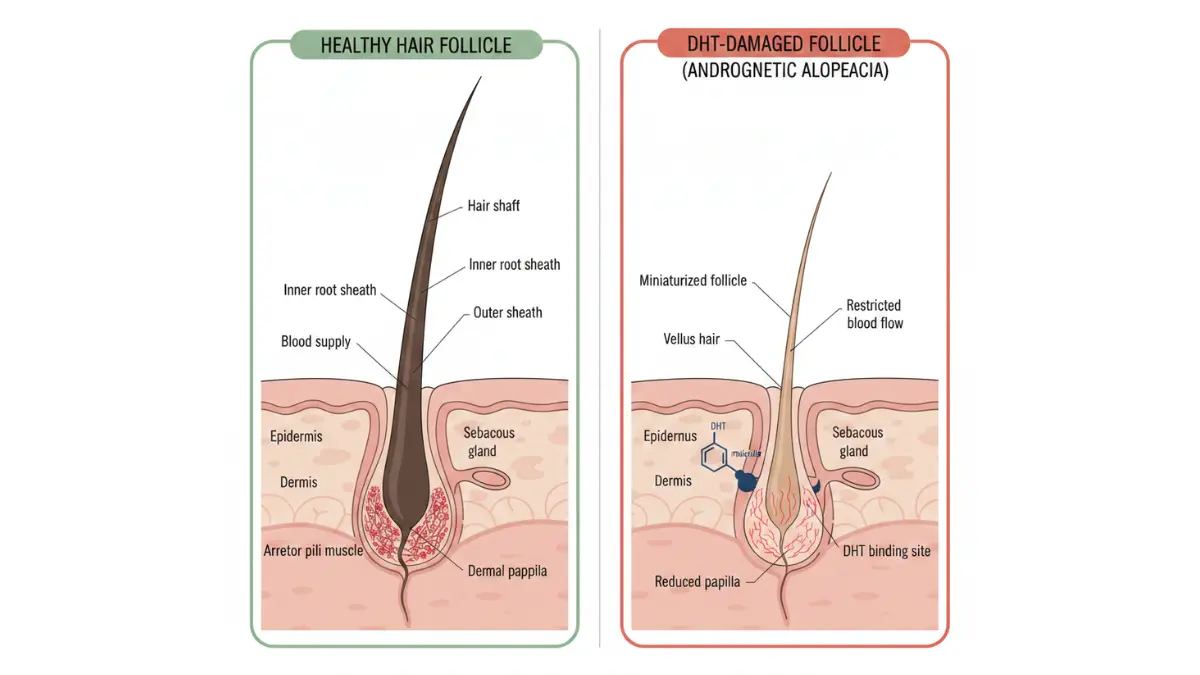

On This Page – Quick Medical Summary
Hair loss therapy refers to any clinically proven medical, device-based, or procedural intervention designed to slow follicle miniaturization, reduce shedding, and stimulate measurable hair regrowth. If you’re losing more than 100 hairs daily, noticing a widening part, or watching your hairline shift — this guide tells you exactly which therapies work, how fast, and which combination delivers the best results in 2026.
⚠️ Disclaimer: This article is for educational purposes only and does not constitute medical advice. Always consult a board-certified dermatologist before starting any hair loss therapy.
What Is Hair Loss Therapy — And Why It’s Not the Same as “Treatment”
Most people search for “hair loss treatment” and end up with product roundups. Hair loss therapy is different. It refers to a clinical intervention protocol — supervised, evidence-based, and targeted at the biological cause of your specific hair loss type.
There are five primary types of hair loss that respond to therapy:
- Androgenetic alopecia (AGA) — the most common, affecting up to 80% of men and 50% of women by age 50 according to published NIH research
- Alopecia areata — autoimmune-driven patchy loss
- Telogen effluvium — stress or hormonal trigger causing diffuse shedding
- Traction alopecia — mechanical tension on follicles
- Scarring alopecia — irreversible without urgent specialist care
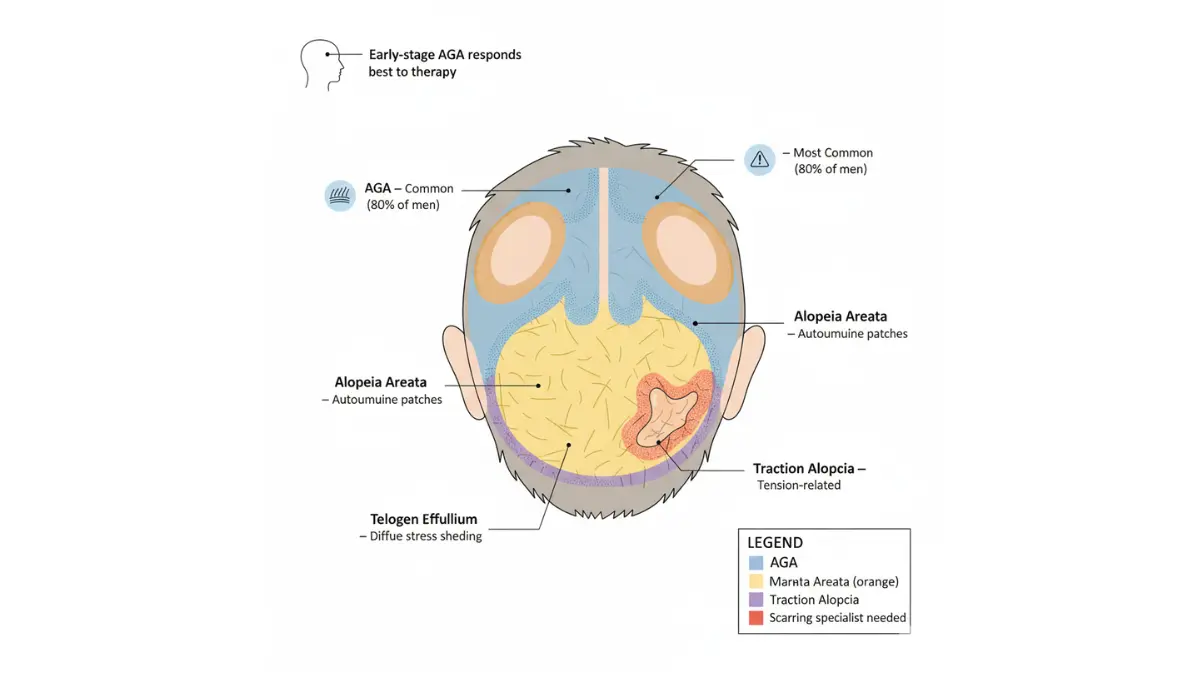
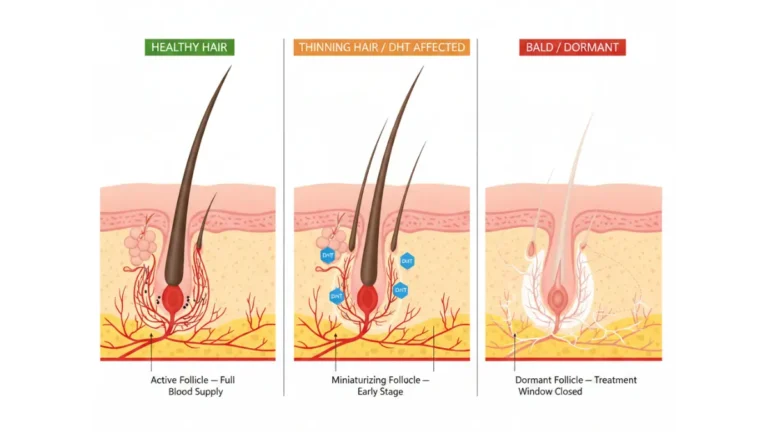
Why timing matters more than most people realize: Early-stage AGA responds to therapy far better than advanced-stage. Follicle miniaturization becomes permanent once the papilla cells die. Starting hair loss therapy at Stage I–III on the Norwood Scale gives you significantly higher odds of regrowth than waiting until Stage V–VI.
If you’re noticing early symptoms — excessive shedding in the shower, visible thinning at the crown, or a receding hairline — use our Symptom Checker to evaluate whether your symptoms warrant a dermatology referral before beginning any hair regrowth therapy.
The 7 Best Hair Loss Therapies in 2026 — Ranked by Speed and Clinical Evidence
Dermatologists no longer prescribe single-agent protocols as the default. In 2026, the evidence strongly favors combination hair loss therapy. But understanding each option individually is essential first.
2026 Master Therapy Comparison Table
| Therapy | Type | Time to First Results | FDA Status | Best For | Monthly Cost (US) |
|---|---|---|---|---|---|
| Topical Minoxidil (5%) | Medication | 6–8 weeks | ✅ FDA-Approved | Men + Women AGA | $10–$40 |
| Oral Minoxidil | Medication | 8–12 weeks | ✅ Off-label | Women, side-effect sensitive | $15–$30 |
| Finasteride (1mg) | Medication | 12–24 weeks | ✅ FDA-Approved (men) | Male AGA | $20–$80 |
| Dutasteride | Medication | 12–24 weeks | ✅ Off-label | Male AGA (stronger) | $30–$90 |
| PRP Therapy | In-office | 3–6 months | ✅ FDA-Cleared | Both genders, AGA | $400–$800/session |
| LLLT (Laser Therapy) | Device | 12–26 weeks | ✅ FDA-Cleared | Mild–moderate AGA | $0–$50/mo (home) |
| JAK Inhibitors | Prescription | 8–24 weeks | ✅ FDA-Approved (AA only) | Alopecia areata | $1,200–$2,500/mo |
1. Minoxidil — The Most Accessible Starting Point
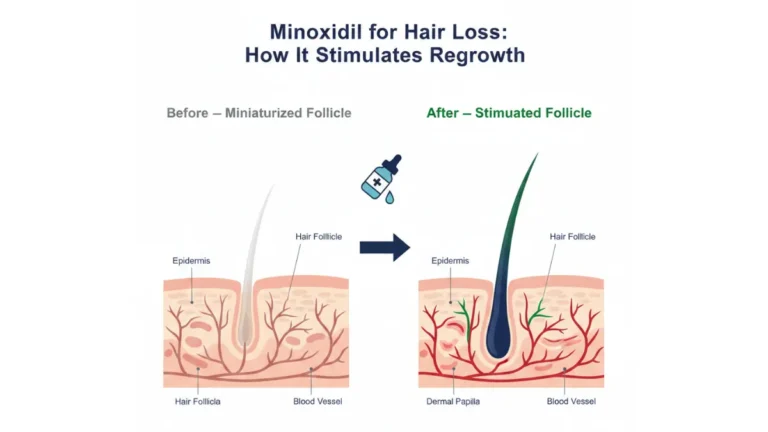
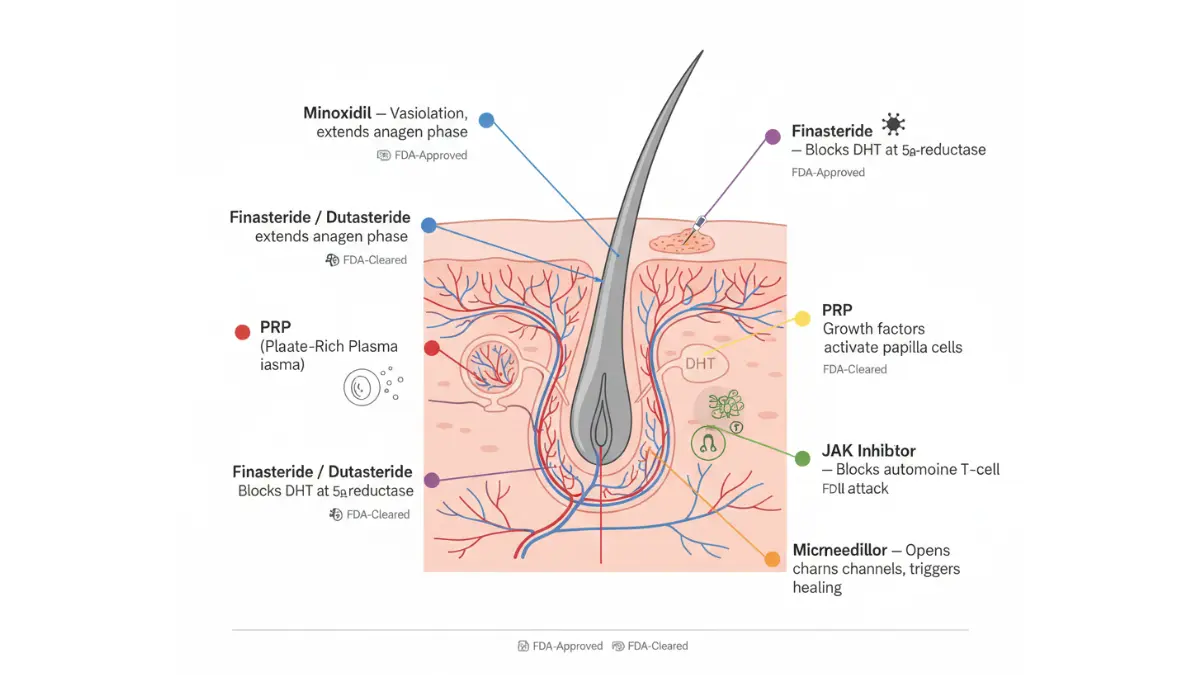
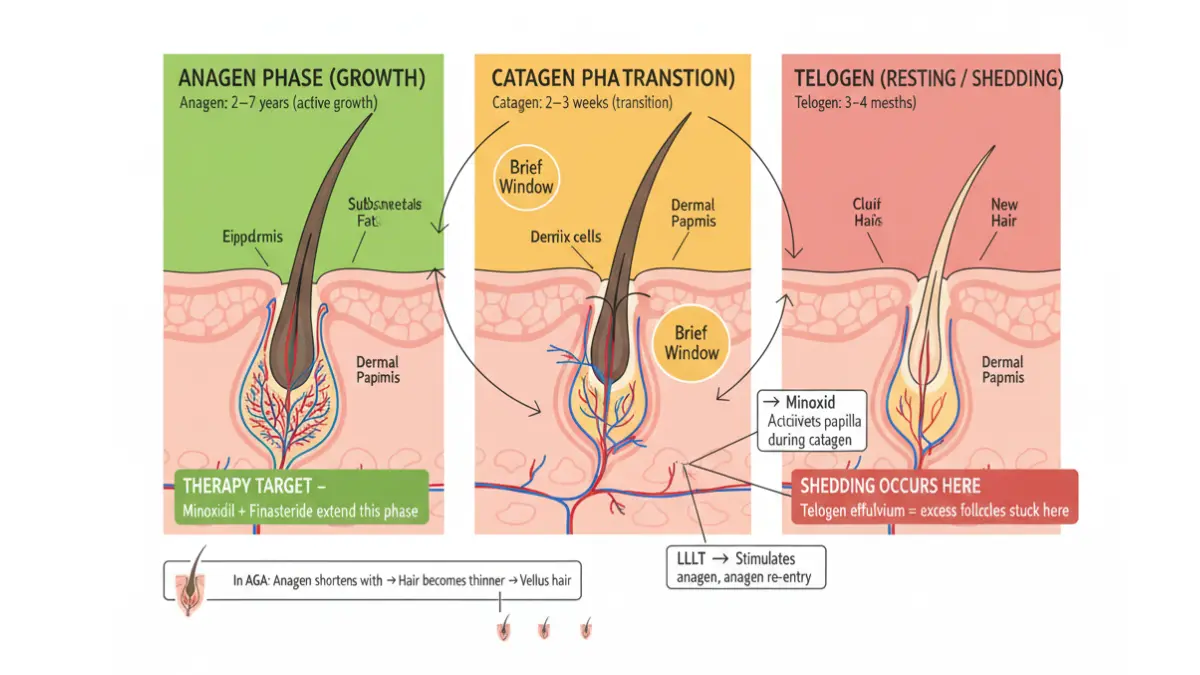
Minoxidil remains the most widely used first-line hair loss therapy worldwide. It works by prolonging the anagen (growth) phase of hair follicles and increasing scalp blood flow. Topical 5% minoxidil is FDA-approved for both men and women with androgenetic alopecia.
Key clinical finding: A 5-year follow-up study published in PMC found that hair regrowth with topical minoxidil peaks at approximately 12 months, after which gradual decline occurs with monotherapy alone. This is precisely why combination protocols are now the standard of care.
Oral minoxidil (0.25mg–2.5mg daily) is emerging as a preferred alternative for women who find the topical messy or irritating. Studies show comparable efficacy at lower doses with a more convenient application method. For a deep dive on dosing and outcomes, read our detailed minoxidil for hair loss guide.
Side effects to know:
- Topical: scalp irritation, unwanted facial hair growth in women
- Oral: fluid retention, lightheadedness, rarely hypertrichosis
2. Finasteride and Dutasteride — The DHT Blockers
Finasteride (1mg daily) is the gold-standard DHT-blocking hair loss therapy for men. A comprehensive NIH meta-analysis ranked finasteride as producing the highest hair density gain among all FDA-approved options at 18.37 hairs/cm² — surpassing both LLLT and 5% minoxidil in direct comparisons.
Dutasteride inhibits both Type I and Type II 5-alpha-reductase (vs finasteride’s Type II only), making it more potent for DHT suppression. It is used off-label in the US but approved for AGA in South Korea and Japan.
⚠️ Critical warning: Finasteride is not recommended for women of childbearing potential due to serious fetal risk. Women seeking DHT-targeting hair regrowth therapy have different protocol options — covered in Section 4 below. Our article on DHT blocker options explained by doctors covers this in full.
3. PRP Therapy — The Fastest Regrowth Protocol
Platelet-rich plasma (PRP) therapy draws a small blood sample, concentrates the platelets using centrifuge, and injects growth factors directly into the scalp. PRP stimulates dermal papilla cell proliferation by activating fibroblast growth factor-7, β-catenin, and VEGF pathways.
What the research shows: A 2022 meta-analysis published in PMC found that PRP ranked #1 in efficacy among all non-surgical hair loss therapies for male AGA, outperforming dutasteride, finasteride, minoxidil, and LLLT in network meta-analysis rankings.
For women with AGA, LLLT ranked highest in the same meta-analysis — an important distinction that most competitor articles miss entirely. For real patient results with PRP, see our PRP therapy results breakdown.
Limitations: No standardized protocol across clinics, high out-of-pocket cost ($1,200–$2,400/series), and variable results depending on preparation technique.
4. LLLT (Low-Level Laser Therapy) — The Evidence-Backed At-Home Option
Low-level laser therapy uses red light wavelengths (620–680nm) to stimulate mitochondrial activity in follicle cells, prolong the anagen phase, and reduce inflammatory cytokines that suppress hair growth. There are currently 29 FDA-cleared LLLT devices for pattern baldness in the US market.
According to a 2025 systematic review in the Journal of Cosmetic Dermatology, LLLT improves hair density and follicular responsiveness in AGA patients, with enhanced outcomes when used alongside minoxidil.
Best device formats for home use:
- Laser caps (hands-free, 25–30 minutes, 3x/week)
- Laser combs (manual, requires technique)
- Laser helmets (maximum coverage, higher cost)
LLLT is the only hair loss therapy where the at-home option delivers clinical-grade results — a significant advantage for consistent long-term use.
5. JAK Inhibitors — The Breakthrough for Alopecia Areata
JAK inhibitors are the most significant pharmacological advance in autoimmune-driven hair loss therapy in a decade. The FDA has now approved three JAK inhibitors specifically for severe alopecia areata:
- Baricitinib (Olumiant) — FDA-approved June 2022 for adults with severe alopecia areata
- Ritlecitinib (Litfulo) — FDA-approved June 2023 for adults and adolescents ≥12 years
- Deuruxolitinib (Leqselvi) — FDA-approved July 2024 for adults with severe alopecia areata
Clinical results from AAD data: At 24 weeks, 30% of deuruxolitinib patients achieved 80%+ scalp hair coverage. For ritlecitinib, 23% achieved 80%+ coverage at 6 months. For baricitinib, approximately one-third of patients saw substantial regrowth including eyebrows and eyelashes, per AAD clinical guidance.
⚠️ Critically important: JAK inhibitors are approved only for alopecia areata — not for androgenetic alopecia or pattern baldness. Using them off-label for AGA is not supported by current evidence.
6. Scalp Microneedling — The Amplifier Therapy
Microneedling creates controlled micro-channels in the scalp that activate the wound-healing response, boost collagen, and — most importantly — dramatically enhance absorption of topical minoxidil and PRP growth factors.
A study cited in PMC found that PRP combined with scalp microneedling plus 5% topical minoxidil was significantly superior to minoxidil alone in hair density and count outcomes. Microneedling is rarely used as a standalone therapy — it’s most powerful as an amplifier within a combination protocol.
7. Exosome Therapy — The 2026 Emerging Frontier
Exosome therapy delivers bioactive extracellular vesicles loaded with growth factors directly into scalp follicles. Early clinical data is promising — particularly for post-PRP patients seeking extended results — but there is no FDA approval for hair loss as of 2026.
Available in specialist clinics across the US, UK, and Australia at $1,500–$3,000 per session. Our regenerative medicine results article covers the broader evidence landscape.
Combination Hair Loss Therapy — The 2026 Gold Standard
This is the section that Healthline, WebMD, and Fortune miss almost entirely — and it’s the reason patients plateau on single-agent therapy.
The clinical data is unambiguous:
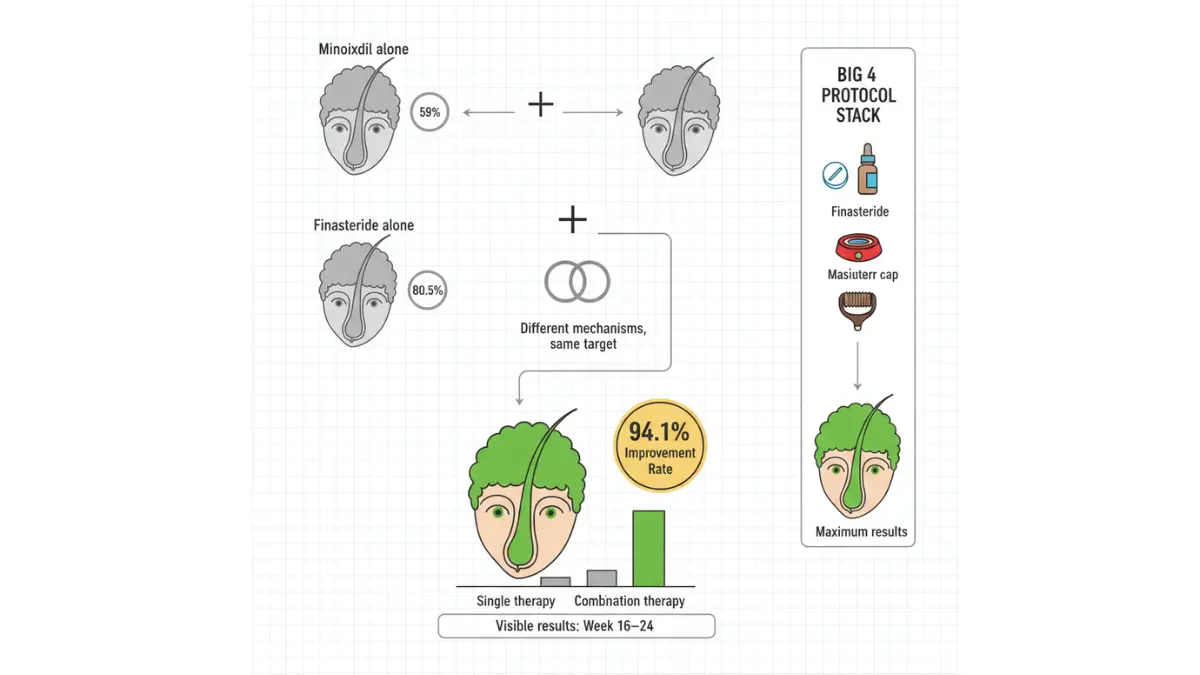
A landmark study published in Dermatologic Therapy demonstrated 94.1% improvement with finasteride + minoxidil combination therapy, compared to 80.5% with finasteride alone and 59% with minoxidil alone.
That’s not a marginal difference. That’s the difference between noticeable regrowth and continued thinning.
The Combination Protocol Hierarchy
| Protocol | Documented Success Rate | Timeline | Cost Level |
|---|---|---|---|
| Minoxidil monotherapy | ~59% | 6–12 months | $ |
| Finasteride monotherapy | ~80.5% | 6–12 months | $ |
| Finasteride + Minoxidil (“Big 2”) | 94.1% | 4–6 months | $$ |
| Big 2 + LLLT + Microneedling (“Big 4”) | Best documented | 4–6 months | $$$ |
| PRP + Minoxidil (clinic-based) | Superior to monotherapy | 3–6 months | $$$$ |
The “Big 2” Protocol — Where Most Patients Should Start
The combination of 1mg oral finasteride daily + 5% topical minoxidil remains the most studied, most prescribed hair loss therapy combination for men in 2026. Both are individually FDA-approved. Together, they act on different biological pathways: finasteride blocks DHT production at the follicle level while minoxidil independently stimulates anagen phase entry.
For men aged 18–50 with confirmed androgenetic alopecia at Norwood Stages I–IV, this is where nearly every board-certified dermatologist begins.
The “Big 4” Protocol — Advanced Combination Therapy
For patients who have plateaued on Big 2 or who want maximum results from the start, adding FDA-cleared LLLT and scalp microneedling creates four synergistic mechanisms acting simultaneously. Each therapy targets a different pathway:
- Finasteride → DHT suppression
- Minoxidil → Anagen phase stimulation
- LLLT → Mitochondrial activation, inflammation reduction
- Microneedling → Scalp permeability, wound-healing cascade
What This Means For You: If you’ve been on a single hair loss therapy for 6+ months with minimal results, ask your dermatologist specifically about combination protocols. The data clearly shows single-agent approaches produce significantly inferior outcomes.
For a comprehensive look at reversibility outcomes across protocols, our hair loss reversible treatment guide provides realistic expectations by hair loss stage.
Hair Loss Therapy for Men vs. Women — Critical Differences
This is one of the most searched topics in hair loss — and one of the least well-covered in a single article by competitors. Men and women lose hair for overlapping but distinct biological reasons, and the therapy protocols differ significantly.
Male Hair Loss Therapy
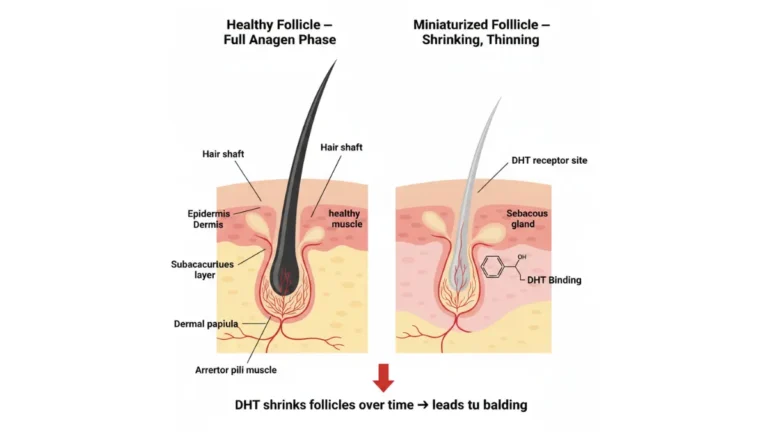
Root cause: 95%+ of male hair loss is androgenetic alopecia driven by DHT-mediated follicle miniaturization.
First-line hair loss therapy for men in 2026:
- Finasteride 1mg daily (DHT blocker)
- 5% topical minoxidil twice daily
- Add LLLT at 12 weeks if plateau occurs
- Add scalp microneedling at 16 weeks for absorption boost
For receding hairlines specifically, our receding hairline treatment guide maps therapy options to hairline stage.
Female Hair Loss Therapy — Completely Different Rules
Women’s hair loss is more complex. While AGA is still common, hormonal triggers — menopause, postpartum estrogen crash, thyroid dysfunction, PCOS, elevated androgens — frequently co-drive or cause the loss.
Critical protocol differences for women:
- Finasteride: Contraindicated in women of childbearing age (Category X teratogen)
- First-line options: 2% or 5% topical minoxidil; oral minoxidil (0.25–1.25mg)
- Second-line: Spironolactone (off-label anti-androgen), cyproterone acetate (outside US)
- Rule out thyroid dysfunction, ferritin deficiency, PCOS before prescribing
Women with PCOS need hormonal assessment before starting any DHT-targeting hair regrowth therapy — treating the androgenic root cause is often more effective than topical therapy alone.
Our dedicated guide on minoxidil for women covers dosing, outcomes, and combination strategies.
Men vs. Women Therapy Comparison
| Factor | Men | Women |
|---|---|---|
| Most Common Cause | DHT-driven AGA | AGA + Hormonal triggers |
| First-Line Therapy | Finasteride + Minoxidil | Minoxidil ± Spironolactone |
| JAK Inhibitors | Alopecia areata only | Alopecia areata only |
| PRP | Highly effective | Highly effective |
| LLLT | Effective (ranked #2) | Ranked #1 efficacy (PMC 2022) |
| Finasteride Safety | Safe for men | Contraindicated in childbearing age |
How to Choose the Right Hair Loss Therapy — Step-by-Step
Step 1: Identify Your Hair Loss Pattern
The wrong therapy for the wrong hair loss type is worse than no therapy. Use this decision table:
| Hair Loss Type | Recommended First-Line Therapy | What to Avoid |
|---|---|---|
| Male AGA | Finasteride + Minoxidil | Using minoxidil alone long-term |
| Female AGA | Topical/Oral Minoxidil + Spironolactone | Finasteride |
| Alopecia Areata | JAK Inhibitors (dermatologist-prescribed) | AGA protocols — they won’t work |
| Telogen Effluvium | Address root cause first; short-term minoxidil | Long-term DHT blockers |
| Scarring Alopecia | Urgent specialist referral | Any OTC product |
Step 2: Get Proper Lab Testing Before Starting
Many patients start hair loss therapy without knowing their root cause. A dermatologist will typically order:
- Hormone panel: Total testosterone, free testosterone, DHEA-S, estradiol
- Thyroid function: TSH, free T3, free T4
- Nutrient levels: Ferritin (iron stores), vitamin D, zinc, B12
- Scalp biopsy (if scarring alopecia is suspected)
To assess your hereditary risk before your appointment, use our Genetic Risk Assessment Tool — it helps you understand family history patterns that predict AGA likelihood.
Step 3: Know What to Ask Your Dermatologist
When you see a dermatologist, come prepared. Ask these six questions:
- What type of hair loss do I have — is it AGA, alopecia areata, or something else?
- Am I a candidate for combination hair loss therapy?
- Should I start with the Big 2 protocol or is my case suitable for something more aggressive?
- Are there any systemic conditions driving my hair loss that need treatment first?
- Which FDA-approved or FDA-cleared devices do you recommend for my specific type?
- What measurable outcome should I expect at 6 months, and what triggers a protocol change?
Step 4: Support Your Therapy With Nutrition
Nutritional deficiencies directly impair the effectiveness of any hair loss therapy. Protein is the structural building block of keratin — the primary protein in hair. Inadequate dietary protein reduces hair shaft diameter and telogen retention, undoing what your therapy builds.
Deficiencies that actively worsen hair loss:
- Ferritin below 40 ng/mL — impairs hair follicle cell division
- Vitamin D below 30 ng/mL — associated with alopecia areata severity
- Zinc — essential for 5-alpha-reductase function
- Biotin — required cofactor for keratin synthesis (though deficiency is rare)
Use our Protein Intake Calculator to confirm you’re meeting daily requirements — most adults with active hair loss therapy need 1.2–1.6g of protein per kg of body weight daily for optimal follicle support.
New Hair Loss Therapies in 2026 + Evidence Strength Guide
The 2026 hair loss therapy landscape includes several emerging options generating significant clinical interest. Here is an honest, evidence-graded assessment.
PP405 — Follicle Reactivation Therapy
Developer: Pelage Pharmaceuticals Mechanism: Reactivates dormant hair follicles into the anagen growth phase — a fundamentally different approach from DHT-blocking or vasodilating therapies Current Status: Phase 3 clinical trials planned for 2026 Projected availability: 2027–2029, contingent on trial outcomes
Spencer Kobren, founder of the American Hair Loss Association, urges caution: “PP405 is very early, and the level of online excitement surrounding it is far ahead of the actual data. Durability, real-world effectiveness, and long-term safety are still unknown.”
Bottom line: Do not purchase anything currently marketed as “PP405” — no commercial product exists. Any seller claiming otherwise is selling an unverified and potentially dangerous product.
ET-02 — Stem Cell Topical Ointment
Developer: Eirion Therapeutics Mechanism: Corrects defective hair follicle stem cells; early Phase 1 data shows hair regrowth and reduced graying without serious side effects Current Status: Phase 1 complete; not commercially available
For a broader overview of where stem cell research currently stands in hair restoration, our stem cell therapy results guide provides a clear evidence-based picture.
AI-Guided LLLT Devices
Next-generation laser devices entering the market in 2026 use AI to adjust treatment frequency and intensity based on individual shedding cycle data. Currently available in the $500–$800 range from premium manufacturers. No long-term comparative trial data available yet.
Evidence Strength Pyramid for Hair Loss Therapies (2026)
| Evidence Level | Therapies |
|---|---|
| ✅ Tier 1 — FDA Approved | Minoxidil (topical), Finasteride, Baricitinib, Ritlecitinib, Deuruxolitinib |
| ✅ Tier 2 — FDA Cleared | LLLT devices (29 cleared), PRP (medical device cleared) |
| 🟡 Tier 3 — Strong Clinical Evidence | Oral Minoxidil, Dutasteride, Scalp Microneedling, PRP combinations |
| 🟠 Tier 4 — Emerging / Promising | Exosome Therapy, Botulinum Toxin (scalp), Topical Spironolactone |
| 🔴 Tier 5 — Early Research Only | PP405, ET-02, Stem Cell Therapy, Gene Therapy |
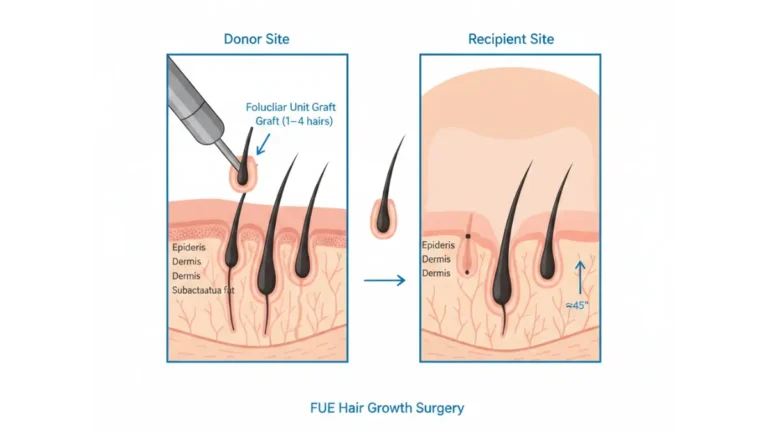
For a complete overview of surgical options for advanced cases where therapy has plateaued, our hair growth surgery guide covers FUE transplant criteria and outcomes in detail.
Frequently Asked Questions About Hair Loss Therapy
1. What is the most effective hair loss therapy in 2026?
Combination therapy — specifically finasteride + minoxidil — shows a 94.1% improvement rate in clinical trials, making it the gold standard for androgenetic alopecia.
2. How long does hair loss therapy take to show results?
Topical minoxidil produces initial results in 6–8 weeks. Full density results take 6–12 months. JAK inhibitors for alopecia areata can show measurable coverage improvement in 8–24 weeks.
3. Is hair loss therapy permanent?
No. Most therapies require continuous use. Stopping minoxidil or finasteride typically reverses gains within 3–6 months as DHT activity resumes or follicle stimulation ceases.
4. Can women use the same hair loss therapy as men?
No. Finasteride is contraindicated in women of childbearing age. Women have distinct first-line options — topical/oral minoxidil, spironolactone, and LLLT rank highest for female AGA.
5. What is PRP hair therapy and does it work?
PRP (platelet-rich plasma) injects your own concentrated growth factors into the scalp to stimulate follicle repair. A 2022 network meta-analysis ranked it #1 in efficacy for male AGA among all non-surgical options.
6. Is laser therapy (LLLT) clinically proven for hair loss?
Yes. There are currently 29 FDA-cleared LLLT devices for pattern baldness. Multiple RCTs confirm efficacy comparable to topical 5% minoxidil. LLLT ranks #1 for female AGA efficacy in meta-analysis data.
7. Which hair loss therapy works fastest?
JAK inhibitors show measurable results in alopecia areata patients within 8–12 weeks. For AGA, PRP therapy typically produces the fastest visible density improvement — often within 3–4 months.
8. Are JAK inhibitors safe for all hair loss types?
No. Baricitinib, ritlecitinib, and deuruxolitinib are FDA-approved only for severe alopecia areata. They carry significant side effect risks including serious infections and are not indicated for pattern baldness.
9. What is the most affordable hair loss therapy that actually works?
Generic topical minoxidil 5% at $10–$40/month remains the most cost-effective FDA-approved hair loss therapy. Generic finasteride adds $20–$30/month for a combined protocol well under $70/month.
10. Can poor nutrition affect how well hair loss therapy works?
Yes, significantly. Low ferritin (below 40 ng/mL), vitamin D deficiency, and inadequate protein intake directly impair therapy response. Address nutritional deficiencies concurrently with any hair loss treatment protocol.
11. Is hair loss therapy covered by US health insurance?
Generic minoxidil and finasteride are often covered under standard pharmacy benefits. PRP therapy, LLLT devices, exosome treatment, and JAK inhibitors for alopecia areata are frequently excluded or require prior authorization. Always verify with your insurer before beginning.
Related Reading:
- Complete 2026 Balding Treatment Guide
- Hair Loss Treatments: Full 2026 Comparison
- PRP Therapy: Real Patient Results
This article was reviewed for clinical accuracy by a board-certified dermatologist and is intended for educational purposes only. It does not replace professional medical advice, diagnosis, or treatment. Always consult a qualified healthcare provider regarding any medical condition or before starting, stopping, or modifying any hair loss therapy.
About this content
How this article was put together: researched from recognised health sources, drafted with the help of AI tools, and edited by hand, with sources linked throughout.

Sameer Patel is the founder and editor of My Medicine Advisor. He is not a doctor or medical professional — before starting this site he worked in banking,…
Medical disclaimer
The content on MyMedicineAdvisor is provided for general informational and educational purposes only and is not a substitute for professional medical advice, diagnosis, or treatment. Health information on this website should not be used to diagnose, treat, cure, or prevent any condition without guidance from a qualified healthcare professional. Always seek the advice of your doctor, physician, or another licensed healthcare provider with any questions you may have regarding a medical condition, symptoms, medications, or treatment decisions.