How to Choose Between Cologuard and a Colonoscopy
Cologuard vs. colonoscopy isn't only about accuracy — it's about what each test can do. One removes precancerous polyps; the other only detects them.

Cologuard vs. colonoscopy isn't only about accuracy — it's about what each test can do. One removes precancerous polyps; the other only detects them.
Colonoscopy after 75 isn't automatic: major guidelines screen ages 76–85 selectively, weighing your health and 10-year outlook over your age alone.
Colon cancer symptoms are easy to dismiss—yet it's now the top cause of cancer death in U.S. adults under 50. Here's when to act.
Colonoscopy with no symptoms? For average-risk adults, screening starts at 45—because colon cancer grows silently long before you'd ever feel it.
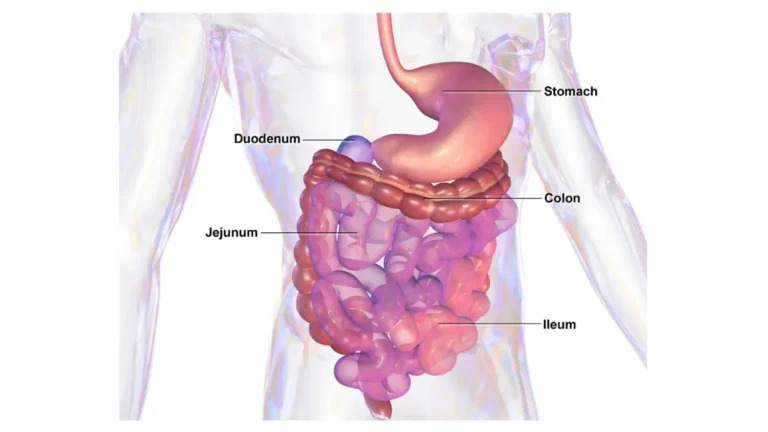
The colonoscopy age dropped to 45 for a reason that should get attention: colorectal cancer is now the leading cause of cancer death in US adults under 50.
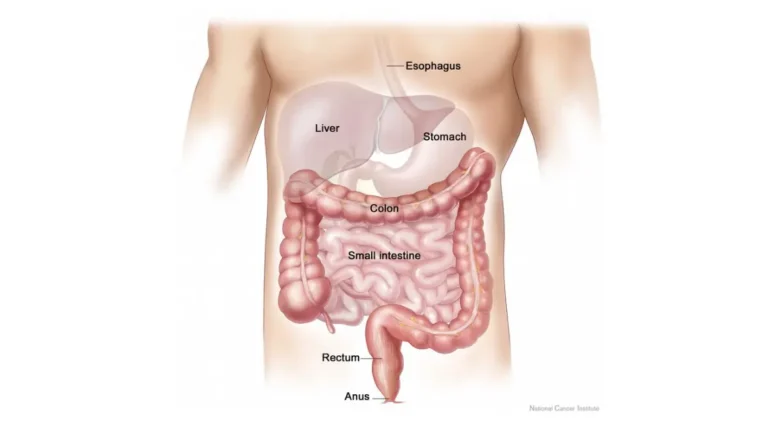
How often you need a colonoscopy isn't always every 10 years—that rule applies only at average risk with a normal result. Polyps change it.
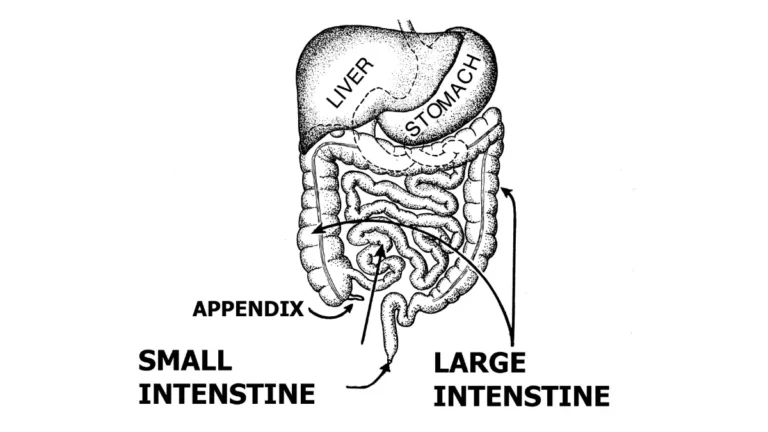
Your colonoscopy pathology report names your polyps and grades any dysplasia. See what each finding means and when to scope again.

Colon polyps are common and usually benign—but type matters. Here's how adenomas, serrated lesions, and hyperplastic polyps differ in cancer risk.

Your colonoscopy results, decoded: a normal exam typically points to a 10-year recheck, while found polyps usually mean closer follow-up, not cancer.

Colonoscopy complications are rare—major bleeding affects about 2.4 in 1,000—but knowing normal spotting from a true warning sign matters most.
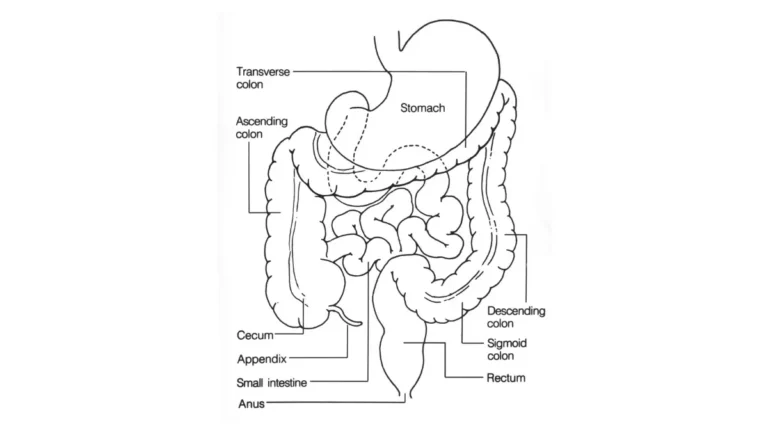
Colonoscopy side effects are usually mild and fade within a day, but bleeding can appear up to two weeks after a polyp removal. Here's what to watch for.