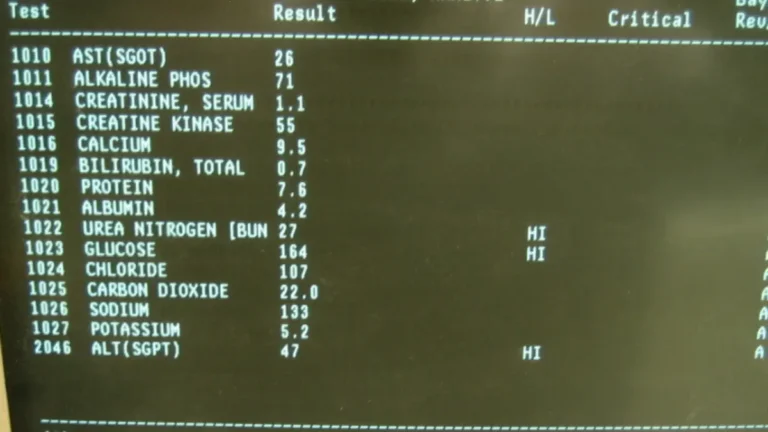
How to Prepare for a CMP Test the Right Way
Getting ready for a CMP test? Most labs want an 8–12 hour fast and plain water only—here's what to skip and why coffee has to wait.


Sameer Patel is the founder and editor of My Medicine Advisor. He is not a doctor or medical professional — before starting this site he worked in banking, and he now researches and edits health information full-time.
He started My Medicine Advisor to make clear, well-sourced health information freely available to anyone. Every article is researched from recognised authorities such as the WHO, CDC, NIH, and NICE, drafted with the help of AI tools, and edited by hand, with sources linked so readers can check them. The calculators on the site use established, published formulas, each one named so you can look it up yourself.
My Medicine Advisor is currently a one-person operation with no clinical review panel, and the site is open about that. If you're a qualified clinician or researcher interested in reviewing content, Sameer would genuinely like to hear from you via the contact page.
Getting ready for a CMP test? Most labs want an 8–12 hour fast and plain water only—here's what to skip and why coffee has to wait.
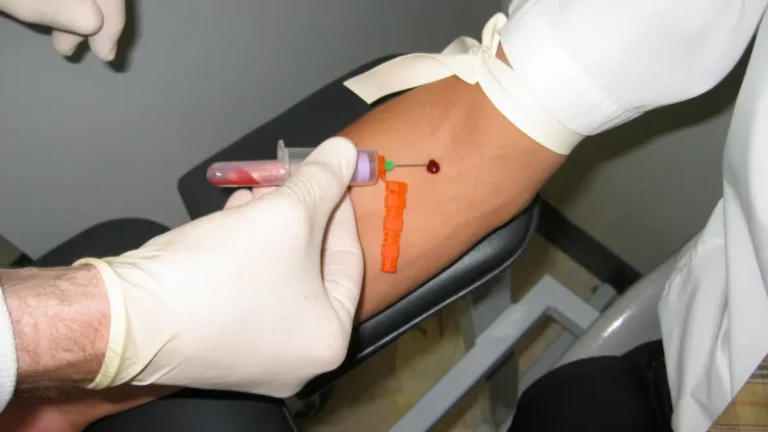
Fasting for a CMP usually means 8 to 12 hours without food, mainly to protect your glucose reading. Here's when it's required—and when it's not.
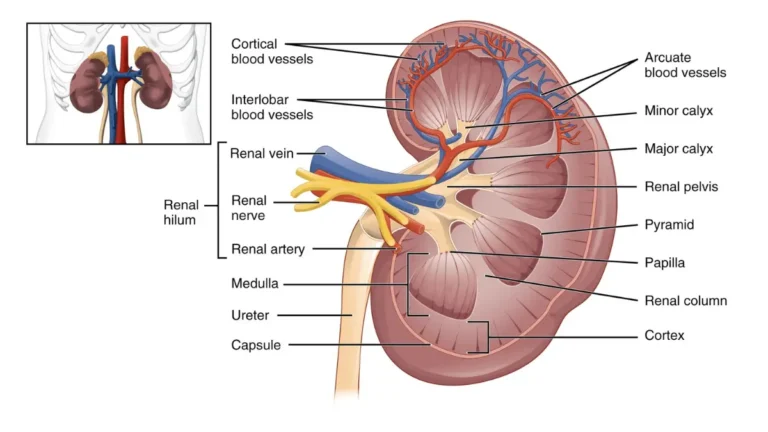
CMP components fall into four groups—blood sugar, kidneys, liver, and electrolytes. Here's what all 14 values mean and why your lab's ranges may differ.
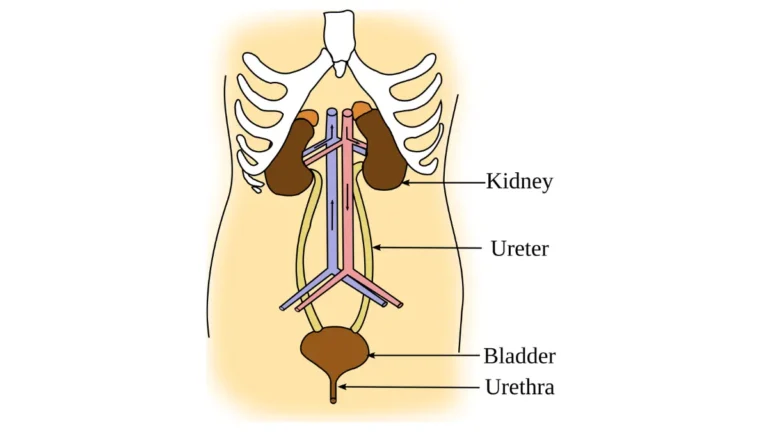
Your comprehensive metabolic panel measures 14 substances. See what each result means when it runs high or low — and what to ask your provider.
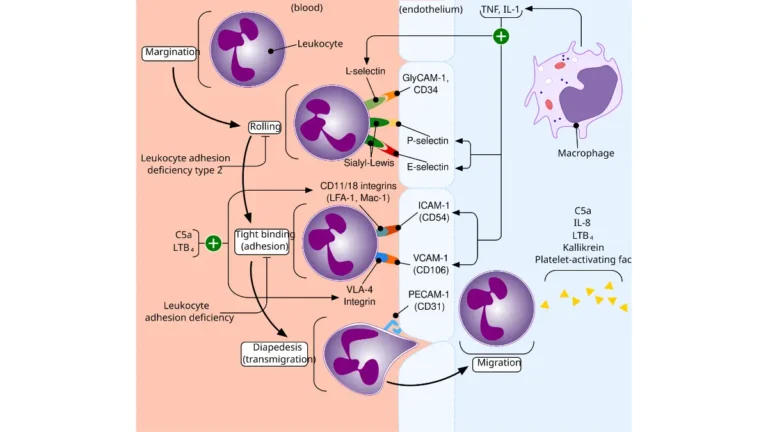
An abnormal CBC is rarely an emergency—but a neutrophil count under 500 with fever is one. Here's how to tell an urgent result from a harmless flag.
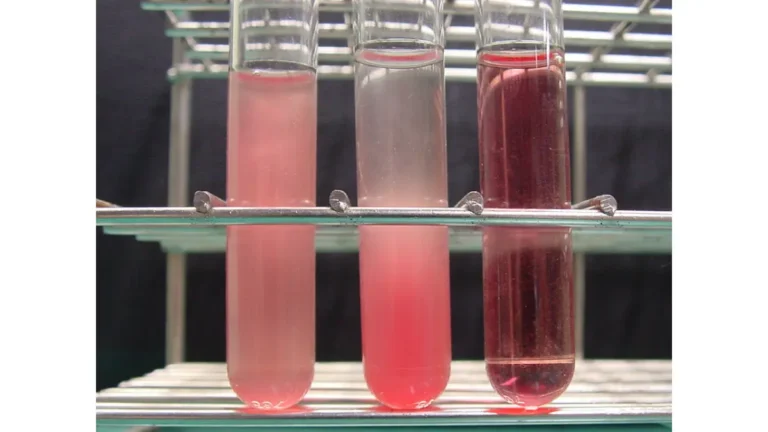
A wrong CBC result is more often a sample issue than a real one, and most lab errors happen before the blood is analyzed. Here's when to retest.
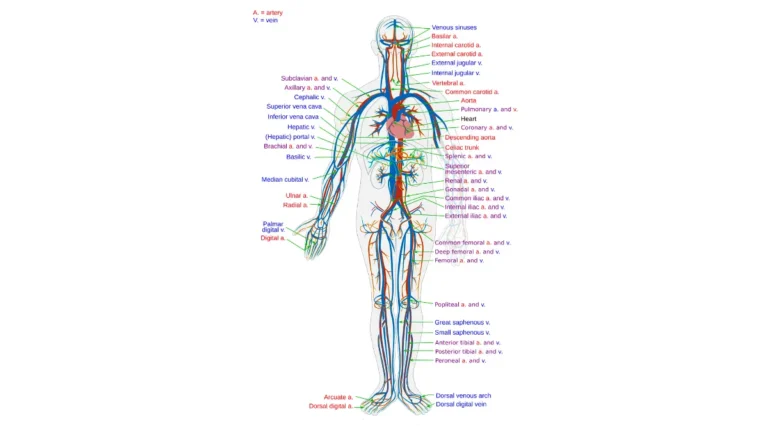
Ordering a CBC before surgery is routine—but for healthy adults having low-risk operations, guidelines advise against it. Here's when the test matters.
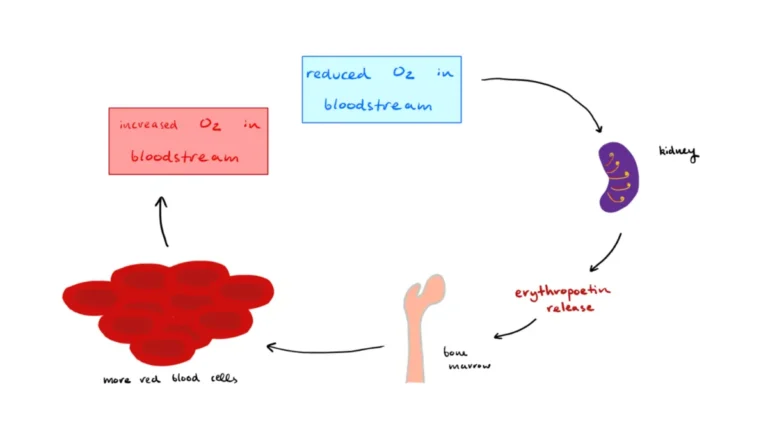
Normal CBC ranges for women run lower than men's — hemoglobin 12–16 g/dL. Anemia affects 14% of women aged 20–59. See what your results mean.
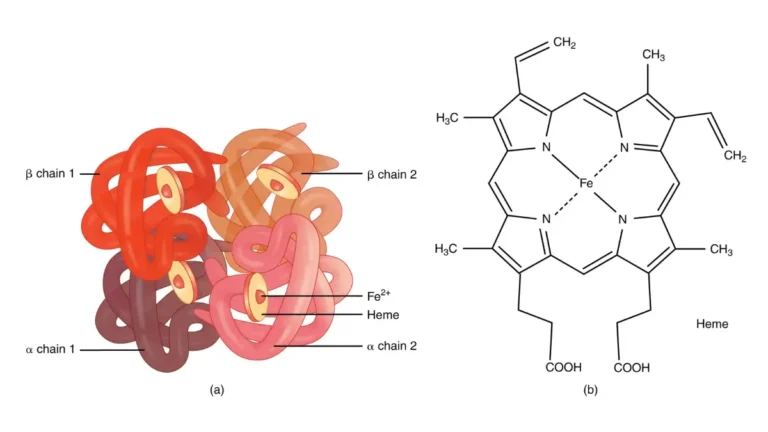
A child's normal CBC values shift with age—newborns run high, then hemoglobin dips around 2–3 months before climbing again. Here's the age-by-age picture.
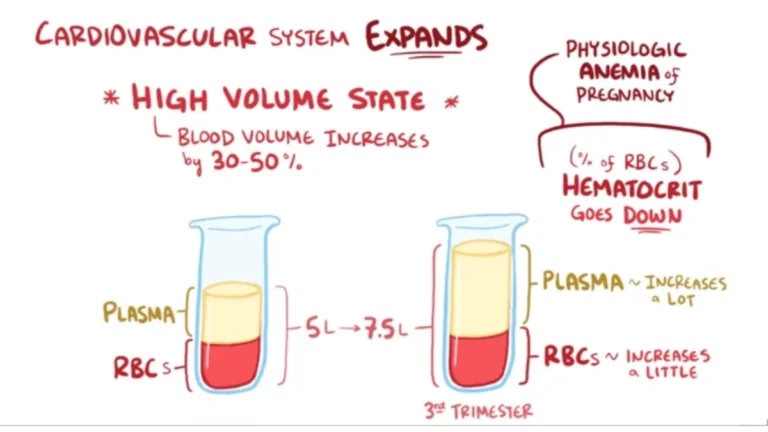
CBC normal ranges in pregnancy sit lower by design: your blood volume rises faster than red cells. See what's normal by trimester and when to call.