
Know What a CMP Costs Without Insurance Before You Pay
CMP cost without insurance ranges from about $10 at a lab to $51+ at a hospital — a five-fold gap. Here's how to pay less and challenge an inflated bill.


Sameer Patel is the founder and editor of My Medicine Advisor. He is not a doctor or medical professional — before starting this site he worked in banking, and he now researches and edits health information full-time.
He started My Medicine Advisor to make clear, well-sourced health information freely available to anyone. Every article is researched from recognised authorities such as the WHO, CDC, NIH, and NICE, drafted with the help of AI tools, and edited by hand, with sources linked so readers can check them. The calculators on the site use established, published formulas, each one named so you can look it up yourself.
My Medicine Advisor is currently a one-person operation with no clinical review panel, and the site is open about that. If you're a qualified clinician or researcher interested in reviewing content, Sameer would genuinely like to hear from you via the contact page.
CMP cost without insurance ranges from about $10 at a lab to $51+ at a hospital — a five-fold gap. Here's how to pay less and challenge an inflated bill.

A comprehensive metabolic panel is one test, one code—yet a hospital can bill 5x what an independent lab charges for it. Here's why, and how to pay less.
An at-home CMP test can be as accurate as your doctor's — but only from a vein, not a finger-prick, which can skew potassium and AST.
Your annual blood work panel usually means three tests, and one—the A1c—needs no fasting because it tracks three months of blood sugar.
A CBC vs CMP mix-up is common: one counts your blood cells, the other measures 14 body-chemistry values. Here's how to tell them apart.
CMP vs BMP comes down to six tests: a CMP adds liver enzymes and proteins a BMP skips. Here's how to tell which panel fits your visit.
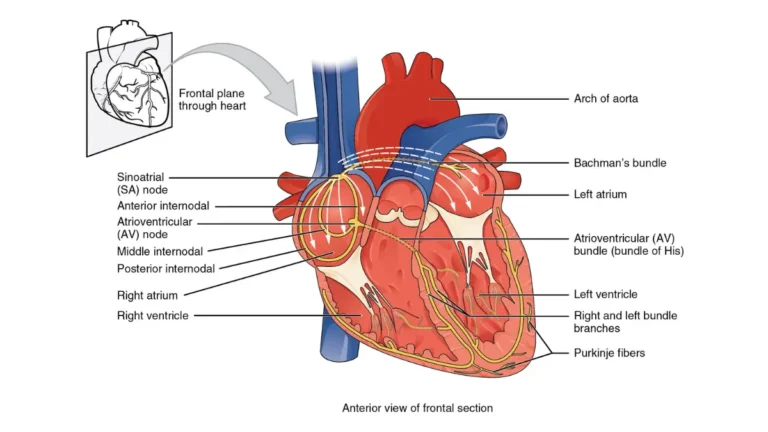
Critical CMP values are the few results that signal a true emergency—mainly electrolytes and blood sugar, where potassium near 6.0 mEq/L can't wait.
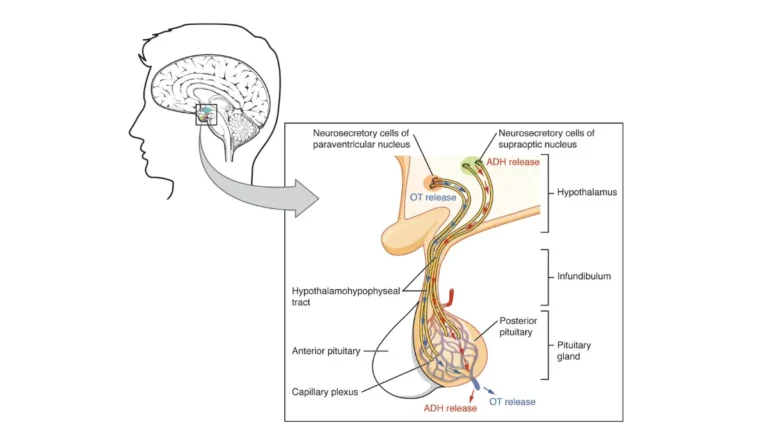
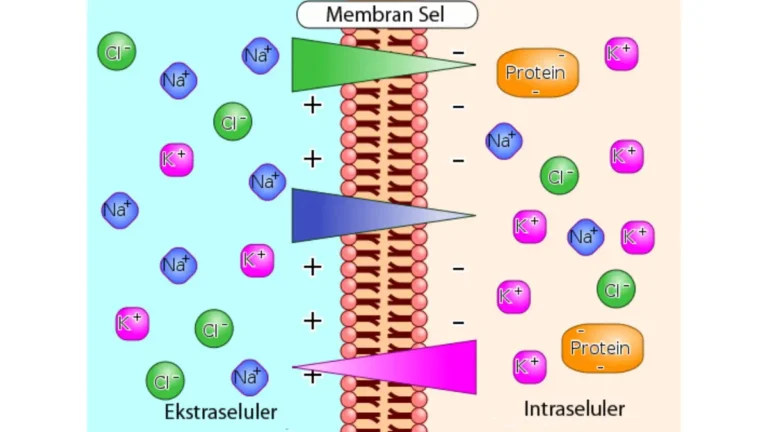
Low sodium is more often a water problem than a salt one. Here's what actually causes it, and why a level below 125 mEq/L can signal an emergency.
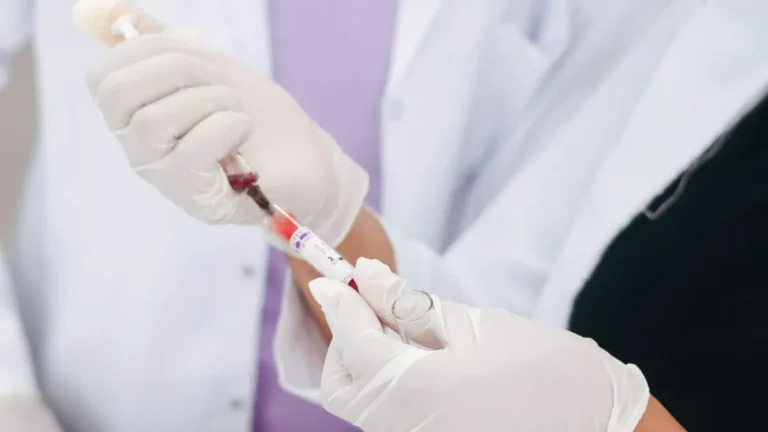
Low albumin is a clue, not a diagnosis. Because albumin has a 21-day half-life, one low reading reflects weeks — not a bad day. See what drives it.
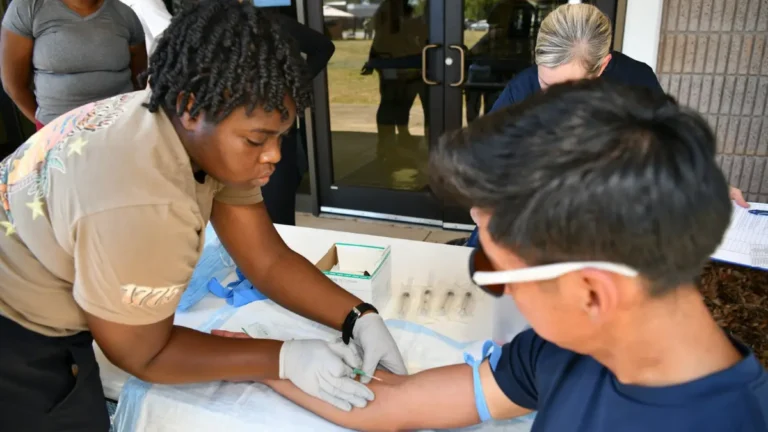
High potassium on a blood test isn't always dangerous — and sometimes it isn't even real. Learn to tell a true result from a false one, and when it's urgent.