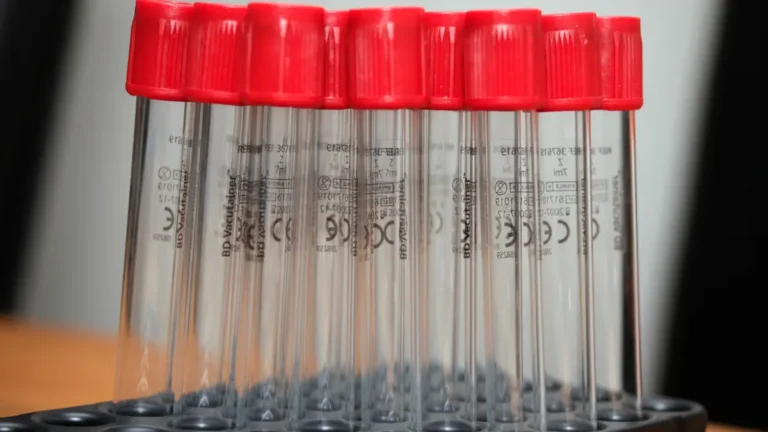
Do You Have to Fast for a CBC? The Honest Answer
Fasting for a CBC isn't required—you can eat, drink, and take meds normally. The catch: other tests drawn with it may need an empty stomach.


Sameer Patel is the founder and editor of My Medicine Advisor. He is not a doctor or medical professional — before starting this site he worked in banking, and he now researches and edits health information full-time.
He started My Medicine Advisor to make clear, well-sourced health information freely available to anyone. Every article is researched from recognised authorities such as the WHO, CDC, NIH, and NICE, drafted with the help of AI tools, and edited by hand, with sources linked so readers can check them. The calculators on the site use established, published formulas, each one named so you can look it up yourself.
My Medicine Advisor is currently a one-person operation with no clinical review panel, and the site is open about that. If you're a qualified clinician or researcher interested in reviewing content, Sameer would genuinely like to hear from you via the contact page.
Fasting for a CBC isn't required—you can eat, drink, and take meds normally. The catch: other tests drawn with it may need an empty stomach.

Got a normal CBC but still fear cancer? A normal count makes blood cancers less likely, yet it can't see solid tumors—only a biopsy rules cancer out.

Can a CBC detect leukemia? It can raise suspicion—an abnormal white count, low platelets, blasts—but a bone marrow test is what confirms the diagnosis.

A CBC detects cancer only indirectly — it flags blood cancers like leukemia, but a normal result never rules cancer out. See what your counts really mean.

A high platelet count is often a temporary reaction to infection, low iron, or surgery — not a blood cancer. Here's how doctors tell the difference.
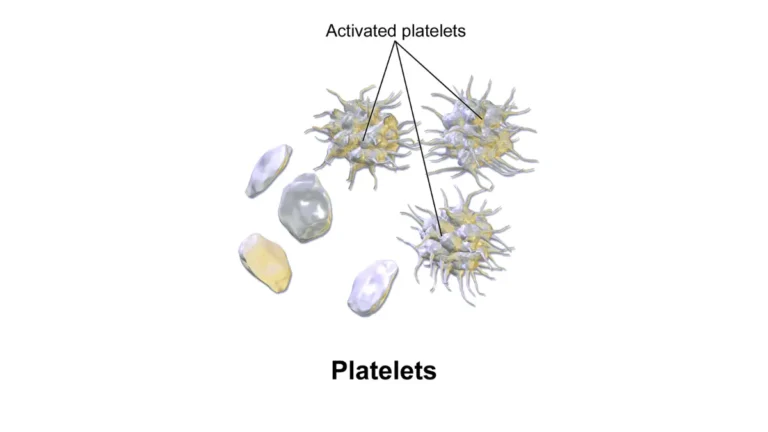
Low platelet count causes range from ITP to a common lab artifact. See how doctors tell a true low count from a false alarm — and which numbers matter.
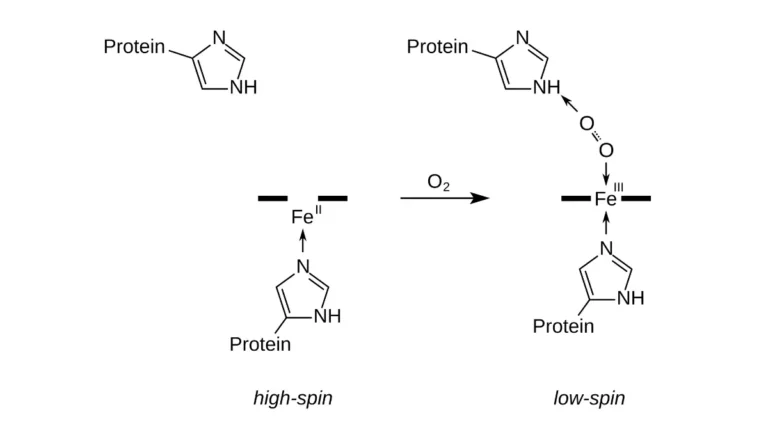
Hematocrit vs hemoglobin sound alike but measure different things—and can disagree on who's anemic. Here's the real difference.
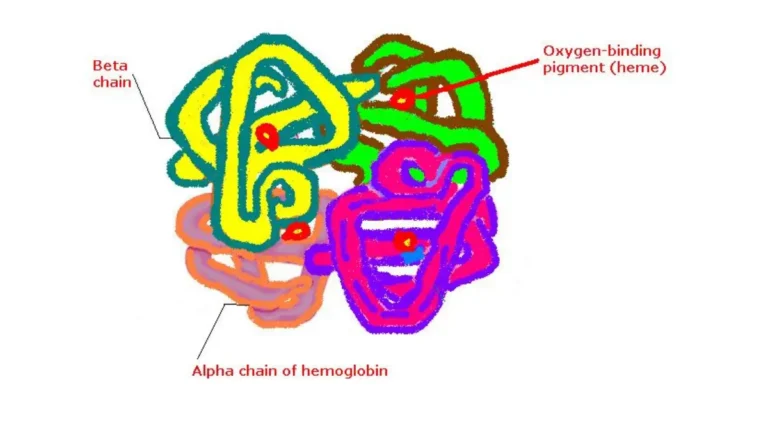
MCH vs MCHC differ: one is the amount of hemoglobin per red cell, the other its concentration — and a high MCHC is often a lab artifact, not disease.
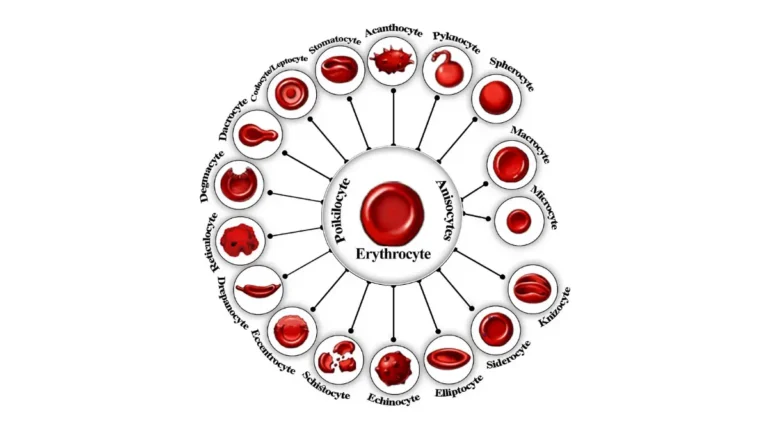
A high RDW on your CBC flags that your red blood cells vary in size. Read alongside your MCV, it points toward a cause — most often a common deficiency.
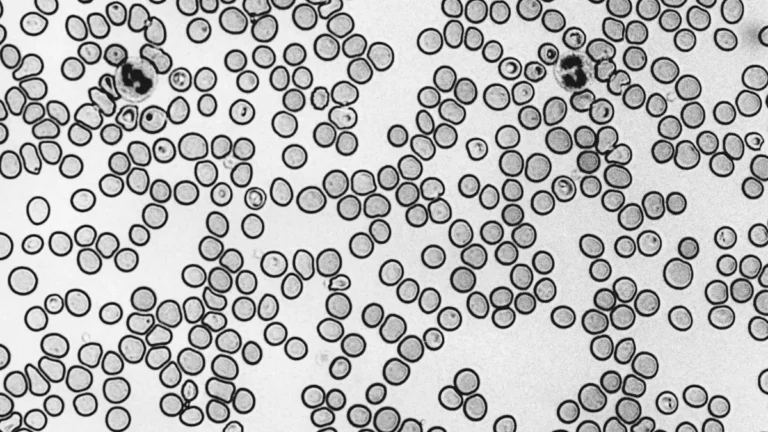
A high or low MCV rarely tells the whole story alone. See what a result above 100 or below 80 means—and why a normal MCV isn't always reassuring.