
ANA Test Results Chart 2026: Decode Your Titer Fast
Your ANA test came back positive? Decode titer levels (1:40 to 1:2560), understand patterns (homogeneous, speckled, nucleolar), learn false positive rates, and know what happens next.


Sameer Patel is the founder and editor of My Medicine Advisor. He is not a doctor or medical professional — before starting this site he worked in banking, and he now researches and edits health information full-time.
He started My Medicine Advisor to make clear, well-sourced health information freely available to anyone. Every article is researched from recognised authorities such as the WHO, CDC, NIH, and NICE, drafted with the help of AI tools, and edited by hand, with sources linked so readers can check them. The calculators on the site use established, published formulas, each one named so you can look it up yourself.
My Medicine Advisor is currently a one-person operation with no clinical review panel, and the site is open about that. If you're a qualified clinician or researcher interested in reviewing content, Sameer would genuinely like to hear from you via the contact page.
Your ANA test came back positive? Decode titer levels (1:40 to 1:2560), understand patterns (homogeneous, speckled, nucleolar), learn false positive rates, and know what happens next.
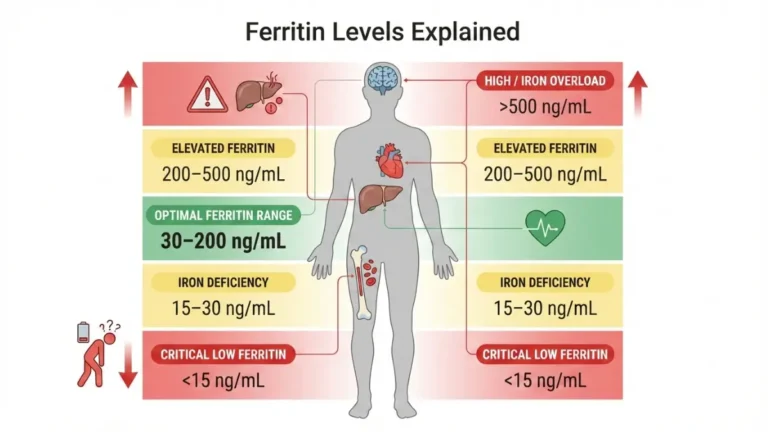
Your ferritin number tells a specific story. Whether it's 12, 50, 200, or 500+, each level reveals your iron status and health risks. Learn what your exact result means and what to do next.
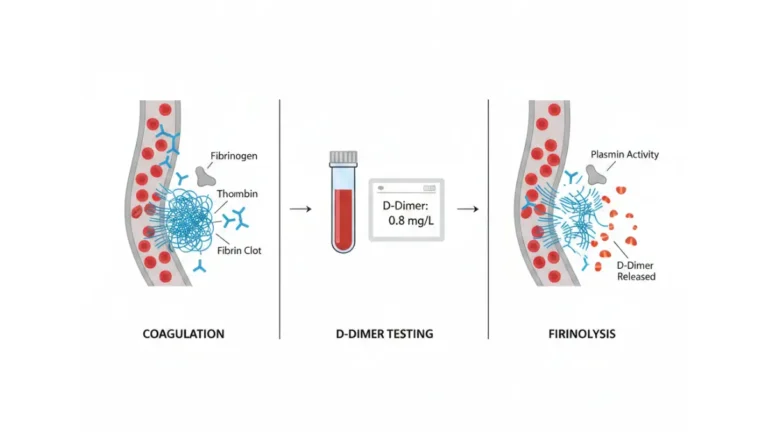
A high D-dimer result triggers immediate fear of blood clots — but 60% of elevated results are false positives. This 2026 guide decodes every level from 0.5 to 5.0 mg/L with age-adjusted ranges, explains exactly what causes false positives, and tells you precisely when an elevated result demands same-day medical attention.
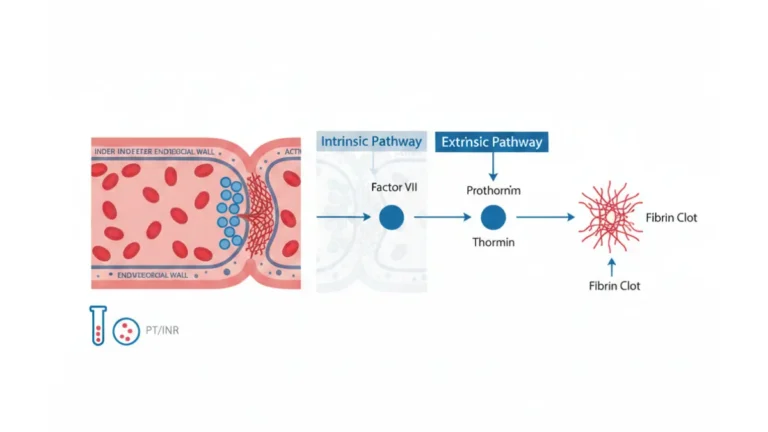
Your PT/INR test result is back—but what does it mean? Get immediate answers on ranges from 1.5 to 5.0, bleeding risks, clot dangers, and exactly what to do next in 2026.

Your coagulation test results measure how quickly blood clots. Understand PT, INR, aPTT numbers, medication effects, emergency thresholds, and when abnormal values need urgent care.

Your B12 results fall into 7 ranges requiring different actions. Learn what levels 150-900 pg/mL mean, why the gray zone matters, and exact protocols based on 2026 lab standards.

Your vitamin D test measures 25(OH)D levels. Learn what numbers 12-50 ng/mL mean for your health, symptoms by deficiency level, evidence-based treatment protocols, and retest timing.
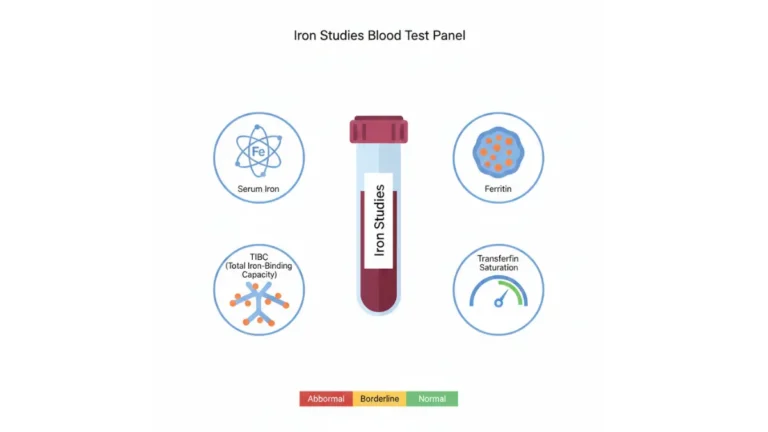
Got abnormal iron studies results? Learn what low ferritin, high iron, and TIBC patterns mean. 2026 reference ranges, treatment plans, and when to see a doctor immediately.
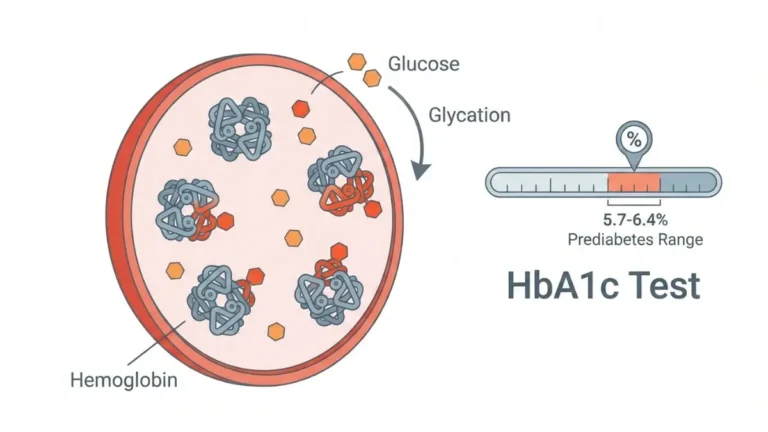
A prediabetes HbA1c result feels like a warning siren — but 58% of patients in the 5.7–6.4% range reverse it completely within 12 months with the right protocol. This 2026 guide explains every follow-up test doctors order, the evidence-based interventions that work fastest, and realistic timelines based on your starting number.
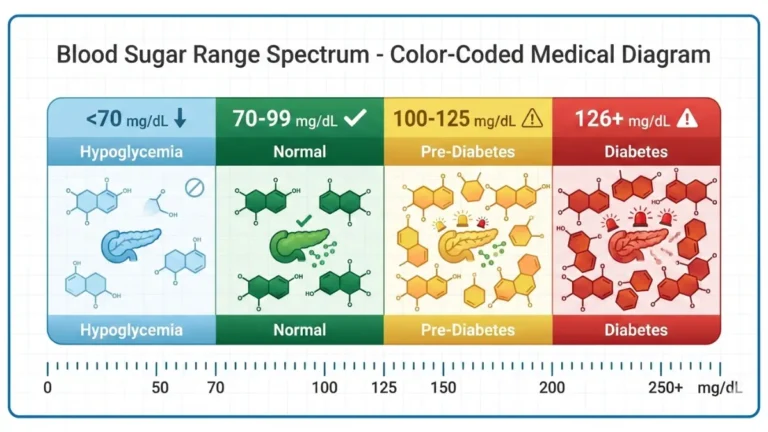
Is your fasting blood sugar 70-100 mg/dL normal? Discover what your glucose test result means, when pre-diabetes starts at 100 mg/dL, and the exact action plan for each range.