
On This Page – Quick Medical Summary
Does coffee lower liver enzymes? The short answer
If you’re wondering whether your daily cup helps or hurts a liver test, here is what studies show and what they don’t.
What studies found, in short
In a large U.S. survey, people who drank three or more cups of coffee a day were less likely to have abnormal liver enzymes (ALT, AST and GGT) than non-drinkers. Randomized trials, which test cause and effect, have not shown that coffee lowers ALT or AST.
Where to start
- Flagged result? Read what counts as normal, then the trial evidence.
- Fatty liver diagnosis? Jump to cups per day and liver outcomes.
- Regular medicines or caffeine jitters? Read the cautions first.
ℹ️ Medical Disclaimer: This article covers liver test interpretation, coffee intake, and medicine and supplement decisions. It is general education, not diagnosis or treatment advice. Review results and any change to caffeine or medicines with your primary care clinician, gastroenterologist or hepatologist; if you feel seriously unwell, contact emergency services.
What ALT, AST and GGT measure, and what’s normal
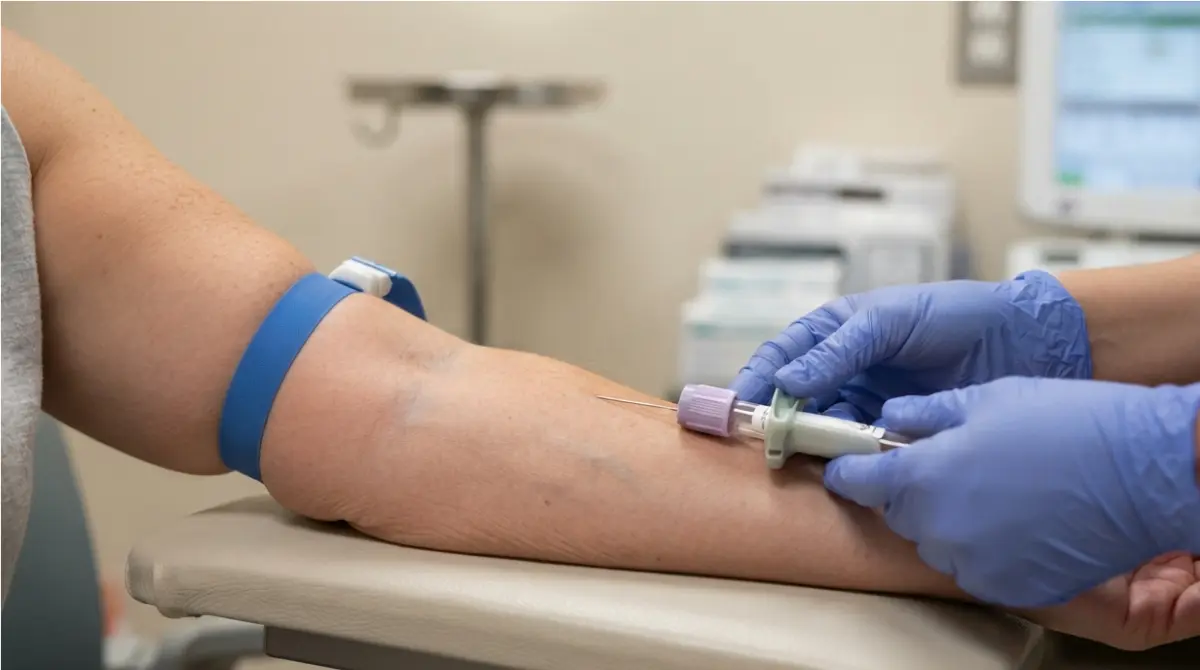
Liver blood tests flag injury, not how well your liver works.
ALT and AST: signs of liver cell injury
The ALT blood test usually comes with AST; AST also sits in muscle, and GGT helps detect liver and bile duct disease. See how AST and ALT read together.
🔬 How It Works: Liver cells hold ALT and AST; damage lets some leak into the blood, so a high level signals injury, not necessarily failure.
What counts as a normal ALT level
The American College of Gastroenterology (ACG) defines a healthy ALT as 29–33 IU/L for men and 19–25 for women, below many lab ranges, though some experts dispute those cutoffs. Learn what your ALT number means.
✅ Patient Action: Ask your primary care clinician: “Is my ALT above the healthy limit for my sex?”
What large studies found about coffee and liver enzymes

The strongest enzyme data come from U.S. national surveys.
U.S. survey data: three or more cups
In the NHANES survey, “abnormal” meant ALT above 47 IU/L in men or 30 in women, looser than the ACG’s healthy limits.
Strongest in people at higher liver risk
Reviews report a stronger pattern in higher-risk people, such as those who are overweight; check your BMI with our BMI calculator.
How big is the difference?
| Evidence | Finding on enzymes | Key Clinical Detail |
|---|---|---|
| NHANES survey, 1999–2010 (Hepatology 2014) | Lower odds of abnormal ALT (OR 0.75), AST (0.82) and GGT (0.69) at 3+ cups | Snapshot; cannot show cause |
| Pooled randomized trials (14 trials) | No significant ALT change (p=0.39) | Tests cause and effect |
| Randomized trials in fatty liver (December 2025) | No significant ALT (p=0.45) or AST (p=0.54) change | Fatty liver only; evidence called insufficient |
Source: studies named in each row.
Does decaf work too, and how many cups?
Studies that tracked decaf and cup counts point the same way, with limits.
Decaf: what NHANES showed
Among decaf-only drinkers, two or more cups a day went with lower odds of abnormal ALT (OR 0.62; 95% CI 0.41–0.94) and, borderline, GGT (0.70; 0.49–1.00). The AST result (0.74; 0.49–1.11) was not statistically significant.
Cups per day: where the signal appeared
The enzyme signal appeared at three or more cups a day. In the 2021 UK Biobank analysis of nearly 495,000 adults, liver disease risk fell most around three to four cups, but that study tracked disease, not enzymes, and no study here sets a recommended dose.
Can coffee bring a high ALT back to normal?
Not reliably, based on current trial evidence. Pooled randomized trials found no significant ALT change from coffee, including a fatty liver meta-analysis through November 2024.
What randomized trials show
The fatty liver analysis’s authors concluded there is insufficient evidence that coffee or coffee extract lowers ALT or AST.
Why survey results aren’t proof
Surveys capture one moment, and the 2026 UK Biobank authors say other differences between drinkers and non-drinkers cannot be excluded.
What else can raise ALT
MedlinePlus lists fatty liver, hepatitis, cirrhosis, reduced liver blood flow, tumors, and liver-toxic substances such as alcohol or acetaminophen; see what a high ALT result can mean.
✅ Patient Action: Ask your primary care clinician or hepatologist: “What is causing my high ALT, and when do we repeat it?”
Beyond enzymes: coffee, fatty liver, cirrhosis and cancer
Larger studies track liver disease itself.
Fatty liver (MASLD): what researchers observed
A meta-analysis of 11 observational studies linked coffee to 35% lower odds of significant fibrosis in people with NAFLD, now called MASLD, though its authors say trials are needed. Learn how fatty liver affects ALT.
Cirrhosis and liver cancer: the 2026 UK Biobank study
📊 Clinical Data Point: In 354,957 UK adults followed a median of 13 years, five or more daily cups versus none went with lower cirrhosis (HR 0.68; 95% CI 0.58–0.79), liver cancer (0.53; 0.34–0.83) and liver-related death (0.58; 0.45–0.74). Source: 2026 UK Biobank analysis, Clinical Gastroenterology and Hepatology
Associations looked weaker in people with diabetes, and most participants were White.
How coffee might protect the liver
🔬 How It Works: Chlorogenic acids and diterpenes like cafestol and kahweol show liver-protective effects in animal and lab studies. Decaf shows similar associations, and benefit in people is unproven.
Before you change your coffee habit: what to weigh
Coffee is not risk-free for everyone and does not replace a workup.
Sugar, cream and sweeteners
Cleveland Clinic advises people with fatty liver disease not to add extra fat and sugar. In the UK Biobank, sweetened-coffee drinkers still showed lower liver risk, though sweetener use came with modestly higher MRI scarring-and-inflammation markers.
Caffeine sensitivity and heart rhythm
Caffeine can cause headaches, poor sleep and jitters in some people, and heavy intake may be dangerous with irregular heart rhythm or other heart problems (Cleveland Clinic).
When a result needs a doctor, not coffee
⚠️ Clinical Warning: New confusion or easy bleeding alongside abnormal liver tests can signal liver failure and needs urgent medical care.
✅ Patient Action: Ask your hepatologist: “Is my abnormal result persistent, and what is the cause?”
Coffee and liver enzymes: common questions
1. Does coffee lower liver enzymes?
Surveys link three-plus daily cups to lower odds of abnormal liver enzymes; trials show no significant ALT change from coffee.
2. Can coffee bring a high ALT back to normal?
Not reliably; trials found no significant ALT change from coffee. Ask your clinician about the cause and repeat testing.
3. How many cups of coffee a day are linked to lower liver enzymes?
NHANES showed lower odds of abnormal liver enzymes at three or more cups of coffee daily, an association, not a recommended dose.
4. Does decaf coffee help liver enzymes?
NHANES linked two-plus decaf coffee cups to lower odds of abnormal ALT and, borderline, GGT; liver enzyme AST showed no significant link.
5. What is a normal ALT level?
The ACG’s normal ALT level is 29–33 IU/L for men and 19–25 for women. Ask your clinician which limit applies.
6. Does coffee protect against fatty liver?
Observational studies link coffee to 35% lower odds of significant fibrosis in fatty liver, but show association, not protection.
7. Does coffee lower cirrhosis or liver cancer risk?
In 354,957 UK adults, five-plus daily cups of coffee went with lower cirrhosis (HR 0.68) and liver cancer (HR 0.53) risk.
8. How might coffee affect the liver?
Coffee’s chlorogenic acids and diterpenes show liver-protective effects in animal and lab studies; effects in people remain unproven.
9. Do sugar or cream change coffee’s liver benefit?
UK Biobank sweetened-coffee drinkers still showed lower liver risk, though sweeteners tracked with higher MRI inflammation markers.
10. Should I start drinking coffee to lower my liver enzymes?
Trials haven’t shown coffee lowers liver enzymes, and heavy intake can be risky with heart rhythm problems; ask your clinician first.
11. What else raises liver enzymes?
Liver enzymes can rise with fatty liver, hepatitis, cirrhosis, or liver-toxic substances such as alcohol and acetaminophen.
Your next step
Large surveys and cohort studies link regular coffee to lower odds of abnormal liver enzymes and lower cirrhosis and liver cancer risk. Trials haven’t shown coffee fixes a high ALT. Ask your clinician about repeating the test and reviewing medicines and supplements; our ALT guide’s printable tracker helps you prepare.
About this content
How this article was put together: researched from recognised health sources, drafted with the help of AI tools, and edited by hand, with sources linked throughout.

Sameer Patel is the founder and editor of My Medicine Advisor. He is not a doctor or medical professional — before starting this site he worked in banking,…
Medical disclaimer
The content on MyMedicineAdvisor is provided for general informational and educational purposes only and is not a substitute for professional medical advice, diagnosis, or treatment. Health information on this website should not be used to diagnose, treat, cure, or prevent any condition without guidance from a qualified healthcare professional. Always seek the advice of your doctor, physician, or another licensed healthcare provider with any questions you may have regarding a medical condition, symptoms, medications, or treatment decisions.