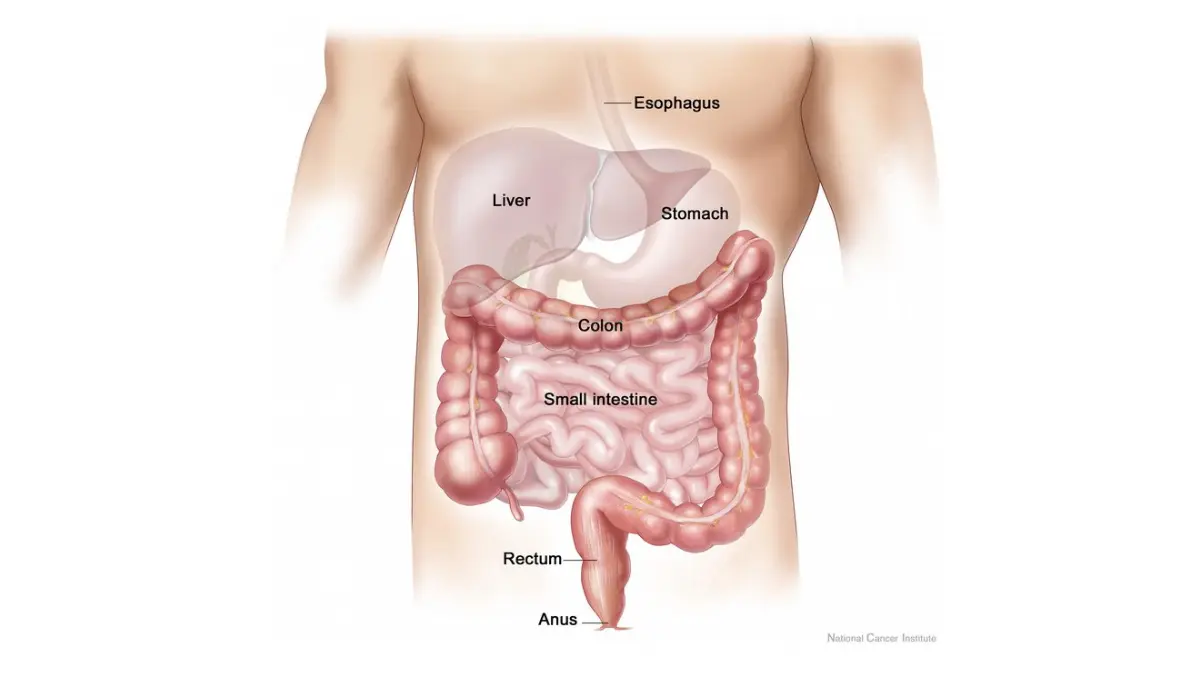
How Often You Need a Colonoscopy, Explained by Your Risk
How often you need a colonoscopy isn't always every 10 years—that rule applies only at average risk with a normal result. Polyps change it.

How often you need a colonoscopy isn't always every 10 years—that rule applies only at average risk with a normal result. Polyps change it.
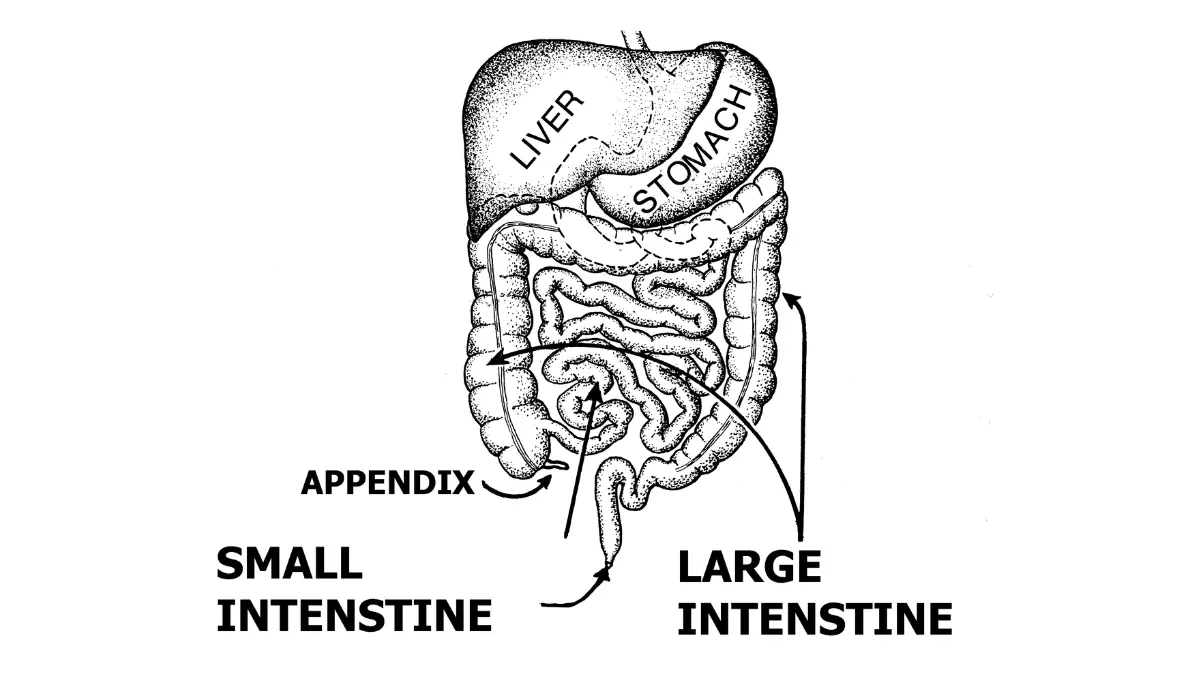
Your colonoscopy pathology report names your polyps and grades any dysplasia. See what each finding means and when to scope again.

Colon polyps are common and usually benign—but type matters. Here's how adenomas, serrated lesions, and hyperplastic polyps differ in cancer risk.

Your colonoscopy results, decoded: a normal exam typically points to a 10-year recheck, while found polyps usually mean closer follow-up, not cancer.

Colonoscopy complications are rare—major bleeding affects about 2.4 in 1,000—but knowing normal spotting from a true warning sign matters most.
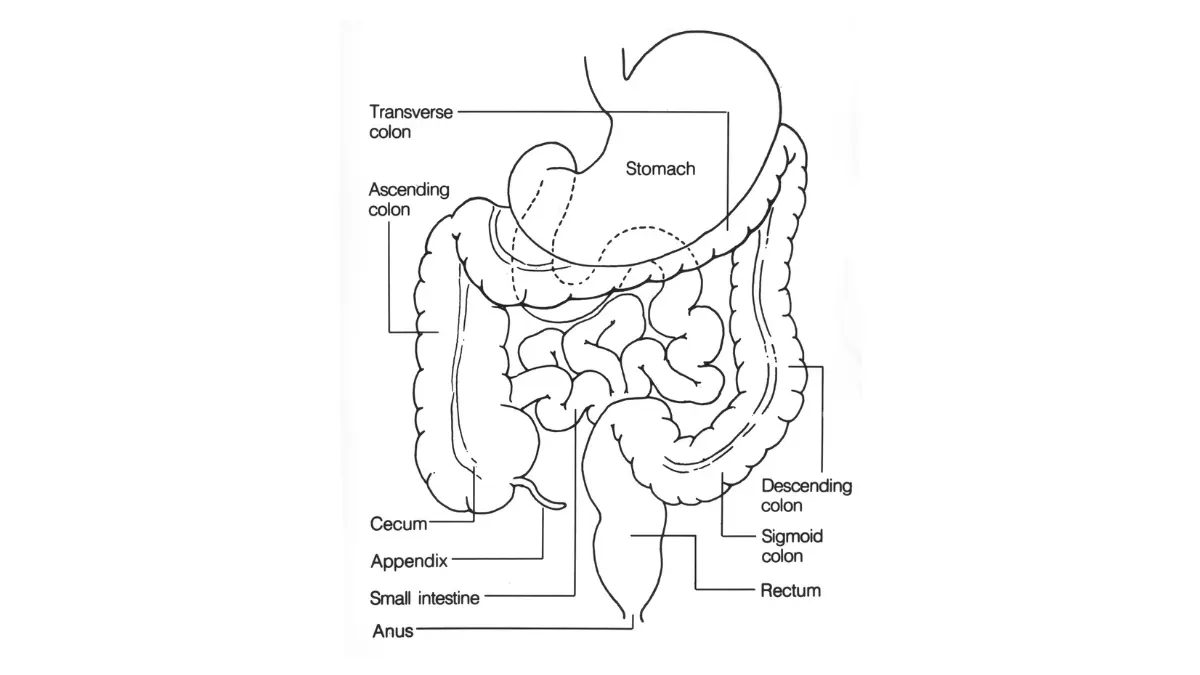
Colonoscopy side effects are usually mild and fade within a day, but bleeding can appear up to two weeks after a polyp removal. Here's what to watch for.
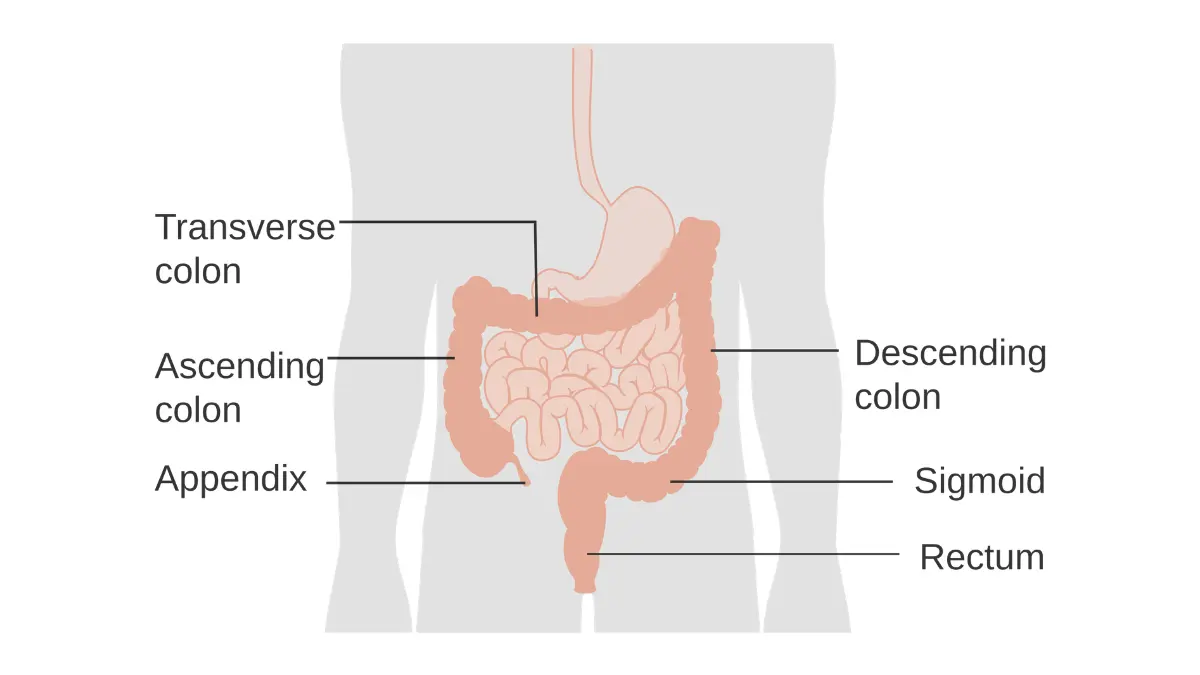
What to eat after a colonoscopy comes down to soft, gentle foods first, then a normal diet by the next day. See what helps and what to skip.
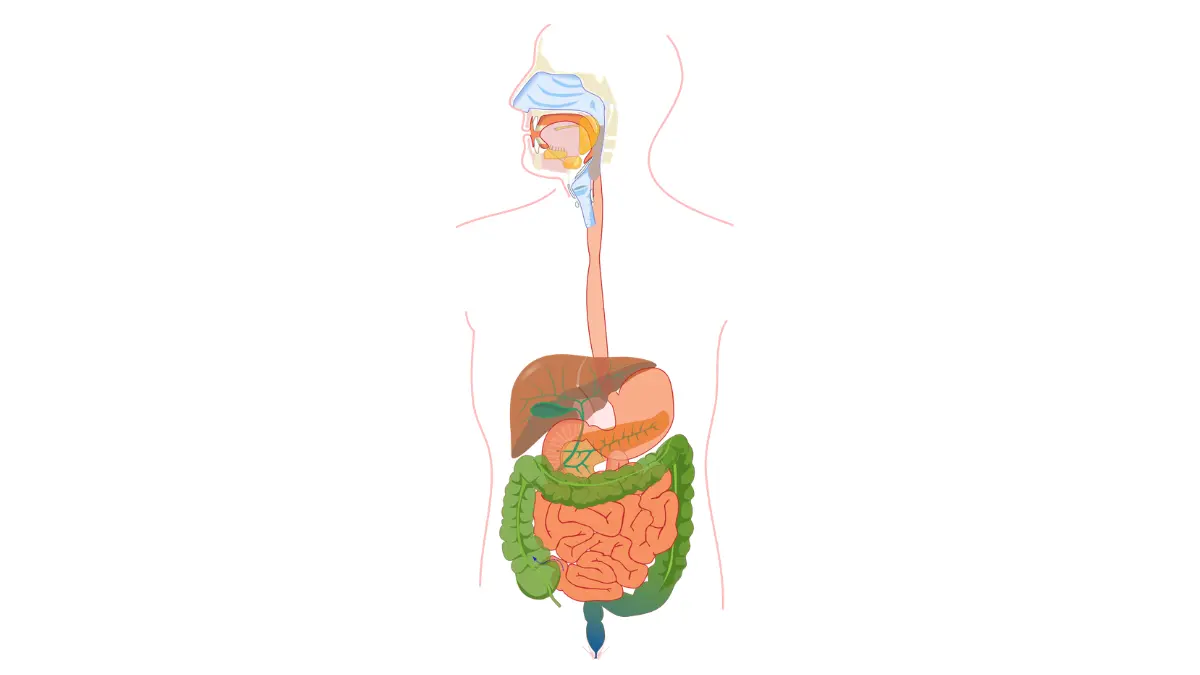
Colonoscopy recovery is usually smooth, but knowing the timeline helps. Here's what's normal in the first 24 hours—and the red flags you shouldn't ignore.
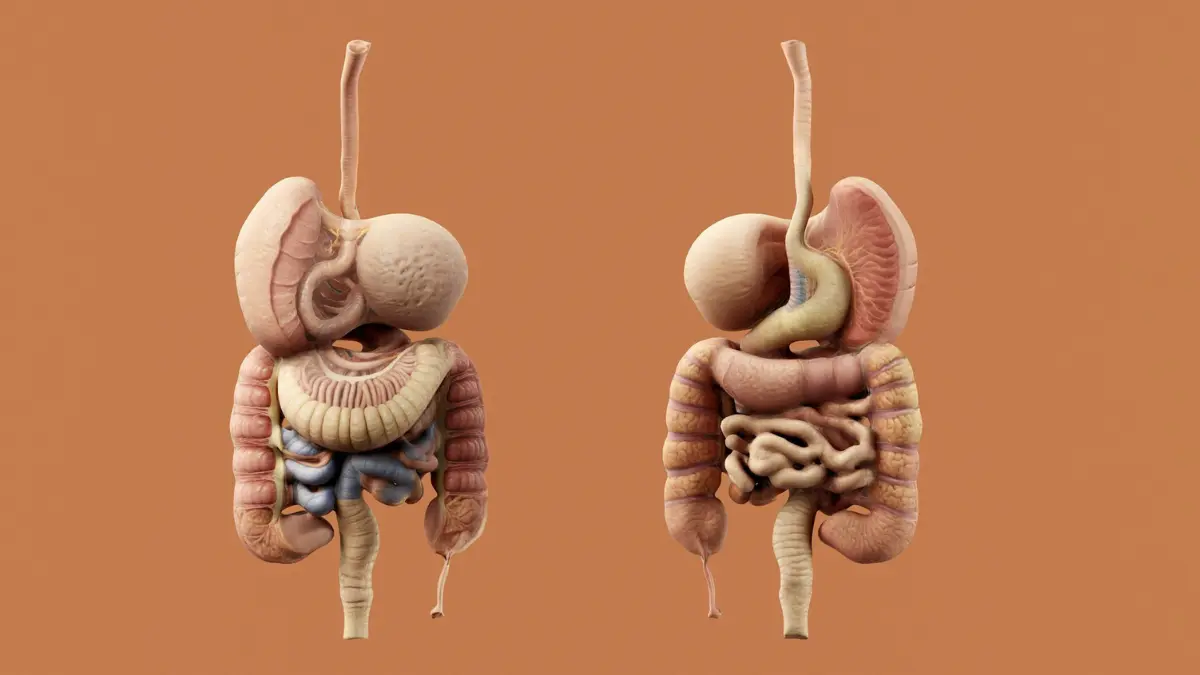
First colonoscopy nerves are normal — and most of what people dread is the easy part. You'll likely be asleep, and the prep matters more than the scope.
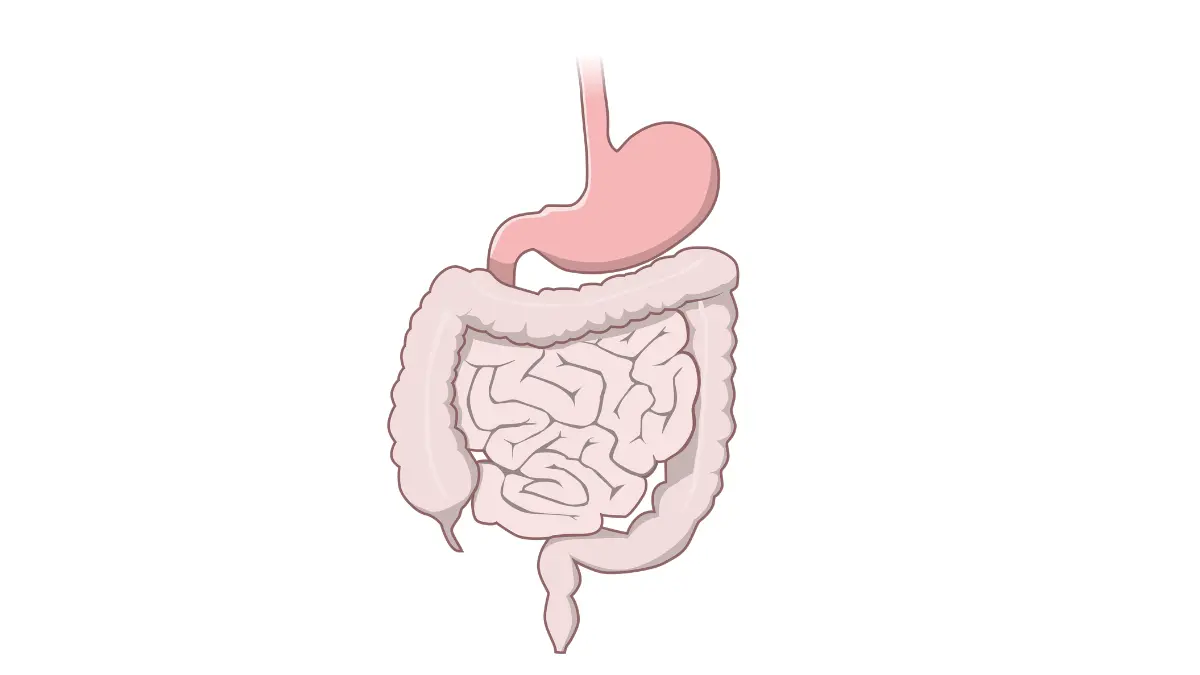
Does a colonoscopy hurt? Honestly, the prep is the hard part — sedation keeps the exam itself comfortable, and most patients don't remember it.