
How to Get a Colonoscopy Without Insurance You Can Afford
Uninsured and need a colonoscopy? Free community health centers, state programs, and low-cost at-home tests can get you screened—here's how to start today.

Uninsured and need a colonoscopy? Free community health centers, state programs, and low-cost at-home tests can get you screened—here's how to start today.
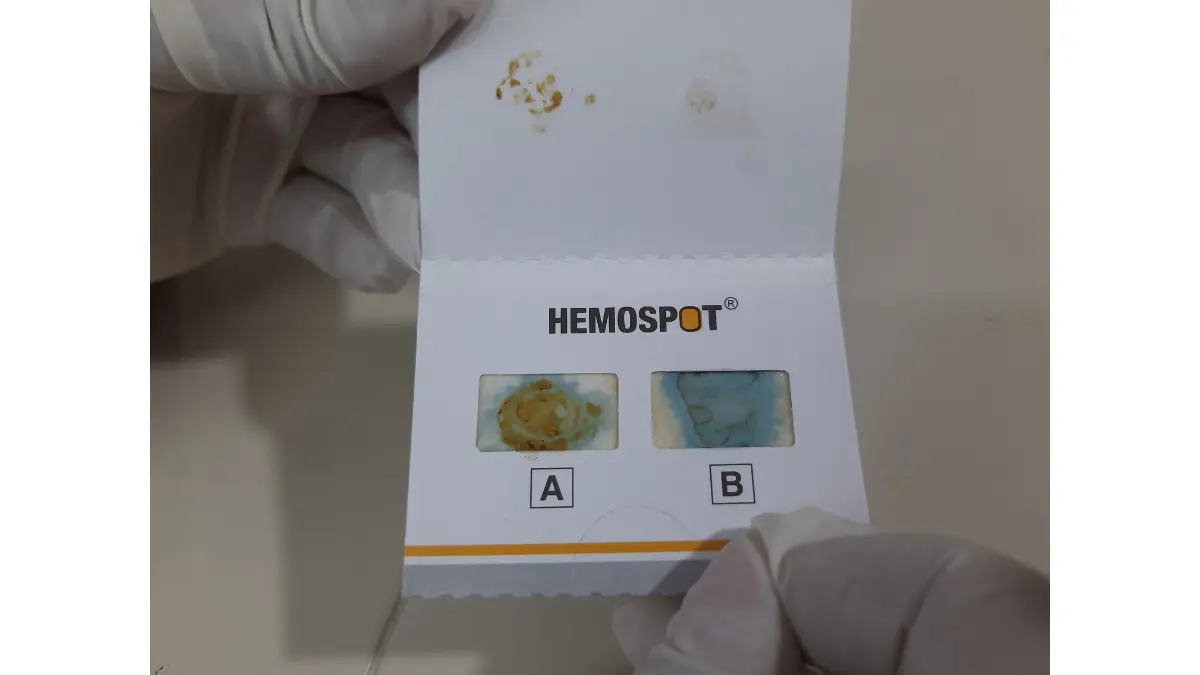
A positive Cologuard isn't a cancer diagnosis—but you do need a colonoscopy, and since 2023 it's covered with no cost-sharing. Here's what that means.
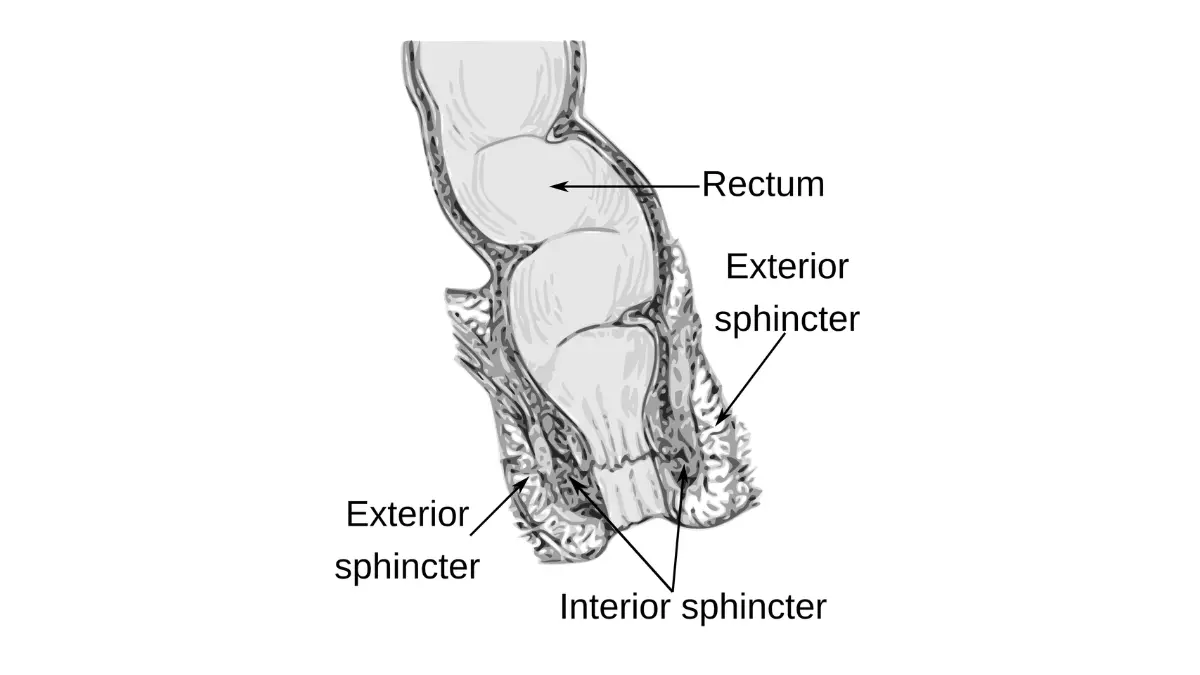
Is a colonoscopy free? For most insured adults a screening is $0 — a bill appears only when it's recoded diagnostic or Medicare's polyp rule applies.
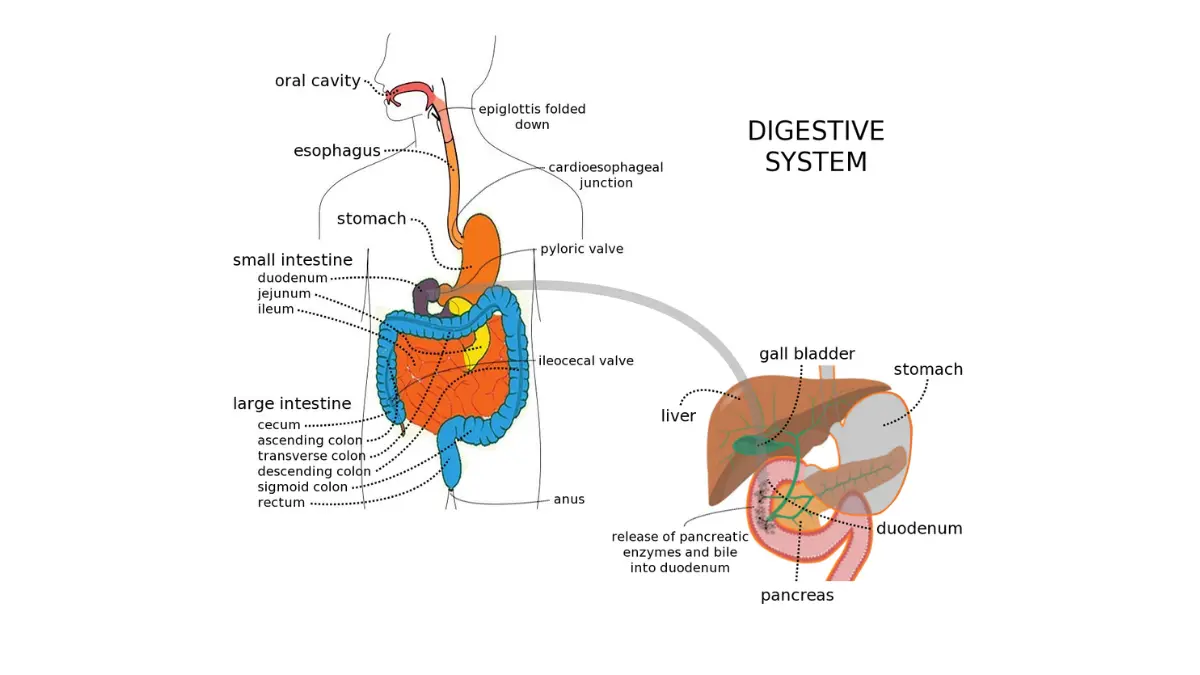
Colonoscopy cost turns on one word: 'screening' or 'diagnostic.' Screening is often $0 with insurance; a polyp can change that on Medicare.
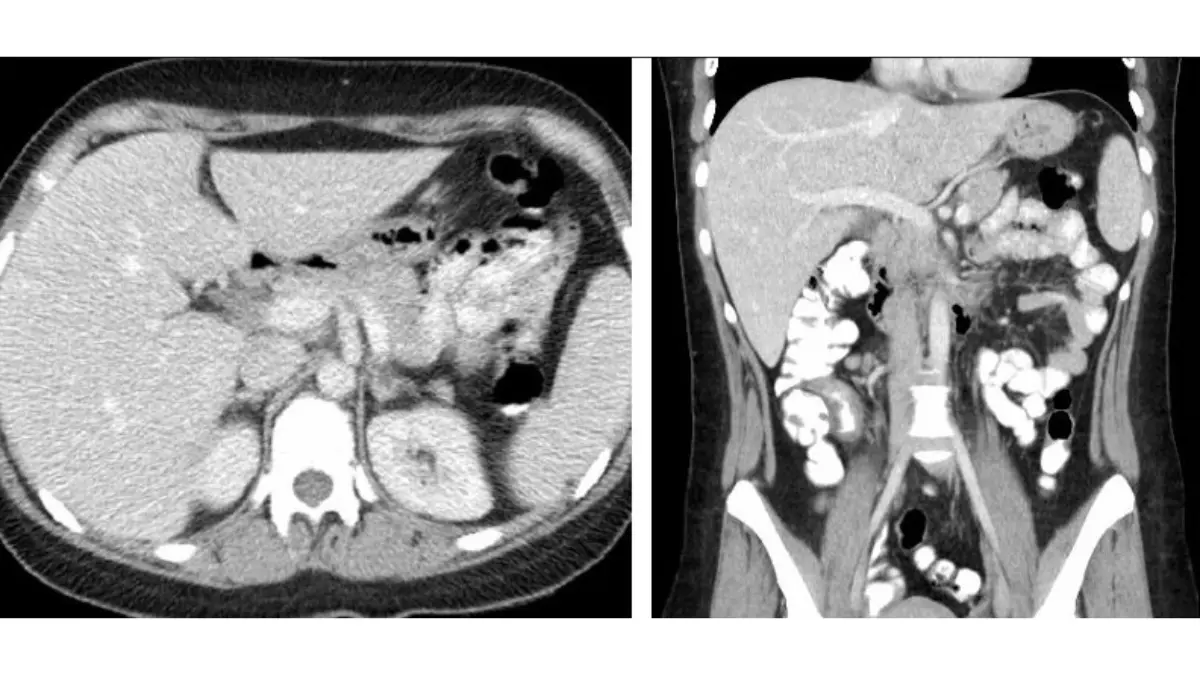
A virtual colonoscopy skips sedation and, since 2025, is Medicare-covered—yet a positive result still means a follow-up scope. The honest trade-off.

The Shield blood test screens for colon cancer from a blood draw, but detects far less precancer than a colonoscopy, which removes polyps as it finds them.
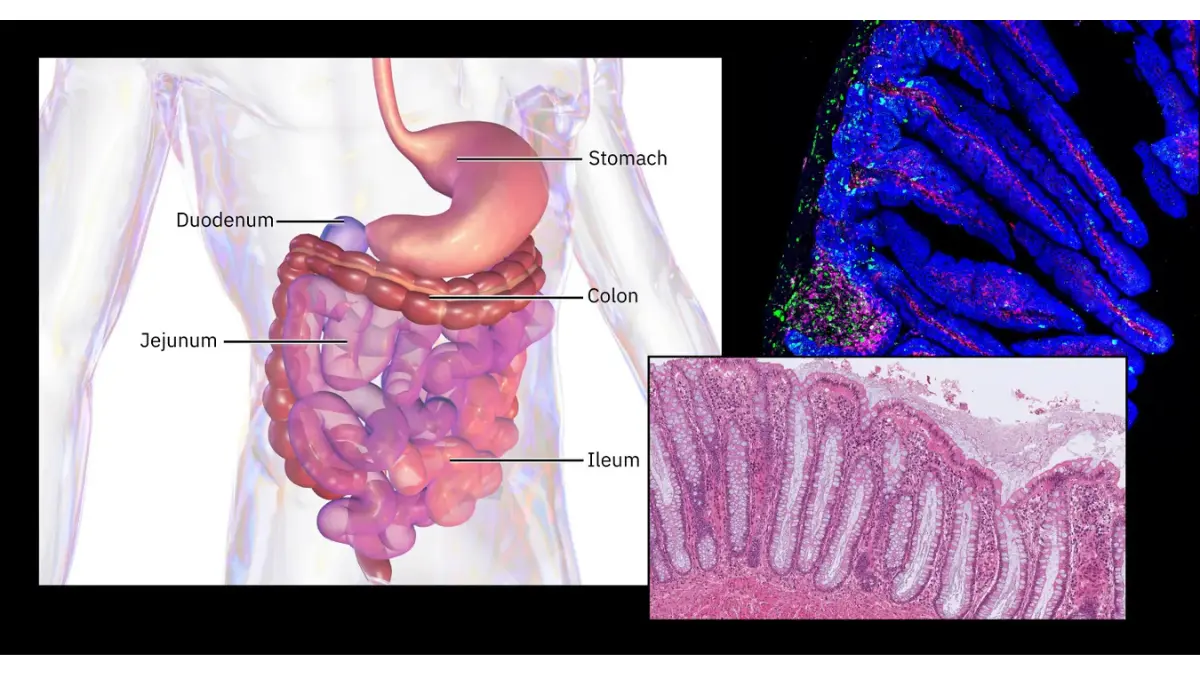
Colonoscopy vs. FIT test hinges on one fact: a FIT finds most colon cancers but few precancerous polyps — a colonoscopy removes them in one visit.

Cologuard vs. colonoscopy isn't only about accuracy — it's about what each test can do. One removes precancerous polyps; the other only detects them.
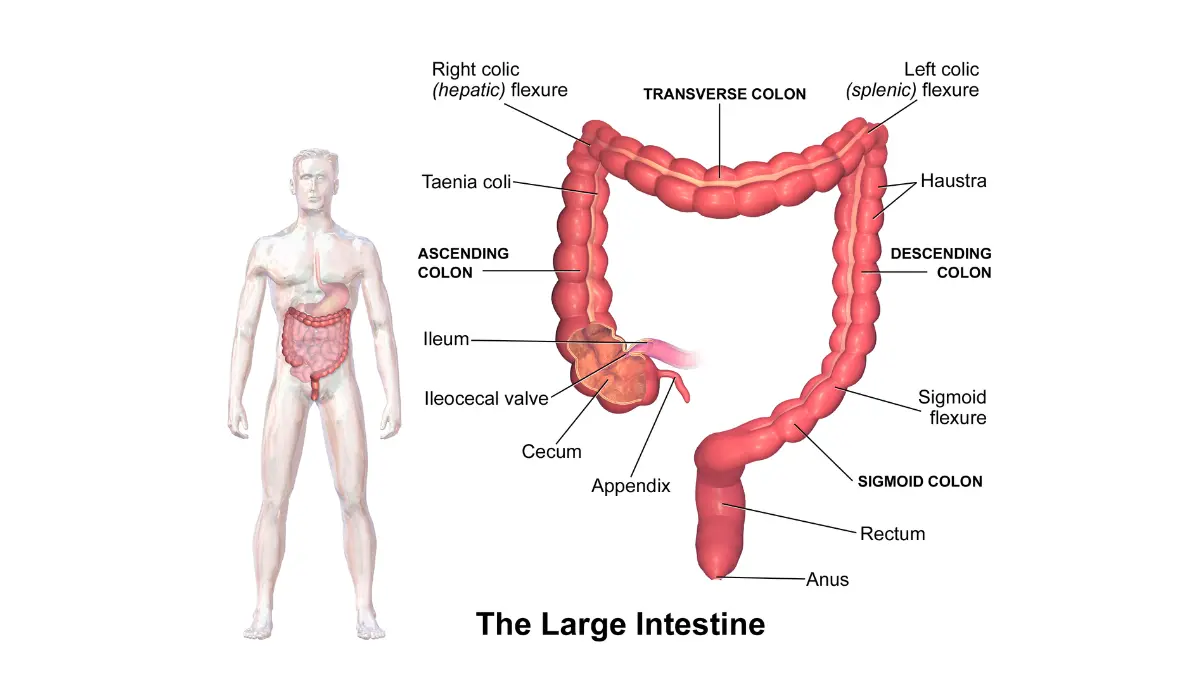
Colonoscopy after 75 isn't automatic: major guidelines screen ages 76–85 selectively, weighing your health and 10-year outlook over your age alone.
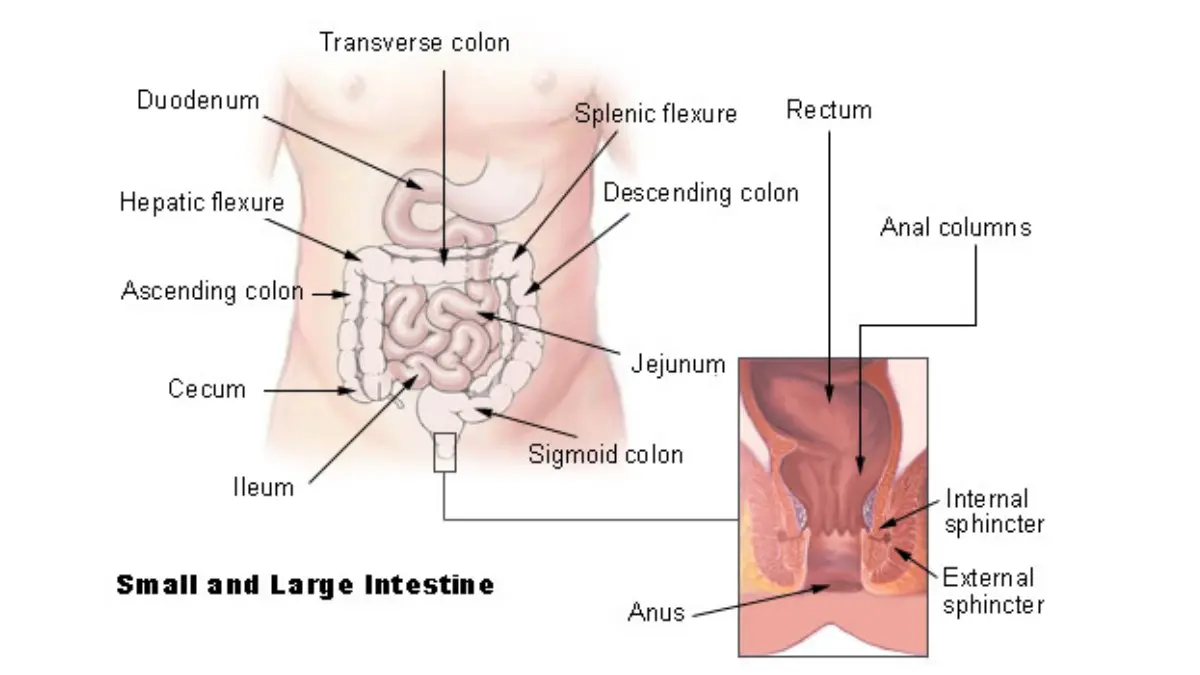
Colon cancer symptoms are easy to dismiss—yet it's now the top cause of cancer death in U.S. adults under 50. Here's when to act.