Skip to content
No results
Menu
  • Symptom & Conditions
  • Cancer Cure
  • Surgery
  • Health Tools
  • Our Experts
  • Contact Us
My Medicine Advisor logo
  • Symptom & Conditions
  • Cancer Cure
  • Surgery
  • Health Tools
  • Our Experts
  • Contact Us
My Medicine Advisor logo
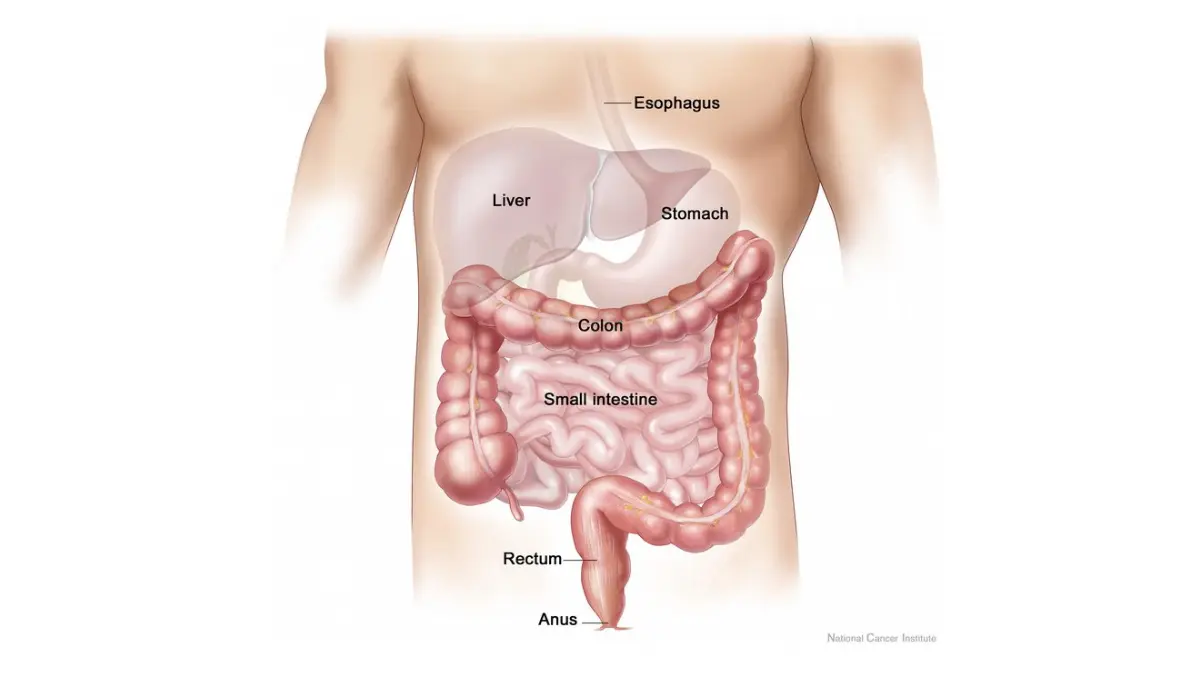
Colonoscopy At 45 — Gastrointestinal system anatomy illustration showing digestive tract organs for screening reference
  • Screening

What the New Colonoscopy Age 45 Means for You

The colonoscopy age dropped to 45 for a reason that should get attention: colorectal cancer is now the leading cause of cancer death in US adults under 50.

  • Dr. Calvin R. Beauregard, MD — Family & Preventive Medicine, Dr. Alicia M. Thornton, MD, MPH — Public Health & Epidemiology and Dr. Nathaniel G. Forsythe, MD, PhD — Translational Medicine & Research
  • June 18, 2026
How Often Need Colonoscopy colon anatomy diagram showing the large intestine and rectum.
  • Screening

How Often You Need a Colonoscopy, Explained by Your Risk

How often you need a colonoscopy isn't always every 10 years—that rule applies only at average risk with a normal result. Polyps change it.
  • Dr. Calvin R. Beauregard, MD — Family & Preventive Medicine, Dr. Alicia M. Thornton, MD, MPH — Public Health & Epidemiology and Dr. Nathaniel G. Forsythe, MD, PhD — Translational Medicine & Research
  • June 18, 2026
Colonoscopy pathology report anatomy illustration showing the digestive system and large intestine for colon context.
  • Screening

Your Colonoscopy Pathology Report Made Clear

Your colonoscopy pathology report names your polyps and grades any dysplasia. See what each finding means and when to scope again.

  • Dr. Calvin R. Beauregard, MD — Family & Preventive Medicine, Dr. Alicia M. Thornton, MD, MPH — Public Health & Epidemiology and Dr. Nathaniel G. Forsythe, MD, PhD — Translational Medicine & Research
  • June 18, 2026
Colon Polyps consultation with doctor and patient discussing colonoscopy results
  • Screening

What Your Colon Polyp Results Mean for Cancer Risk

Colon polyps are common and usually benign—but type matters. Here's how adenomas, serrated lesions, and hyperplastic polyps differ in cancer risk.

  • Dr. Calvin R. Beauregard, MD — Family & Preventive Medicine, Dr. Alicia M. Thornton, MD, MPH — Public Health & Epidemiology and Dr. Nathaniel G. Forsythe, MD, PhD — Translational Medicine & Research
  • June 18, 2026
colonoscopy result doctor consulting with patient in a medical office
  • Screening

Understanding Your Colonoscopy Results, From Normal to Polyps

Your colonoscopy results, decoded: a normal exam typically points to a 10-year recheck, while found polyps usually mean closer follow-up, not cancer.

  • Dr. Calvin R. Beauregard, MD — Family & Preventive Medicine, Dr. Alicia M. Thornton, MD, MPH — Public Health & Epidemiology and Dr. Nathaniel G. Forsythe, MD, PhD — Translational Medicine & Research
  • June 17, 2026
Colonoscopy complications discussion during a doctor-patient consultation before or after the procedure
  • Screening

Colonoscopy Complications and the Warning Signs to Watch

Colonoscopy complications are rare—major bleeding affects about 2.4 in 1,000—but knowing normal spotting from a true warning sign matters most.
  • Dr. Calvin R. Beauregard, MD — Family & Preventive Medicine, Dr. Alicia M. Thornton, MD, MPH — Public Health & Epidemiology and Dr. Nathaniel G. Forsythe, MD, PhD — Translational Medicine & Research
  • June 17, 2026
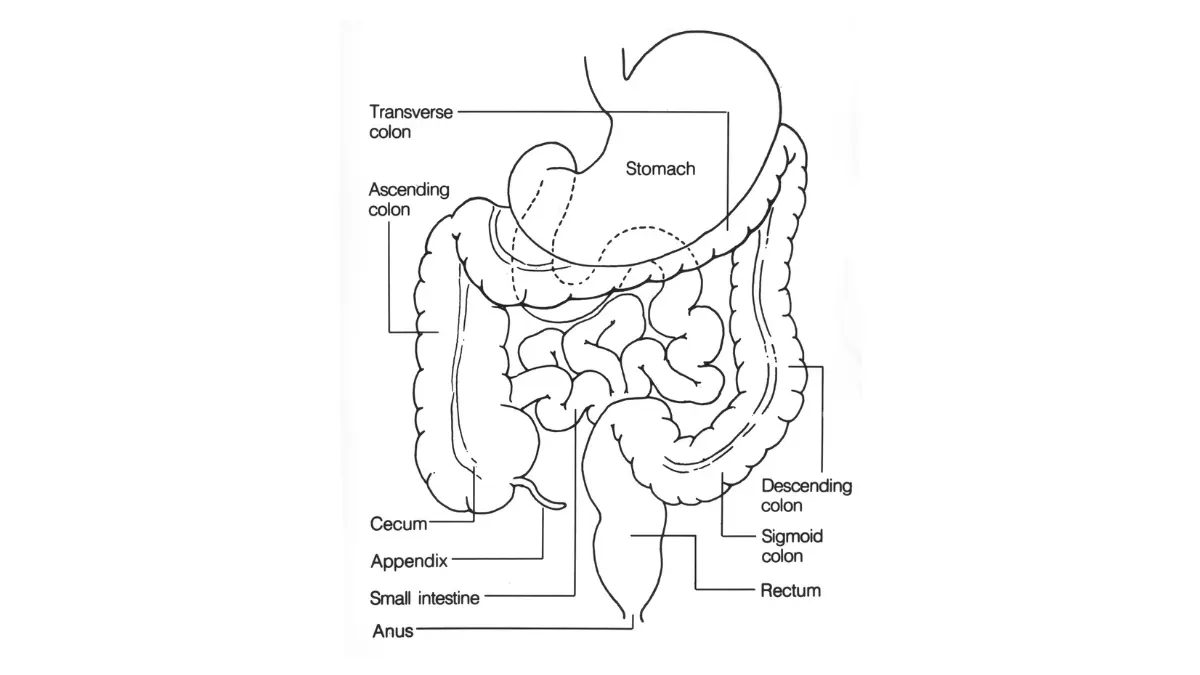
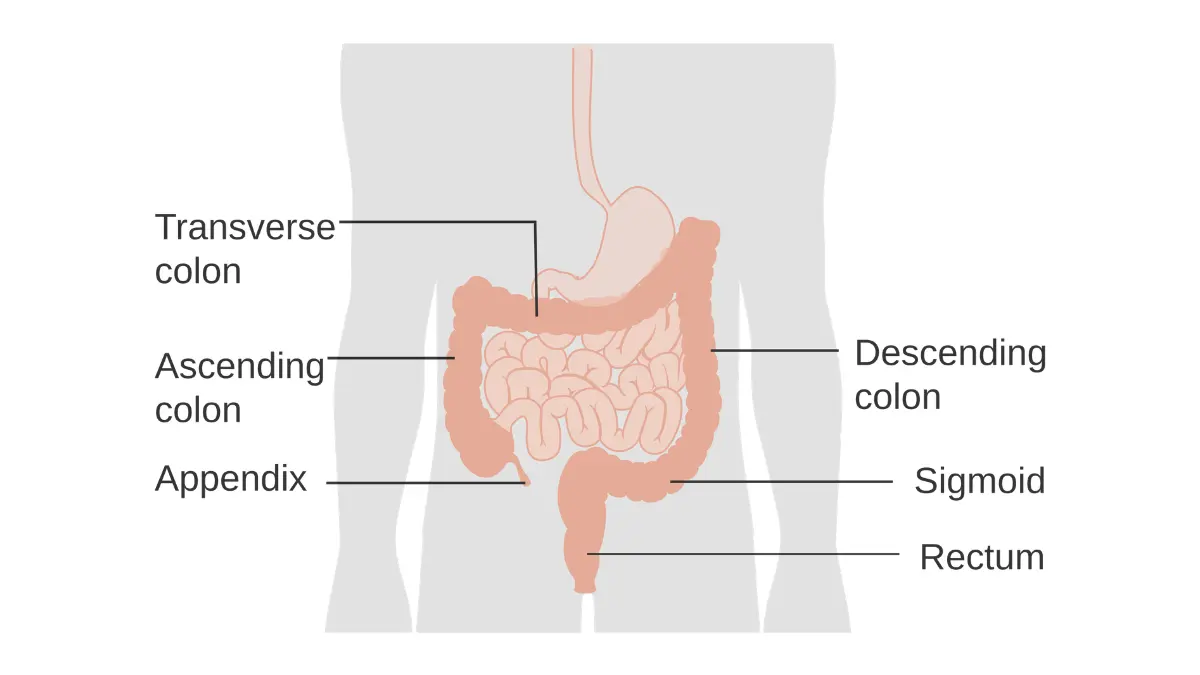
Colonoscopy Side Effects colon and rectum anatomy diagram showing the large intestine, rectum, and nearby digestive structures.
  • Screening

What to Know About Colonoscopy Side Effects and When to Call

Colonoscopy side effects are usually mild and fade within a day, but bleeding can appear up to two weeks after a polyp removal. Here's what to watch for.
  • Dr. Calvin R. Beauregard, MD — Family & Preventive Medicine, Dr. Alicia M. Thornton, MD, MPH — Public Health & Epidemiology and Dr. Nathaniel G. Forsythe, MD, PhD — Translational Medicine & Research
  • June 17, 2026
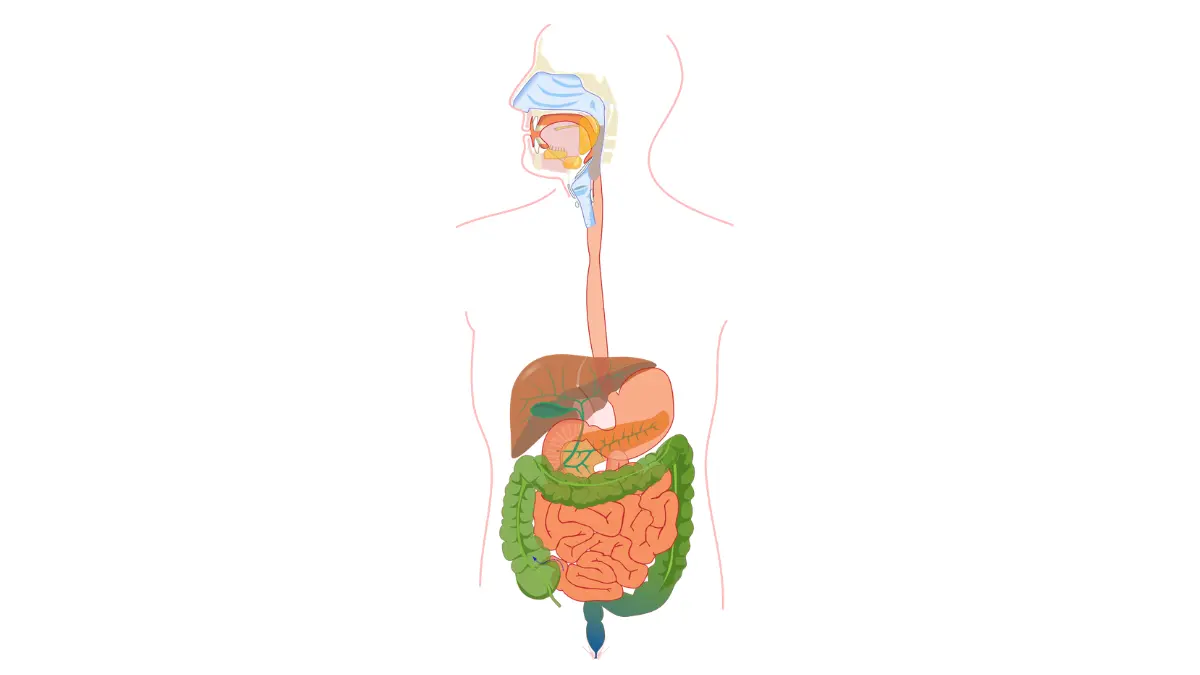
What to Eat After a Colonoscopy large bowel anatomy diagram showing the colon, rectum, and anus.
  • Screening

What to Eat After a Colonoscopy, From First Sips to Normal Meals

What to eat after a colonoscopy comes down to soft, gentle foods first, then a normal diet by the next day. See what helps and what to skip.
  • Dr. Calvin R. Beauregard, MD — Family & Preventive Medicine, Dr. Alicia M. Thornton, MD, MPH — Public Health & Epidemiology and Dr. Nathaniel G. Forsythe, MD, PhD — Translational Medicine & Research
  • June 16, 2026
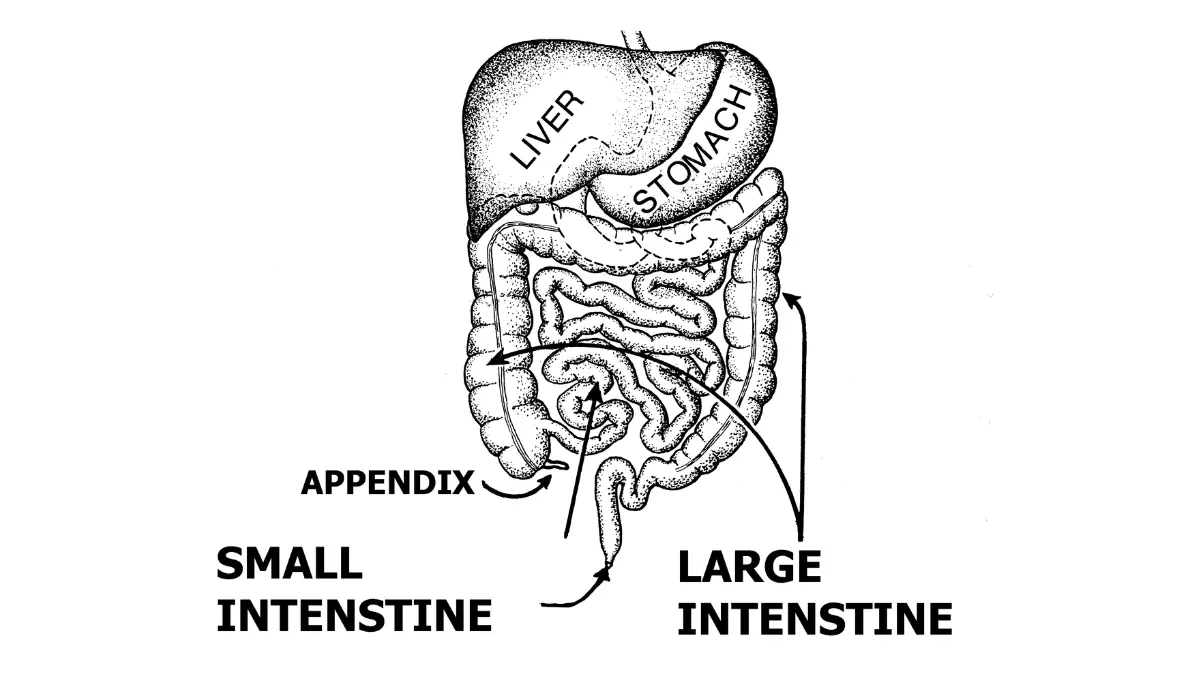
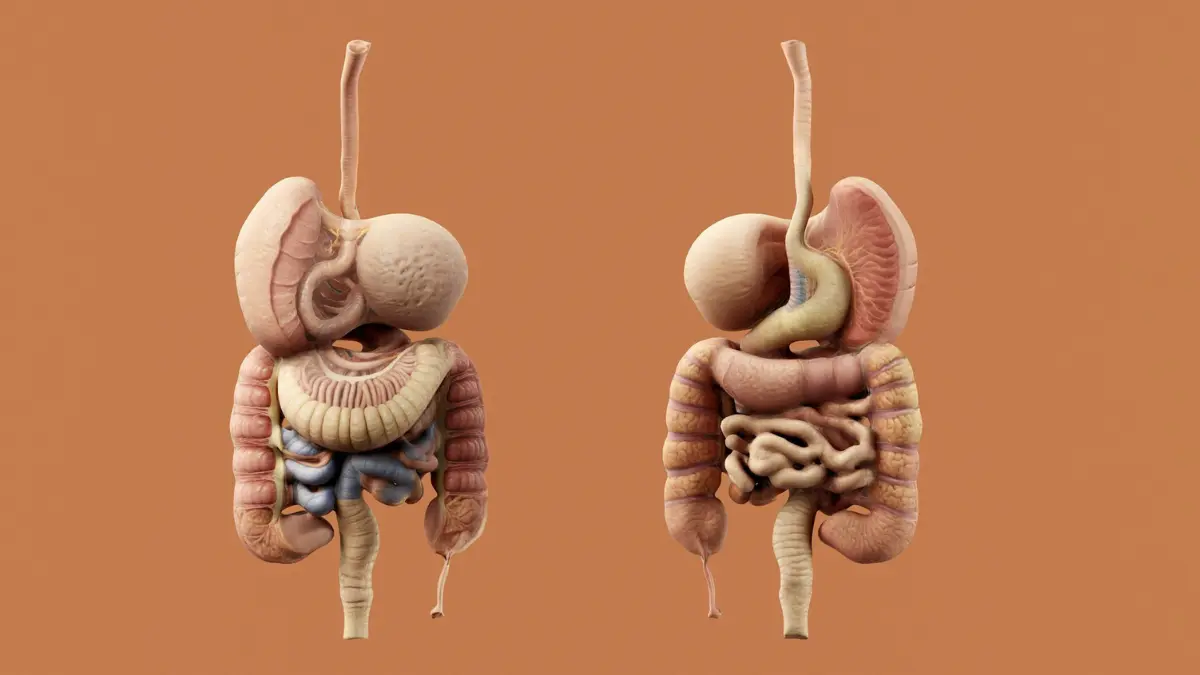
Colonoscopy Recovery — vector diagram of the human digestive system showing stomach, small intestine, and large intestine without text labels
  • Screening

A Clear Guide to Colonoscopy Recovery, Hour by Hour

Colonoscopy recovery is usually smooth, but knowing the timeline helps. Here's what's normal in the first 24 hours—and the red flags you shouldn't ignore.
  • Dr. Calvin R. Beauregard, MD — Family & Preventive Medicine, Dr. Alicia M. Thornton, MD, MPH — Public Health & Epidemiology and Dr. Nathaniel G. Forsythe, MD, PhD — Translational Medicine & Research
  • June 16, 2026
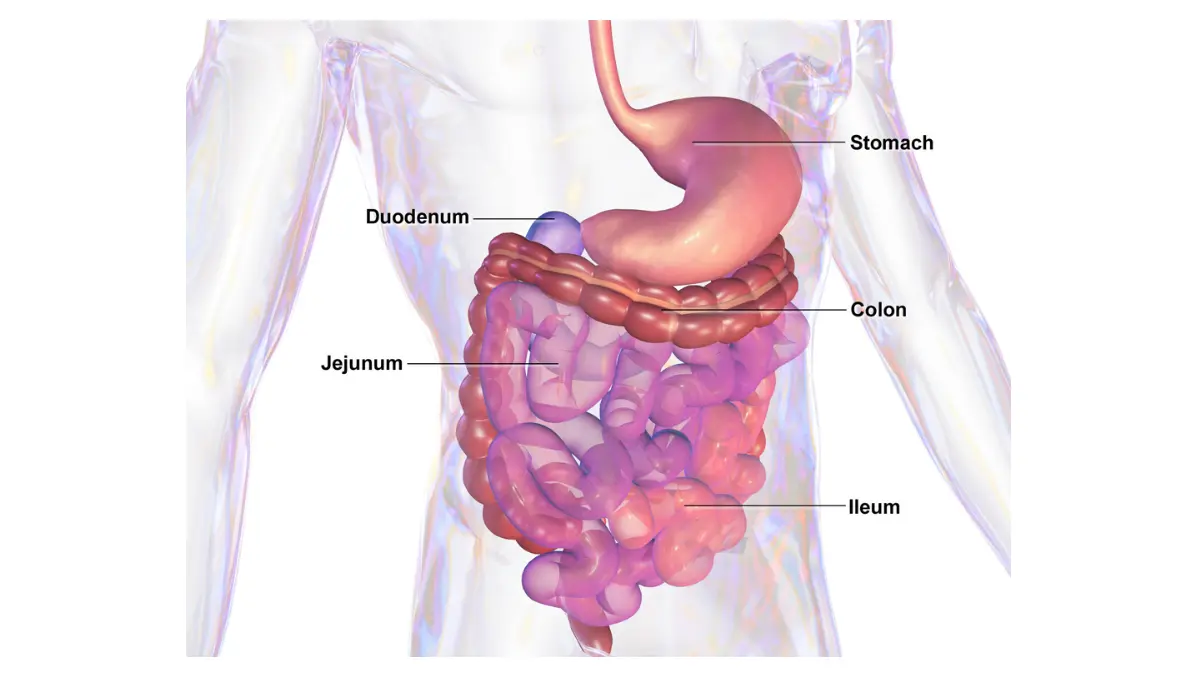
Digital illustration of the digestive system highlighting the colon for a First Colonoscopy patient education article
  • Screening

Know What to Expect at Your First Colonoscopy

First colonoscopy nerves are normal — and most of what people dread is the easy part. You'll likely be asleep, and the prep matters more than the scope.

  • Dr. Calvin R. Beauregard, MD — Family & Preventive Medicine, Dr. Alicia M. Thornton, MD, MPH — Public Health & Epidemiology and Dr. Nathaniel G. Forsythe, MD, PhD — Translational Medicine & Research
  • June 16, 2026
1 2 3 4 … 50
Next
My Medicine Advisor Logo

MyMedicineAdvisor.com is an evidence-based medical platform independently reviewed by 54 board-certified physicians, pharmacists, and healthcare specialists across 14 countries — covering 14 clinical specialties from cardiology and oncology to psychiatry and surgery. Every tool, calculator, and article undergoes a 5-layer clinical review process against WHO, CDC, NIH, and peer-reviewed literature before publication. Our mission is to make accurate, clinician-verified health information permanently free — empowering every patient, caregiver, and health-conscious reader worldwide to make confident, informed medical decisions.

Help & Support

  • Blog
  • About
  • Contact Us
  • Report a Correction
  • Medical Review Process
  • References & Sources
  • Author and Reviewer Directory
  • Community Guidelines and Comment Policy
  • For Clinicians & Researchers
  • Press and Media
  • Brand Press Kit
  • Editorial Policy & Medical Review Process
  • For Clinicians & Researchers — Collaborate
  • Medical Team
  • Global Medical & Wellness Advisory Board
  • Partnerships and Ads

Policies

  • Home
  • Privacy Policy
  • Medical Disclaimer
  • Terms and Conditions
  • Accessibility Statement (WCAG 2.2 AA)
  • Corrections and Updates Policy
  • Ads and Affiliates
  • Cookie Settings
  • AI Transparency
  • Advertising and Sponsorship Guidelines
  • Ethics and Editorial Independence Policy
  • Security and Data Encryption Policy
  • Vulnerability Disclosure
  • Privacy Requests (GDPR/CCPA)

Popular Tools

  • Prescription Checker
  • Symptom Checker
  • Pregnancy Due Date
  • Pill Identifier
  • BMR Calculator
  • Eye Vision Test
  • Diabetes Risk Assessment
  • Medicine Dosage Calculator
  • All Tools

© 2026 MyMedicineAdvisor.com. All Rights Reserved.

The content on this website is reviewed by credentialed medical professionals and is intended for informational purposes only. It is not a substitute for professional medical advice, diagnosis, or treatment. Always consult a qualified healthcare provider with any questions regarding a medical condition.

Unauthorized reproduction or distribution of any content on this site is strictly prohibited.