
On This Page – Quick Medical Summary
Why Men Miss These Life-Saving Signs
James, a 56-year-old father of three, woke up five times every night to urinate for eight months before mentioning it to his doctor. “I thought it was just aging,” he recalls. By the time he sought help, his prostate cancer symptoms had progressed to stage 3—a delay that could have been prevented with earlier awareness of the early warning signs of prostate cancer that too many men dismiss as normal.
The 5 early warning signs of prostate cancer men most commonly ignore are: frequent nighttime urination (getting up 3+ times per night), blood in urine or semen, weak or interrupted urine stream, pain during urination or ejaculation, and new-onset erectile dysfunction in men under 60. Recognizing these first signs of prostate cancer early can be the difference between highly treatable localized disease and advanced cancer requiring aggressive intervention.
Prostate cancer remains the most common cancer among American men aside from skin cancer, with an estimated 313,780 new cases projected in 2025 according to the National Cancer Institute’s SEER program. Despite these staggering numbers, research shows that men wait an average of 6-8 months after noticing prostate cancer symptoms before seeking medical evaluation. This dangerous delay stems from three primary factors: embarrassment about discussing urinary or sexual dysfunction, the mistaken belief that these symptoms are simply part of getting older, and fear of what a diagnosis might mean for their lives.
The reality is that early-stage prostate cancer has a near-perfect survival rate. When detected before spreading beyond the prostate gland, the 5-year relative survival rate exceeds 99%. However, recent data from the Centers for Disease Control and Prevention reveals that 255,395 men were diagnosed with prostate cancer in 2022, and 33,881 died from the disease in 2023—many of these deaths linked to late-stage detection when prostate cancer symptoms men over 50 should have triggered earlier screening.
The symptoms you’re experiencing right now—the ones you’ve been dismissing or planning to “mention at your next physical”—deserve immediate attention. Using tools like our Symptom Checker can help you document patterns in your urinary or sexual health before your doctor’s appointment, but nothing replaces a professional evaluation when first signs of prostate cancer appear.
This comprehensive guide examines each of the 5 early warning signs of prostate cancer in detail, explains how to distinguish concerning symptoms from benign prostate enlargement, identifies who faces elevated prostate cancer risk factors, and provides clear action steps for screening and diagnosis. You’ll learn exactly when to worry, what questions to ask your healthcare provider, and how early detection of prostate cancer symptoms dramatically improves treatment outcomes. Whether you’re experiencing symptoms now or want to understand your risk as you approach 50, this evidence-based information empowers you to take control of your prostate health before small warning signs become serious threats.
Medical Disclaimer: This article is for educational purposes only and does not constitute medical advice. Always consult a board-certified healthcare provider for diagnosis and treatment recommendations.
Understanding Prostate Cancer – What Every Man Must Know
What Is Prostate Cancer?
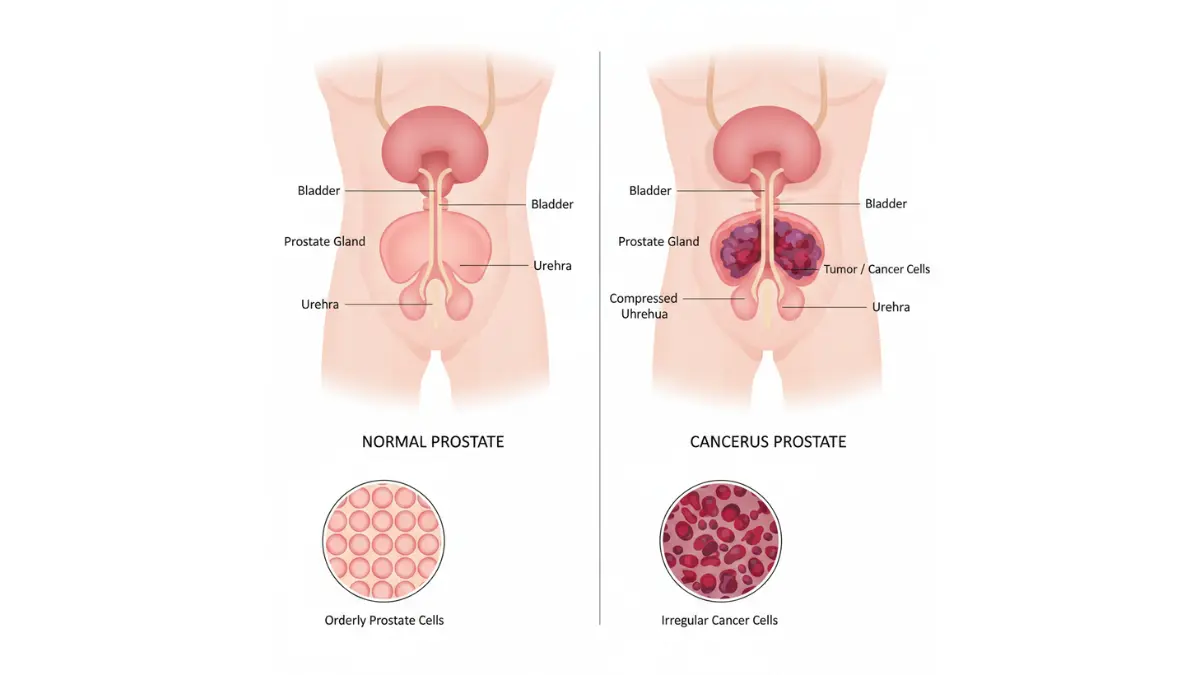
The prostate is a walnut-sized gland located below the bladder that produces seminal fluid to nourish and transport sperm. Prostate cancer occurs when cells in this prostate gland develop genetic mutations that cause them to grow and divide uncontrollably, eventually forming tumors that can invade nearby tissues or spread throughout the body. Unlike many cancers that grow rapidly, most prostate cancers develop slowly over years or even decades, which makes early prostate cancer detection through routine screening remarkably effective at catching the disease when it’s most treatable.
According to research published by the National Institutes of Health, the pathogenesis of prostate cancer has a long induction period, with autopsy studies revealing that many men develop incipient lesions in their 20s and 30s that may not become clinically significant until their 50s or later. This slow progression explains why understanding prostate gland symptoms and risk factors is crucial—men have a significant window of opportunity to detect and treat the disease before it advances.
Who Is At Risk? Understanding Prostate Cancer Risk Factors
The three firmly established and non-modifiable prostate cancer risk factors are age, race/ethnicity, and family history. Age remains the most powerful predictor, with prostate cancer risk beginning to rise sharply after age 55 and peaking between ages 70-74. Race plays an equally critical role: African American men face nearly 60% higher incidence rates and two to three times greater mortality compared to men of other racial backgrounds, prompting medical organizations to recommend earlier prostate cancer screening age starting at 40-45 for this high-risk population.
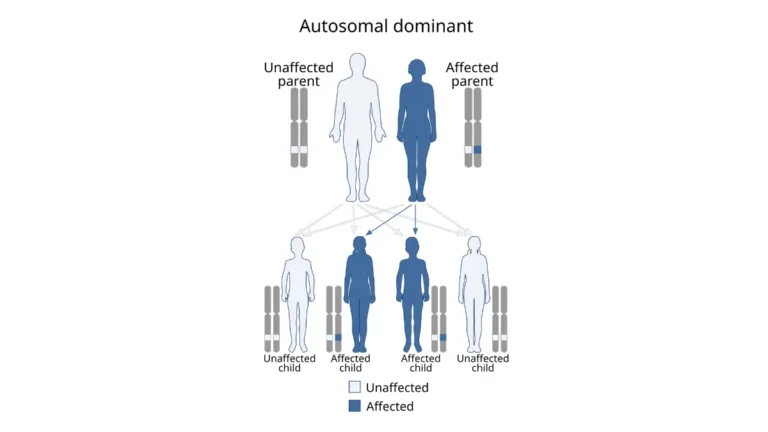
Family history significantly amplifies risk, particularly when first-degree relatives (father, brother, or son) have been diagnosed. Men with one affected first-degree relative have approximately double the risk, while those with multiple affected relatives face up to 11 times the average risk. If you have a family history of prostate cancer, using our Genetic Risk Assessment Tool can help you understand your hereditary risk profile and discuss appropriate screening timelines with your healthcare provider.
Risk Stratification: Who Should Be Screened and When
| Risk Category | Age to Begin Screening | Risk Level | Key Details |
|---|---|---|---|
| Average Risk Men | 50 years | Baseline | CDC recommends individual decision ages 55-69 |
| African American Men | 40-45 years | 2-3x Higher | Earlier screening essential due to aggressive disease presentation |
| Family History (1 relative) | 45 years | 2x Higher | Annual PSA recommended after baseline |
| Family History (2+ relatives) | 40 years | Up to 11x Higher | Genetic counseling advised |
| Ages 70+ | Individual basis | Variable | USPSTF recommends against routine screening unless very healthy |
Additional modifiable prostate cancer risk factors that warrant attention include obesity (men with a BMI Calculator result over 30 face higher risk of aggressive disease), diet high in saturated fats, sedentary lifestyle, and chronic inflammation. While these factors carry less weight than age and genetics, they represent areas where men can take proactive steps to reduce their risk through lifestyle modifications.
Why Early Detection Saves Lives
The contrast between early and late-stage prostate cancer detection outcomes is stark and undeniable. When prostate cancer is detected before spreading beyond the prostate gland, the 5-year relative survival rate reaches nearly 100%, meaning men diagnosed at this stage have essentially the same life expectancy as those without the disease. However, once cancer metastasizes to distant organs like bones or lungs, that survival rate plummets to approximately 32%.
Current screening practices have transformed prostate cancer detection, with over 92% of cases now identified at local or regional stages when treatment is most effective. Research from the European Randomized Study of Screening for Prostate Cancer (ERSPC) demonstrated that men who underwent PSA screening had a 44% decrease in prostate cancer mortality after 14 years of follow-up, with the number needed to screen to prevent one death dropping from over 1,000 men to just 781 as the study matured.
“The biology of prostate cancer makes it uniquely suited to benefit from screening,” explains Dr. Henrik Grönberg, Professor of Cancer Epidemiology at Karolinska Institute in Sweden. “Unlike aggressive cancers that rapidly metastasize, most prostate tumors grow slowly enough that we can intervene during a wide therapeutic window—but only if we’re looking for them. The tragedy is that men who ignore early prostate gland symptoms or avoid screening often present with metastatic disease that could have been prevented.”
The key to maximizing survival lies in recognizing that prostate cancer symptoms develop along a continuum. Subtle early warning signs like changes in urinary patterns or sexual function represent the body’s first alarm—and acting on these signals through prompt medical evaluation and appropriate prostate cancer screening age-based protocols can mean the difference between simple outpatient treatment and complex multimodal therapy for advanced disease.
The 5 Early Warning Signs Men Ignore
Warning Sign #1: Frequent Nighttime Urination (Nocturia)
Michael, a 58-year-old high school teacher, initially blamed his restroom trips on drinking too much water before bed. “I was getting up three or four times every night, but I just thought it was normal aging,” he recalls. It wasn’t until his wife insisted he see a doctor that he discovered elevated PSA levels and early-stage prostate cancer.
Nocturia—waking up multiple times during the night to urinate—is one of the most common yet overlooked early warning signs of prostate cancer. While occasional nighttime bathroom visits are normal, consistently rising three or more times per night warrants medical evaluation. Research tracking nocturia in prostate cancer patients found that over 70% of men with prostate cancer reported at least two episodes of nocturia, a pattern linked to bladder outlet obstruction caused by tumor growth pressing against the urethra.
The challenge lies in distinguishing cancer-related frequent urination men experience from benign prostatic hyperplasia (BPH), an age-related enlargement of the prostate gland that affects most men over 60. Both conditions can cause nocturia, but prostate cancer often presents with a more sudden onset or progressive worsening over just a few months, whereas BPH typically develops gradually over years. Additionally, if nocturia appears alongside other prostate gland symptoms like blood in urine prostate issues or painful urination cancer indicators, the likelihood of malignancy increases significantly.
What This Means For You: If you’re waking up three or more times nightly to urinate, especially if this pattern developed relatively quickly (within 3-6 months), document the frequency using our Symptom Checker for two weeks before your doctor’s appointment. Track not just how often you wake, but also the volume you produce—small amounts suggest bladder irritation, while large volumes may indicate other causes. Mention any lifestyle factors like evening fluid intake or medications that might contribute, and maintain a healthy weight by checking your BMI Calculator since obesity can worsen urinary symptoms.
Warning Sign #2: Blood in Urine or Semen (Hematuria/Hematospermia)
Robert, a 61-year-old accountant, noticed pink-tinged urine one morning but waited three months before seeking help. “I convinced myself it was just a kidney stone or something minor,” he admits. His delayed diagnosis meant his prostate cancer had already spread beyond the capsule, requiring more aggressive treatment than would have been needed with earlier intervention.
Blood in urine (hematuria) or semen (hematospermia) ranks among the most alarming first signs of prostate cancer that men should never ignore. According to the National Cancer Institute’s patient guidelines, while not present in all cases, hematuria and hematospermia often indicate locally advanced prostate cancer that has begun affecting surrounding blood vessels and tissues. The urine may appear pink, red, or cola-colored, while blood in semen cancer presentations typically show rust-colored or dark brown discoloration rather than bright red.
The occurrence of hematospermia deserves particular attention since clinical studies examining this symptom reveal that while most cases stem from benign causes like inflammation or infection, the symptom causes significant anxiety and can occasionally signal underlying malignancy, especially in men over 50. Unlike urinary tract infections that cause blood in urine prostate symptoms alongside burning and urgency, cancer-related hematuria may occur without pain initially, making it deceptively easy to dismiss.
What This Means For You: Any appearance of blood in your urine or semen requires immediate medical evaluation—typically within 1-2 weeks, or sooner if accompanied by pain or difficulty urinating. Don’t wait to “see if it goes away,” as early investigation dramatically improves outcomes. Before your appointment, note the color intensity, whether it appears at the beginning or end of urination, and any associated symptoms. Your doctor will likely order urinalysis, imaging studies, and PSA testing to determine the cause and rule out bladder, kidney, or prostate malignancies.
Warning Sign #3: Weak or Interrupted Urine Stream
Carlos, 54, noticed his morning urination routine taking longer and longer. “I’d stand there waiting for the stream to start, then it would be weak and stop-and-start,” he describes. He delayed evaluation for nearly a year, attributing it to “getting older,” before painful urination prompted him to finally seek help—revealing intermediate-risk prostate cancer.
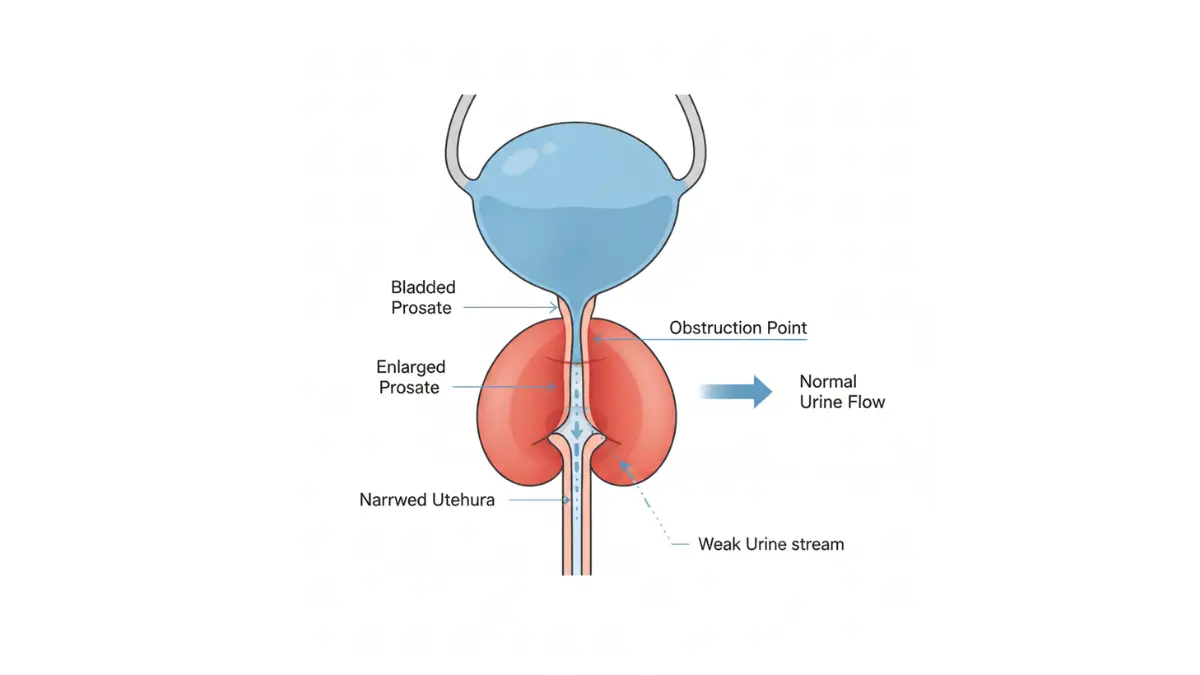
A weak urine stream cancer indicator manifests as difficulty initiating urination, reduced flow force, dribbling, or stream interruption requiring you to push or strain. The National Cancer Institute identifies weak flow and frequent urination as hallmark signs of prostate cancer, occurring when tumor growth narrows the urethra—the tube carrying urine from the bladder through the prostate. This creates urinary retention prostate complications where the bladder never feels completely empty, leaving residual urine that increases infection risk and bladder damage over time.
The distinction between enlarged prostate vs cancer presentations lies in progression speed and accompanying symptoms. BPH-related weak stream typically worsens gradually over 5-10 years, while cancer may cause more rapid deterioration within months. Prostate cancer symptoms men over 50 should watch for include hesitancy (difficulty starting despite feeling an urge), prolonged urination time, post-void dribbling, and the sensation of incomplete bladder emptying despite straining.
What This Means For You: If you notice persistent changes in your urine stream strength or pattern—especially if washing your hands takes longer than actually urinating—schedule a urologist consultation. Before your visit, time how long urination takes and note any straining, starting difficulty, or post-void dribbling. Your physician will perform a digital rectal exam to assess prostate size and consistency, order PSA testing, and possibly conduct uroflowmetry to measure stream force objectively. Early prostate cancer detection through these evaluations often reveals treatable disease before complications like complete urinary retention develop.
Warning Sign #4: Pain or Burning During Urination or Ejaculation
David, 56, experienced sharp burning during urination for weeks but assumed he had a simple urinary tract infection. “I kept thinking it would clear up on its own,” he says. When the painful urination cancer warning persisted and was joined by painful ejaculation, his eventual workup revealed prostate cancer with inflammatory changes requiring immediate treatment.
Dysuria (painful urination) and painful ejaculation represent prostate cancer symptoms that men frequently misattribute to infections or prostatitis (prostate inflammation). However, when these symptoms persist beyond 2-3 weeks despite antibiotics, or occur without fever or acute illness, they warrant comprehensive evaluation for malignancy. The discomfort typically manifests as burning, stinging, or sharp pain during urination, along with pelvic pressure and painful urination cancer presentations during or after ejaculation.
Cancer-related pain differs from infection-based discomfort in several key ways: it tends to be more localized to the perineum (area between scrotum and rectum), progressively worsens rather than fluctuating, and often accompanies other prostate gland symptoms like weak stream or nocturia. National Cancer Institute guidelines on urinary symptoms note that pain or burning during urination should prompt immediate medical assessment, as these symptoms can indicate advancing disease affecting nerve pathways and surrounding tissues.
What This Means For You: Painful urination or ejaculation lasting more than two weeks—especially without fever, chills, or signs of infection—requires urological evaluation. Don’t accept “it’s probably just an infection” without proper testing if symptoms persist after antibiotic courses. Document pain severity (scale of 1-10), exact location, triggers (during urination start, throughout the stream, or after), and whether sexual activity intensifies discomfort. Your evaluation should include PSA testing, urinalysis with culture, and possibly imaging to distinguish between prostatitis, BPH, and cancer.
Warning Sign #5: New-Onset Erectile Dysfunction
Thomas, 52 and previously healthy, developed sudden erectile dysfunction over just a few months. “My primary care doctor was about to prescribe Viagra when he decided to check my PSA first,” he recalls. The test revealed significantly elevated levels, leading to a diagnosis of aggressive prostate cancer that likely would have remained undetected for years without that seemingly unrelated symptom.
Erectile dysfunction (ED) in men under 60 without diabetes, cardiovascular disease, or other obvious causes deserves investigation as a potential early warning signs of prostate cancer. While not as commonly discussed as urinary symptoms, groundbreaking research published in BMC Cancer demonstrated that men with erectile dysfunction prostate cancer connections show approximately 1.24 times higher risk of subsequent cancer diagnosis, with the association particularly strong when ED develops rapidly without clear cause.
The biological mechanism linking ED to occult (hidden) prostate cancer likely involves tumor infiltration affecting neurovascular bundles adjacent to the prostate—the same nerve structures responsible for erectile function. Additionally, research on prostate cancer and sexual function shows that prostate cancer itself can reduce sexual desire and erectile capacity even before diagnosis or treatment, suggesting that malignant changes affect sexual health through both mechanical compression and hormonal disruption.
What This Means For You: If you develop new erectile dysfunction, especially if onset was relatively sudden (over weeks to months rather than years), discuss prostate cancer screening with your physician before assuming the problem is purely vascular or psychological. This is particularly crucial for men under 60, those without cardiovascular risk factors, and anyone with family history of prostate cancer. A baseline PSA test and digital rectal exam cost little but can detect potentially life-threatening disease at its most treatable stage. Meanwhile, assessing overall health through tools like our Heart Rate Zone Calculator can help distinguish cardiac-related ED from other causes.
Distinguishing Cancer from Benign Conditions
One of the greatest challenges in recognizing early warning signs of prostate cancer is distinguishing malignancy from benign prostatic hyperplasia (BPH) and prostatitis, which cause overlapping symptoms. This comparison table clarifies key differences:
| Symptom/Sign | Prostate Cancer | BPH (Benign Enlargement) | Prostatitis (Infection/Inflammation) |
|---|---|---|---|
| Urinary frequency | Moderate to severe | Moderate to severe | Mild to moderate |
| Blood in urine | Common (20-25% of cases) | Rare | Occasionally with infection |
| Blood in semen | Occurs in 10-15% | Very rare | Rare |
| Bone pain | Present in advanced stage | Never | Never |
| Fever/chills | No | No | Often present |
| Age of typical onset | 55+ years | 50+ years | Any age (often 30-50) |
| PSA elevation | Often >10 ng/mL | Usually 4-10 ng/mL | Elevated during infection |
| Pain during urination | Can occur | Rare | Very common |
| Speed of onset | Weeks to months | Years | Sudden (days) |
| Response to antibiotics | None | None | Improves if bacterial |
Understanding these distinctions helps you communicate more effectively with healthcare providers about which prostate cancer symptoms you’re experiencing and how urgently evaluation is needed.
Advanced & Metastatic Warning Signs
When Cancer Spreads Beyond the Prostate
Richard, a 63-year-old construction supervisor, dismissed his persistent lower back pain as “just part of the job” for nearly eight months. “I’d been lifting heavy materials for 30 years—of course my back hurt,” he reasoned. When the pain became so severe it woke him at night and radiated to his hips, imaging revealed advanced prostate cancer that had metastasized to multiple vertebrae and pelvic bones—a diagnosis that could have been caught earlier if he’d recognized the warning signs.
While early-stage prostate cancer often produces subtle urinary or sexual symptoms, advanced prostate cancer signs emerge when the disease spreads beyond the prostate capsule to distant organs. According to the National Cancer Institute’s treatment guidelines, when prostate cancer is detected in an advanced stage, symptoms may include pain in the back, hips, or pelvis that doesn’t go away, along with shortness of breath and other systemic manifestations that signal metastatic spread.

Bone Pain: The Primary Warning of Metastasis
Bone pain represents the most common and often first symptom of metastatic prostate cancer men 50+ experience when the disease spreads beyond its original site. Prostate cancer exhibits a unique predilection for bone, with approximately 80-90% of men with advanced disease developing skeletal metastases, typically affecting the spine, pelvis, ribs, hips, and femurs. Research on prostate cancer induced bone pain published in BMC Cancer reveals that bone pain prostate cancer presentations initially manifest as intermittent dull aches, but as metastatic disease progresses, the pain becomes constant and more severe with greater intensity during movement and increased severity at night that is not necessarily relieved by lying down.
The mechanism behind this debilitating bone pain prostate cancer causes involves both tumor cells directly invading bone tissue and the bone’s osteoblastic response, which creates abnormal new bone formation that is structurally weak and prone to fractures. As NCI researchers note, bone pain may be the first symptom of several forms of cancer, including prostate cancer, highlighting the critical importance of investigating persistent skeletal pain in men over 50, particularly when accompanied by earlier prostate gland symptoms.
Neurological Symptoms and Lymphatic Spread
When prostate cancer metastasizes to pelvic lymph nodes or the spine, it can compress nerves and lymphatic vessels, causing leg swelling (lymphedema), numbness, tingling, or weakness in the lower extremities. Studies examining lymph node metastasis mechanisms in prostate cancer demonstrate that regional lymph node involvement occurs in 5-12% of prostate cancer patients with clinically organ-confined cancer, and those with positive lymph nodes show significantly worse 10-year cancer-specific survival rates. Spinal cord compression from vertebral metastases represents a medical emergency requiring immediate intervention to prevent permanent paralysis.
Systemic Symptoms of Advanced Disease
As prostate cancer progresses to stage 4, systemic symptoms emerge that reflect the body’s struggle against widespread disease. Unexplained weight loss—typically defined as losing 10 pounds or more without dietary changes—occurs when cancer cells consume excessive energy and trigger inflammatory responses that suppress appetite and alter metabolism. Profound fatigue that doesn’t improve with rest, night sweats, and generalized weakness signal that advanced prostate cancer signs are affecting overall health beyond localized symptoms.
Lower back pain that persists for more than six weeks despite conservative treatment (rest, anti-inflammatories, physical therapy) deserves immediate investigation in men over 50, especially those with known prostate cancer risk factors. Unlike mechanical back pain from muscle strain or disc problems that improves with certain positions, metastatic bone pain prostate cancer creates tends to worsen at night, causes awakening from sleep, and progressively intensifies over weeks to months.
What This Means For You: If you experience persistent bone pain—particularly in your lower back, hips, or pelvis—that wakes you at night or doesn’t respond to over-the-counter pain relievers within 2-3 weeks, seek immediate medical evaluation. Don’t dismiss it as arthritis or normal aging, especially if you have concurrent urinary symptoms or elevated prostate cancer risk factors. Emergency warning signs requiring same-day evaluation include new leg weakness, numbness in the groin or inner thighs, loss of bowel or bladder control, or severe bone pain with fever, as these may indicate spinal cord compression or pathological fractures requiring urgent intervention.
Tracking symptoms using our Health Tips resources can help you document pain patterns, severity changes, and associated symptoms before medical appointments. Early detection of metastatic spread through imaging and blood work allows oncologists to initiate treatments that can relieve pain, prevent complications like fractures, and significantly extend survival even when cure is no longer possible. Understanding metastatic cancer progression as outlined by the National Cancer Institute emphasizes that pain management and symptom control remain priorities throughout advanced disease, with multiple therapeutic options available to maintain quality of life.
PSA Test: Understanding Your Numbers
The prostate-specific antigen (PSA) test remains the cornerstone of prostate cancer detection and the most widely used screening tool for identifying disease before symptoms appear. This simple blood test measures the level of PSA—a protein produced by both normal and cancerous prostate cells—in your bloodstream. According to the National Cancer Institute’s PSA fact sheet, while PSA levels can be elevated in men with prostate cancer, they may also rise due to benign conditions like prostate enlargement (BPH), prostatitis, or even recent sexual activity, making interpretation more complex than a simple cutoff number.

Normal PSA levels typically fall below 4 nanograms per milliliter (ng/mL), though this threshold varies by age, with younger men expected to have lower baseline levels. However, the absolute PSA number tells only part of the story. PSA velocity—how quickly your levels rise over time—provides crucial context, with increases exceeding 0.75 ng/mL per year raising concern for malignancy even when absolute values remain below 4 ng/mL. Research published in StatPearls at the NIH’s National Library of Medicine emphasizes that PSA screening remains the single most useful tool for early prostate cancer detection despite controversies about overdiagnosis, offering patients the best chance for cure when disease is identified at treatable stages.
The controversy surrounding PSA test prostate cancer screening stems from its relatively low specificity—many men with elevated PSA don’t have cancer, while some with cancer have normal levels. This limitation led to updated guidelines recommending shared decision-making between patients and physicians about screening timing and frequency, particularly for men ages 55-69 who face the highest incidence but also risk detecting slow-growing cancers that may never threaten health.
Digital Rectal Exam: Still Valuable for Detection
The digital rectal exam (DRE) involves a physician inserting a gloved, lubricated finger into the rectum to palpate the prostate gland, assessing for lumps, hard areas, or asymmetry that might indicate cancer. While uncomfortable, the brief procedure takes only 30-60 seconds and recent research published in BMC Urology demonstrates that DRE remains a powerful predictor of significant prostate cancer in the MRI era, with suspicious findings doubling the overall risk and allowing detection of 2.4% of significant cancers that would be missed by PSA alone.
The combination of PSA testing and DRE provides more comprehensive prostate cancer screening age-appropriate assessment than either test alone, particularly for detecting anteriorly located tumors that may not elevate PSA levels significantly. Using our Genetic Risk Assessment Tool before your screening appointment can help you understand whether family history factors warrant earlier or more frequent testing beyond standard protocols.
Who Should Get Screened? Evidence-Based Guidelines
Current screening recommendations vary by organization but generally follow risk-stratified approaches. The Centers for Disease Control and Prevention screening guidelines explain that two tests—PSA and DRE—are commonly used to screen for prostate cancer, with decisions about screening timing based on age, race, family history, and individual preference after discussing benefits and potential harms with healthcare providers.
Screening Recommendations by Major Organizations
| Organization | Age to Start Screening | High-Risk Groups | Frequency | Age to Stop |
|---|---|---|---|---|
| USPSTF | 55-69 (individual decision) | No specific recommendation | Every 2-4 years | 70+ (recommends against) |
| ACS | 50 (average risk) | 45 (African American or family history) | Annual if PSA >2.5 ng/mL | Based on life expectancy |
| AUA | 55-69 (shared decision) | 40-45 (high risk) | Every 2 years | 70+ (case-by-case) |
| NCCN | 45 (average risk) | 40 (very high risk) | Annual for high risk | Based on health status |
These varying recommendations reflect ongoing debates about balancing early prostate cancer detection benefits against risks of overdiagnosis and overtreatment. Men with multiple prostate cancer risk factors—particularly African American men who face 60% higher incidence and 2-3 times greater mortality —should discuss earlier baseline testing starting at age 40-45 with their healthcare providers.
Beyond PSA: Advanced Diagnostic Testing
When PSA levels are elevated or DRE findings are suspicious, additional testing helps distinguish benign conditions from cancer and assess disease aggressiveness. Multi-parametric MRI (mpMRI) has revolutionized prostate cancer diagnosis by providing detailed imaging that identifies suspicious areas before biopsy, with current European Association of Urology guidelines recommending mpMRI prior to biopsy in men with clinical suspicion based on elevated PSA or abnormal DRE, significantly improving detection rates for clinically significant disease.
Genomic tests like the 4Kscore, Prostate Health Index (PHI), and ExoDx Prostate IntelliScore analyze biomarkers beyond standard PSA to predict cancer likelihood and aggressiveness, helping men avoid unnecessary biopsies when risk is low. MRI-guided targeted biopsy combines imaging precision with tissue sampling, detecting more clinically significant cancers while missing fewer aggressive tumors compared to traditional random biopsy approaches.
Understanding your prostate cancer diagnosis options and preparing questions before appointments ensures you receive personalized screening recommendations matched to your unique risk profile. Maintaining overall health through proper nutrition calculated with our Macro Calculator and healthy weight tracked via our BMI Calculator supports optimal outcomes regardless of screening results.
Take Action – Your Next Steps
If You Have Symptoms
Don’t delay—schedule an appointment with a urologist within two weeks if you’re experiencing any of the early warning signs of prostate cancer discussed in this article. Before your visit, document your symptoms using our Symptom Checker to track patterns in frequency, severity, and timing of urinary changes, blood in urine, or erectile dysfunction. Bring a complete family health history noting any relatives diagnosed with prostate cancer, breast cancer, or other malignancies, as this information guides your screening recommendations and helps assess hereditary risk factors.
If You’re At Risk But Have No Symptoms
Men aged 50 or older with average risk should discuss baseline PSA testing and digital rectal examination with their primary care physician, while African American men and those with family history should begin these conversations at age 40-45 based on CDC recommendations. Annual physical examinations provide opportunities to monitor prostate health before prostate cancer symptoms appear. Adopt lifestyle modifications shown to reduce prostate cancer risk factors, including maintaining a healthy weight verified through our BMI Calculator, following a plant-based diet rich in fruits and vegetables, exercising at least 150 minutes weekly, and limiting red meat and saturated fat intake as outlined in NCI’s prostate cancer prevention guidelines.
Questions To Ask Your Doctor
Come prepared to your appointment with these essential questions: “Should I get a PSA test based on my age and risk factors?” “What is my baseline PSA level, and how does it compare to normal ranges for my age?” “Given my family history and ethnicity, when should I start regular screening?” “What symptoms should prompt immediate follow-up?” “Are there lifestyle changes I can make to reduce my risk?” Having these discussions empowers you to make informed decisions about prostate cancer detection and prevention strategies tailored to your unique situation.
Your Prostate Health Journey Starts Today
Early detection gives you control over your health outcomes and treatment options. The five early warning signs of prostate cancer—frequent nighttime urination, blood in urine or semen, weak urine stream, painful urination or ejaculation, and new-onset erectile dysfunction—are your body’s alarm system signaling that evaluation is needed. Don’t let embarrassment, fear, or assumptions about “normal aging” delay potentially life-saving care. Prostate cancer detected early is highly treatable, with near-perfect survival rates when caught before spreading. Take action today by scheduling your screening, tracking symptoms, and having honest conversations with your healthcare provider. Visit our Health Tips section for additional resources on maintaining optimal prostate health throughout your life.
Frequently Asked Questions About Prostate Cancer Warning Signs
1. What are the 5 early warning signs of prostate cancer?
The five early warning signs are frequent nighttime urination (3+ times per night), blood in urine or semen, weak or interrupted urine stream, pain or burning during urination or ejaculation, and new-onset erectile dysfunction in men under 60.
2. At what age should men start prostate cancer screening?
Average-risk men should discuss screening at age 50, while African American men and those with family history should begin conversations about PSA testing at age 40-45 due to elevated risk factors.
3. What is a normal PSA level?
Normal PSA levels typically fall below 4 ng/mL, though this varies by age with younger men expected to have lower baseline levels. PSA velocity (rate of increase over time) is equally important, with rises exceeding 0.75 ng/mL per year raising concern.
4. Can prostate cancer cause back pain?
Yes, persistent lower back, hip, or pelvic bone pain that worsens at night is the most common symptom of metastatic prostate cancer, occurring when cancer spreads to bones. Any unexplained bone pain lasting more than 2-3 weeks warrants immediate evaluation.
5. How is prostate cancer different from an enlarged prostate (BPH)?
BPH develops gradually over years and rarely causes blood in urine or bone pain, while prostate cancer often progresses faster (weeks to months), may cause blood in urine or semen, and can spread to bones in advanced stages. Both can cause urinary symptoms.
6. Does erectile dysfunction mean I have prostate cancer?
Not necessarily, but new-onset erectile dysfunction in men under 60 without cardiovascular disease or diabetes should prompt prostate evaluation, as research shows men with ED have 1.24 times higher risk of subsequent cancer diagnosis.
7. Is blood in urine always a sign of prostate cancer?
No, blood in urine can result from infections, kidney stones, or BPH, but it requires immediate medical evaluation to rule out bladder, kidney, or prostate cancer. Cancer-related blood in urine often appears without pain initially.
8. How accurate is the PSA test for detecting prostate cancer?
The PSA test is the most useful early detection tool but has limitations—elevated PSA doesn’t always mean cancer (can indicate BPH or infection), and some cancers don’t elevate PSA significantly. Combining PSA with digital rectal exam improves accuracy.
9. What lifestyle changes reduce prostate cancer risk?
Maintain a healthy BMI, follow a plant-based diet rich in fruits and vegetables, exercise at least 150 minutes weekly, limit red meat and saturated fats, and avoid smoking. These modifications help reduce risk but cannot eliminate it entirely.
10. When is prostate cancer most treatable?
Prostate cancer is most treatable when detected before spreading beyond the prostate gland, with 5-year survival rates near 100% for localized disease. Early detection through screening and recognizing warning signs dramatically improves outcomes.
11. Should I worry about nighttime urination if I’m over 50?
Waking up 1-2 times nightly can be normal with aging, but consistently rising 3+ times per night, especially with sudden onset or worsening over a few months, warrants PSA testing and urological evaluation to rule out prostate cancer or other conditions.
About this content
How this article was put together: researched from recognised health sources, drafted with the help of AI tools, and edited by hand, with sources linked throughout.

Sameer Patel is the founder and editor of My Medicine Advisor. He is not a doctor or medical professional — before starting this site he worked in banking,…
Medical disclaimer
The content on MyMedicineAdvisor is provided for general informational and educational purposes only and is not a substitute for professional medical advice, diagnosis, or treatment. Health information on this website should not be used to diagnose, treat, cure, or prevent any condition without guidance from a qualified healthcare professional. Always seek the advice of your doctor, physician, or another licensed healthcare provider with any questions you may have regarding a medical condition, symptoms, medications, or treatment decisions.