
On This Page – Quick Medical Summary
Real Patient Bills Decoded – What $8K to $38K Actually Buys You (2025)
Why Does the Same Surgery Cost 4X More Across State Lines?
Sarah walked out of a Texas bariatric center with a $12,845 bill for her gastric sleeve. Three states away, Mike received a $34,200 invoice for the identical laparoscopic procedure in California. Same surgery, same recovery outcomes, but a $21,355 price difference that no one warned them about.
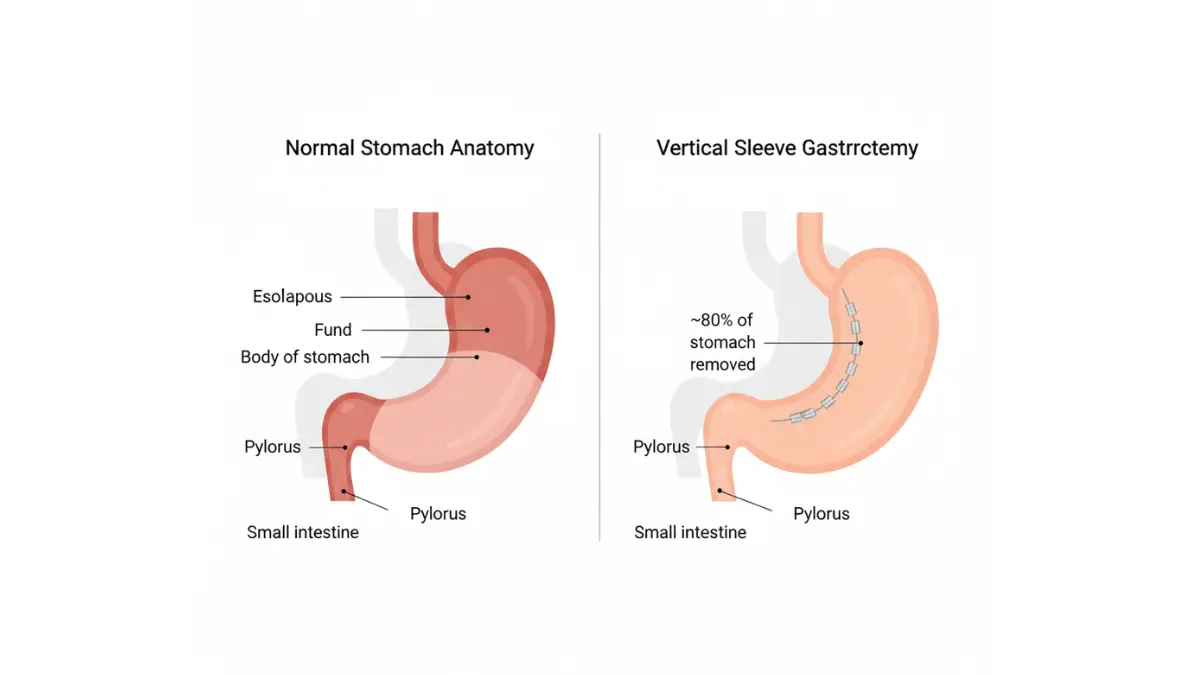
Gastric sleeve surgery costs range from $8,000 for self-pay medical tourism options to $38,000 for full insurance-covered procedures in major US metropolitan areas in 2025, with the national average landing at $19,459 for vertical sleeve gastrectomy according to recent patient billing data. The procedure, also called laparoscopic sleeve gastrectomy, removes approximately 80% of the stomach to restrict food intake and reduce hunger hormones.
Understanding why these dramatic price variations exist requires examining what’s actually included in your final gastric sleeve cost and what hidden expenses catch patients off guard months after surgery.
Three Real Patient Bills Broken Down (2025 Data)
| Cost Component | Low-Cost Self-Pay (Texas) | Mid-Range Insurance (Florida) | High-End Metro (California) |
|---|---|---|---|
| Surgeon Fee | $3,500 | $6,200 | $12,500 |
| Hospital/Facility Fee | $4,200 | $8,900 | $16,800 |
| Anesthesia | $800 | $1,450 | $2,900 |
| Pre-Op Testing | $495 (included) | $1,200 | $1,850 |
| Post-Op Follow-Up (6 months) | $0 (pay per visit) | $1,250 (bundled) | $3,150 (bundled) |
| Nutritionist Consultation | $0 (not required) | $600 | $950 |
| Psychological Evaluation | $0 (optional) | $350 | $550 |
| Medical Supplies/Equipment | Included | $1,500 | $1,500 |
| TOTAL PATIENT COST | $8,995 | $21,450 | $40,200 |
*Sources compiled from patient-reported bills and facility self-pay pricing *
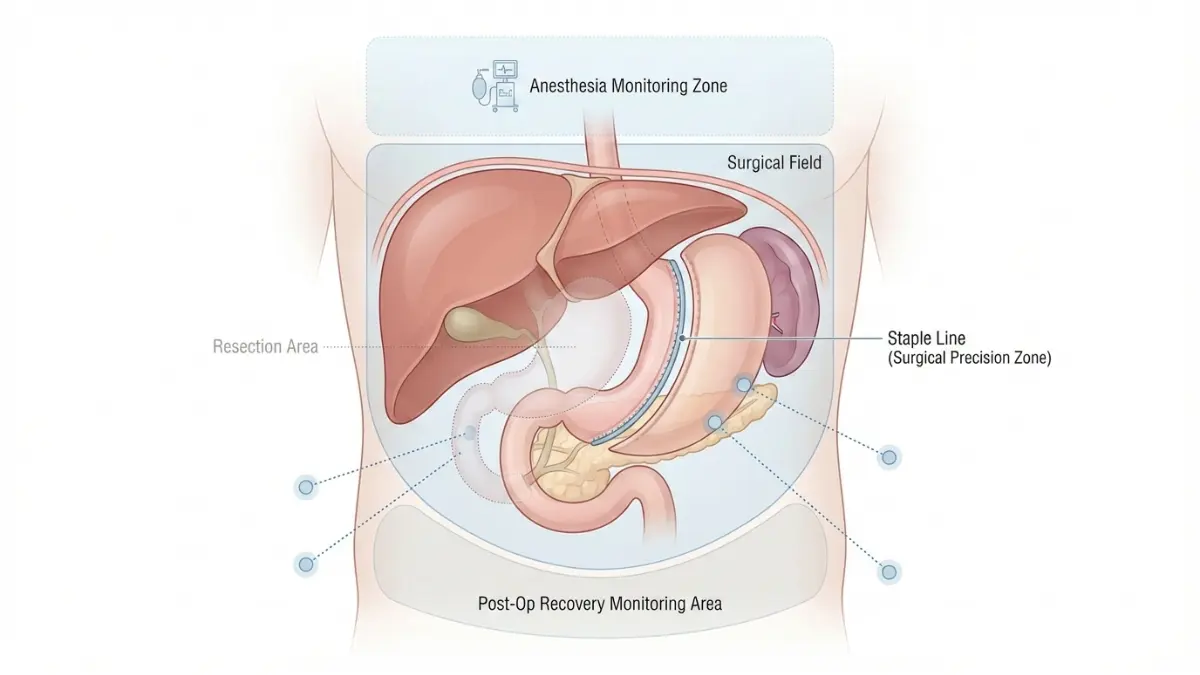
The lowest-cost option shown reflects self-pay pricing at accredited US bariatric centers that streamline operations and offer package deals. Mid-range costs represent typical insurance-covered procedures after deductibles and co-insurance. High-end pricing occurs in California, New York, and Massachusetts where facility overhead drives costs upward.
Hidden Fees That Blindside Patients
Beyond the surgical quote, gastric sleeve patients encounter unexpected expenses that can add $2,000-$6,500 to their total investment:
- Pre-operative requirements: Sleep apnea testing ($500-$2,000), cardiac clearance EKG ($200-$400), upper endoscopy screening ($800-$1,500)
- Mandatory nutrition program: Some insurance plans require 3-6 months of supervised weight loss attempts costing $150-$300 per session
- Post-surgery essentials: Liquid diet protein supplements ($200-$400 monthly for 8 weeks), bariatric vitamins ($50-$100 monthly for life), compression garments ($120-$250)
- Complication coverage: Emergency room visits for dehydration or leaks can trigger $5,000-$15,000 in additional bills if complications arise within the first 30 days according to NIH longitudinal bariatric surgery research
- Body contouring surgery: After achieving weight loss goals, 60-70% of patients pursue skin removal procedures costing $8,000-$25,000 not covered by insurance
Understanding your baseline using a BMI calculator helps determine if you meet the standard qualification threshold of BMI 40+ or BMI 35-39.9 with obesity-related conditions like type 2 diabetes or hypertension.
What This Means For You
The National Institute of Diabetes and Digestive and Kidney Diseases confirms that laparoscopic gastric sleeve procedures carry a 0.2% mortality rate and only 4.1% risk of major complications when performed at accredited centers. Your cost depends less on quality and more on geographic location, insurance coverage, and whether you pursue self-pay options.
Patients who explore bariatric surgery cost options comprehensively, including understanding the full scope of related expenses, make more informed financial decisions. The most affordable gastric sleeve doesn’t always mean medical tourism—strategic use of self-pay pricing at US facilities often delivers better value than navigating insurance approval delays.
Calculate your eligibility and potential out-of-pocket costs before scheduling consultations to avoid surprise bills.
State-by-State Cost Analysis + Insurance Coverage Decoder
Geographic Price Gaps No One Talks About
Your zip code determines your gastric sleeve cost more than your surgeon’s skill level. A patient in Oklahoma pays $16,930 on average while someone 1,500 miles west in Hawaii faces a $30,888 bill for identical laparoscopic sleeve gastrectomy. These aren’t outliers—they’re systematic regional pricing patterns driven by facility overhead, malpractice insurance rates, and market competition.
Understanding where your state falls on the cost spectrum helps you decide whether traveling for surgery makes financial sense or if fighting for insurance approval delivers better value.
2025 Gastric Sleeve Cost by State
| State | Average Cost | Cost Without Insurance | Typical Insurance Coverage |
|---|---|---|---|
| Hawaii | $30,888 | $28,000-$33,000 | 60-80% after deductible |
| Alaska | $28,450 | $25,500-$31,000 | 65-75% after deductible |
| California | $26,730 | $22,000-$38,000 | 70-85% after approval |
| New York | $25,890 | $21,500-$34,000 | 70-80% after approval |
| Massachusetts | $24,670 | $20,000-$29,500 | 75-85% after approval |
| Florida | $19,850 | $16,000-$24,000 | 65-80% after approval |
| Texas | $18,200 | $12,000-$23,000 | 60-75% after approval |
| Arizona | $17,930 | $14,500-$21,000 | 65-75% after approval |
| Georgia | $17,540 | $13,800-$20,500 | 60-70% after approval |
| Oklahoma | $16,930 | $13,200-$19,500 | 60-70% after approval |
*Data compiled from 2025 patient reports and facility pricing *
California and Texas show the widest cost ranges because both states host medical tourism hubs offering self-pay packages alongside premium hospital-based programs. Patients who verify their current status through a weight loss calculator before comparing state options gain clearer ROI projections.
Insurance Approval Blueprint: BMI Thresholds
Medicare covers bariatric surgery for beneficiaries meeting strict BMI requirements, setting the standard that private insurers typically follow. The universal coverage threshold requires BMI 35 or higher, though specific conditions vary by carrier.
Major Insurance Carrier Requirements (2025):
- United Healthcare: BMI ≥40 OR BMI 35-39.9 + type 2 diabetes, hypertension, or sleep apnea
- Blue Cross Blue Shield: BMI ≥40 OR BMI 35-39.9 + two obesity-related comorbidities
- Aetna: BMI ≥40 OR BMI 35-39.9 + cardiovascular disease or joint disease
- Cigna: BMI ≥40 OR BMI 35-39.9 + documented 6-month physician-supervised weight loss attempt
- Medicare/Medicaid: BMI ≥35 with one comorbidity at CMS-approved facilities only
The Centers for Medicare & Medicaid Services expanded coverage to include type 2 diabetes as a qualifying comorbidity, recognizing gastric sleeve surgery as effective diabetes treatment for morbidly obese patients. Private insurers followed this guidance, creating the standard BMI 35 threshold with metabolic disease that dominates 2025 approval criteria.
The 6-Month Supervised Diet Trap
Most insurance policies require documented proof of physician-supervised weight loss attempts spanning six consecutive months before approving gastric sleeve coverage. Missing a single monthly check-in resets your timeline to day zero.
What “Supervised Weight Loss” Actually Means:
- Monthly visits with primary care physician or registered dietitian
- Documented weight measurements at each visit
- Written diet and exercise plan revisions
- Failed weight loss attempts (must show effort, not success)
- Total cost: $900-$1,800 for the full six-month program
This requirement delays surgery by 6-12 months compared to self-pay options, which explains why 28% of eligible patients choose to bypass insurance entirely and pay $9,995-$15,000 out-of-pocket for immediate scheduling.
Self-Pay vs Insurance: Real ROI Comparison
| Factor | Insurance Route | Self-Pay Route |
|---|---|---|
| Timeline to Surgery | 6-12 months | 2-4 weeks |
| Total Out-of-Pocket | $3,500-$8,000 | $8,995-$15,000 |
| Pre-Op Requirements | Extensive (sleep study, psych eval, 6-month diet) | Minimal (basic labs, consultation) |
| Complication Coverage | Fully covered | Pay per incident or negotiate upfront coverage |
| Revision Surgery | Covered if medically necessary | Self-pay ($15,000-$25,000) |
| Best For | Patients with time and severe comorbidities | Patients needing fast intervention |
Medical Tourism: Mexico & Beyond
Gastric sleeve surgery in Mexico costs $4,500-$7,000 at JCI-accredited facilities compared to $15,000-$38,000 in the US. Tijuana, Monterrey, and Cancún host internationally certified bariatric centers where US-trained surgeons perform 200-500 procedures annually.
Safety considerations patients must evaluate:
- JCI accreditation verification (Joint Commission International standard)
- US follow-up care coordination for post-operative complications
- Travel medical insurance covering cross-border emergency transport ($300-$800)
- No legal recourse for malpractice claims in foreign jurisdictions
The 15-20% cost savings attracts 12,000+ Americans annually, but gastric sleeve medical tourism requires accepting higher logistical risk for substantial financial benefit.
Financing & Payment Plans – Make $20K Surgery Affordable on Any Budget
Zero Down, Surgery in 30 Days: How Payment Plans Work
Jessica couldn’t afford $19,500 upfront for her gastric sleeve procedure. Her credit score of 620 disqualified her from traditional medical loans. Yet she scheduled surgery for three weeks later with $0 down and monthly payments of $238 spread across 60 months.
Medical financing for gastric sleeve surgery has evolved beyond traditional bank loans into specialized healthcare credit programs that approve 85-95% of applicants regardless of credit history. These gastric sleeve payment plans make vertical sleeve gastrectomy accessible to patients earning $35,000-$75,000 annually who can’t liquidate savings for a $15,000-$25,000 procedure.
Top Gastric Sleeve Financing Options (2025)
Cherry Financing (Most Common Self-Pay Option)
- Monthly payments: $215-$238 for $12,000-$15,000 procedures
- APR range: 0% promotional (12-24 months) OR 9.99-29.99% standard
- Qualification: 90% approval rate, 580+ credit score preferred
- Timeline: Approval in 60 seconds, surgery scheduled within 2-4 weeks
CareCredit Medical Credit Card
- 0% APR for 12-24 months on procedures $1,000+
- Deferred interest converts to 26.99% if balance remains after promotional period
- Credit limit: $500-$25,000 based on creditworthiness
- Advantage: Reusable for post-surgery needs (vitamins, follow-ups)
Hospital In-House Payment Plans
- Terms: 6-12 months interest-free or 12-24 months low interest (3-8% APR)
- Requirements: 20-30% down payment typical
- Advantage: No third-party credit check, negotiable terms
- Limitation: Shorter repayment windows increase monthly burden
AccessOne Healthcare Financing
- University medical center partnerships offering 100% approval programs with no credit checks
- Extended terms: 24-60 months with payments as low as $150/month
- Family account consolidation for multiple procedures
Tax-Advantaged Gastric Sleeve Financing: HSA/FSA Strategy
Bariatric surgery qualifies as an IRS-approved medical expense when treating diagnosed obesity (BMI 35+) as a specific medical condition. This classification allows patients to use pre-tax Health Savings Account (HSA) or Flexible Spending Account (FSA) funds to cover gastric sleeve costs.
How to Maximize Tax Savings:
- Pre-tax contribution: $4,150 individual / $8,300 family HSA limit (2025)
- Tax savings calculation: 22% federal + 5% state = 27% effective discount ($19,500 surgery = $5,265 tax savings)
- Eligible expenses: Surgeon fees, hospital costs, anesthesia, pre-op testing, post-surgery vitamins if medically necessary
- Ineligible expenses: Cosmetic body contouring, gym memberships, general weight loss programs without physician diagnosis
Patients planning gastric sleeve surgery in 12-18 months should maximize annual HSA contributions to build a $8,000-$12,000 tax-free surgical fund. Understanding how to structure your ideal weight goals helps determine total financial needs including post-operative nutritional support.
Self-Pay Discount Leverage
Bariatric surgery centers offer 15-35% discounts for patients paying cash upfront instead of billing insurance. A $24,000 insurance-billed procedure drops to $12,995 self-pay because facilities avoid insurance company negotiation overhead and guarantee immediate payment.
When self-pay gastric sleeve makes financial sense:
- Insurance requires 6-12 month delay but medical urgency exists (uncontrolled diabetes, severe sleep apnea)
- Out-of-pocket maximum already met this calendar year (no additional insurance benefit)
- High-deductible plan where patient pays first $6,000-$10,000 anyway
- Medical tourism savings of 60-70% justify short-term travel
Revision Surgery Cost Protection
Approximately 10-15% of gastric sleeve patients require revision surgery within 5-10 years due to sleeve dilation or insufficient weight loss. Revision procedures cost $15,000-$25,000 and most insurance plans deny coverage for “elective” revisions.
Financial protection strategies:
- Confirm upfront if financing plan covers complications within 90 days
- Purchase extended warranty coverage ($1,500-$3,000) covering revisions
- Choose bariatric centers offering lifetime follow-up programs
- Factor revision risk into total 10-year weight loss projection calculations
Patients who compare comprehensive bariatric surgery costs beyond the initial procedure price make more sustainable financial decisions.
Gastric Sleeve vs Gastric Bypass – Cost, Results & Recovery Compared
Which Procedure Actually Works Better Long-Term?
Amanda’s surgeon recommended gastric bypass for $23,000. Her friend Jennifer paid $19,500 for gastric sleeve surgery and lost identical weight—65 pounds in 12 months. Two years later, Amanda maintained her loss while Jennifer regained 15 pounds and developed severe acid reflux requiring daily medication.
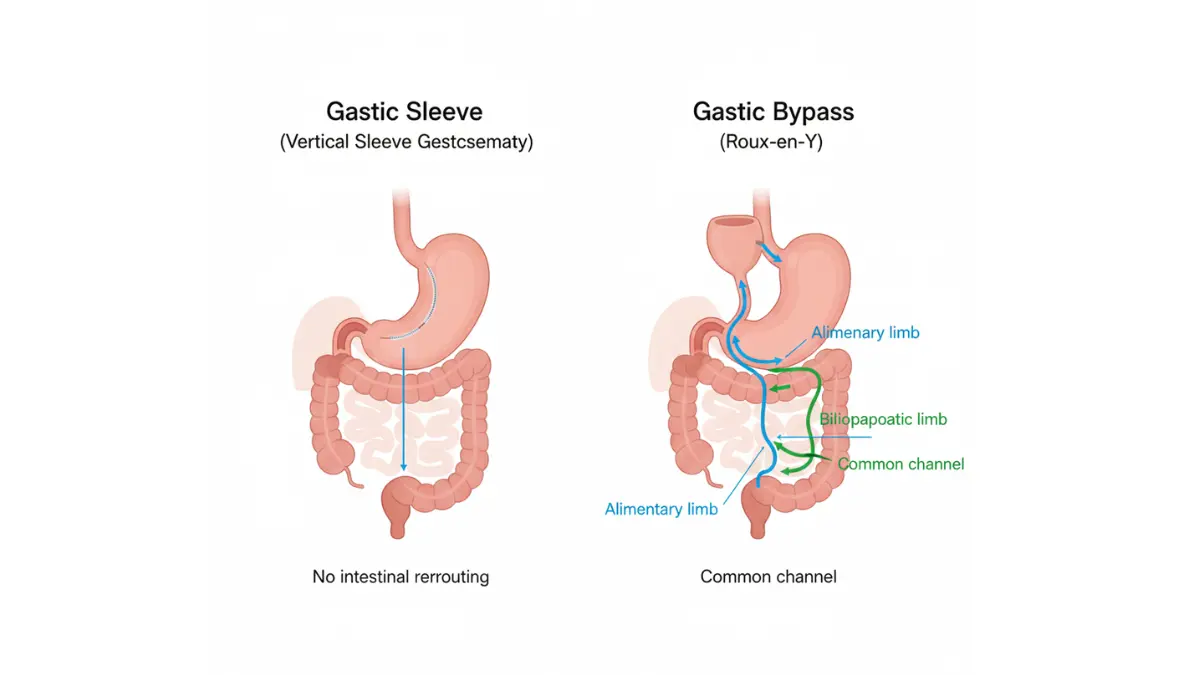
The choice between gastric sleeve and gastric bypass extends beyond initial price tags. Long-term outcomes reveal distinct performance patterns that determine which procedure delivers better value over 5-10 years.
Side-by-Side Cost & Outcome Comparison
Research published in NIH databases confirms that gastric sleeve carries lower complication rates than gastric bypass at the 2-year mark, with fewer re-interventions and reduced overall healthcare spending.
Recovery Timeline: What Actually Happens
Gastric Sleeve Recovery Progression:
- Days 1-3: Hospital stay with liquid diet only, drain tube removal day 2-3
- Week 1-2: Clear liquids transitioning to full liquids, walking 10-15 minutes twice daily
- Week 3-4: Pureed foods introduction, return to desk work possible
- Week 5-8: Soft foods phase, light exercise approved, protein intake tracking critical for healing
- Month 3+: Regular foods with portion control, full activity resumption
Gastric Bypass Recovery Progression:
- Days 1-4: Longer hospital stay due to intestinal rerouting complexity
- Week 1-2: Liquid diet with vitamin supplementation protocol
- Week 3-6: Gradual food texture progression, higher malabsorption risk
- Week 7-12: Return to normal activity with lifetime nutritional monitoring
- Ongoing: Monthly B12 injections often required, iron supplementation mandatory
The sleeve gastrectomy recovery period typically allows patients to return to work within 2-4 weeks compared to 4-6 weeks for gastric bypass due to the less invasive nature of the procedure.
Complication Risks by Procedure Type
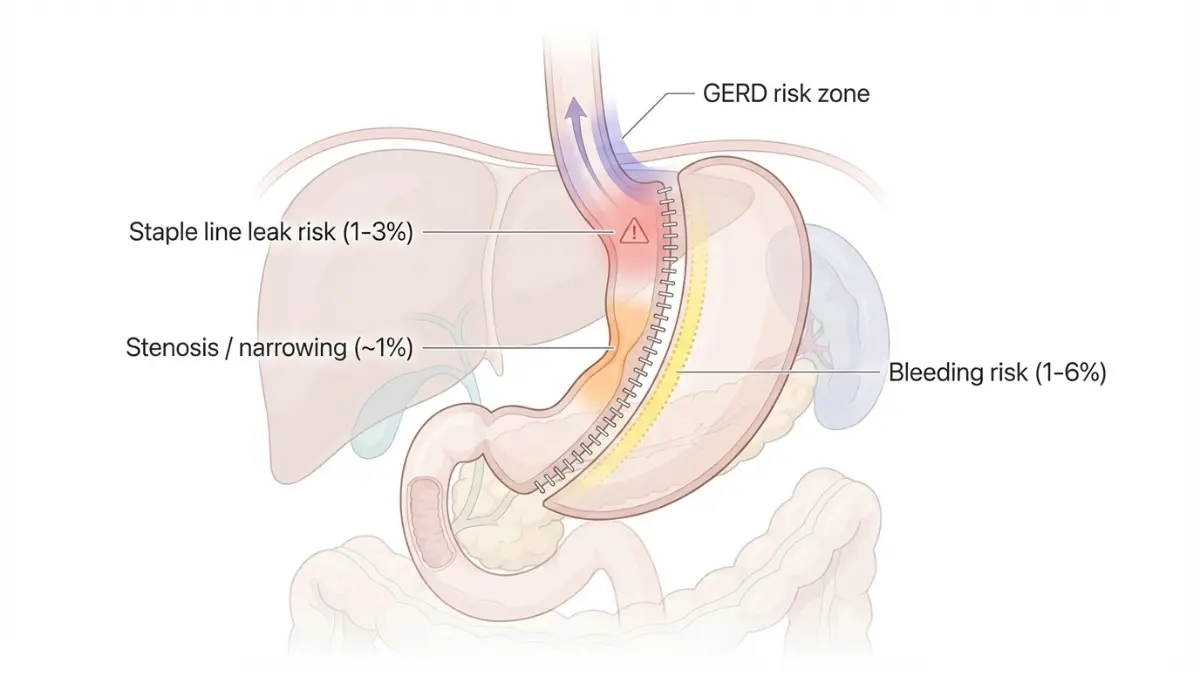
Gastric Sleeve Complications (1-10% incidence):
- Staple line leak: 1-3% risk requiring emergency intervention ($8,000-$15,000)
- Bleeding: 1-6% requiring transfusion or reoperation
- Gastric stenosis: 1% occurrence (10% in revision cases)
- GERD development/worsening: 20-30% of patients experience new or intensified acid reflux
- Nutrient deficiencies: Less severe than bypass but still require lifelong supplementation
Gastric Bypass Complications (10-17% incidence):
- Internal hernia: 3-5% risk requiring surgical correction
- Marginal ulcers: 5-15% incidence at gastric-intestinal connection
- Dumping syndrome: 20-50% experience rapid gastric emptying causing nausea, diarrhea
- Severe malnutrition: Higher vitamin/mineral deficiency rates requiring aggressive supplementation
- Bowel obstruction: 1-2% lifetime risk from intestinal adhesions
Comparative safety data from NIH-funded research shows sleeve gastrectomy patients experienced 1.29% mortality risk over 5 years compared to 2.15% for gastric bypass patients in Medicaid populations.
Which Procedure Wins for Type 2 Diabetes?
Gastric bypass demonstrates superior long-term diabetes resolution compared to gastric sleeve, with bypass patients achieving better glycemic control at 4-year follow-up. The more extensive intestinal rerouting in bypass procedures triggers hormonal changes that improve insulin sensitivity beyond simple weight loss effects.
Patients with BMI 35-39.9 and uncontrolled type 2 diabetes may justify the additional $4,000-$6,000 cost and higher complication risk of gastric bypass for better metabolic outcomes. Those primarily focused on weight loss without severe diabetes should consider the lower-cost, safer gastric sleeve option with understanding that metabolic syndrome risk factors may require ongoing medical management.
How to Choose the Best Surgeon Without Overpaying
The Surgeon Selection Trap Costing Patients $10K+
David paid $34,500 for gastric sleeve surgery with a “top-rated” surgeon who had performed only 32 procedures lifetime. Six months later, he developed a staple line leak requiring emergency revision surgery costing an additional $18,000. His insurance denied coverage because the original surgeon lacked proper accreditation credentials.
Choosing the best gastric sleeve surgeon requires evaluating specific qualifications beyond marketing claims and online star ratings. The difference between an experienced, accredited surgeon and an under-qualified practitioner determines not just outcomes but total long-term costs.
Non-Negotiable Surgeon Qualifications
Medicare requires bariatric surgeons to meet strict credentialing standards including American Board of Surgery (ABS) certification and documented experience caring for bariatric surgical patients. These federal standards establish the baseline any gastric sleeve surgeon must exceed.
Essential Credentials to Verify:
- Board Certification: American Board of Surgery certification (verify at absite.org)
- Fellowship Training: Completed specialized bariatric surgery fellowship or ASMBS Fellow designation
- MBSAQIP Verification: Metabolic and Bariatric Surgery Accreditation and Quality Improvement Program verified surgeon status
- Annual Case Volume: Minimum 50 gastric sleeve procedures per year; optimal 100+ annually
- 24-Month Experience Requirement: At least 2 years providing bariatric surgery services before independent practice
Surgeons performing fewer than 50 annual procedures demonstrate 2-3x higher complication rates compared to high-volume surgeons completing 100-200 cases yearly.
The Price-Quality Sweet Spot
| Price Tier | Typical Cost | Red Flags | Value Assessment |
|---|---|---|---|
| Budget ($8K-$12K) | $8,995-$11,500 | May lack MBSAQIP accreditation, limited follow-up | Acceptable IF surgeon verified + US facility |
| Mid-Range ($15K-$22K) | $15,000-$21,500 | Best value zone for accredited centers | Optimal price-quality balance |
| Premium ($25K-$38K) | $25,000-$38,000 | Often inflated by metro location, not outcomes | Rarely justified unless complex revision |
The gastric sleeve surgery cost difference between a $9,000 non-accredited facility and a $19,500 MBSAQIP-accredited center of excellence often justifies itself through lower revision rates and included complication management.
Questions to Ask Before Paying Your Deposit
Surgeon-Specific Questions:
- “How many gastric sleeve procedures have you personally performed?” (Demand specific numbers, not ranges)
- “What is your staple line leak rate?” (Should be under 2%)
- “Can you provide patient references from the past 6 months?”
- “Are you MBSAQIP verified and can I verify your credentials independently?”
Facility-Specific Questions:
- “Is this facility ACS MBSAQIP accredited as a Comprehensive Bariatric Surgery Center?”
- “What does your all-inclusive price cover, and what scenarios trigger additional charges?”
- “Do you have a written complication coverage policy for the first 90 days?”
- “What is your 30-day readmission rate?” (National average is 5-7%)
Centers refusing to provide specific outcome data or claiming “proprietary information” typically underperform national benchmarks.
Medical Tourism Safety Verification
For patients considering affordable gastric sleeve options internationally, JCI (Joint Commission International) accreditation serves as the global equivalent of US hospital accreditation standards. Research confirms that JCI-accredited facilities demonstrate measurable improvements in patient safety outcomes, reduced medical errors, and lower readmission rates compared to non-accredited international facilities.
Critical Medical Tourism Checklist:
- Verify JCI accreditation on official JCI website (not facility marketing materials)
- Confirm surgeon trained in US/EU/Canada with verifiable credentials
- Arrange US follow-up care before traveling (most complications occur 30-90 days post-op)
- Purchase medical evacuation insurance covering cross-border emergency transport ($500-$1,200)
Patients who establish care with their local bariatric center before and after medical tourism procedures avoid the $8,000-$25,000 emergency complication costs that occur when US hospitals manage failed international surgeries.
Eligibility, Requirements & What Happens After Surgery
Do You Actually Qualify for Gastric Sleeve Surgery?
Maria’s BMI was 37 with well-controlled type 2 diabetes. Her insurance company denied coverage three times citing “insufficient medical necessity.” After documenting uncontrolled blood sugar for six months and adding sleep apnea diagnosis, her fourth appeal succeeded, unlocking $17,500 in insurance coverage for vertical sleeve gastrectomy.
Gastric sleeve qualifications follow strict medical criteria established by the National Institutes of Health in 1991, though recent evidence suggests expanding access to patients with BMI 30-34.9 when metabolic disease is present. Understanding these thresholds determines whether you’ll pay $8,995 self-pay or secure insurance approval worth $15,000-$25,000.
Official BMI Requirements for 2025
Standard NIH Eligibility Criteria:
- BMI ≥40 kg/m² regardless of comorbidity status (unrestricted qualification)
- BMI 35-39.9 kg/m² with at least one obesity-related comorbidity:
- Type 2 diabetes mellitus (any severity)
- Hypertension requiring medication
- Obstructive sleep apnea (AHI ≥5 on sleep study)
- Non-alcoholic fatty liver disease (NAFLD)
- Severe joint disease limiting mobility
- Heart disease or prior myocardial infarction
- BMI 30-34.9 kg/m² with type 2 diabetes (emerging coverage, not universally approved)
Updated recommendations from the American Society for Metabolic and Bariatric Surgery now suggest metabolic and bariatric surgery for individuals with BMI >35 regardless of comorbidity severity, reflecting evolving understanding of obesity as a disease rather than lifestyle choice.
Calculate your current eligibility status using a BMI calculator before scheduling consultations, as this single number determines your entire approval pathway.
Additional Qualification Requirements
Beyond BMI thresholds, gastric sleeve candidates must demonstrate:
Medical Requirements:
- Age range: 18-65 years (some centers accept 16-17 with parental consent; over 65 case-by-case)
- Failed weight loss attempts: Documented physician-supervised diet and exercise programs for 6+ months
- Psychological clearance: Mental health evaluation confirming no active eating disorders, untreated depression, or substance abuse
- Medical optimization: Controlled blood pressure, managed diabetes, smoking cessation for 6+ weeks pre-surgery
- Understanding commitment: Demonstrated knowledge of lifelong dietary changes and vitamin supplementation requirements
Disqualifying Conditions:
- Active substance abuse (alcohol, drugs, tobacco use within 6 weeks)
- Untreated severe psychiatric disorders
- Inability to comply with post-operative nutritional requirements
- Medical conditions making surgery excessively high-risk (severe heart failure, advanced cancer)
Pre-Surgery Timeline & Testing Costs
Months 1-6: Documentation Phase
- Monthly weight checks with primary care physician ($150-$300 per visit)
- Nutritionist consultations: 3-6 required sessions ($200-$800 total)
- Initial bariatric surgery consultation ($250-$500)
Month 6-7: Medical Clearance Phase
- Complete blood panel including vitamin levels ($200-$400)
- Upper endoscopy to evaluate stomach health ($800-$1,500)
- Sleep study if sleep apnea suspected ($500-$2,000)
- Cardiac stress test or echocardiogram for high-risk patients ($400-$1,200)
- Psychological evaluation ($200-$500)
Total pre-operative investment: $2,700-$7,200 before surgery even scheduled.
Post-Surgery: The Lifetime Commitment
Immediate Recovery Costs (Months 1-3):
- Liquid protein supplements: $200-$400 monthly for weeks 1-8
- Chewable bariatric multivitamin: $25-$40 monthly
- Calcium citrate supplements: $15-$25 monthly
- Vitamin B12 sublingual or injections: $10-$30 monthly
- Vitamin D3 (3,000 IU daily): $8-$15 monthly
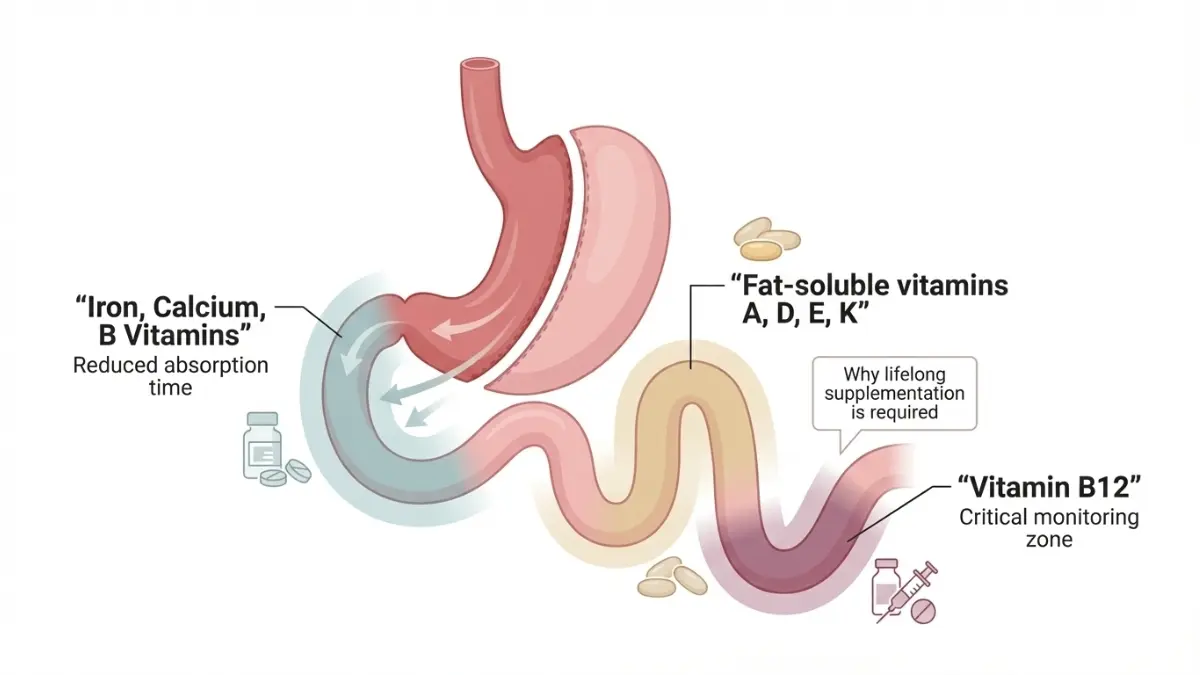
Lifelong Nutritional Requirements:
- Complete multivitamin with iron: 2 tablets daily ($30-$50/month)
- Calcium citrate: 1,200-1,500 mg daily in divided doses ($20-$35/month)
- Vitamin B12: 250-5,000 mcg daily or monthly injections ($10-$40/month)
- Vitamin D3: 3,000 IU daily ($10-$20/month)
- Annual vitamin supplementation cost: $840-$1,740 for life
Patients must commit to tracking protein intake using a macro calculator to ensure 60-80 grams daily protein consumption prevents muscle loss during rapid weight loss phases.
5-Year Total Cost Reality Check
| Expense Category | Year 1 | Years 2-5 (Annual) | 5-Year Total |
|---|---|---|---|
| Surgery (Self-Pay Average) | $15,000 | — | $15,000 |
| Vitamins & Supplements | $1,200 | $900 | $4,800 |
| Follow-Up Visits | $800 | $200 | $1,600 |
| Body Contouring (Optional) | — | $15,000 (Year 3) | $15,000 |
| TOTAL INVESTMENT | $17,000 | $16,100 | $36,400 |
Success rates justify the investment: patients maintaining 50-70% excess weight loss at five years experience diabetes remission rates of 60-75%, hypertension improvement in 70-80%, and sleep apnea resolution in 85-90% of cases.
What This Means For You
Gastric sleeve surgery transforms from a one-time expense into a lifestyle commitment requiring $75-$145 monthly ongoing costs. Patients who calculate total five-year expenses including supplementation, follow-up care, and potential body contouring surgery make more realistic financial plans than those focused solely on surgical fees.
The decision to pursue vertical sleeve gastrectomy should weigh immediate costs against long-term health improvements. Use a calorie deficit calculator to understand post-surgery nutritional needs and explore comprehensive bariatric surgery options before committing to this permanent anatomical change.
DISCLAIMER: This article is for educational purposes only and does not constitute medical advice. Gastric sleeve surgery eligibility, costs, and outcomes vary significantly by individual circumstances, insurance coverage, and geographic location. Consult with a board-certified bariatric surgeon and your insurance provider for personalized medical and financial guidance. Cost data and medical information current as of December 2025.
Frequently Asked Questions About Gastric Sleeve Surgery
1. How much does gastric sleeve surgery cost without insurance in 2025?
Gastric sleeve surgery costs $8,995-$15,000 for self-pay patients at US bariatric centers, with the national average around $12,500. Medical tourism options in Mexico and Turkey range from $4,500-$7,000.
2. Will insurance cover my gastric sleeve surgery?
Most insurance plans cover gastric sleeve if you have BMI ≥40 or BMI 35-39.9 with comorbidities like diabetes, hypertension, or sleep apnea, plus documented 6-month supervised weight loss attempt.
3. What is the cheapest state for gastric sleeve surgery?
Oklahoma has the lowest average gastric sleeve cost at $16,930, followed by Arizona ($17,930) and Georgia ($17,540) in 2025.
4. How long is gastric sleeve recovery time?
Most patients return to desk work within 2-4 weeks and resume full activities by 6-8 weeks. Hospital stay is typically 1-2 days.
5. What BMI do I need for gastric sleeve approval?
You need BMI 40+ (no comorbidities required) or BMI 35-39.9 with at least one obesity-related condition like type 2 diabetes or hypertension.
6. How much weight can I lose with gastric sleeve?
Patients typically lose 60-70% of excess body weight within 12-18 months, averaging 50-80 pounds depending on starting weight and adherence to dietary guidelines.
7. Is gastric sleeve safer than gastric bypass?
Yes, gastric sleeve has lower complication rates (6.6% vs 9.6%) and shorter recovery time, though gastric bypass shows superior long-term diabetes resolution.
8. Can I finance gastric sleeve surgery with bad credit?
Yes, medical financing programs like Cherry and CareCredit approve 85-95% of applicants with credit scores as low as 580, offering payment plans of $215-$238/month.
9. What are the hidden costs of gastric sleeve?
Hidden costs include pre-op testing ($500-$1,500), post-surgery vitamins ($50-$100/month for life), liquid diet supplements ($200-$400), and potential body contouring surgery ($8,000-$25,000).
10. How much does gastric sleeve revision surgery cost?
Revision surgery costs $15,000-$25,000 and is required by 10-15% of patients within 5-10 years due to complications or insufficient weight loss. Most insurance plans deny revision coverage.
11. What’s the difference between gastric sleeve cost in California vs Texas?
California gastric sleeve averages $26,730 (ranging $22,000-$38,000) while Texas averages $18,200 (ranging $12,000-$23,000), a difference of $8,530 due to facility overhead and metro area pricing.
About this content
How this article was put together: researched from recognised health sources, drafted with the help of AI tools, and edited by hand, with sources linked throughout.

Sameer Patel is the founder and editor of My Medicine Advisor. He is not a doctor or medical professional — before starting this site he worked in banking,…
Medical disclaimer
The content on MyMedicineAdvisor is provided for general informational and educational purposes only and is not a substitute for professional medical advice, diagnosis, or treatment. Health information on this website should not be used to diagnose, treat, cure, or prevent any condition without guidance from a qualified healthcare professional. Always seek the advice of your doctor, physician, or another licensed healthcare provider with any questions you may have regarding a medical condition, symptoms, medications, or treatment decisions.