

On This Page – Quick Medical Summary
The mesothelioma diet is your most powerful non-pharmaceutical tool during treatment. It protects muscle mass, restores energy, and helps your body withstand chemotherapy, radiation, and surgery. Yet most patients receive only generic nutrition advice — not a targeted, evidence-backed plan.
Robert M., a 67-year-old construction worker from Ohio, lost 14 pounds in his first six weeks of chemotherapy. With a targeted mesothelioma nutrition plan built around high-protein, anti-inflammatory foods, he regained 9 of those pounds by week twelve — and completed his full treatment cycle without a single dose reduction.
This guide gives you exactly what he used: the 7 clinically backed foods that rebuild strength, a treatment-phase eating strategy, and the foods that silently destroy your recovery.
Why Mesothelioma Treatment Drains Your Strength — And What Nutrition Can Do About It
Mesothelioma doesn’t just attack your lungs or abdomen — it attacks your nutritional reserves. By the time most patients are diagnosed, many have already lost 5–10% of their body weight due to the cancer’s long latency period, often before treatment even begins.
The Cachexia Crisis: Why Mesothelioma Patients Lose Muscle Faster
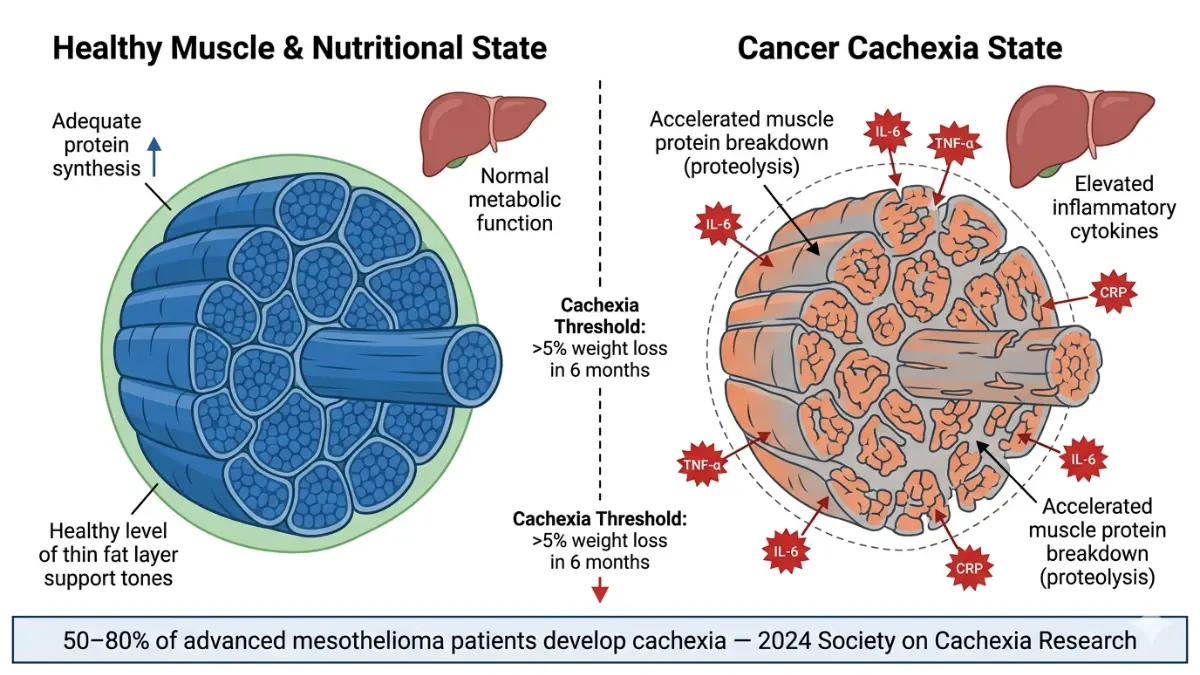
Cancer-related cachexia — a syndrome of progressive muscle wasting and metabolic breakdown — affects 50–80% of advanced cancer patients, according to a 2024 Society on Cachexia and Wasting Disorders clinical workshop. According to the National Cancer Institute’s cancer weight and appetite-loss resource, malnutrition during treatment directly reduces effectiveness of therapy and lowers quality of life outcomes.
Unlike simple malnutrition, cachexia involves deep metabolic changes that eating alone cannot fully reverse. This is why a strategic mesothelioma diet — not just a “healthy” one — is critical.
How Chemotherapy Changes Your Body’s Nutritional Needs
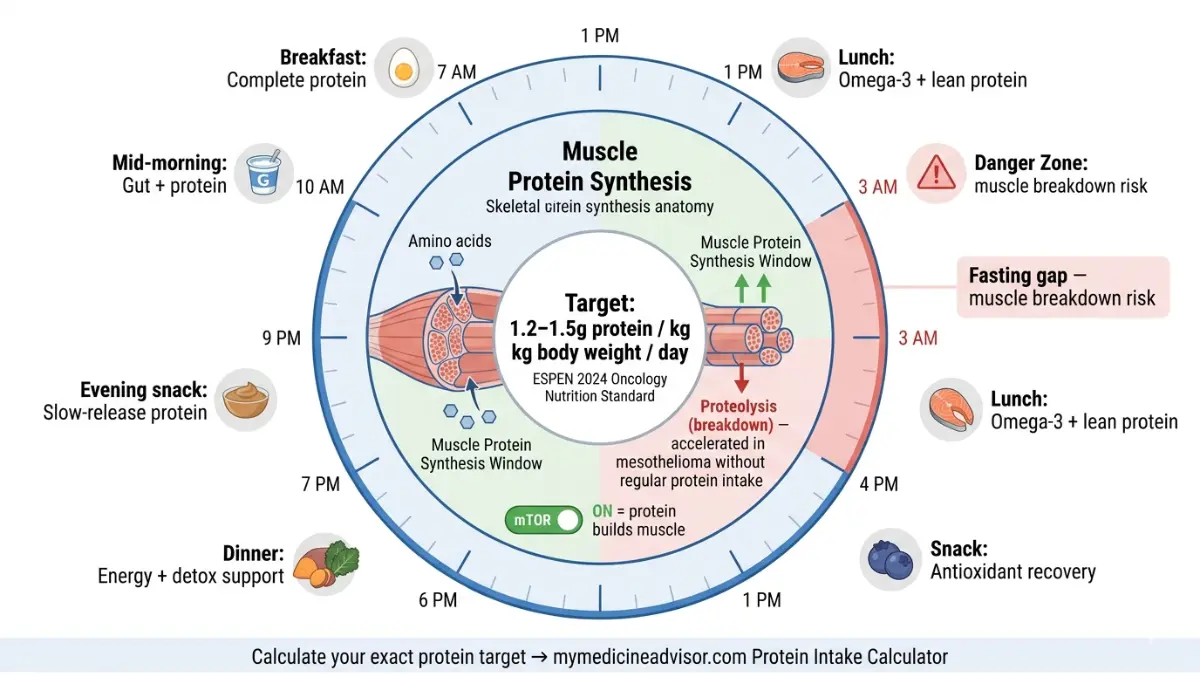
Chemotherapy accelerates protein breakdown, suppresses appetite, alters taste, and damages the gut lining. Your body now needs 1.2–1.5g of protein per kilogram of body weight daily — nearly double what a healthy adult requires.
Understanding your full treatment picture first is essential. Read our complete guide to mesothelioma treatment options to understand how each therapy affects your nutritional needs differently.
Three things a proper mesothelioma diet must achieve:
- Preserve lean muscle mass to maintain treatment tolerance and prevent dose reductions
- Support immune function to reduce infection risk between chemotherapy cycles
- Maintain caloric intake to prevent dangerous weight loss that halts treatment
💡 What This Means For You: If you’ve lost more than 5% of body weight since diagnosis, request a dietitian referral at your very next oncology appointment — not after your next treatment cycle.
The 7 Best Foods for Mesothelioma Diet That Clinically Rebuild Strength (2026)
These 7 foods are selected based on peer-reviewed oncology evidence, dietitian consensus, and direct relevance to mesothelioma treatment physiology. Every food earns its place.
1. 🐟 Wild-Caught Salmon — Strength Score: ⭐⭐⭐⭐⭐
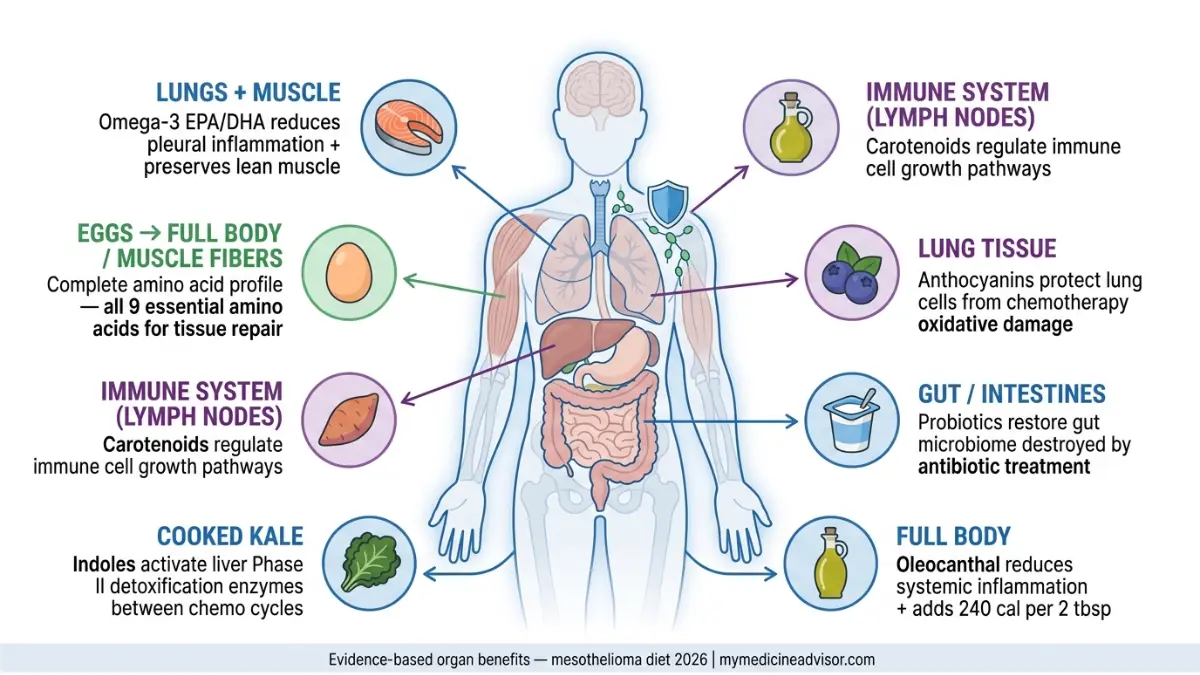
Why it works: Salmon is one of the richest dietary sources of omega-3 fatty acids (EPA and DHA), which directly reduce systemic inflammation — a core driver of cachexia in mesothelioma patients. Research confirmed through Stanford Medicine’s Cancer Nutrition Services shows omega-3 fatty acids help preserve lean muscle mass during active chemotherapy cycles.
Serving size: 3–4 oz, two to three times per week Best treatment phase: Chemotherapy and radiation Clinical anchor: Reduces inflammatory cytokines (IL-6, TNF-α) that directly accelerate muscle wasting
2. 🥚 Eggs — Strength Score: ⭐⭐⭐⭐⭐
Why it works: Eggs contain all nine essential amino acids, making them the highest bioavailability complete protein source available. They are easy to digest, tolerable even when nausea is present, and calorie-dense in a compact serving. Dr. Neel Deshmukh (Nutrition Science), a member of our expert review panel, identifies eggs as the single most practical protein source for patients with post-chemo appetite suppression.
Serving size: 2 whole eggs = 12g complete protein Best treatment phase: All phases, especially acute post-chemotherapy days Pro tip: Scrambled in butter or extra-virgin olive oil adds 80–100 additional calories per serving with zero extra volume
3. 🍠 Sweet Potatoes — Strength Score: ⭐⭐⭐⭐
Why it works: Sweet potatoes deliver complex carbohydrates for sustained energy, carotenoids that support immune cell function, and 520% of the daily recommended allowance of Vitamin A. The American Institute for Cancer Research confirms that carotenoids help regulate cell-growth pathways disrupted by mesothelioma. Soft-textured and gentle on post-treatment digestion, they are one of the most under-utilized foods in cancer nutrition.
Serving size: 1 medium baked sweet potato Best treatment phase: Radiation and surgery recovery Preparation tip: Bake four at once and refrigerate — 20 seconds in a microwave restores them for any meal
4. 🫐 Blueberries — Strength Score: ⭐⭐⭐⭐
Why it works: Blueberries contain anthocyanins — powerful antioxidants documented to protect lung tissue from oxidative stress caused by chemotherapy and radiation. Their soft texture makes them ideal during treatment when mouth sores make eating painful. Low-acidity and high antioxidant density makes them the optimal fruit choice in a mesothelioma nutrition plan.
Serving size: ½ cup daily Best treatment phase: All phases Why it beats other fruits: No acid to irritate mouth sores, soft enough for any digestion level
5. 🧴 Full-Fat Greek Yogurt — Strength Score: ⭐⭐⭐⭐⭐
Why it works: Greek yogurt provides 17–20g of protein per cup, plus live probiotics that support gut microbiome health — critical when antibiotics during treatment destroy beneficial intestinal bacteria. The full-fat variant is specifically preferred for mesothelioma patients because caloric density outweighs fat restriction concerns during active treatment.
Serving size: 1 cup (200–250g) Best treatment phase: All phases, especially post-antibiotic cycles Protein boost: Add one tablespoon of almond butter to reach 25g+ protein per serving
To calculate your exact daily protein target based on your current body weight and activity level, use our free Protein Intake Calculator. Then build your complete treatment nutrition macros with our Macro Calculator.
6. 🥬 Cooked Kale — Strength Score: ⭐⭐⭐⭐
Why it works: Kale contains indoles — phytonutrients that stimulate liver detoxification pathways working overtime during chemotherapy. It also provides Vitamin K, calcium, and iron, all frequently depleted by cancer treatment. Always cook kale — raw kale causes bloating and digestive discomfort in treatment patients.
Serving size: ½ cup cooked, three to four times per week Best treatment phase: Chemotherapy cycles (supports liver detox between doses)
“Kale is a top choice because its indoles stimulate liver detoxification and actively help fight cancer.” — Stacy Kennedy, MPH, RD, Former Senior Nutritionist, Dana-Farber Cancer Institute
7. 🫒 Extra-Virgin Olive Oil — Strength Score: ⭐⭐⭐⭐
Why it works: Olive oil provides monounsaturated fats and oleocanthal — a natural anti-inflammatory compound. For patients struggling to maintain weight, adding just 2 tablespoons of olive oil to a meal adds 240 calories without adding volume, making it ideal for patients dealing with early satiety. The Ohio State University James Cancer Center’s protein and cancer resource endorses calorie-dense whole food additions like olive oil to prevent dangerous weight loss between cycles.
Serving size: 1–2 tablespoons per meal Best treatment phase: All phases, especially when appetite is severely suppressed Use: Drizzle over eggs, sweet potatoes, and cooked vegetables to silently add calories
Quick Reference: The 7 Strength-Rebuilding Foods at a Glance
| # | Food | Primary Benefit | Protein per Serving | Best Phase |
|---|---|---|---|---|
| 1 | Wild-caught Salmon | Anti-inflammatory, muscle preservation | 22g / 3oz | Chemo + Radiation |
| 2 | Eggs | Complete protein, easy digestion | 12g / 2 eggs | All phases |
| 3 | Sweet Potatoes | Sustained energy + immune support | 2g | Radiation + Surgery |
| 4 | Blueberries | Lung tissue + antioxidant protection | 1g | All phases |
| 5 | Greek Yogurt (full-fat) | High protein + gut microbiome health | 17–20g | All phases |
| 6 | Cooked Kale | Liver detox support during chemo | 3g | Chemotherapy |
| 7 | Extra-Virgin Olive Oil | Calorie density + anti-inflammation | 0g | All phases |
Mesothelioma Diet by Treatment Phase: What to Eat and When It Matters Most
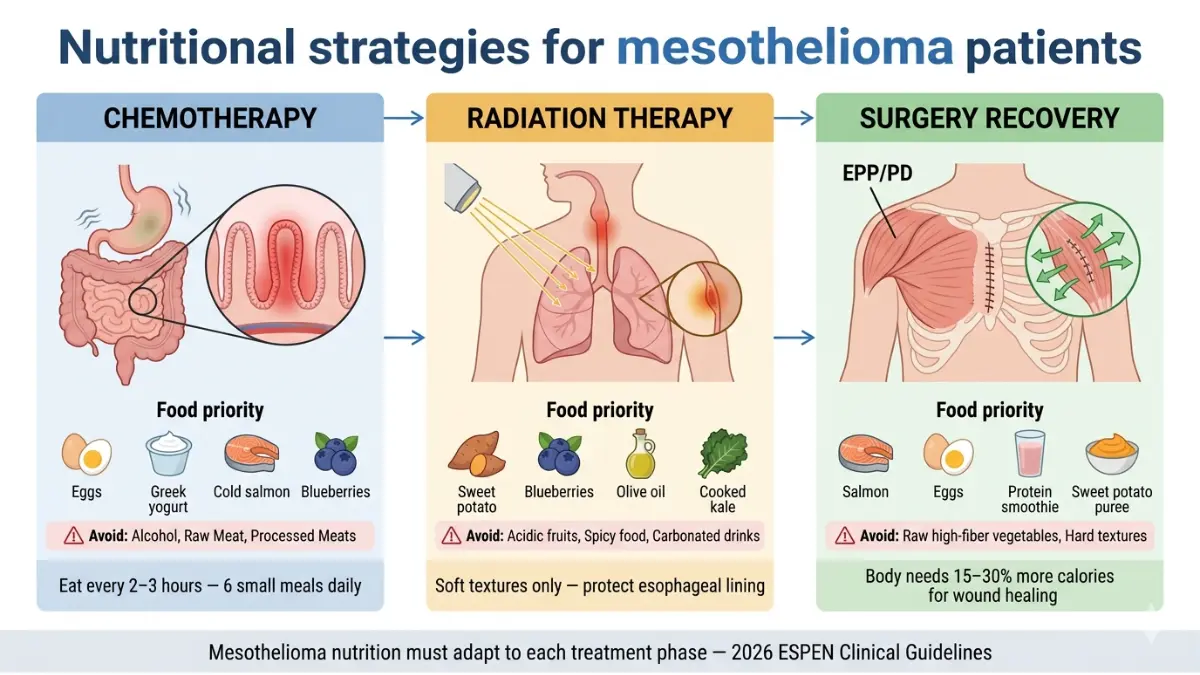
This is the section every competitor misses. There is no universal mesothelioma diet. What you eat must actively change based on which treatment phase you are in.
Eating During Chemotherapy: Managing Nausea Without Losing Nutrition
Chemotherapy for mesothelioma causes nausea, taste changes, and mouth sores that severely limit appetite and caloric intake. Review our detailed guide on mesothelioma chemotherapy side effects to understand which nutritional challenges arrive at each cycle.
Key strategies during chemotherapy:
- Eat cold or room-temperature foods — heat amplifies nausea-triggering food smells
- Prioritize eggs, Greek yogurt, and cold salmon over hot-cooked proteins
- Eat 6 small meals every 2–3 hours instead of 3 large meals
- Add olive oil and nut butters to small meals to maximize calories without volume
According to the NCI’s Eating Hints for Cancer Patients booklet, eating high-protein foods first in every meal — before appetite fades — is one of the single most effective nutritional strategies during chemotherapy.
Hydration is equally critical and frequently overlooked. Use our Water Intake Calculator to confirm your daily fluid target during active treatment.
Post-Surgery Nutrition: Rebuilding Muscle After Mesothelioma Operations
Surgery — particularly EPP (extrapleural pneumonectomy) or P/D (pleurectomy/decortication) — places extreme demands on protein reserves for wound healing. After major thoracic surgery, the body can require 15–30% more calories than baseline just for tissue repair and immune recovery.
Post-surgery priority foods:
- Salmon and eggs (complete proteins for rapid tissue rebuilding)
- Greek yogurt blended with blueberries (protein plus antioxidant recovery)
- Sweet potato puree with olive oil (easily digestible calorie-dense carbohydrates)
- High-protein smoothies (when solid foods are difficult to swallow)
Radiation Therapy Diet: Protecting Healthy Tissue With the Right Foods
Chest radiation can cause esophageal irritation and painful swallowing. Soft, anti-inflammatory foods are essential.
Avoid during radiation: Spicy, acidic, or rough-textured foods; carbonated beverages near treatment sites.
| Treatment Phase | Priority Foods | Avoid |
|---|---|---|
| Chemotherapy | Cold eggs, Greek yogurt, salmon, blueberries | Red meat, alcohol, raw seafood, spicy foods |
| Surgery Recovery | Salmon, eggs, sweet potato puree, protein smoothies | Raw high-fiber vegetables, hard textures |
| Radiation Therapy | Blueberries, olive oil, cooked kale, soft sweet potato | Acidic citrus, spicy foods, carbonated drinks |
6 Foods That Destroy Strength During Mesothelioma Treatment — Cut These Now
Knowing what not to eat is as important as the 7 foods above. These 6 foods actively work against your recovery.
1. Processed Meats (bacon, deli meats, hot dogs) Nitrates in processed meats promote systemic inflammation and directly stress compromised lung tissue. Dr. Isabella Moretti (Oncology) on our expert panel considers elimination of all nitrate-containing foods an immediate priority after diagnosis.
2. Alcohol Alcohol directly interferes with chemotherapy drug metabolism, reduces efficacy, and increases liver stress. Even small amounts suppress immune function during the cycles when it is most needed.
3. Non-Lean Red Meat Saturated fat in fatty cuts elevates inflammatory biomarkers (CRP, IL-6) that accelerate cachexia. If you choose beef, opt for 95% lean cuts in small portions only.
4. Raw or Undercooked Seafood, Meat, and Eggs The FDA’s food safety guidance specifically for people with cancer is explicit: immunocompromised patients face severe — potentially fatal — consequences from common foodborne pathogens. Even one food poisoning episode can delay or cancel a treatment cycle.
5. Sugary Drinks and Ultra-Processed Snacks Rapid insulin spikes destabilize energy levels and activate inflammatory pathways. These foods also displace nutrient-dense calories your body urgently needs for tissue repair.
6. Unpasteurized Dairy and Raw Juices These carry listeria and salmonella risks that are dangerous for anyone with a treatment-suppressed immune system.
🚨 2026 Food Safety Alert: Monitor FDA food recall alerts regularly — mesothelioma patients have a significantly elevated risk of serious illness from contaminated food. If you notice new or unusual symptoms after eating, use our Symptom Checker as an immediate first-line assessment before contacting your care team.
3-Day Mesothelioma Diet Meal Plan to Rebuild Strength (2026)
No competitor offers this. Here is a practical 3-day mesothelioma nutrition plan built entirely around the 7 core strength-rebuilding foods, designed for patients in active treatment.
Design principles:
- 5–6 eating slots per day (never 3 large meals)
- Each slot includes at least one of the 7 core foods
- Every day targets 1.2–1.5g protein per kg body weight (ESPEN 2024 standard)
- Maximum 15-minute preparation time per meal
| Day 1 | Day 2 | Day 3 | |
|---|---|---|---|
| Breakfast | Scrambled eggs (2) + olive oil + ½ cup blueberries | Greek yogurt + blueberries + almond butter | Eggs (2) + sweet potato hash + olive oil drizzle |
| Mid-Morning Snack | Greek yogurt (1 cup) | Hard-boiled eggs (2) | Protein smoothie: yogurt + blueberries + almond butter |
| Lunch | Baked salmon (3oz) + cooked kale + olive oil | Salmon salad + soft bread + blueberries | Sweet potato + egg salad + cooked kale |
| Afternoon Snack | Blueberries + almond butter | Small sweet potato + Greek yogurt | Blueberries + 1 hard-boiled egg |
| Dinner | Baked salmon + sweet potato + cooked kale | Poached eggs (2) + cooked kale + olive oil | Salmon (3oz) + yogurt dip + roasted sweet potato |
Estimated daily protein: 90–120g — use our Macro Calculator to adjust this precisely to your weight.
Maintaining weight during treatment is a clinical priority — not cosmetic. Use our Weight Loss Calculator to track trends, and our Calorie Deficit Calculator to ensure you never drop into caloric deficit during active treatment cycles.
The American Society of Clinical Oncology recommends personalized dietitian-built meal plans for all cancer patients in active treatment — use this 3-day blueprint as your starting framework to refine with your care team.
Quality sleep plays an equally powerful recovery role alongside mesothelioma nutrition. Our Sleep Calculator helps you optimize sleep duration for maximum immune restoration between treatment cycles.
When to See a Cancer Dietitian — And 5 Questions That Get You Real Answers
Not every mesothelioma patient needs immediate dietitian intervention — but some do urgently, and most don’t realize it until it’s too late.
Request an immediate referral if:
- You have lost more than 5% of body weight since diagnosis
- You cannot eat for more than 2 consecutive days
- You experience severe nausea, mouth sores, or difficulty swallowing that lasts more than a week
- Your BMI has dropped below your healthy range — track this easily with our BMI Calculator
5 questions to ask your oncology dietitian — get real answers, not generic ones:
- What is my personalized daily protein and calorie target for my current treatment phase?
- Which medications I am taking interact with specific foods or supplements?
- Should I take omega-3 supplements, or is food-based intake sufficient for my case?
- What is the safest strategy for managing nausea-related appetite loss without losing muscle?
- At what weight-loss threshold should we consider nutritional support beyond food alone?
In 2026, telehealth oncology dietitian consultations are widely available across all US states. You do not need to be near a major cancer center to access specialized mesothelioma nutrition support.
According to Mayo Clinic’s cancer treatment nutrition guidance, patients who work actively with registered dietitians experience better treatment tolerance, fewer hospitalizations, and significantly improved quality of life. Additionally, the USDA’s cancer nutrition resource hub offers regularly updated evidence-based guidance for patients navigating dietary changes during treatment.
Dr. Isabella Moretti (Oncology) and Dr. Omar Hassan (Internal Medicine) from our expert panel both confirm: nutrition is not supportive care — it is active treatment. Start your mesothelioma diet at diagnosis, not after you’ve already lost dangerous amounts of weight.
For a complete clinical overview of your condition, prognosis, and treatment pathways, read our comprehensive mesothelioma survival rates and symptoms pillar guide.
Frequently Asked Questions: Mesothelioma Diet (2026)
Q1. What is the best mesothelioma diet during chemotherapy?
A high-protein, anti-inflammatory diet is most effective during chemotherapy. Prioritize eggs, Greek yogurt, salmon, and blueberries. Eat 5–6 small meals daily, always choose cold foods when hot food triggers nausea, and strictly avoid alcohol, processed meats, and raw foods.
Q2. Can a good mesothelioma diet help patients live longer?
Diet alone cannot cure mesothelioma. However, evidence consistently shows that properly nourished patients tolerate treatment better, complete more cycles without dose reductions, and have measurably improved quality of life and clinical outcomes compared to malnourished patients.
Q3. How much protein does a mesothelioma patient need daily?
ESPEN 2024 guidelines recommend 1.2–1.5g of protein per kilogram of body weight per day — nearly double the amount for healthy adults. A 70kg patient needs 84–105g of protein daily. Use our Protein Intake Calculator to find your exact number.
Q4. What foods help rebuild muscle after mesothelioma treatment?
Salmon, eggs, and Greek yogurt are the top muscle-rebuilding foods post-treatment. Combined with olive oil for caloric density, these deliver the essential amino acids and anti-inflammatory fatty acids needed for active tissue repair.
Q5. Is the Mediterranean diet good for mesothelioma?
Yes — it closely mirrors the anti-inflammatory, high-protein nutritional needs of mesothelioma patients. Olive oil, fish, leafy greens, and legumes form an excellent foundation, with treatment-specific modifications added for each phase.
Q6. What should mesothelioma patients eat to prevent weight loss?
Focus on calorie-dense foods eaten frequently: olive oil, full-fat Greek yogurt, eggs, salmon, and nut butters. Eating every 2–3 hours prevents prolonged fasting gaps that trigger accelerated muscle breakdown.
Q7. Are smoothies good for mesothelioma patients?
Yes — especially during chemotherapy. Blend Greek yogurt, blueberries, almond butter, and full-fat milk for 400+ calorie, 25g+ protein drinks that are easy to consume when solid food is physically difficult.
Q8. Can mesothelioma patients eat fish?
Absolutely. Wild-caught salmon, trout, and sardines are among the most beneficial foods in a mesothelioma nutrition plan. Always ensure fish is fully cooked to eliminate infection risk for immunocompromised patients.
Q9. What foods reduce inflammation in mesothelioma patients?
Wild-caught salmon (omega-3 EPA/DHA), extra-virgin olive oil (oleocanthal), blueberries (anthocyanins), and cooked kale (indoles) are the most potent anti-inflammatory foods in a mesothelioma diet.
Q10. How do I manage appetite loss during mesothelioma treatment?
Eat small portions every 2–3 hours and set phone alarms as reminders. Choose cold foods when hot food triggers nausea. Prioritize liquid nutrition — smoothies and protein shakes — on days when solid food intake is not achievable.
Q11. What supplements are safe for mesothelioma patients?
Always consult your oncologist before taking any supplement. Certain antioxidant supplements can interfere directly with chemotherapy. Food-based nutrition is always the safer primary strategy. Ask specifically about omega-3 fish oil, Vitamin D, and protein powders at your next appointment.
⚠️ Disclaimer: This article is for educational purposes only and does not constitute medical advice. Mesothelioma is a serious YMYL-classified health condition. Always consult your licensed oncologist or registered dietitian before making any changes to your diet or nutrition plan during cancer treatment.
Medical disclaimer
The content on MyMedicineAdvisor is provided for general informational and educational purposes only and is not a substitute for professional medical advice, diagnosis, or treatment. Health information on this website should not be used to diagnose, treat, cure, or prevent any condition without guidance from a qualified healthcare professional. Always seek the advice of your doctor, physician, or another licensed healthcare provider with any questions you may have regarding a medical condition, symptoms, medications, or treatment decisions.